
Choosing the right roofing materials is essential for building a strong, durable, and long-lasting roof. Roofing plywood provides a stable base for many roofing systems and supports materials such as asphalt shingles and other compatible roof coverings. Selecting the correct type and thickness can improve roof performance and help prevent costly structural problems.
Whether you are building a new home or replacing an existing roof, understanding roofing plywood can help you make informed decisions. This guide explains the different types of roofing plywood, common thickness options, key benefits, installation considerations, and maintenance tips.
What Is Roofing Plywood?
Roofing plywood is an engineered wood panel made by bonding thin layers of wood veneer together. The layers are arranged with their grain running in different directions to improve strength and stability.
In roofing construction, plywood is commonly installed over rafters or roof trusses to create a solid roof deck. This deck supports the roofing materials and helps transfer loads to the underlying structure.
The right plywood depends on several factors, including roof design, framing spacing, weather exposure, building codes, and the type of roofing material being installed.
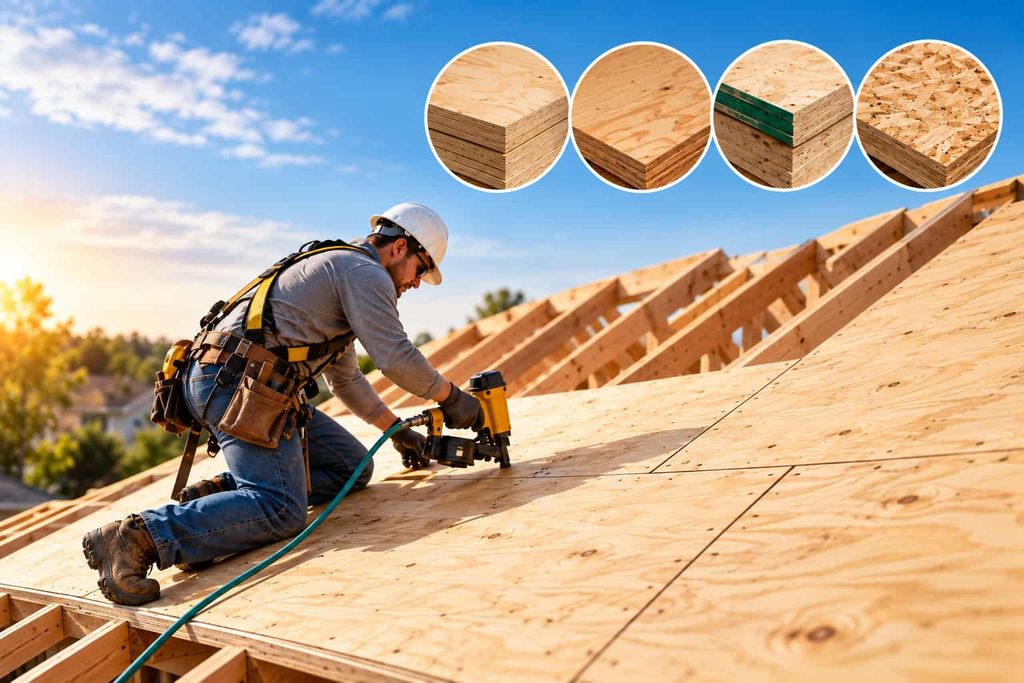
Types of Roofing Plywood
Different types of plywood and engineered wood panels are available for roofing applications. Understanding their characteristics can help you choose a suitable option for your project.
1. CDX Plywood
CDX plywood is commonly used for roof sheathing in residential construction. It typically has a C-grade face and a D-grade back, with exterior-type adhesive bonding the layers.
CDX plywood provides a practical option for many roof-deck applications when its structural rating and thickness meet the project requirements. However, it is not waterproof and should not be left exposed to prolonged moisture.
2. Structural Plywood
Structural plywood is manufactured for applications that require specified strength and stiffness. Its performance depends on the panel grade, thickness, span rating, and applicable standards.
For roofing projects, structural plywood should be selected according to the roof’s design requirements rather than appearance alone.
3. Exterior-Grade Plywood
Exterior-grade plywood uses adhesive designed to withstand moisture exposure. However, exterior-grade does not automatically mean that a panel is waterproof or suitable for continuous exposure to rain.
Always check the panel’s structural rating and manufacturer’s instructions before using it for roof sheathing.
4. Oriented Strand Board (OSB)
OSB is an engineered wood panel made from compressed wood strands bonded with adhesives. It is widely used as an alternative to plywood in roof construction.
OSB can provide consistent structural performance when properly specified and installed. Some products may experience edge swelling after prolonged moisture exposure, so proper weather protection is important.
What Thickness of Roofing Plywood Should You Use?
Choosing the correct roofing plywood thickness is important for creating a stable roof deck. The required thickness depends on roof loads, framing spacing, panel span ratings, and local building codes.
Common roof-sheathing thicknesses include 3/8 inch, 7/16 inch, 1/2 inch, and 5/8 inch. These are examples of available sizes, not universal recommendations for every roof.
Before choosing a thickness, consider the following factors:
- Rafter spacing: Wider spacing may require thicker or differently rated panels.
- Roof loads: Snow, wind, and other loads affect structural requirements.
- Panel span rating: The panel must be suitable for the distance between supporting members.
- Roofing material: Some roofing systems have specific deck requirements.
- Local building codes: Always follow applicable construction requirements and approved plans.
Using a panel that is too thin may result in excessive deflection or an unsuitable roof surface. A qualified roofing contractor can help determine the correct specifications for your building.
Benefits of Using Roofing Plywood
Roofing plywood offers several benefits when selected and installed correctly.
Strength and Stability
Plywood’s layered construction provides strength in multiple directions. A properly specified panel can support roofing materials and transfer loads to the roof framing.
Reliable Support for Roofing Materials
Many roofing systems require a stable and properly supported deck. Roofing plywood can provide a suitable base for compatible shingles and other roof coverings.
Versatility
Plywood is available in different grades, thicknesses, and structural ratings. This allows builders to select panels that meet the needs of different roofing designs.
Long-Term Value
Using suitable roofing plywood and protecting it from moisture can help reduce premature deterioration and unnecessary repair costs. Long-term performance also depends on installation quality and regular maintenance.
Compatibility With Different Roof Designs
Roofing plywood is used in many residential and commercial projects. The correct product must still be selected according to the building design and intended roofing system.
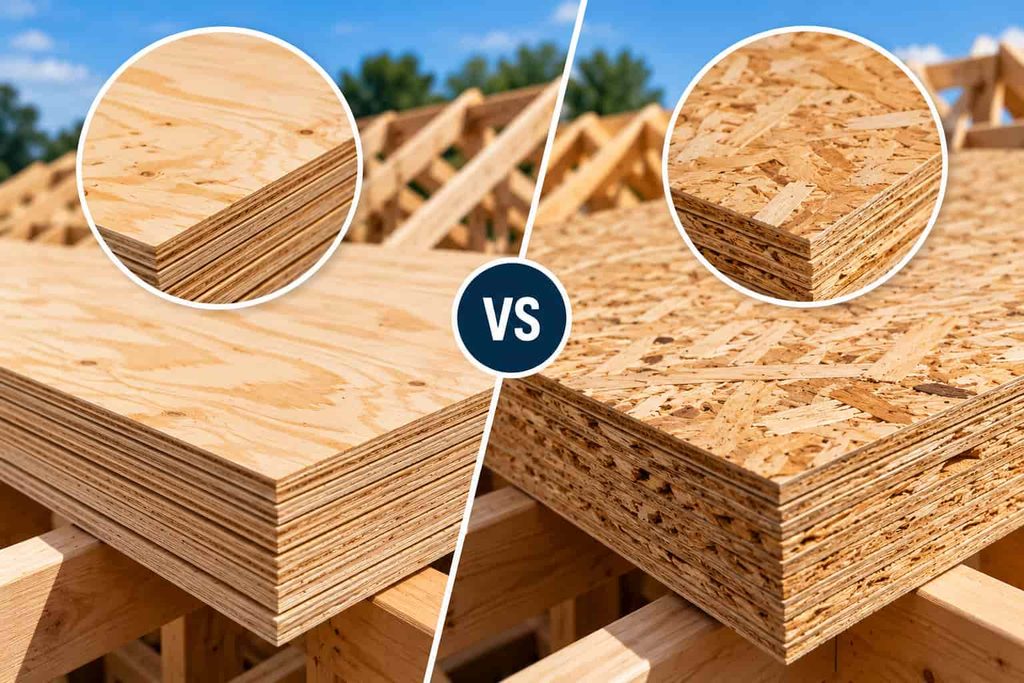
Roofing Plywood vs OSB Which Is Better?
Plywood and OSB are both common roof-sheathing materials. Neither is automatically the best choice for every project.
Plywood is manufactured from thin wood veneers. Depending on the product and conditions, it may dry out more quickly after getting wet and can be less susceptible to certain types of edge swelling.
OSB is manufactured from wood strands and is often a cost-effective option. It provides consistent structural properties when the correct product is used, but moisture exposure can cause edge swelling in some panels.
When comparing the two materials, consider:
- Initial material and installation costs
- Required structural ratings
- Exposure to moisture
- Roof framing spacing
- Manufacturer recommendations
- Local building codes
The best choice is the product that meets the project’s structural requirements and provides suitable performance for the expected conditions.
How to Install Roofing Plywood Correctly
Proper installation helps create a stable roof deck and supports the performance of the entire roofing system. Installation should follow approved plans, local building codes, and the manufacturer’s instructions.
Step 1: Inspect the Roof Framing
Check that rafters or roof trusses are properly aligned, securely fastened, and free from damage that could affect the roof deck.
Step 2: Choose the Correct Panels
Confirm the plywood’s grade, thickness, span rating, and suitability for the intended roofing application.
Step 3: Position the Panels Properly
Install panels according to the manufacturer’s instructions and approved roof design. Panel orientation, joint placement, and support requirements are important for structural performance.
Step 4: Allow for Panel Expansion
Wood-based panels can expand as moisture levels change. Follow the manufacturer’s recommendations for spacing between panel edges and ends.
Step 5: Use Appropriate Fasteners
Use approved fasteners of the correct type and length. Fastener spacing and edge distances must comply with the applicable building code and construction specifications.
Step 6: Protect the Roof Deck
Avoid unnecessary exposure to rain and standing water. Install the required underlayment and roofing materials promptly, and have damaged panels assessed before covering them.
Roof installation involves fall hazards. Roofing work should be completed using appropriate safety equipment and safe working practices.
Common Roofing Plywood Problems
Even properly selected roofing plywood can develop problems when installation is inadequate or moisture exposure continues for too long.
Water Damage
Roof leaks, damaged flashing, and prolonged exposure to rain can cause plywood to swell or deteriorate. The source of the moisture should be repaired before damaged panels are replaced.
Sagging Roof Deck
Sagging may indicate inadequate panel thickness, excessive framing spacing, structural damage, or moisture-related deterioration. A professional inspection can help identify the cause.
Mold and Wood Rot
Persistent dampness can encourage mold growth and wood decay. Proper ventilation, moisture control, and prompt leak repairs can help reduce these risks.
Improper Fastening
Incorrect fasteners or unsuitable fastening patterns can affect the stability of the roof deck. Follow the manufacturer’s instructions and applicable construction requirements.
How to Maintain Roofing Plywood
Roofing plywood is usually protected beneath the roof covering, so maintenance focuses on keeping the entire roofing system in good condition.
- Inspect the roof periodically for damaged or missing shingles and deteriorated flashing.
- Repair leaks promptly to prevent moisture from reaching the roof deck.
- Keep gutters and downspouts clear so rainwater drains properly.
- Maintain appropriate attic ventilation and address condensation problems.
- Ask a qualified professional to investigate soft spots, sagging, persistent stains, or suspected wood decay.
Never walk on a roof deck that may be structurally damaged. Arrange a professional inspection when there are signs of weakness.

When Should Roofing Plywood Be Replaced?
Roofing plywood does not always need replacement whenever the roof covering reaches the end of its service life. The underlying deck should be inspected during roof replacement.
Replacement may be necessary when panels are extensively rotten, structurally weakened, delaminated, badly swollen, or unable to hold fasteners securely.
Minor discoloration does not necessarily mean that a panel has lost its structural strength. A qualified professional should evaluate the material and determine whether repair or replacement is appropriate.
Replacing damaged sheathing before installing new roofing materials helps provide a stable base for the new roof system.
Frequently Asked Questions About Roofing Plywood
What is the best plywood for roofing?
The best option depends on your roof design, framing spacing, structural requirements, moisture exposure, and local building codes. Properly rated CDX or structural plywood may be suitable for many projects, while approved OSB is another common choice.
Is roofing plywood waterproof?
No. Exterior-type adhesive can improve moisture resistance, but plywood itself is not waterproof. Proper underlayment, flashing, and a suitable roof covering are needed to protect the deck.
How thick should roofing plywood be?
There is no single thickness that works for every roof. Common options include 7/16-inch OSB and 1/2-inch plywood, but the correct specification depends on framing spacing, loads, panel ratings, and building codes.
Can OSB be used instead of roofing plywood?
Yes. OSB is widely used for roof sheathing when the panel is rated for the application and meets the project’s structural requirements.
How long does roofing plywood last?
Its service life depends on material quality, installation, ventilation, moisture exposure, and maintenance. Preventing leaks and keeping the roof deck dry can help extend its useful life.
Should damaged plywood be replaced before installing a new roof?
Panels that are rotten, structurally weakened, badly swollen, or unable to provide adequate support should be evaluated and replaced when necessary before new roofing materials are installed.
Conclusion
Roofing plywood is an important part of many roofing systems because it supports the roof covering and provides a stable deck. Choosing the right panel requires attention to thickness, structural rating, framing spacing, moisture protection, and local building codes.
Whether you choose plywood or OSB, correct installation and regular maintenance can help protect your building and reduce the risk of costly repairs.
If you are planning a roof installation, replacement, or repair, working with an experienced contractor can help ensure that your roofing system meets your building’s needs.
Need professional roofing assistance? Visit our Roofing Contractors page to explore roofing services and find support for your project.
Have Questions? Call Us Now!
We’re here to help—quick answers, friendly service, anytime you need!