
Cracked, uneven, or damaged sidewalks can affect your property’s appearance and create tripping hazards. For Maryland homeowners, seasonal temperature changes, rain, freezing conditions, and soil movement can contribute to concrete damage.
Concrete sidewalk repair helps restore damaged walkways, improve safety, and prevent minor problems from becoming more serious. Depending on the condition of the concrete, repairs may involve filling cracks, patching damaged areas, leveling slabs, or replacing severely damaged sections.
In this guide, you’ll learn about common sidewalk problems, repair methods, estimated costs, and maintenance tips.
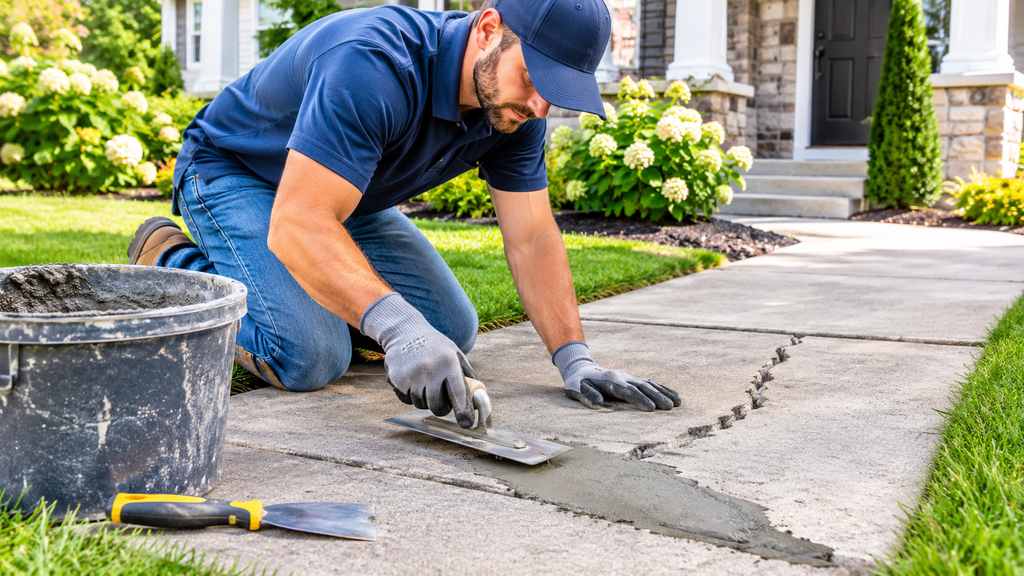
What Is Concrete Sidewalk Repair?
Concrete sidewalk repair involves fixing damaged, cracked, uneven, or deteriorating concrete walkways. The goal is to restore their safety, functionality, and appearance.
The appropriate repair method depends on the severity of the damage. Small cracks may need a suitable filler, while sunken slabs may require leveling. Severely damaged concrete may need replacement.
Why Is Sidewalk Repair Important?
Repairing a damaged sidewalk offers several benefits:
- Improves safety: Reduces tripping hazards caused by cracks and uneven surfaces.
- Prevents further damage: Addresses problems before they become more expensive.
- Improves appearance: Keeps outdoor spaces looking clean and maintained.
- Supports accessibility: Creates smoother walking paths for residents and visitors.
- Protects your investment: Helps reduce the need for extensive repairs.
Common Causes of Sidewalk Damage
Understanding the causes of sidewalk damage can help homeowners choose suitable repair solutions.
1. Freeze-Thaw Cycles
Water can enter small cracks, freeze, and expand during cold weather. Repeated freezing and thawing may cause additional cracking and surface deterioration.
2. Soil Movement and Settling
Poor soil compaction, erosion, and moisture changes can cause the ground beneath a sidewalk to shift. As a result, concrete slabs may sink or become uneven.
3. Tree Roots
Growing tree roots can push concrete slabs upward, creating raised edges and uneven walking surfaces.
4. Poor Installation
Improper concrete mixing, inadequate base preparation, and incorrect curing can weaken a sidewalk and cause premature damage.
5. Poor Drainage
Water collecting around or beneath concrete can weaken the supporting soil and increase the risk of cracks and uneven slabs.
Regular inspections and proper drainage can help homeowners identify these problems early.
Signs Your Concrete Sidewalk Needs Repair
Look for these common warning signs around your property:
- Visible cracks: Small cracks may be manageable, but wide or spreading cracks need attention.
- Uneven slabs: Raised or sunken sections can create tripping hazards.
- Broken edges: Chipped or crumbling edges may worsen over time.
- Surface scaling: Peeling or flaking concrete can indicate surface deterioration.
- Standing water: Pooled water may indicate poor drainage or an uneven surface.
- Deep holes: Larger holes and crumbling areas may require patching or replacement.
If you notice significant height differences, deep cracks, or extensive deterioration, consider a professional inspection.
Types of Concrete Sidewalk Damage
Different types of damage require different repair methods.
1. Concrete Cracks
Cracks may develop because of temperature changes, soil movement, shrinkage, or excessive pressure. Small, stable cracks can sometimes be repaired with suitable concrete fillers.
2. Uneven Concrete Slabs
Soil settlement, erosion, or tree roots can cause slabs to sink or rise. Depending on their condition, the slabs may need leveling or replacement.
3. Surface Scaling
Scaling occurs when the upper layer of concrete flakes or peels away. Minor damage may be suitable for resurfacing if the underlying concrete remains structurally sound.
4. Concrete Spalling
Spalling occurs when pieces of concrete break away, leaving rough or damaged areas. Severe spalling may require patching or replacing the affected section.
5. Potholes and Broken Edges
Small damaged areas may be patched, while extensive deterioration may require a new concrete section.
Identifying the type of damage helps determine the most appropriate repair solution.
Concrete Sidewalk Repair Methods
The best method depends on the damage, the condition of the existing concrete, and the stability of the supporting ground.
1. Concrete Crack Filling
Specialized fillers or sealants can close certain small, stable cracks and reduce water penetration.
Best for: Minor cracks and small gaps.
2. Concrete Patching
Patching involves removing loose material and applying a suitable repair mixture to damaged areas.
Best for: Small holes, chipped edges, and localized surface damage.
3. Concrete Slab Leveling
Slab leveling raises sunken concrete to create a more even walking surface. Depending on the conditions, contractors may use polyurethane foam injection or mudjacking.
Best for: Sunken slabs and uneven walkways.
4. Concrete Resurfacing
Resurfacing applies a thin overlay to improve the appearance of existing concrete. The underlying slab must be structurally sound.
Best for: Minor scaling, discoloration, and shallow surface imperfections.
5. Complete Sidewalk Replacement
Severely cracked, unstable, or extensively deteriorated concrete may need replacement. This generally involves removing the damaged section, preparing the base, pouring new concrete, and allowing it to cure.
Best for: Extensive damage that cannot be repaired reliably.
DIY vs. Professional Concrete Sidewalk Repair
Homeowners may be able to repair minor cracks or small surface defects using suitable DIY products. However, larger problems often require professional assessment.
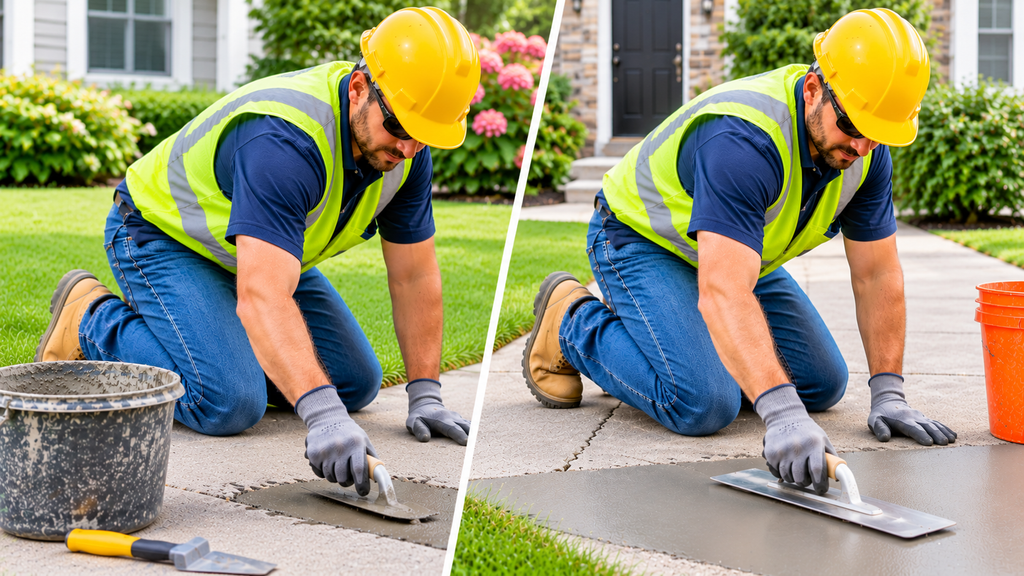
DIY Repair
Advantages:
- Lower initial labor costs.
- Suitable for certain minor repairs.
- Flexible scheduling.
Limitations:
- Incorrect materials can cause repair failure.
- Poor preparation may reduce durability.
- Uneven slabs may require specialized equipment.
Professional Repair
Professional contractors can assess the damage and recommend appropriate repair methods. They also have access to specialized tools and materials.
Consider hiring a professional if your sidewalk has deep cracks, uneven slabs, significant deterioration, or recurring damage.
Concrete Sidewalk Repair Cost in Maryland
The cost of concrete sidewalk repair in Maryland depends on the size of the damaged area, the repair method, labor, site preparation, and accessibility.
The following estimates are included in this guide for budgeting purposes:
| Repair Type | Estimated Cost |
|---|---|
| Crack filling | $2–$6 per linear foot |
| Concrete patching | $4–$9 per sq. ft. |
| Slab leveling | $5–$20 per sq. ft. |
| Concrete grinding | $5–$10 per sq. ft. |
| Full sidewalk replacement | $7–$13 per sq. ft. |
Important: These are estimates, not guaranteed Maryland contractor prices. Verify the figures against the original source before publishing.
Factors That Affect Repair Costs
- Size: Larger sidewalks generally require more materials and labor.
- Damage severity: Extensive cracks and broken sections may require additional work.
- Repair method: Patching, leveling, and replacement have different costs.
- Site preparation: Removing old concrete and preparing the base can increase expenses.
- Accessibility: Difficult-to-reach areas may require additional equipment.
How to Save Money
- Address minor damage early.
- Compare estimates from at least three contractors.
- Ask whether repair or replacement is more practical.
- Confirm whether removal, disposal, and cleanup are included.
- Maintain proper drainage to reduce future damage.
For larger property improvements, explore our general contractors in Maryland services.
Step-by-Step Concrete Sidewalk Repair Process
Professional repairs generally involve the following steps:
- Inspect the sidewalk: Identify cracks, uneven slabs, and drainage problems.
- Prepare the area: Remove obstacles and protect nearby areas.
- Remove damaged concrete: Clear loose material or break out sections that need replacement.
- Prepare the base: Stabilize and compact the supporting material as needed.
- Apply repair materials: Use suitable fillers, patching compounds, overlays, or fresh concrete.
- Finish and cure: Create an even surface and allow the concrete to cure properly.
- Inspect the repair: Check the finish, edges, joints, and drainage.
Proper preparation and curing are essential for durability. Covering visible cracks without addressing the underlying cause may lead to recurring damage.
How to Prevent Future Concrete Sidewalk Damage
Regular maintenance can help Maryland homeowners extend the useful life of their sidewalks.
1. Maintain Proper Drainage
Keep drainage paths clear and address areas where water repeatedly collects.
2. Clean Sidewalks Regularly
Remove leaves, dirt, and debris so that cracks and surface damage are easier to identify.
3. Seal Concrete When Appropriate
Use a suitable exterior concrete sealer according to the manufacturer’s instructions.
4. Manage Nearby Tree Roots
Plan landscaping carefully and consult a qualified tree professional before modifying roots near a sidewalk.
5. Avoid Excessive Loads
Do not place heavy equipment or vehicles on sidewalks that are not designed to support them.
6. Inspect and Repair Early
Check for cracks, raised edges, flaking, and standing water. Address suitable minor repairs before the damage spreads.
When Should You Replace a Concrete Sidewalk?
Not every damaged sidewalk needs complete replacement. However, replacement may be the better option when:
- Multiple cracks are wide, deep, or spreading.
- Concrete slabs are severely uneven or unstable.
- Large areas are crumbling or breaking apart.
- Previous repairs have repeatedly failed.
- The supporting base has serious drainage or stability problems.
| Situation | Possible Solution |
|---|---|
| Small, stable cracks | Crack filling |
| Minor surface damage | Patching or resurfacing |
| Sunken slabs | Slab leveling |
| Extensive concrete deterioration | Replacement may be necessary |
| Unstable supporting soil | Correct the underlying problem first |
A professional inspection can help determine whether repairing or replacing the sidewalk is the more practical long-term option.
Frequently Asked Questions About Concrete Sidewalk Repair
1. How much does concrete sidewalk repair cost in Maryland?
Costs depend on the damage, sidewalk size, materials, labor, and repair method. Minor crack repairs generally cost less than slab leveling or complete replacement.
2. Can cracked concrete sidewalks be repaired?
Yes. Small, stable cracks can often be repaired with suitable fillers or sealants. Large or spreading cracks may require professional assessment.
3. Is it better to repair or replace a concrete sidewalk?
Repair is often suitable for minor damage. Replacement may be necessary when the concrete is severely damaged or unstable.
4. How long does sidewalk repair take?
Minor repairs may take a few hours, while larger projects can take several days. Weather conditions and concrete curing requirements affect the timeline.
5. Can I repair my sidewalk myself?
You may be able to repair small cracks or surface defects yourself. Uneven slabs and extensive damage are better assessed by a professional.
6. What causes concrete sidewalks to crack?
Common causes include freeze-thaw cycles, soil movement, tree roots, poor installation, excessive pressure, and drainage problems.
7. How can I prevent sidewalk damage?
Maintain drainage, inspect concrete regularly, address minor damage early, and use appropriate sealers when needed.
8. Does Maryland weather affect concrete sidewalks?
Yes. Freezing conditions, rain, and seasonal temperature changes can contribute to concrete deterioration, especially when water enters existing cracks.
9. When should I hire a professional?
Consider professional help for deep cracks, uneven slabs, extensive deterioration, or damage that repeatedly returns after repairs.
Conclusion: Concrete Sidewalk Repair
Damaged sidewalks can affect your property’s appearance, accessibility, and safety. Timely concrete sidewalk repair can help restore walkways and prevent minor problems from becoming more serious.
Depending on the condition of the concrete, suitable solutions may include crack filling, patching, slab leveling, resurfacing, or replacement. Regular inspections and proper drainage can also help Maryland homeowners reduce future damage.
Need help with your next concrete project? Contact USA Builders & Developers today for a free estimate!
Phone: +1 443 551 0006
Have Questions? Call Us Now!
We’re here to help—quick answers, friendly service, anytime you need!