

Finding damage in your home is stressful. Maybe it’s a burst pipe, a fire, or a tree through the fence. You probably have a hundred questions at once.
Take a breath. A property damage insurance claim is easier than it looks when you take it one step at a time. This guide walks you through the whole process in plain English. You will learn what insurance usually covers, how to file, and what to do if things don’t go your way.
Dealing with storm or roof damage? You will find links to our detailed guides for those too.
What Is a Property Damage Insurance Claim?
It’s simply a request for help. When something damages your home or belongings, you tell your insurance company what happened and show proof. If the damage is covered, the insurer pays for repairs or replacement. You cover the deductible, which is the amount you pay first.

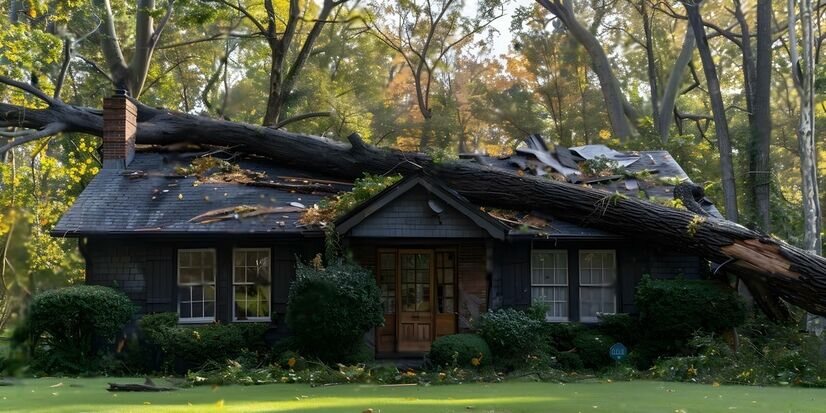
What Insurance Usually Covers
Most homeowners policies cover damage that is sudden and accidental. That includes fire and smoke, burst pipes, theft, vandalism, falling trees, and wind or hail.
Some things are usually not covered. Flood and earthquake damage need extra coverage. Wear and tear, and damage from poor upkeep, are also left out. Every policy is different, so read yours before you file.
How to File a Property Damage Insurance Claim
Here is the process, step by step:
Make Things Safe
Stay away from hazards like exposed wiring or weak walls. Do only what’s urgent, like shutting off water, to stop the damage from spreading.
Document the Damage
Take photos and videos before you clean up. Then list what was damaged.
Read Your Policy
Check what’s covered, your deductible, and any deadline for reporting a loss.
Report the Loss
Call your insurer or use its claim portal. Explain what happened and describe the damage clearly. Write down your claim number, and keep every email and receipt in one folder.
Meet the Adjuster
Your insurer may send an adjuster to inspect the damage and estimate the repair cost. Show them every affected area.
Get Your Own Estimate
A licensed contractor can price the repairs. This gives you something to compare with the insurer’s number.
Review the Offer, Then Repair
Read the settlement carefully. If it seems low, ask questions and send supporting documents. Once you agree, hire a licensed and insured contractor.
Some losses need a few extra steps. If yours does, our guides on storm damage insurance claims and the roof insurance claim process will help. Some losses need a few extra steps. If yours does, our insurance claim repair services in Maryland can help with the repair side of the process. You can also read our guides on storm damage insurance claims and the roof insurance claim process.
Key Terms to Know
Insurance language can be confusing. These are the words you will hear most:
- Deductible: What you pay before insurance pays.
- Adjuster: The person who inspects the damage and estimates the cost.
- Scope of Loss: The insurer’s written list of repairs and their cost.
- Actual Cash Value (ACV): The repair or replacement cost minus depreciation.
- Replacement Cost Value (RCV): The cost to replace items with new ones, with no depreciation.
- Public Adjuster: A licensed professional you can hire to handle your claim. They charge a fee.
What to Expect on Timing
A simple property damage insurance claim can settle in a few weeks. Bigger losses take longer, since they need more inspections, estimates, and repairs. Timing depends on the size of the damage, your insurer, and how complete your paperwork is. If you go a while without an update, a quick call or email to your insurer is perfectly fine.
When Filing a Claim Makes Sense
Not every loss is worth a claim. When repairs cost about the same as your deductible, paying out of pocket may be the cheaper choice. Claims can also affect future premiums, depending on your insurer and your claim history. If you are on the fence, talk to your agent before you file.
Next Steps After a Claim Denial
A denial is not always the final answer. Start by asking your insurer for the reason in writing. Often it comes down to missing information or a simple misunderstanding, and you can fix it and resubmit.
If you still disagree, you can file an appeal with the insurer. Some homeowners also work with a public adjuster or an attorney at this stage. In Maryland, the Maryland Insurance Administration is available if you feel your claim was handled unfairly.
Final Thoughts
A property damage insurance claim feels big at first, but you don’t have to do it all at once. Stay organized, act quickly, and keep every record in one place. You will be in a strong position.
Many homeowners also ask a licensed contractor for a written repair estimate to support their claim. You can learn more about insurance claim repair help in Maryland on our services page.
Need help with property damage repairs in Maryland? Contact our team today for a free estimate and let us help you understand the repair work your property needs.