
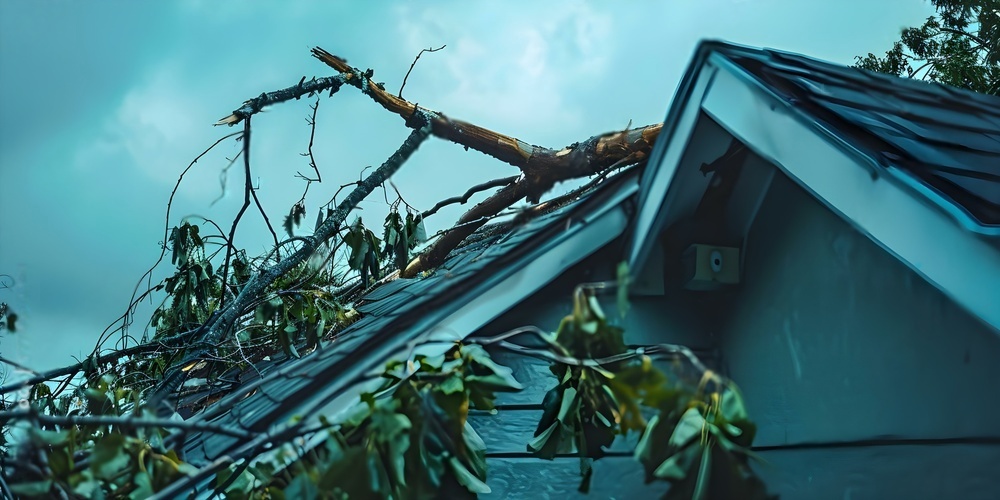
A major storm can damage your roof, siding, windows, gutters, or other parts of your home. After the storm, you may need to file a storm damage insurance claim to help pay for covered repairs.
The process can feel confusing, especially when you are dealing with property damage at the same time.
The good news is that you can make the process easier by following a few simple steps.
Here are five steps Maryland homeowners can take after storm damage.
1. Check Your Home and Document the Damage
Safety should come first.
Do not walk under damaged trees, near downed power lines, or around unstable structures. If your home is unsafe, wait for the proper professionals to inspect it.
Once it is safe, document the damage.
Take clear photos and videos of:
- Roof damage
- Missing or damaged shingles
- Siding damage
- Broken windows
- Damaged gutters
- Fences and decks
- Water damage inside the home
- Damaged ceilings, walls, or floors
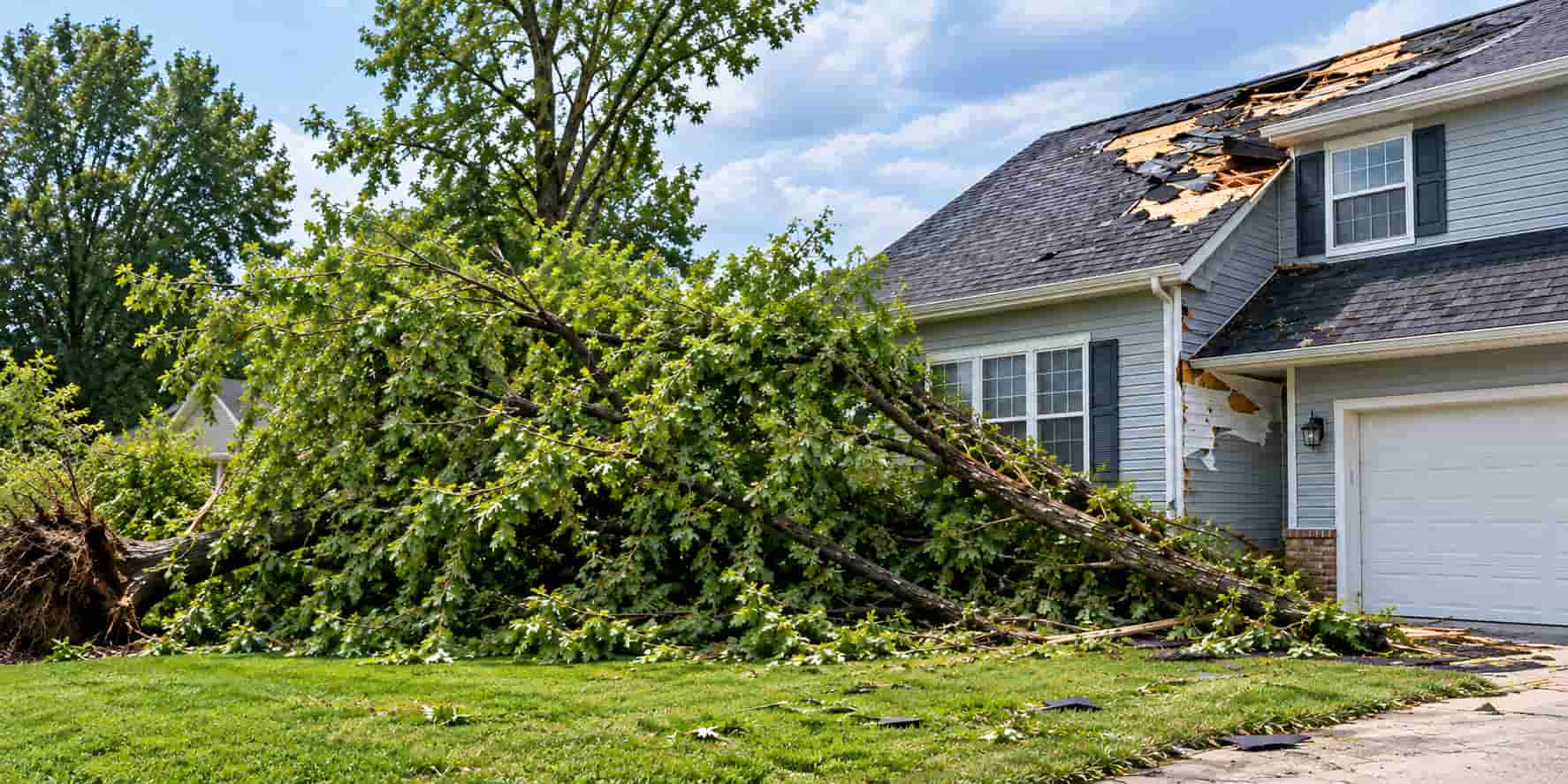
- Fallen trees or branches
Take photos from different angles. Wide photos can show the location of the damage, while close-up photos can show the details.
Keep copies of all photos and videos.
Keep Receipts for Temporary Repairs
You may need to make temporary repairs to protect your home from additional damage.
For example, you may need to:
- Cover a damaged roof with a tarp
- Board up a broken window
- Remove water from inside the home
- Take other temporary steps to prevent further damage
Keep receipts for these expenses and document the work you had done.
Avoid making permanent repairs before the damage has been properly documented and inspected.
2. Review Your Homeowners Insurance Policy
Before filing a storm damage insurance claim, review your policy.
Insurance coverage can vary from one policy to another. Your policy will explain what types of damage may be covered, along with deductibles, limits, and exclusions.
Pay attention to:
- Your deductible
- Roof coverage
- Wind and hail coverage
- Coverage limits
- Water damage coverage
- Exclusions
- Requirements for reporting damage
If you are not sure about something in your policy, contact your insurance company or insurance agent.
Do not assume that every type of storm damage is covered.
3. Report the Storm Damage to Your Insurance Company
Once you have documented the damage and reviewed your policy, contact your insurance company.
Tell them what happened and provide the information they request.
Your insurance company may ask for:
- The date of the storm
- A description of the damage
- Photos and videos
- Repair receipts
- Contractor estimates
- Other information about your property
Try to report the damage as soon as reasonably possible.
Insurance policies can have different reporting requirements and deadlines. Check your policy and follow your insurer’s instructions.
Keep a Record of Your Claim
Keep your insurance claim information in one place.
Write down:
- Claim number
- Date you reported the damage
- Adjuster’s name
- Phone numbers
- Emails
- Inspection dates
- Important conversations
- Documents you submitted
Keeping organized records can make the process easier to manage.
4. Have the Damage Professionally Inspected
An insurance adjuster will inspect the property as part of the claims process.
However, homeowners may also want to have the damage evaluated by a qualified contractor.
Storm damage is not always easy to see from the ground.
For example, a roof may look fine from your driveway but have:
- Lifted shingles
- Cracked shingles
- Damaged flashing
- Water intrusion
- Damage around vents
- Damaged roof decking
A professional inspection can help identify areas that need repair.
A contractor can also provide an estimate for the work needed to restore your home.
Why a Contractor’s Estimate Can Help
A detailed estimate can show:
- What needs to be repaired
- What materials are needed
- How much labor is required
- Which areas of the home were damaged
Keep the contractor’s estimate and other documentation with your insurance claim records.
5. Review the Claim and Complete the Repairs
After the insurance company evaluates your claim, review the information carefully.
Compare the approved work with the damage found during your inspections.
If you believe something important was missed, provide the supporting documentation to your insurance company and ask about the next steps.
Do not assume that every difference means your claim has been denied. Insurance claims can involve different estimates, coverage limits, deductibles, and policy terms.
Once the claim and repair plan are settled, arrange for the necessary work.
Choose a qualified, properly licensed and insured contractor for the repairs.
The goal is to restore your home safely and prevent additional damage.
Common Storm Damage Insurance Claim Mistakes
A few common mistakes can make the claims process more difficult.
Waiting Too Long
Do not ignore storm damage.
A small roof problem can allow water to enter your home and cause additional damage.
Not Taking Enough Photos
Take photos before cleanup or repairs whenever it is safe to do so.
Document both exterior and interior damage.
Throwing Away Damaged Materials Too Soon
Do not remove or discard damaged materials unless necessary for safety or emergency cleanup.
Your insurer may need to inspect the damage.
Making Permanent Repairs Too Early
Temporary repairs may be necessary to protect your property.
However, talk to your insurance company before making major permanent repairs when possible.
Ignoring Hidden Damage
Storm damage is not always visible.
Roof leaks, damaged flashing, wet insulation, and other problems may not be obvious immediately after a storm.
A professional inspection can help identify these issues.
What Storm Damage Can Affect Your Home?
Storms can damage more than just your roof.
Depending on the severity of the weather, you may find damage to:
- Roof shingles
- Flat roofing
- Siding
- Gutters
- Windows
- Doors
- Fences
- Decks
- Exterior walls
- Landscaping
- Interior ceilings and walls
The type of damage and whether it is covered will depend on your insurance policy and the cause of the damage.
Storm Damage in Maryland
Maryland homeowners can experience strong winds, heavy rain, hail, and other severe weather.
After a major storm, check your property when it is safe to do so.
Look for obvious signs of damage, such as missing shingles, broken siding, damaged gutters, fallen branches, or water inside the home.
If you see signs of damage, document them and contact your insurance company.
A professional inspection can also help determine whether your roof or other parts of your home need repairs.
What Should You Do After a Storm?
If you are not sure where to start, follow this simple checklist:
- Make sure your property is safe.
- Take photos and videos of the damage.
- Make necessary temporary repairs.
- Keep receipts and records.
- Review your insurance policy.
- Report the damage to your insurance company.
- Have the property professionally inspected.
- Keep your claim documents organized.
- Review the proposed repairs.
- Arrange for qualified repairs.
Following these steps can help you stay organized during the storm damage insurance claim process.
Frequently Asked Questions
What is a storm damage insurance claim?
A storm damage insurance claim is a request made to your insurance company for coverage of damage caused by a covered storm event.
The exact coverage depends on your homeowners insurance policy.
How do I file a storm damage insurance claim?
Start by making sure your property is safe. Then document the damage with photos and videos, review your policy, and contact your insurance company. Keep records of your claim and any temporary repair expenses.
How soon should I file a storm damage claim?
Contact your insurance company as soon as reasonably possible after discovering storm damage. Your policy may have specific reporting requirements or deadlines.
Should I repair my roof before filing a claim?
If your home needs emergency protection, temporary repairs may be necessary to prevent additional damage.
For major permanent repairs, contact your insurance company first when possible and document the damage before work begins.
Can a contractor inspect storm damage?
Yes. A qualified contractor can inspect your home and provide an estimate for necessary repairs.
A contractor’s inspection can be useful because some storm damage, especially roof damage, may not be obvious from the ground.
Does homeowners insurance cover all storm damage?
No. Coverage depends on your specific policy, the cause of the damage, deductibles, exclusions, and other policy terms.
Review your policy or speak with your insurance company to understand your coverage.
What should I do if my roof leaks after a storm?
Take steps to protect your home from additional damage if it is safe to do so. Document the leak and any interior damage, contact your insurance company, and arrange for a professional roof inspection.
Final Thoughts
Filing a storm damage insurance claim does not have to be confusing.
Start with safety. Document the damage carefully. Review your policy and report the damage to your insurance company. Then have the property professionally inspected before moving forward with major repairs.
Good documentation and an organized process can make it easier to understand what needs to be repaired and what information your insurance company needs.
If your Maryland home has roof, siding, gutter, or other exterior damage after a storm, USA Builders and Developers can inspect the affected areas and provide repair estimates.
Call 443-551-0006 to discuss your storm damage repair needs.
Severe st
Have Questions? Call Us Now!
We’re here to help—quick answers, friendly service, anytime you need!