A commercial roof inspection can help you find roofing problems before they become expensive repairs.
Your commercial roof protects your building, equipment, employees, tenants, and daily operations. When a small leak or damaged seam is ignored, the problem can spread quickly.
Water may reach insulation, ceilings, electrical systems, and interior walls. In severe cases, it can also cause structural damage. Regular inspections help you find these problems early.
This guide explains what a commercial roof inspection includes, how often you need one, what inspectors look for, common roof problems, and how inspections can save you money.
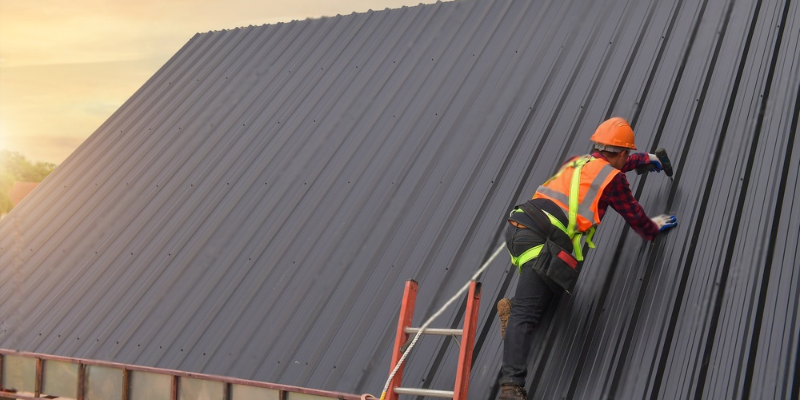
What Is a Commercial Roof Inspection?
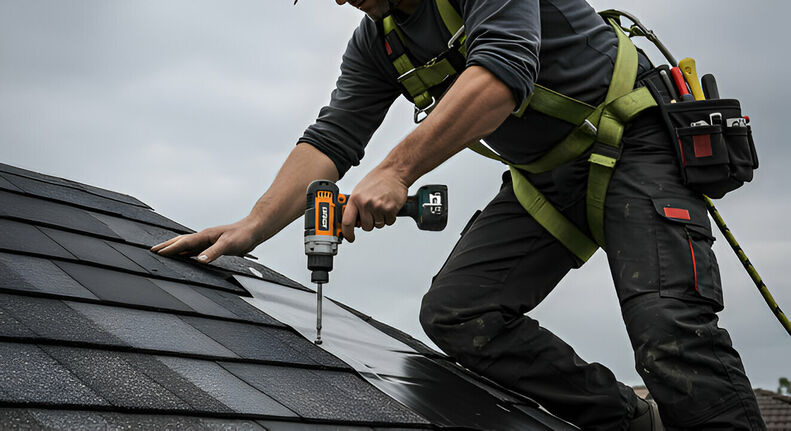
A commercial roof inspection is a detailed check of your roofing system.
A professional roofing contractor examines the roof surface, drainage, flashing, seams, roof edges, and other important areas.
The goal is simple:
- Find damage
- Detect possible leaks
- Check drainage
- Find weak areas
- Assess the roof condition
- Recommend needed repairs
- Help plan future maintenance
Commercial roofs can use different materials. Common systems include:
- TPO
- EPDM
- PVC
- Modified bitumen
- Built-up roofing
- Metal roofing
Each system has different inspection needs.
That is why a professional should understand the specific roofing material installed on your building.
Why Is a Commercial Roof Inspection Important?
Small roofing problems can become expensive when they are ignored.
For example, a small membrane puncture may allow water to enter the roof system. You may not notice the leak inside the building right away.
Over time, moisture can damage insulation and other building materials.
Regular inspections can help you:
- Find leaks early
- Reduce repair costs
- Prevent water damage
- Protect your building
- Extend roof life
- Reduce unexpected repairs
- Protect stored equipment
- Maintain a safer property
For commercial property owners, prevention is usually less expensive than emergency repairs.
How Often Should You Inspect a Commercial Roof?
Most commercial properties should have their roof inspected at least twice a year.
Spring and fall are good times for routine inspections.
You should also schedule an inspection after a major storm.
An additional inspection may be useful when:
- You notice a roof leak.
- Water remains on the roof after rain.
- The building has experienced storm damage.
- You are buying or selling the property.
- The roof warranty is nearing its end.
- The roof is getting close to the end of its expected life.
Maryland properties can experience rain, snow, strong winds, and changing temperatures. These conditions can put stress on commercial roofing systems.
Regular inspections can help identify weather-related damage early.
What Does a Commercial Roof Inspection Include?
A proper inspection involves more than simply looking at the roof from the ground.
A roofing professional normally checks several areas.
1. Roof Surface
The inspector checks the membrane or roofing material for visible damage.
They may look for:
- Punctures
- Tears
- Cracks
- Blisters
- Open seams
- Surface wear
- Shrinkage
- Loose materials
These problems can reduce the roof ability to keep water out.
2. Roof Seams
Many commercial roofing systems depend on strong seams.
A damaged or separated seam can allow water to enter the roofing system.
Inspectors check seams for gaps, weak bonding, or other signs of failure.
3. Flashing
Flashing is commonly found around roof edges, walls, vents, skylights, and other openings.
Damaged flashing is a common source of roof leaks.
The inspector checks whether flashing is secure and properly sealed.
4. Drainage System
Flat and low-slope roofs need proper drainage.
Inspectors check:
- Roof drains
- Scuppers
- Gutters
- Downspouts
- Drainage paths
Blocked drains can cause water to collect on the roof.
5. Roof Edges
Roof edges can experience wind and weather damage.
The inspector checks edge metal, coping, parapet walls, and other perimeter details.
6. Interior Areas
A roof inspection may also include areas inside the building.
Inspectors may look for:
- Ceiling stains
- Damp spots
- Peeling paint
- Mold growth
- Water marks
- Signs of active leaks
Interior signs can help locate hidden roof problems.
Common Problems Found During Roof Inspections
A commercial roof inspection can reveal many different problems.
Some are minor. Others require immediate attention.
| Problem | Possible Cause | Risk |
|---|---|---|
| Ponding water | Poor drainage | Leaks and membrane damage |
| Open seams | Aging or installation issues | Water intrusion |
| Roof punctures | Foot traffic or debris | Leaks |
| Damaged flashing | Weather or aging | Edge leaks |
| Cracked membrane | Aging or weather | Moisture entry |
| Blocked drains | Leaves and debris | Standing water |
| Roof blisters | Trapped air or moisture | Membrane failure |
| Loose materials | Wind or aging | Further roof damage |
Finding these problems early can make repairs simpler and less expensive.
Signs You Need a Commercial Roof Inspection
You do not always need to wait for a major leak.
Several warning signs can indicate that your roof needs attention.
Look for:
- Water stains on ceilings
- Damp areas inside the building
- Standing water after rain
- Damaged roof materials
- Loose flashing
- Cracked seams
- Unusual odors
- Mold or mildew
- Sagging areas
- Higher heating or cooling costs
If you notice one or more of these signs, schedule a professional inspection.
Commercial Roof Inspection Methods
The inspection method depends on the roof and the problem being investigated.
Visual Inspection
This is the most common method.
The contractor checks the visible condition of the roof and documents areas that need attention.
Moisture Detection
Special equipment can help locate moisture trapped below the roofing membrane.
This can be useful when there are no obvious interior leaks.
Infrared Inspection
Infrared technology can help identify temperature differences associated with trapped moisture.
It can be especially useful for large commercial roofs.
Core Sampling
In some cases, a small section of the roofing system may be examined.
This can provide information about the condition of insulation and moisture below the surface.
Drone Inspection
Drones can help inspect large or difficult-to-access roofs.
They can provide aerial images while reducing the need for workers to access certain areas.
Not every roof needs every inspection method.
A professional can recommend the right approach based on the roof condition.
How Much Does a Commercial Roof Inspection Cost?
The cost of a commercial roof inspection depends on several factors.
These may include:
- Roof size
- Roof height
- Roof design
- Roofing material
- Accessibility
- Inspection method
- Property location
- Condition of the roof
A basic visual inspection generally costs less than an inspection using specialized equipment.
For this reason, it is better to request a detailed estimate instead of relying on one general price.
The cost of an inspection is usually small compared with the cost of major water damage or premature roof replacement.
How a Roof Inspection Can Save Money
A professional inspection is not simply another maintenance expense.
It can help you control long-term roofing costs.
For example, repairing a small damaged seam may be much cheaper than replacing a large section of a roofing system after months of water intrusion.
Regular inspections can help you:
- Catch small problems early
- Plan repairs in advance
- Reduce emergency service calls
- Avoid unnecessary replacement
- Protect insulation
- Extend roof service life
This makes regular inspection an important part of commercial property maintenance.
What Happens After the Inspection?
A professional roofing contractor should explain the condition of your roof after the inspection.
Depending on what they find, they may recommend:
No Immediate Repairs
If the roof is in good condition, continued maintenance may be enough.
Minor Repairs
Small issues such as damaged flashing, open seams, or minor punctures may be repaired before they become larger problems.
Preventive Maintenance
The contractor may recommend cleaning drains, sealing certain areas, or making other maintenance improvements.
Roof Replacement Planning
If the roof is badly deteriorated, replacement may be more practical than repeated repairs.
A good inspection helps you make this decision based on the actual condition of the roof.
Tips for Maintaining a Commercial Roof
Regular maintenance can help your roof perform better for longer.
Follow these simple tips:
- Keep drains clear. Remove leaves, dirt, and debris from drainage areas.
- Inspect after storms. Look for loose materials and visible damage.
- Limit unnecessary foot traffic. Walking on some roofing systems can cause damage.
- Repair leaks quickly. Do not wait for a small leak to become a major problem.
- Check rooftop equipment. HVAC units and other equipment can affect nearby roofing materials.
- Keep records. Save inspection reports, repair invoices, and maintenance information.
- Schedule regular inspections. Professional inspections can identify problems that are easy to miss.
Commercial Roof Inspection in Maryland
Maryland commercial properties face changing weather throughout the year.
Heavy rain, snow, wind, humidity, and temperature changes can all affect roofing materials.
That makes regular commercial roof inspection especially useful for local property owners.
USA Builders and Developers provides professional roofing services for commercial properties in Maryland.
A professional roofing team can inspect the condition of your roof, identify problem areas, and recommend practical repair or maintenance solutions.
If your commercial property has not been inspected recently, scheduling an inspection can help you stay ahead of expensive roofing problems.
Commercial Roof Inspection vs Roof Replacement
An inspection does not automatically mean you need a new roof.
The purpose of an inspection is to understand the current condition of the roofing system.
| Inspection | Replacement |
|---|---|
| Checks roof condition | Installs a new roofing system |
| Finds existing problems | Removes or covers an old system |
| Helps plan repairs | Provides long-term roof protection |
| Usually takes less time | Requires a larger project |
| Supports preventive maintenance | Needed when the existing roof is beyond practical repair |
A professional inspection can help determine which option makes sense for your property.
Frequently Asked Questions
How often should a commercial roof be inspected?
A commercial roof should generally be inspected twice a year. An additional inspection is recommended after severe weather or when signs of damage appear.
What does a commercial roof inspection check?
It checks the roof surface, seams, flashing, drainage, roof edges, penetrations, and visible signs of moisture or structural problems.
How long does a commercial roof inspection take?
The time depends on the size and complexity of the roof. A small commercial building may take less time than a large warehouse or industrial facility.
Is a commercial roof inspection worth the cost?
Yes. An inspection can find small problems before they develop into expensive leaks, water damage, or major roof repairs.
Can an inspection tell me if I need a new commercial roof?
An inspection can help determine whether repair, maintenance, or replacement is the better option. The decision depends on the roof age, damage, material, and overall condition.
Final Thoughts
A commercial roof inspection is one of the simplest ways to stay ahead of roofing problems. Small issues can become expensive when they are ignored. Regular inspections help property owners find leaks, damaged seams, drainage problems, and other issues before they cause major damage.
For Maryland commercial properties, routine inspections are especially useful because roofs face changing weather throughout the year.
If you manage an office, warehouse, retail property, apartment building, or other commercial facility, do not wait for a major leak before checking your roof.
Schedule a professional commercial roof inspection and find problems early.
Have Questions? Call Us Now!
We’re here to help—quick answers, friendly service, anytime you need!