A vapor barrier basement crawl space system can help reduce moisture that moves through soil, concrete, and foundation materials. But the right solution depends on whether you are dealing with a basement, crawl space, dirt floor, concrete floor, or active water problem.
Moisture can enter these areas in several ways. Water may come through the soil, foundation walls, plumbing leaks, poor drainage, condensation, or humid outdoor air. A vapor barrier mainly controls moisture vapor. It does not replace drainage or waterproofing when liquid water is entering the space.
This guide explains how vapor barriers work, where they belong, which materials are commonly used, and when you may need more than a moisture barrier.
What Is a Vapor Barrier?
A vapor barrier is a material designed to slow the movement of water vapor through a building assembly. In residential construction, the term vapor retarder is also commonly used. The difference is based on how much water vapor can pass through the material. Some materials block vapor very strongly, while others only slow its movement.
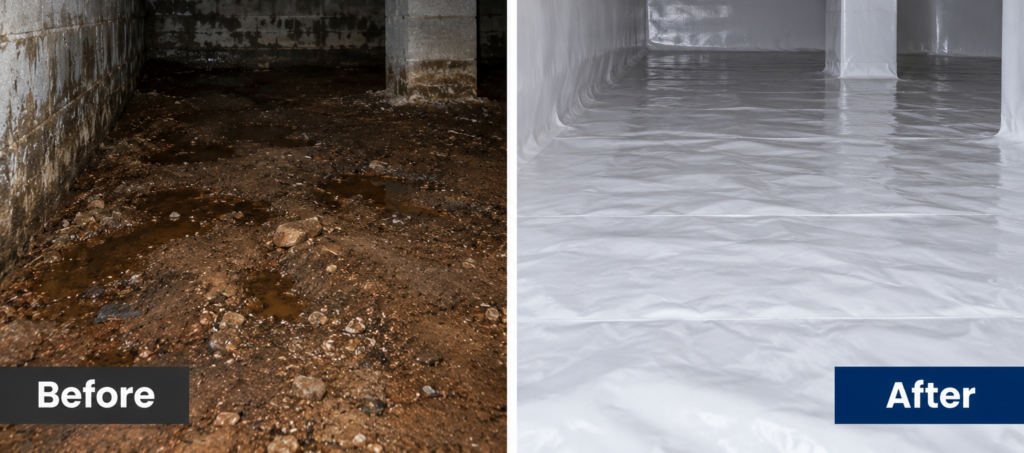
A vapor barrier basement crawl space system is often placed over exposed soil. This helps reduce moisture coming from the ground and entering the space as water vapor. A properly installed ground cover can also help reduce the movement of soil gases into the home.
Basements require a different approach because they often have concrete floors and foundation walls. A vapor-control material may be part of the overall moisture-control system, but its location and type should match the wall and floor assembly.
Why Do vapor barrier basement crawl space Get Damp?
Before installing any barrier, it is important to identify where the moisture is coming from.
Common sources include:
- Moisture rising from soil
- Water passing through foundation walls
- Groundwater
- Plumbing leaks
- Poor exterior drainage
- Condensation
- Humid outdoor air
- Leaking windows or doors
- Poorly directed downspouts
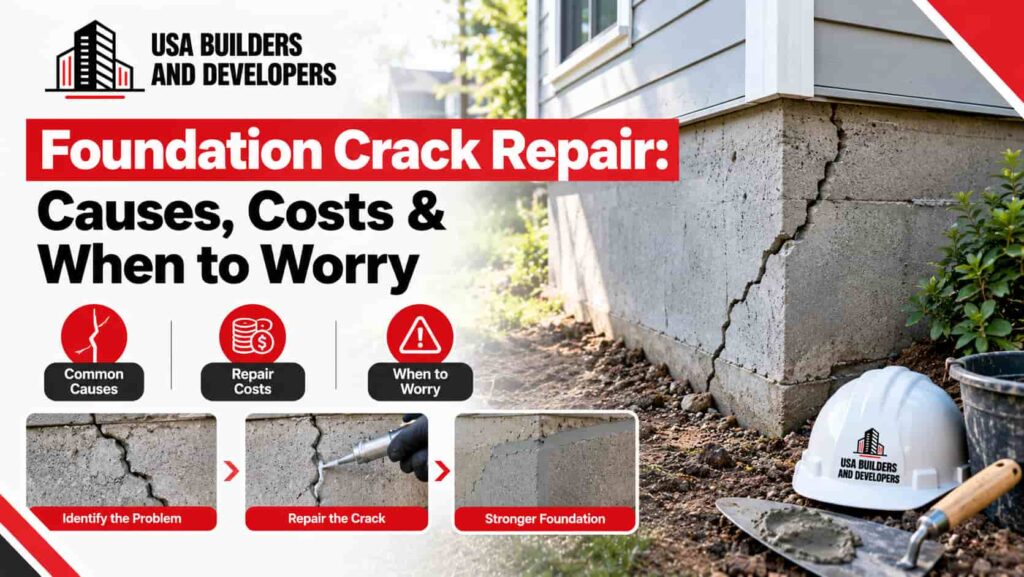
- Cracks and openings in the foundation
- Water collecting around the home
These problems do not all require the same solution. For example, a dirt-floor crawl space may mainly need a sealed ground vapor barrier. A basement with water coming through a foundation wall may need exterior or interior waterproofing and drainage. This distinction is important because covering a wet surface does not automatically remove the source of the water.
vapor barrier basement crawl space system
Crawl spaces are one of the most common areas where a ground vapor barrier is useful. Bare soil naturally releases moisture into the space. During warm or humid weather, this can increase humidity and contribute to condensation on cooler surfaces.
A continuous ground cover helps separate the crawl space from the damp soil below it. For an effective installation, the material should cover the ground with as few openings as possible. Seams, edges, piers, and pipe penetrations should be handled carefully so moisture cannot easily move around the barrier.
Building guidance commonly recommends polyethylene ground covers for crawl spaces, with seams overlapped and sealed and the material extended up foundation walls or piers.
Does a Crawl Space Need a Vapor Barrier?
A crawl space with exposed soil can benefit greatly from a ground vapor barrier. This is especially important when the space has:
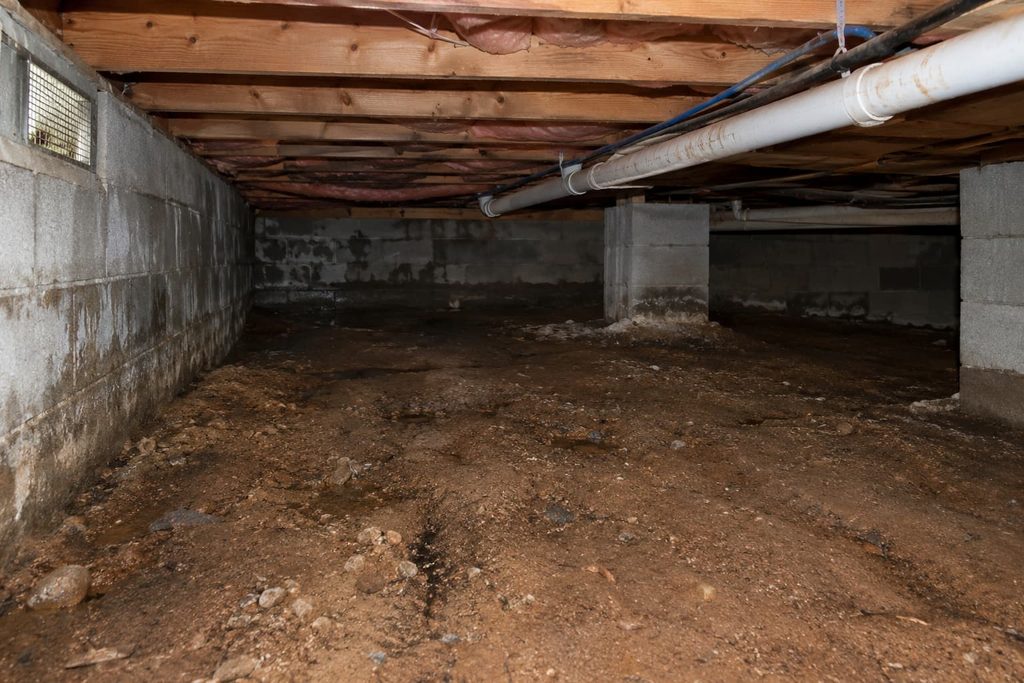
- Damp soil
- Musty odors
- High humidity
- Condensation
- Mold growth
- Wet insulation
- Moisture-related wood damage
A vapor barrier can reduce moisture entering from the ground, but it should not be viewed as a complete waterproofing system. If rainwater, groundwater, or plumbing leaks are causing standing water, those problems need to be corrected separately.
Vapor Barrier for Basement
Basements are more complicated than crawl spaces because they can contain finished walls, concrete floors, insulation, and other building materials. A basement vapor-control strategy should consider the entire wall and floor assembly.
The location of a vapor retarder matters. A material that is highly resistant to vapor can sometimes trap moisture inside a wall assembly if it is installed in the wrong location. Building Science Education notes that basement assemblies should be designed so moisture does not become trapped inside the wall. This means homeowners should not automatically cover every basement wall with plastic sheeting.
The right approach depends on:
- Climate
- Foundation type
- Wall construction
- Insulation
- Interior finishes
- Exterior moisture conditions
- Local building requirements
If your basement has active water intrusion, solving the water problem should come before simply adding a vapor-control material.
What Is the Best Material for a Crawl Space Vapor Barrier?
Polyethylene sheeting is commonly used for crawl space ground barriers. The thickness and installation requirements can vary depending on the project, local requirements, and the type of crawl space. A durable material should be selected when the crawl space is likely to experience foot traffic, maintenance work, or contact with sharp surfaces.
Important features can include:
- Good puncture resistance
- Proper thickness
- Reliable seam sealing
- Secure wall attachment
- Compatibility with the foundation
- Resistance to moisture
- Proper detailing around penetrations
The goal is not simply to spread plastic over the ground. The goal is to create a continuous moisture-control layer.
How Is a Crawl Space Vapor Barrier Installed?
A professional installation generally starts with an inspection.
Step 1: Inspect the Crawl Space
The contractor checks the soil, foundation walls, piers, insulation, plumbing, wiring, and existing moisture problems. Any active leaks should be addressed before the barrier is installed.
Step 2: Remove Debris
Loose debris, sharp objects, damaged insulation, and other materials that could damage the membrane should be removed. The ground should provide a reasonably stable surface for the barrier.
Step 3: Address Standing Water
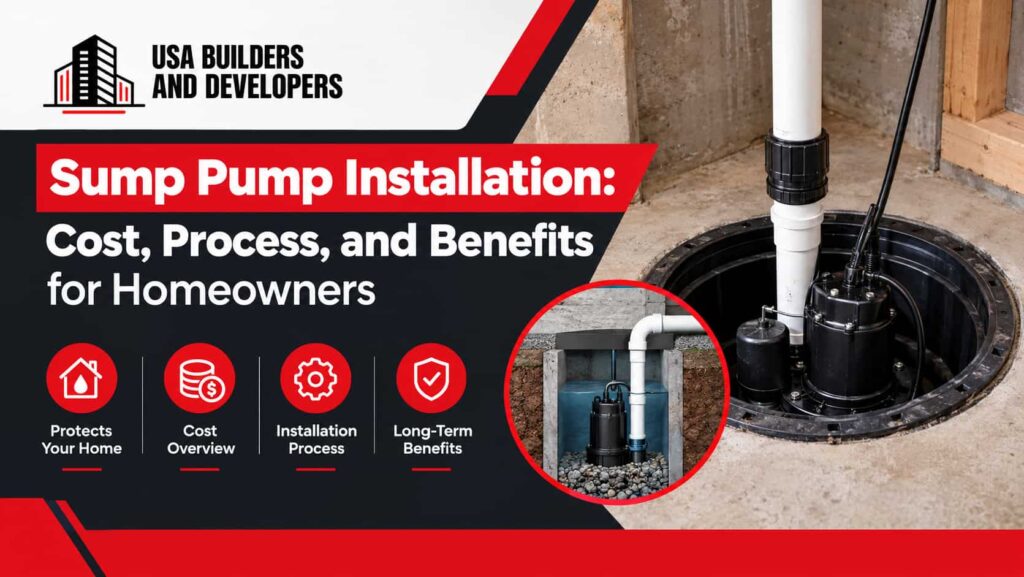
If water regularly collects inside the crawl space, a vapor barrier alone is not enough. Depending on the situation, drainage improvements or a sump pump may be necessary. Building guidance recommends addressing drainage when a crawl space has a history of flooding or water leakage.
Step 4: Lay the Barrier
The membrane is placed across the crawl space floor. It should cover the soil as completely as practical.
Step 5: Seal Seams
Where pieces meet, the seams should overlap and be properly sealed. Open or poorly sealed seams can allow moisture to move between sections.
Step 6: Seal Around Penetrations
Pipes, posts, supports, and other penetrations need careful detailing. These small areas can become weak points if they are left open.
Step 7: Secure the Edges
The barrier can be extended up foundation walls and secured according to the installation system. This helps create a more continuous moisture-control layer.
Vapor Barrier vs. Crawl Space Encapsulation
These terms are related, but they do not always mean the same thing. A vapor barrier usually refers to a moisture-control membrane installed over the ground and, depending on the system, other surfaces.
Crawl space encapsulation is a broader moisture-control approach. It can include a sealed ground membrane along with sealed walls, closed vents, drainage, insulation, air sealing, and humidity control. Encapsulation is therefore more comprehensive than simply placing a membrane over the soil.
An encapsulated crawl space may also require mechanical moisture control, such as a dehumidifier, when conditions make it necessary.
Which One Does Your Vapor Barrier Basement Crawl Space Need?
A basic ground barrier may be suitable when the main issue is moisture coming through exposed soil. A more complete encapsulation may make sense when the crawl space has:
- Persistent high humidity
- Condensation
- Repeated moisture problems
- Damp insulation
- Poorly controlled air movement
- Mold concerns
- Water entering from multiple sources
The correct solution depends on the condition of the space rather than simply choosing the most expensive option.
Vapor Barrier vs. Waterproofing
A vapor barrier and waterproofing system perform different jobs. A vapor barrier primarily slows or blocks water vapor. Waterproofing and drainage systems are designed to manage liquid water.
For example, if groundwater is pushing through a basement wall, adding a vapor-control layer may not solve the problem. The water may need to be redirected through:
- Exterior drainage
- Interior drainage
- A sump pump
- Foundation waterproofing
- Proper grading
- Downspout extensions
- Crack repair
- Other water-management measures
Think of moisture control as a complete system rather than one product.
Does a Vapor Barrier Stop Mold?
A vapor barrier basement crawl space system can help reduce one source of moisture that supports mold growth, but it does not guarantee a mold-free space. Mold needs moisture and suitable conditions to grow. If a crawl space has a wet foundation, plumbing leak, condensation, or standing water, installing a ground barrier alone may leave the main problem untreated.
A good moisture-control plan should address the actual source. Reducing ground moisture can still be an important step because damp vapor barrier basement crawl space can contribute to condensation and moisture-related damage to wood components.
Signs You May Need a Vapor Barrier
Look for signs that moisture is entering from the ground or that the crawl space has excessive humidity. Common warning signs include:
Musty Odors
A persistent earthy or musty smell can indicate excess moisture.
Damp Soil
If the crawl space floor remains damp, water vapor may be entering from the ground.
Condensation
Moisture collecting on pipes, ducts, insulation, or framing can indicate high humidity.
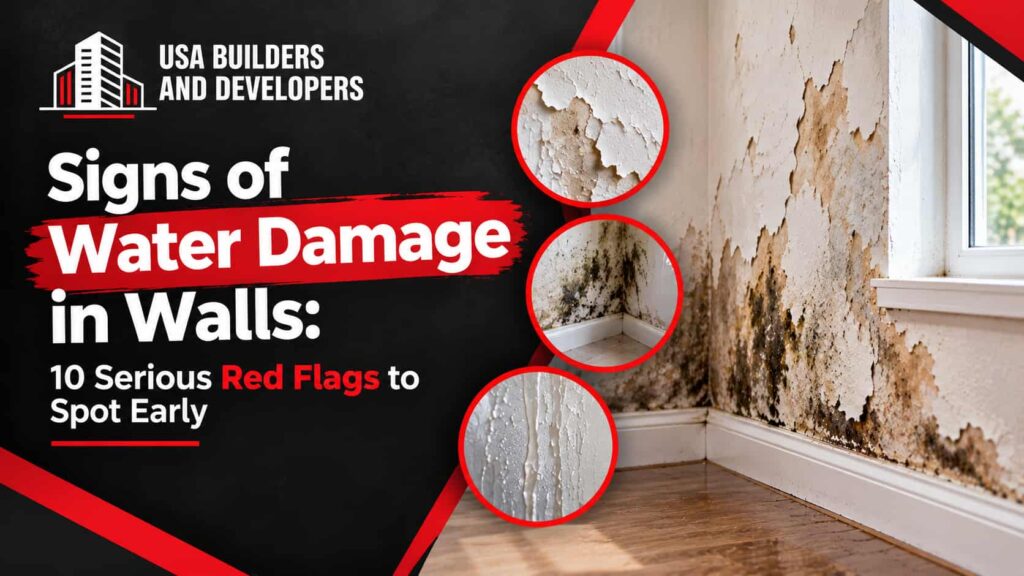
Mold or Mildew
Visible growth should be investigated rather than simply covered.
Wet Insulation
Insulation that has absorbed moisture may lose performance and can become difficult to dry.
Wood Damage
Dark staining, soft wood, or deterioration around floor joists can indicate a long-term moisture problem.
High Humidity
A consistently humid crawl space deserves further investigation even when there is no standing water.
Common Vapor Barrier Mistakes
A barrier can perform poorly when installation details are ignored.
Covering an Active Water Problem
If water is entering through a foundation or plumbing system, placing a membrane over the ground does not fix the source.
Leaving Large Gaps
Gaps around walls, piers, pipes, or other penetrations can reduce the effectiveness of the system.
Poorly Sealed Seams
Overlapping material without properly sealing the seams can allow moisture to move between sections.
Installing Over Sharp Debris
Rocks, broken materials, and construction debris can puncture the membrane.
Ignoring Drainage
A vapor barrier should not be used as a substitute for drainage when liquid water is entering the space.
Using the Wrong Basement Wall Assembly
Basement walls must be treated differently from a simple dirt-floor crawl space. A highly vapor-resistant material in the wrong location can trap moisture inside a wall assembly.
Can You Install a Vapor Barrier Yourself?
A simple crawl space ground cover may look like an easy DIY project, but the difficult part is often identifying the moisture source and creating a durable installation.
Crawl spaces can contain:
- Low clearances
- Sharp debris
- Mold
- Pests
- Electrical wiring
- Plumbing
- Structural components
- Difficult-to-reach areas
A professional can also determine whether you need a vapor barrier, basement crawl space, ground barrier, drainage, waterproofing, insulation, encapsulation, or a combination of systems. For basement applications, professional evaluation is even more important because wall construction and insulation can affect where vapor-control materials should be installed.
How Long Does a vapor barrier basement crawl space Last?
The service life depends on the material, installation quality, exposure, and amount of traffic in the crawl space. A membrane that is frequently walked on or exposed to sharp objects is more likely to become damaged than one that is properly protected.
Regular inspections can help identify:
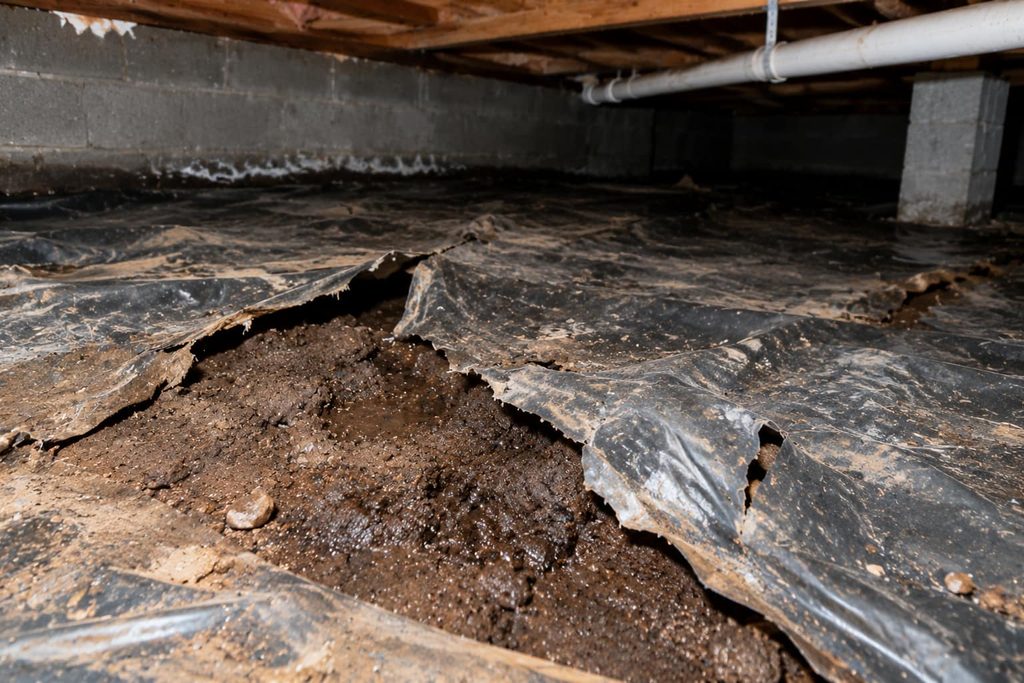
- Tears
- Loose edges
- Open seams
- Damaged sections
- New moisture
- Standing water
- Failed seals
Repairs should be made when damage is discovered.
vapor barrier basement crawl space should be covered?
It can, depending on the moisture-control system. A basic ground barrier is normally focused on the soil. A more comprehensive crawl space encapsulation system can extend the membrane onto foundation walls.
The design should account for drainage, insulation, termite inspection requirements, fire safety, and local building requirements. Building guidance for closed crawl spaces includes covering the floor and foundation walls with a vapor-retarding material as part of a larger system.
Do You Need a Dehumidifier With Encapsulation?
Not every vapor barrier basement crawl space needs the same equipment. Once a crawl space is sealed, humidity still needs to be controlled. Depending on the home’s design and local climate, this may involve a dehumidifier or another approved approach.
The goal is to maintain appropriate humidity rather than simply sealing the space and assuming the problem is solved. A professional can evaluate the size of the space, ventilation, HVAC conditions, and moisture levels before recommending equipment.
When Should You Call a Professional?
Professional help is recommended for a vapor barrier basement crawl space when moisture is persistent or when the source is unclear. Consider an inspection if you notice:
- Standing water
- Repeated flooding
- Foundation leaks
- Mold growth
- Rotten wood
- Wet insulation
- Strong musty odors
- Persistent condensation
- Damaged vapor barriers
- High crawl space humidity
A contractor can inspect the area and determine whether the problem is caused by ground moisture, drainage, condensation, or water intrusion. This helps prevent spending money on a barrier that does not address the real issue.
How USA Builders and Developers Can Help
A dry basement or crawl space requires more than covering the floor with a sheet of plastic. At USA Builders and Developers, we help property owners address moisture problems as part of a complete waterproofing approach.
Our waterproofing services include:
- Basement waterproofing
- Foundation waterproofing
- Exterior waterproofing
- Wall waterproofing
- Roof waterproofing
- Crawl space moisture-control solutions
If your crawl space has exposed soil, moisture, condensation, or other signs of water problems, we can evaluate the condition and recommend a practical vapor barrier basement crawl space solution. Depending on the property, the work may involve a vapor barrier, drainage system, sump pump, waterproofing, or other moisture-control measures.
The right solution starts with finding the source of the moisture.
Frequently Asked Questions
What is the purpose of a vapor barrier basement crawl space system?
Its main purpose is to reduce moisture vapor coming from the soil. A properly installed ground barrier can help keep the crawl space drier and reduce conditions that support moisture-related problems.
Is a vapor barrier necessary in a crawl space?
A crawl space with exposed soil can benefit from a ground vapor barrier. The need and installation method depend on the foundation, moisture conditions, local requirements, and overall crawl space design.
Is a vapor barrier the same as encapsulation?
No. A vapor barrier is one component of moisture control. Encapsulation is a broader system that may include wall sealing, ground coverage, air sealing, drainage, insulation, and humidity control.
Can a vapor barrier basement crawl space system stop basement leaks?
Not by itself. If liquid water is entering through a foundation wall, floor, crack, or plumbing system, the source of that water needs to be addressed.
What thickness should a crawl space vapor barrier be?
The appropriate thickness depends on the material, application, local requirements, and installation conditions. Common building guidance for crawl space ground covers includes polyethylene sheeting, but the exact product should be selected for the project.
Can a vapor barrier basement crawl space system cause moisture problems?
Yes, if it is installed incorrectly. In basement wall assemblies, a highly vapor-resistant material in the wrong location can trap moisture. The complete wall design should be considered before installation.
Does a vapor barrier basement crawl space system prevent water vapor from soil?
Yes. A properly installed ground membrane can significantly reduce the movement of moisture vapor from soil into a crawl space.
Should I install a vapor barrier basement crawl space system before fixing water leaks?
No. Active plumbing leaks, foundation leaks, drainage problems, and standing water should be addressed first. A membrane should be part of a complete moisture-control plan.
Final Thoughts
A vapor barrier basement crawl space solution can be an important part of controlling moisture, but the correct approach depends on where the moisture is coming from.
For crawl spaces with exposed soil, a properly installed ground barrier can reduce moisture entering from below. Basements require more careful planning because foundation walls, concrete floors, insulation, and interior finishes all affect moisture movement.
The most important step is to identify the source before choosing a product. If the problem is ground vapor, a suitable vapor-control layer may help. If the problem is groundwater, foundation seepage, condensation, or plumbing leaks, additional work may be necessary.
A professional moisture assessment can help you choose the right combination of vapor barrier, waterproofing, drainage, sump pump, insulation service & guide, or crawl space encapsulation for your property.
Need Help with Your Next Project? Call USA Builders Today!
We’re here to help—quick answers, friendly service, anytime you need!