Small cracks in your foundation may seem harmless, but they can quickly become serious if left untreated. What starts as a minor crack can lead to water intrusion, mold growth, and structural damage that is much more expensive to repair.
While some foundation cracks are caused by normal settling, others may result from soil movement, hydrostatic pressure, poor drainage, or foundation shifting. Identifying the cause early is the key to preventing further damage and protecting your home’s structural integrity.
Foundation Crack Repair helps seal, stabilize, and strengthen damaged foundations before problems worsen. In this guide, you’ll learn the common causes of foundation cracks, warning signs to watch for, repair methods, and estimated costs to help you make informed decisions.
What Is Foundation Crack Repair?
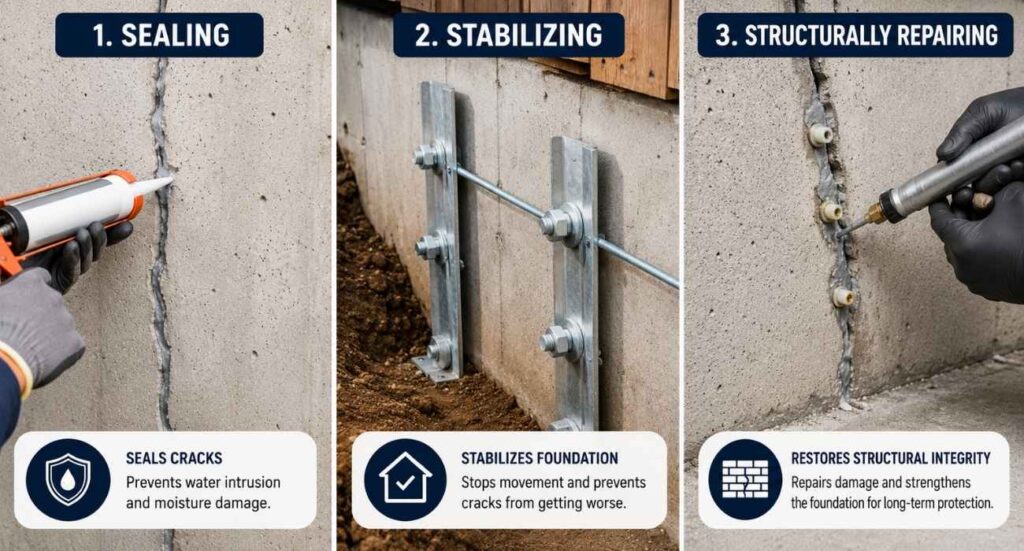
Foundation Crack Repair is the process of sealing, stabilizing, or structurally repairing cracks that develop in a home’s foundation to prevent water intrusion and structural damage.
Foundations support the entire weight of a home. When cracks develop, they can weaken structural integrity, allow moisture to enter, and create long-term problems if left untreated.
Professional Foundation Crack Repair may involve:
- Epoxy injection
- Polyurethane injection
- Carbon fiber reinforcement
- Wall anchors
- Foundation stabilization
- Waterproofing systems
The correct repair method depends on the type, size, and cause of the crack.
Are Foundation Cracks Normal or a Serious Problem?
Not all foundation cracks are dangerous. Some are a normal result of concrete curing and settling. Others may indicate significant structural movement.
The key is identifying which cracks require immediate attention.
| Crack Type | Severity | Repair Needed |
|---|---|---|
| Hairline Crack | Low | Sometimes |
| Vertical Crack | Moderate | Often |
| Diagonal Crack | Moderate | Usually |
| Stair-Step Crack | High | Yes |
| Horizontal Crack | Very High | Immediate |
Cosmetic Cracks
Hairline cracks are common in concrete foundations. These small cracks often occur during the curing process and may not affect structural stability.
Structural Cracks
Structural cracks are larger, wider, and often indicate movement within the foundation. These cracks typically require professional Foundation Crack Repair to prevent further deterioration.
What Causes Foundation Cracks?
Understanding the root cause is essential before performing any Foundation Crack Repair. Simply sealing a crack without addressing the underlying issue may result in the crack returning.
Soil Settlement
One of the most common causes of foundation cracking is soil settlement.
Over time, the soil beneath a home can shift, compress, or wash away. As the foundation settles unevenly, stress develops within the concrete, leading to cracks.
Signs of settlement-related cracking include:
- Vertical cracks
- Diagonal cracks
- Uneven floors
- Sticking doors and windows
Hydrostatic Pressure
Hydrostatic pressure occurs when groundwater builds up around the foundation.
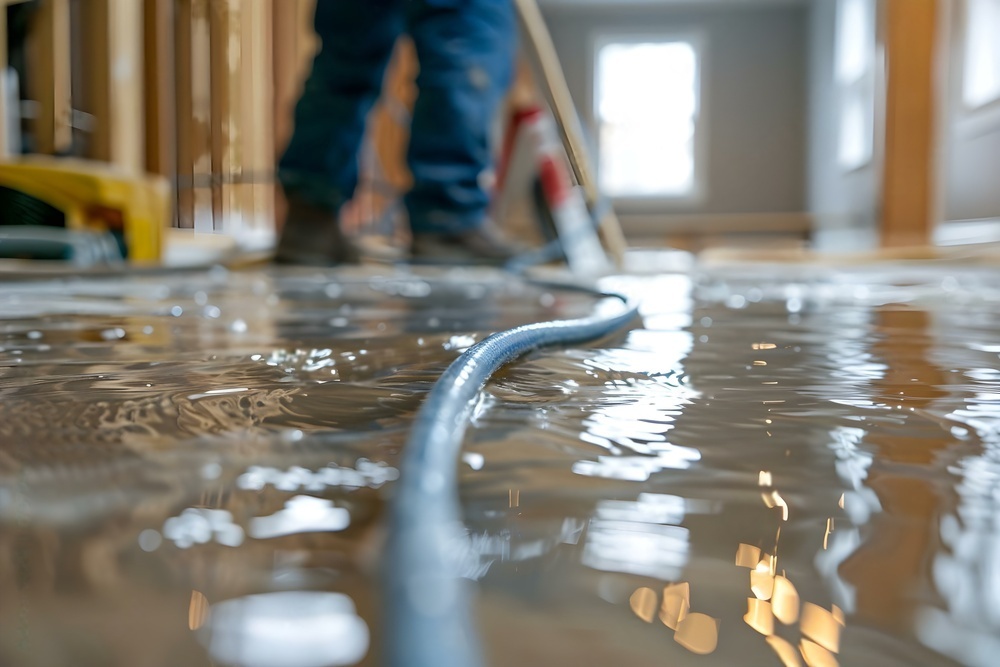
After heavy rain or snowmelt, saturated soil pushes against basement walls. This pressure can eventually cause walls to crack or bow inward.
Common signs include:
- Horizontal cracks
- Water seepage
- Damp basement walls
- Bowing foundation walls
Many homeowners require Foundation Crack Repair because of ongoing hydrostatic pressure issues.
Poor Drainage
Improper drainage can significantly increase foundation stress.
Common drainage problems include:
- Clogged gutters
- Short downspouts
- Poor yard grading
- Standing water near the foundation
When water repeatedly accumulates around a home, soil expansion and contraction can contribute to foundation movement.
Expansive Soil
Certain soil types absorb large amounts of moisture.
When wet, the soil expands. During dry periods, it contracts. This constant movement places stress on the foundation and often leads to cracking.
Expansive clay soils are especially problematic in many regions of the United States.
Freeze-Thaw Cycles
In colder climates, repeated freezing and thawing can damage foundations.
Water enters small cracks, freezes, expands, and gradually widens the opening. Over time, these cycles can turn minor cracks into major structural concerns.
Tree Roots
Large trees located near a home can contribute to foundation movement.
Roots absorb significant amounts of moisture from the soil, causing uneven soil shrinkage beneath the foundation.
This can create settlement issues and increase the need for Foundation Crack Repair.
Construction Defects
Sometimes foundation cracks develop because of mistakes made during construction.
Examples include:
- Poor concrete mix
- Inadequate reinforcement
- Improper curing
- Weak soil preparation
These issues may not become visible until years after construction is completed.
Foundation Crack Repair Warning Signs: When to Worry
Many homeowners wonder when a foundation crack becomes a serious problem.
You should be concerned when cracks continue growing, allow water infiltration, or appear alongside other signs of structural movement.
Cracks Wider Than 1/4 Inch
Small hairline cracks are usually less concerning.
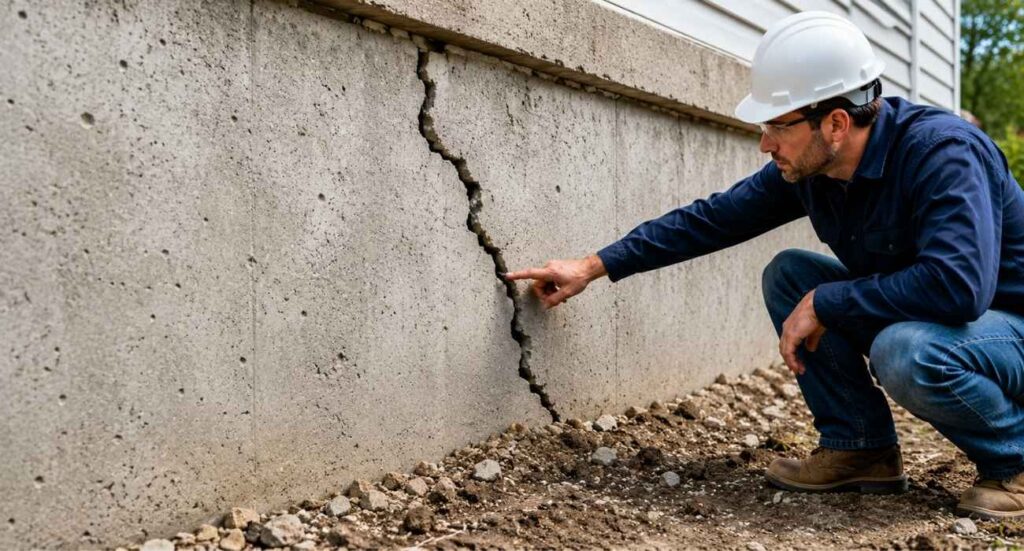
However, cracks wider than one-quarter inch often indicate active movement and should be inspected by a professional.
Horizontal Cracks
Horizontal cracks are among the most serious foundation issues.
These cracks often indicate excessive soil pressure pushing against basement walls.
Immediate Foundation Crack Repair is typically recommended.
Stair-Step Cracks
Stair-step cracks commonly appear in brick, block, or masonry foundations.
These cracks often indicate uneven settlement and should not be ignored.
Water Seepage
Any crack that allows water to enter the home requires prompt attention.
Water intrusion can lead to:
- Mold growth
- Wood rot
- Basement flooding
- Indoor air quality problems
Bowing Walls
Walls that lean inward or bow are often experiencing significant pressure from surrounding soil.
This issue frequently requires structural reinforcement in addition to Foundation Crack Repair.
Uneven Floors
Sloping or uneven floors can indicate foundation movement.
If floor problems appear alongside foundation cracks, a professional inspection is recommended.
Sticking Doors and Windows
Foundation movement can distort a home’s frame.
Doors and windows may become difficult to open or close properly.
This often signals that the foundation is shifting.
Types of Foundation Cracks and What They Mean
Different cracks tell different stories about what is happening beneath your home.
Understanding crack types helps determine the appropriate Foundation Crack Repair strategy.
| Crack Type | Common Cause | Risk Level | Typical Repair |
|---|---|---|---|
| Hairline Crack | Concrete curing | Low | Sealant |
| Vertical Crack | Normal settlement | Moderate | Epoxy injection |
| Diagonal Crack | Uneven settlement | Moderate | Structural repair |
| Stair-Step Crack | Foundation movement | High | Stabilization |
| Horizontal Crack | Hydrostatic pressure | Very High | Reinforcement |
Hairline Cracks
Hairline cracks are small, narrow cracks that commonly develop as concrete cures and naturally settles. In most cases, they are cosmetic and do not affect the foundation’s structural integrity. However, they should be monitored regularly to ensure they do not widen or begin allowing moisture into the foundation.
Vertical Cracks
Vertical cracks are among the most common types of foundation cracks and are often caused by normal settlement. While many are not structurally serious, larger or leaking vertical cracks can allow water intrusion and should be professionally repaired to prevent further damage.
Diagonal Cracks
Diagonal cracks usually indicate uneven foundation settlement caused by shifting soil or changes in ground conditions. If these cracks continue to widen or are accompanied by uneven floors or sticking doors and windows, a professional inspection is recommended to determine whether structural repairs are needed.
Stair-Step Cracks
Stair-step cracks typically appear along the mortar joints of brick or concrete block foundations. They often indicate differential settlement or foundation movement and should not be ignored. Early repairs can help stabilize the foundation and prevent the damage from spreading.
Horizontal Cracks
Horizontal cracks are one of the most serious signs of foundation damage. They are usually caused by excessive hydrostatic pressure or soil movement pushing against foundation walls. Without prompt Foundation Crack Repair, these cracks can lead to bowing walls, structural instability, and significantly higher repair costs.
How Professionals Perform Foundation Crack Repair
Not every crack requires the same repair method. Professional contractors first identify the cause of the crack before recommending a solution. Effective Foundation Crack Repair focuses on both fixing the visible crack and addressing the underlying issue.
Foundation Inspection
Every successful repair begins with a detailed inspection.
Professionals evaluate:
- Crack width and length
- Crack location
- Signs of foundation movement
- Water intrusion
- Soil conditions
- Structural damage
A thorough inspection helps determine whether the crack is cosmetic or structural.
Epoxy Injection
Epoxy injection is commonly used for structural cracks in poured concrete foundations.
The epoxy fills the crack and bonds the concrete together, helping restore strength and stability.
Best used for:
- Vertical cracks
- Non-moving structural cracks
- Concrete foundation walls
Polyurethane Injection
Polyurethane injection is often used when water infiltration is the primary concern.
The material expands inside the crack, creating a waterproof seal that helps prevent future leaks.
Best used for:
- Basement foundation crack repair
- Water seepage issues
- Non-structural cracks
Carbon Fiber Reinforcement
Carbon fiber straps strengthen foundation walls that are beginning to bow or crack under pressure.
These systems provide additional support without major excavation.
Best used for:
- Horizontal foundation cracks
- Bowing basement walls
- Early structural movement
Wall Anchors
Wall anchors help stabilize walls that are already leaning inward.
Anchors are installed through the wall and connected to stable soil outside the foundation.
Best used for:
- Significant wall movement
- Severe hydrostatic pressure
- Advanced structural issues
Pier Systems
When settlement causes foundation movement, contractors may install piers beneath the foundation.
These systems transfer the weight of the home to more stable soil layers.
Common options include:
- Helical piers
- Push piers
- Steel piers
Pier systems are often used for major Foundation Crack Repair projects involving settlement.
Foundation Stabilization
Foundation stabilization addresses the root cause of structural movement.
This may involve:
- Soil correction
- Drainage improvements
- Pier installation
- Reinforcement systems
Without stabilization, cracks may return even after repairs are completed.
Waterproofing Systems
Water is one of the biggest threats to foundations.
Professional waterproofing may include:
- Exterior waterproof membranes
- Interior drainage systems
- Sump pumps
- Foundation waterproofing coatings
- Drain tile installation
Combining waterproofing with Foundation Crack Repair provides long-term protection.
Foundation Crack Repair Cost in 2026
One of the most common homeowner questions is: How much does foundation crack repair cost?
The answer depends on several factors, including crack size, foundation type, accessibility, and whether structural repairs are required.
Average Foundation Crack Repair Cost
| Repair Method | Typical Cost Range |
|---|---|
| Crack Sealing | $250–$800 |
| Epoxy Injection | $500–$1,500 |
| Polyurethane Injection | $500–$2,000 |
| Carbon Fiber Reinforcement | $700–$5,000 |
| Wall Anchors | $3,000–$10,000 |
| Foundation Stabilization | $4,000–$20,000+ |
| Pier Installation | $5,000–$30,000+ |
Factors That Affect Cost
Crack Size
Larger cracks require more materials and labor.
Structural Damage
Structural foundation repair costs more than simple crack sealing.
Accessibility
Hard-to-reach areas often increase labor expenses.
Waterproofing Requirements
If water intrusion is present, additional waterproofing measures may be necessary.
Foundation Settlement
Settlement-related repairs frequently involve pier systems and stabilization work.
Most Expensive Foundation Repairs
The highest repair costs usually involve:
- Major settlement issues
- Foundation lifting
- Extensive structural damage
- Multiple failing walls
- Severe water damage
Addressing problems early often reduces repair costs significantly.
DIY vs Professional Foundation Crack Repair
Some homeowners attempt to repair cracks themselves. While DIY products may work for minor cosmetic issues, structural cracks usually require professional attention.
| Factor | DIY Repair | Professional Repair |
|---|---|---|
| Initial Cost | Lower | Higher |
| Structural Evaluation | No | Yes |
| Waterproofing Performance | Limited | Superior |
| Long-Term Durability | Variable | High |
| Warranty Protection | None | Often Included |
| Structural Safety | Limited | Professional Grade |
When DIY May Work
DIY repairs may be appropriate for:
- Small hairline cracks
- Cosmetic issues
- Surface-level sealing
When Professional Repair Is Necessary
Call a contractor if you notice:
- Horizontal cracks
- Water intrusion
- Foundation movement
- Bowing walls
- Settlement issues
- Growing cracks
Professional Foundation Crack Repair provides a more reliable long-term solution.
Can Foundation Cracks Lower Home Value?
Yes. Foundation problems can affect both property value and buyer confidence.
Many homebuyers become concerned when they discover foundation cracks during an inspection.
Potential consequences include:
- Reduced offers
- Delayed sales
- Financing complications
- Additional inspections
- Repair requests from buyers
Even minor cracks can raise questions about structural integrity.
Fortunately, documented Foundation Crack Repair performed by qualified contractors often reassures buyers and protects property value.
How to Prevent Future Foundation Cracks
While not every crack can be prevented, homeowners can significantly reduce risk by maintaining their property.
1. Maintain Gutters and Downspouts
Ensure rainwater is directed away from the foundation.
2. Improve Drainage
Correct grading problems that allow water to collect around the home.
3. Monitor Soil Moisture
Avoid excessive drying or saturation around the foundation.
4. Schedule Foundation Inspections
Routine inspections help identify small problems before they become expensive repairs.
5. Repair Minor Cracks Early
Small cracks are usually easier and less expensive to repair.
6. Waterproof the Foundation
Professional waterproofing helps reduce water intrusion and hydrostatic pressure.
Preventive maintenance often costs far less than major structural repairs.
When Should You Call a Foundation Repair Contractor?
Many homeowners wait too long before seeking professional help.
You should schedule an inspection immediately if you notice any of the following:
Call Immediately If:
- Horizontal cracks appear
- Cracks continue growing
- Water enters the basement
- Walls bow inward
- Floors become uneven
- Doors stop closing properly
- Multiple cracks appear suddenly
Early Foundation Crack Repair often prevents more extensive and expensive damage.
Frequently Asked Questions
What is the average foundation crack repair cost?
Most repairs range from $500 to $5,000, while major structural repairs can exceed $20,000.
Are foundation cracks covered by insurance?
Coverage depends on the cause. Sudden events may be covered, while normal settlement is often excluded.
Can a foundation crack be repaired permanently?
Yes. Proper repairs combined with stabilization and drainage improvements can provide long-lasting results.
Which foundation cracks are dangerous?
Horizontal cracks, widening cracks, and stair-step cracks are generally considered the most serious.
How long does foundation crack repair last?
Many professional repairs can last for decades when performed correctly.
Does every foundation crack need repair?
Not always. Hairline cracks may be cosmetic, but all cracks should be evaluated if they grow or allow water intrusion.
How long does foundation crack repair take?
Most minor repairs can be completed in a day, while larger structural projects may take several days or weeks.
What happens if foundation cracks are ignored?
Cracks can worsen over time, leading to water damage, structural instability, and significantly higher repair costs.
Conclusion
Foundation cracks are common, but they should never be ignored. While some cracks are cosmetic, others may signal serious structural issues that require immediate attention. Understanding the causes, warning signs, and repair options helps homeowners protect their investment and avoid costly future damage.
Whether the issue is soil settlement, hydrostatic pressure, drainage problems, or foundation movement, timely Foundation Crack Repair can prevent small problems from becoming major structural concerns. Professional inspections are the most reliable way to determine the severity of a crack and choose the right repair solution.
If you have noticed cracks in your basement walls, foundation, or masonry, now is the time to act. Schedule a professional inspection and address the issue before minor damage turns into a costly repair project. Investing in Foundation Crack Repair today can help preserve your home’s structural integrity, value, and long-term safety for years to come.
Need Help with Your Next Project? Call USA Builders Today!
We’re here to help—quick answers, friendly service, anytime you need!



Contact USA Builders and Developers
🌐 Website: www.usabuildersanddevelopers.com
📍 Serving: Baltimore, Betheda, Silver spring, and Montgomery Maryland
📌 Address: 2144 Priest Bridge Court, Suite 8, Crofton, MD 21114, USA