Cracked or crumbling mortar can be more than an eyesore. It can allow water into your brick walls and lead to more costly masonry damage.
If the bricks on your home still look good but the mortar between them is breaking down, brick pointing may be the repair you need.
What Is Brick Pointing?
Brick pointing is the repair of damaged mortar joints between bricks.
The mortar holds the brickwork together and helps keep moisture from getting into the wall. Over time, rain, snow, freezing temperatures, and normal aging can cause mortar to crack, loosen, or disappear.
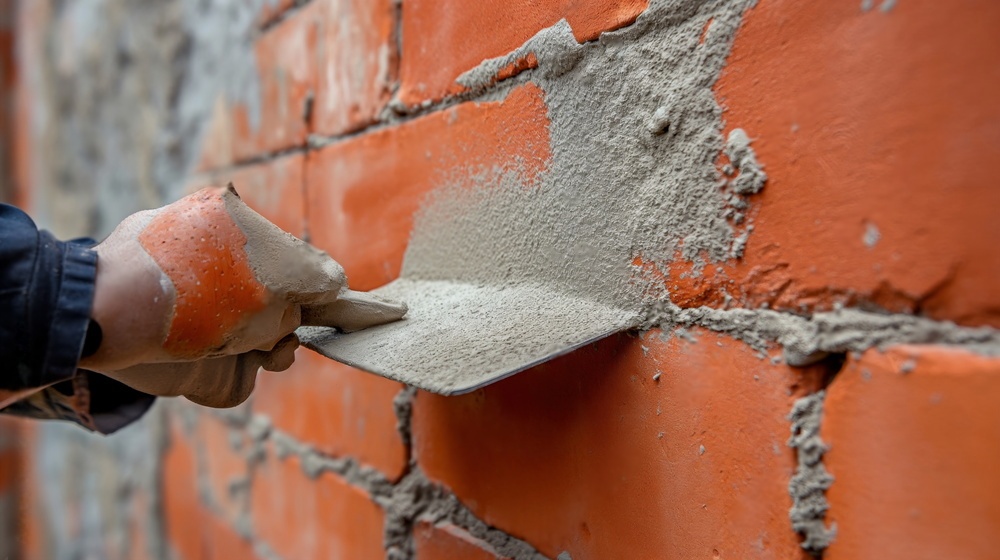
During brick pointing, damaged mortar is removed and replaced with fresh mortar.
The goal is to restore the joints and protect the existing brickwork.
How Do You Know If Your Home Needs Brick Pointing?
You do not need to be a masonry expert to spot the warning signs.
Take a close look at the mortar around your home’s exterior bricks.
You may need brick pointing if you notice:
- Cracked mortar joints
- Crumbling or soft mortar
- Missing sections of mortar
- Deep gaps between bricks
- Mortar that is falling out
- Bricks that appear loose
- Water stains around brick walls
- Damp areas near interior walls
- Older brickwork with heavily worn joints
A simple rule: if the mortar is failing but the bricks themselves are still in good condition, brick pointing may be able to restore the wall without replacing the bricks.
Why Is Brick Pointing Important?
Many homeowners ignore small cracks in mortar because the wall still looks fine from a distance.
That can be a mistake.
Damaged mortar gives water more opportunities to enter the masonry. In Maryland, repeated exposure to moisture and freezing temperatures can make deteriorated joints worse.
Over time, neglected mortar damage may contribute to:
- Water penetration
- Further mortar deterioration
- Damaged bricks
- Interior moisture problems
- More extensive masonry repairs
Brick pointing helps address the damaged joints before the problem becomes larger.
What Happens If You Ignore Damaged Mortar?
A few small cracks may not seem serious.
But mortar damage can spread.
Water can enter through open joints. During freezing weather, moisture can freeze and expand inside the masonry. Repeated freeze-thaw cycles can place additional stress on already damaged areas.
You may eventually see:
- Larger cracks
- More missing mortar
- Spalling or damaged brick faces
- Loose bricks
- Water entering the building
This does not mean every cracked joint will cause major structural damage. The severity depends on the condition and location of the masonry.
That is why an inspection is useful before deciding what repair is needed.
Brick Pointing vs. Replacing the Brick
Does damaged mortar mean you need new bricks? Not necessarily.
If the bricks are still structurally sound and the main problem is deteriorated mortar, pointing may be enough.
Brick replacement may be needed when individual bricks are:
- Cracked
- Severely damaged
- Spalled
- Loose
- Missing
A contractor should look at both the bricks and mortar before recommending a repair.
The goal is to repair what is actually damaged instead of replacing materials unnecessarily.
Can Brick Pointing Help With Water Leaks?
It can, depending on where the water is entering.
Open or deteriorated mortar joints can provide a path for moisture into brick masonry. Repointing damaged joints can help restore the protective mortar layer.
However, brick pointing is not a universal fix for every masonry leak.
Water can also enter because of:
- Damaged flashing
- Failed caulking
- Roof problems
- Poor drainage
- Cracked bricks
- Damaged coping
- Other areas of the building envelope
If you have a leak, the source should be identified before assuming the mortar is the only problem.
Does Old Brickwork Need Special Mortar?
Yes, sometimes.
This is especially important for older homes.
Mortar should be compatible with the existing brickwork. Using a mortar that is too hard for older, softer bricks can create problems over time.
A professional contractor can assess the existing mortar and brick before selecting a replacement material.
Matching the existing masonry matters for both appearance and performance.
What Does Brick Pointing Cost in Maryland?
The cost depends on the amount of damaged mortar and the difficulty of the work.
Factors that can affect the price include:
- Size of the brick area
- Amount of mortar that needs repair
- Condition of the brickwork
- Height of the wall
- Accessibility
- Mortar type
- Need for scaffolding or equipment
- Whether individual bricks also need replacement
Small areas may only require localized repairs. Larger homes or heavily deteriorated walls may require more extensive repointing.
The only reliable way to price your project is to inspect the actual masonry.
How Long Does Brick Pointing Last?
A properly completed brick pointing project can last for many years.
The lifespan depends on:
- Mortar quality
- Correct material selection
- Proper preparation
- Workmanship
- Weather exposure
- Condition of the existing brickwork
- Moisture management
A quick surface patch may not provide the same result as properly repairing deteriorated joints.
That is why the condition of the existing mortar should be assessed before the repair begins.
Is Brick Pointing Worth It?
For homeowners with deteriorating mortar and otherwise sound brickwork, brick pointing can be a practical way to maintain the existing masonry.
It can help:
- Protect the wall from moisture
- Restore damaged mortar
- Improve the appearance of the brickwork
- Reduce further deterioration
- Extend the service life of the masonry
Most importantly, it can address a mortar problem before it turns into a larger masonry repair.
Which Areas of a Home May Need Brick Pointing?
Brick pointing can be needed in many areas of a property, including:
- Exterior brick walls
- Brick facades
- Chimneys
- Brick foundations
- Brick porches
- Retaining walls
- Brick steps
- Other masonry features
The amount of wear can vary from one part of the property to another.
For example, chimneys and exposed exterior walls may experience significant weather exposure and should be checked when mortar begins to deteriorate.
When Should You Call a Contractor?
Do not wait until large sections of mortar have disappeared.
Consider having your brickwork inspected if you notice:
Cracking → Crumbling → Missing mortar → Water problems → Loose or damaged bricks
These signs do not automatically mean you need major repairs. But they are good reasons to have the masonry checked.
A contractor can determine whether you need simple brick pointing, brick replacement, or another type of masonry repair.
Brick Pointing Services in Maryland
Your brick walls do not always need to be rebuilt when the mortar starts to fail.
If the bricks are still in good condition, brick pointing can restore the damaged joints and help protect the existing masonry.
At USA Builders & Developers, we provide masonry and construction services for homeowners across Maryland.
If you have noticed cracked, crumbling, or missing mortar around your home, contact us for an assessment of your brickwork.
Call 443-551-0006 to discuss your brick pointing project.
Have Questions? Call Us Now!
We’re here to help—quick answers, friendly service, anytime you need!


Contact USA Builders and Developers
🌐 Website: www.usabuildersanddevelopers.com
📍 Serving: Baltimore, Betheda, Silver spring, and Montgomery Maryland
📌 Address: 2144 Priest Bridge Court, Suite 8, Crofton, MD 21114, USA