Water damage is one of the most common problems property owners face. Leaking roofs, wet basements, cracked foundations, and moisture buildup can slowly damage a building and lead to expensive repairs. Many homeowners ignore small water issues at first, but over time these problems can become serious and affect the safety of the property.
Professional Waterproofing Contractors help protect homes and commercial buildings from moisture damage. They use different waterproofing solutions to stop leaks, prevent mold growth, and strengthen the structure of the property. From basement sealing to roof protection, their services are important for maintaining a dry and healthy environment.
Hiring experienced Waterproofing Contractors can save property owners from costly repairs in the future. Whether you need foundation repair, crawl space protection, or basement sealing, choosing the right contractor helps ensure long-lasting results.
What Are Waterproofing Contractors?
Waterproofing Contractors are professionals who specialize in protecting buildings from water intrusion and moisture damage. They inspect properties, identify problem areas, and apply waterproofing systems to prevent leaks and structural issues.
Many Waterproofing Contractors offer services for residential and commercial properties. Their work may include basement sealing, foundation crack repair, drainage system installation, and exterior waterproof coatings. They help keep buildings safe, dry, and durable in all weather conditions.
Why Waterproofing Is Important?
Waterproofing is important because it protects homes and buildings from water damage, moisture buildup, and structural problems. Excess water can weaken walls, foundations, roofs, and basements over time, leading to costly repairs and safety concerns.
Professional Waterproofing Contractors help prevent leaks and keep properties dry in all weather conditions. Proper waterproofing also reduces the risk of mold and mildew growth, which can affect indoor air quality and create unhealthy living conditions.
Waterproofing also increases the lifespan and value of a property. Whether it is roof protection, foundation sealing, or basement waterproofing, investing in waterproofing services helps maintain a safe, durable, and comfortable building for many years.
1:Prevents Water Damage
Rainwater and moisture can slowly enter walls, roofs, and foundations. Professional Waterproofing Contractors use protective materials and sealing methods to stop water from entering the property.
2:Stops Mold and Mildew
Wet areas create the perfect environment for mold and mildew growth. Waterproofing helps control indoor moisture levels and improves air quality inside the building.
3:Protects Building Foundation
Foundation cracks can allow water to seep into the structure. A skilled basement waterproofing contractor can repair cracks and prevent future moisture damage.
4:Increases Property Value
A dry and protected property is more attractive to buyers. Waterproofed homes often require fewer repairs and maintain their value longer.
Services Offered by Waterproofing Contractors
Professional Waterproofing Contractors provide services to protect homes and buildings from water damage and moisture problems. They help prevent leaks, mold growth, and structural damage caused by excess water. Proper waterproofing keeps the property dry, safe, and durable for many years.
Experienced Waterproofing Contractors inspect the property and recommend the best waterproofing solutions. Their services may include basement waterproofing, roof sealing, foundation crack repair, and drainage system installation. These solutions help improve indoor comfort and reduce future repair costs.
1:Basement Waterproofing
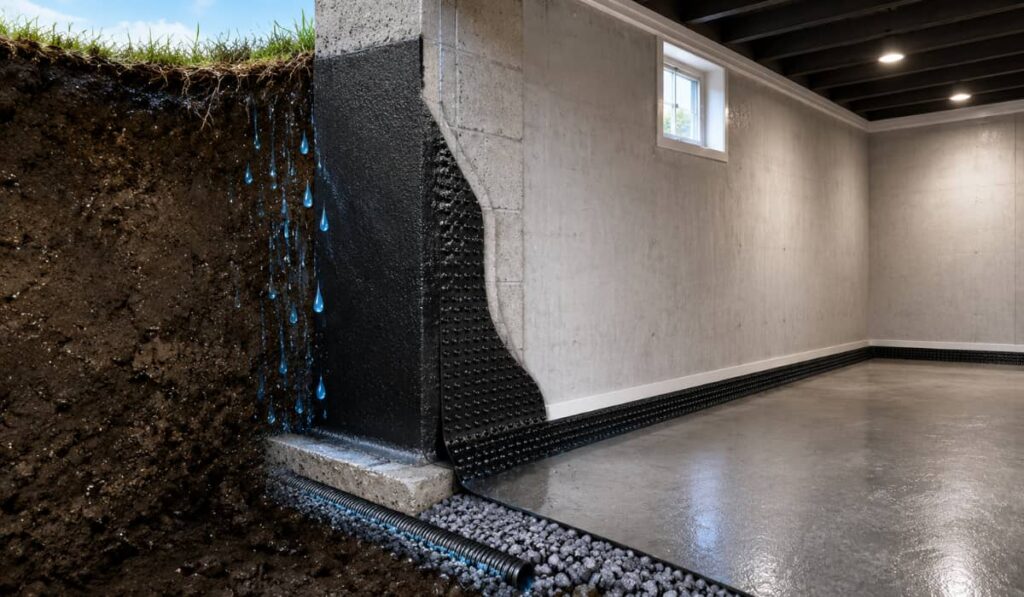
Basement waterproofing protects the basement from water leaks, dampness, and flooding. Excess moisture can cause mold growth, bad smell, and damage to walls and flooring. Professional Waterproofing Contractors use drainage systems, sealants, and coatings to keep the basement dry and safe.
2:Roof Waterproofing
Roof waterproofing protects the building from rainwater leaks and weather damage. Without proper sealing, water can enter through cracks and cause damp spots and structural issues. Professional Waterproofing Contractors apply waterproof coatings to keep the roof strong, dry, and long-lasting.
3:Crawl Space Waterproofing
Crawl space waterproofing helps prevent moisture buildup under the building. If left untreated, it can lead to mold, bad odors, and wood damage. Professional Waterproofing Contractors use vapor barriers and sealing methods to keep the area dry and protected.
4:Foundation Crack Repair
Foundation crack repair helps stop water from entering through cracks in the building’s foundation. If ignored, these cracks can lead to serious structural damage and moisture problems. Professional Waterproofing Contractors seal and fix cracks to keep the foundation strong and stable.
5:Exterior Waterproof Coating
Exterior waterproof coating protects outside walls from rain, moisture, and weather damage. It creates a strong barrier that stops water from entering the building. Professional Waterproofing Contractors apply these coatings to keep the structure dry and long-lasting.
Signs You Need Waterproofing Contractors
Many homeowners do not notice water damage until the problem becomes severe. Understanding the warning signs can help you take action early and avoid expensive repairs.
Common signs include:
- Water stains on walls or ceilings
- Damp basement floors
- Mold or mildew smell indoors
- Peeling paint or wallpaper
- Foundation cracks
- Standing water around the property
- Increased indoor humidity
If you notice these problems, hiring experienced Waterproofing Contractors can help protect your property before the damage gets worse.
How Waterproofing Contractors Work?
Professional Waterproofing Contractors follow a step-by-step process to identify and solve moisture problems effectively.
First, they inspect the property to locate areas affected by water damage. This inspection may include checking the basement, roof, crawl space, walls, and foundation for signs of leaks or moisture buildup.
After identifying the problem, they recommend the best waterproofing solution based on the condition of the property. A basement waterproofing contractor may install drainage systems, apply sealants, or repair foundation cracks to stop water intrusion.
Finally, the waterproofing process is completed using specialized tools and materials. After the work is finished, contractors perform a final inspection to ensure the area is fully protected from future water damage.
Benefits of Hiring Professional Waterproofing Contractors
Hiring professional Waterproofing Contractors provides many long-term benefits for homeowners and business owners. Waterproofing is not just a quick fix; it is a complete solution that protects your property from serious water damage, structural issues, and health risks caused by moisture. Experts understand how water behaves in different parts of a building and apply the right methods to stop it effectively.
1:Expert Knowledge
Experienced Waterproofing Contractors have deep knowledge of different types of water damage and moisture problems. They can quickly identify the root cause of leaks, dampness, or flooding and choose the most suitable waterproofing solution for long-lasting results.
2:Long-Term Protection
Professional waterproofing is designed to provide strong and durable protection against leaks, mold growth, and structural weakening. With proper treatment, your property stays safe and dry for many years without frequent repairs.
3:Advanced Equipment
Contractors use modern tools, high-quality sealants, and industrial-grade materials that are far more effective than DIY solutions. This ensures better coverage, stronger sealing, and more reliable protection.
4:Saves Future Repair Costs
By hiring Waterproofing Contractors early, you can avoid expensive repairs in the future. Small moisture issues are fixed before they turn into major structural damage, saving you a significant amount of money over time.
5:Improves Indoor Comfort
A properly waterproofed property feels healthier and more comfortable. It reduces dampness, eliminates bad odors, and improves indoor air quality, making your living or working space more pleasant.
How to Choose the Right Waterproofing Contractors?
Choosing reliable Waterproofing Contractors is important for getting quality results. A professional contractor should have experience, positive customer reviews, and proper licensing.
Before hiring a contractor, ask about their waterproofing methods and warranty options. Compare pricing from different companies and make sure they explain the entire waterproofing process clearly.
Many homeowners also search online for waterproofing contractors near me to find local professionals with strong customer ratings and fast service availability. Local contractors often understand regional weather conditions and common moisture issues better.
It is also helpful to choose a contractor who offers complete inspection services and customized waterproofing solutions for your property.
Common Waterproofing Methods
Different waterproofing methods are used based on the type of moisture problem and building condition. Professional Waterproofing Contractors choose the best solution after inspecting the property.
1:Waterproof Sealants
Sealants are applied on walls, floors, and foundations to close cracks and stop water entry. They help reduce moisture and protect surfaces from damage.
2:Drainage Systems
Drainage systems redirect rainwater and groundwater away from the building. This helps prevent water pooling and basement leaks.
3:Sump Pump Installation
Sump pumps remove extra water from basements during heavy rain or flooding. They keep the area dry and prevent water damage.
4:Waterproof Membranes
Waterproof membranes create a strong protective layer on walls and foundations. They block water completely and provide long-lasting protection.
FAQs
1:What do Waterproofing Contractors do?
Waterproofing Contractors inspect properties and apply waterproofing systems to prevent leaks, moisture buildup, and structural damage.
2:When should I hire a basement waterproofing contractor?
You should hire a basement waterproofing contractor if you notice basement leaks, mold growth, damp walls, or standing water.
3:How long does waterproofing last?
Professional waterproofing can last many years depending on the materials used and regular maintenance.
4:Are waterproofing services expensive?
The cost depends on the size of the project and the severity of the moisture problem, but waterproofing helps save money on future repairs.
5:How can I find reliable waterproofing contractors near me?
You can search online, read customer reviews, compare services, and check contractor experience before hiring.
Conclusion
Waterproofing is important to protect buildings from leaks, moisture, and structural damage. It helps keep the property safe, dry, and long-lasting.
Professional Waterproofing Contractors provide reliable solutions that prevent costly repairs and improve property value. Proper waterproofing is a smart investment for long-term protection.
Have Questions? Call Us Now!
We’re here to help—quick answers, friendly service, anytime you need!


Contact USA Builders and Developers
🌐 Website: www.usabuildersanddevelopers.com
📍 Serving: Baltimore, Betheda, Silver spring, and Montgomery Maryland
📌 Address: 2144 Priest Bridge Court, Suite 8, Crofton, MD 21114, USA