Siding protects your home from weather while also affecting comfort, energy use, maintenance, and curb appeal. One option homeowners often consider is insulated vinyl siding. It looks similar to regular vinyl siding, but it has a layer of foam insulation behind the panels.
So, what is insulated vinyl siding? How is it different from regular vinyl siding? And is the extra cost worth it? Let’s look at how it works, its benefits and drawbacks, its cost, and what to consider before installation.
What Is Insulated Vinyl Siding?
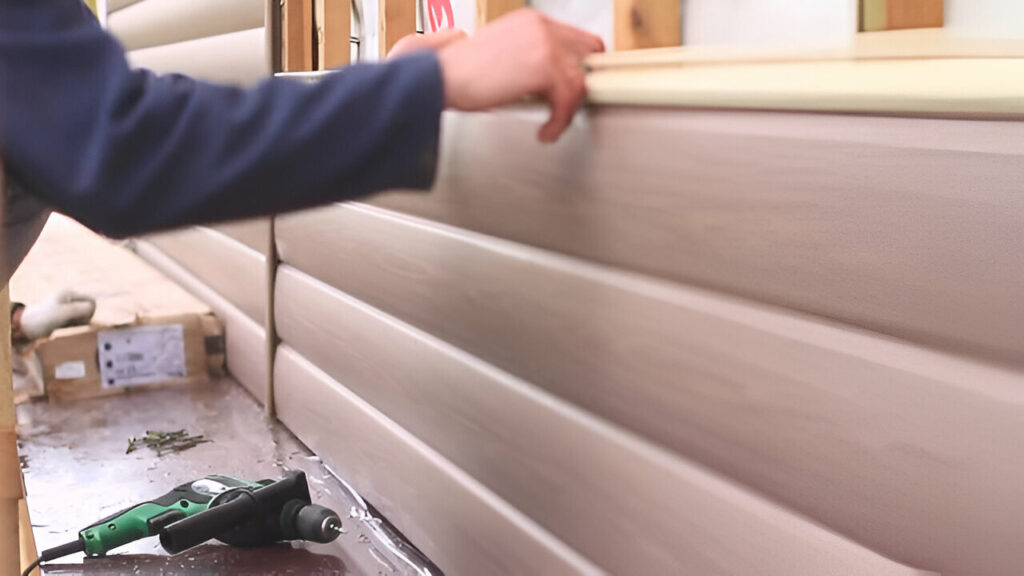
Insulated vinyl siding is vinyl siding with a layer of rigid foam insulation attached to the back of each panel. The foam is commonly made from expanded polystyrene (EPS). The foam backing fits behind the siding panels and provides additional insulation and support.
Regular vinyl siding does not have this built-in foam layer. As a result, insulated siding can help:
- Reduce heat transfer
- Improve indoor comfort
- Support the siding panels
- Create a flatter exterior appearance
What Is Insulated Vinyl Siding Made Of?
An insulated vinyl siding system generally includes:
- A vinyl outer layer that protects the home from weather
- Rigid foam insulation attached to the back
- Interlocking panels for installation
- A contoured backing that supports the siding
Together, these components create a siding system that can improve both the appearance and performance of your home’s exterior.
How Does Insulated Vinyl Siding Work?
The main difference between regular and insulated vinyl siding is the foam backing. Regular vinyl siding mainly acts as a protective exterior layer and is installed over the home’s exterior wall. Insulated vinyl siding adds foam insulation between the siding and the wall. This extra layer can help:
- Reduce heat transfer through exterior walls
- Limit some air movement
- Reduce thermal bridging
- Keep indoor temperatures more consistent
- Provide additional support to the siding panels
However, insulated siding is not a replacement for proper wall insulation. If your home has poor insulation, you may still need additional insulation inside the walls.
Benefits of Insulated Vinyl Siding
Insulated vinyl siding offers several benefits beyond the appearance of traditional vinyl siding.
1. Better Energy Efficiency and Comfort
The foam backing helps slow heat transfer through exterior walls. This can make it easier for your heating and cooling system to maintain a comfortable indoor temperature.
Depending on your home’s existing insulation and construction, you may notice:
- Fewer hot and cold spots
- Better indoor comfort
- Less heat loss during cold weather
- Less heat entering the home during warm weather
For Maryland homes, where temperatures can change throughout the year, the added insulation can be useful.
2. Stronger and More Stable Panels
The foam backing also supports the vinyl panels. This can help them hold their shape and may provide better resistance to minor impacts. Performance will depend on the siding product, installation quality, and local weather conditions.
3. Reduced Outside Noise
Insulated vinyl siding can help reduce some outside noise. It will not completely soundproof your home, but the added foam layer may soften certain outdoor sounds.
This can be useful for homes near:
- Busy streets
- High-traffic areas
- Densely populated neighborhoods
- Other regular sources of outdoor noise
4. A Flatter Exterior Appearance
The foam backing supports the siding panels across the wall. This can create a flatter and more uniform appearance.
Insulated siding may provide:
- Straighter siding lines
- A more consistent finish
- Better-looking panel profiles
- Improved curb appeal
The final appearance also depends on the condition of the wall and the quality of installation.
5. Low Maintenance
Like standard vinyl siding, insulated vinyl siding is relatively easy to maintain. It typically does not require regular painting, staining, or sealing.
Basic maintenance includes:
- Washing away dirt and buildup
- Checking the siding after severe weather
- Looking for cracked or damaged panels
- Keeping the exterior clean
Vinyl siding can provide a long-lasting exterior finish with relatively little routine maintenance.
6. Improved Curb Appeal
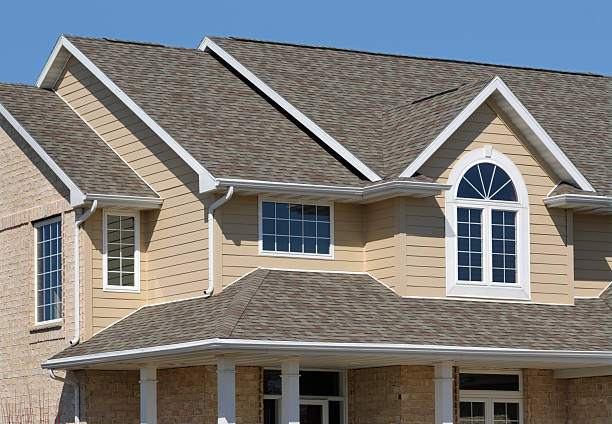
New siding can make a noticeable difference to a home’s appearance. Insulated vinyl siding is available in different colors, textures, and profiles.
This gives homeowners options when updating an older exterior while also adding insulation and panel support.
How Much Does Insulated Vinyl Siding Cost?
Insulated vinyl siding usually costs more than standard vinyl siding because it includes both the vinyl panels and built-in foam insulation.
The total project cost can vary significantly from one home to another.
What Affects the Cost?
Several factors can affect the price of an insulated vinyl siding project:
- Size of the home
- Siding type and thickness
- Foam insulation thickness
- Siding style and texture
- Color selection
- Condition of the exterior walls
- Preparation and repair work
- Labor and installation
- Removal of existing siding
Homes with complicated architectural details or damaged exterior walls may require additional preparation and labor.
For this reason, a project-specific estimate is more useful than relying on a general price range.
Is Insulated Vinyl Siding Worth It?
Whether insulated vinyl siding is worth the additional cost depends on your home, budget, and goals.
It may be a good option if you:
- Want additional exterior insulation
- Want better indoor comfort
- Prefer low-maintenance siding
- Want a more solid-looking exterior
- Plan to stay in your home for several years
- Are already planning to replace your siding
Standard vinyl siding may be a better fit if keeping the initial project cost lower is your main priority.
Your home’s existing insulation, exterior condition, budget, and long-term plans should all be considered before making a decision.
Drawbacks of Insulated Vinyl Siding
Insulated vinyl siding has benefits, but there are also some potential drawbacks to consider.
1. Higher Upfront Cost
The biggest drawback is usually the initial cost.
Because insulated vinyl siding includes a foam backing, it generally costs more than standard vinyl siding.
If you have a limited budget, traditional vinyl siding may provide a lower-cost way to update your home’s exterior.
2. Damaged Panels May Be More Involved to Replace
A badly damaged siding panel may need to be replaced.
Because the foam backing is attached to the siding panel, replacement can be more involved than with basic vinyl siding. Proper installation can help reduce problems caused by improper handling or installation.
3. It Does Not Replace Wall Insulation
Insulated vinyl siding adds insulation to the exterior wall system, but it should not be considered a complete replacement for wall insulation.
If your home has significant insulation problems, it may be worth evaluating the insulation inside the walls separately.
4. Color Changes Are Not Simple
Vinyl siding comes in many colors, but changing the color later is not as simple as repainting wood siding.
If you want a completely different appearance in the future, replacement may be necessary. Take time to choose a color and style that will work for your home long term.
Insulated Vinyl Siding vs. Traditional Vinyl Siding
Both options can provide a durable, low-maintenance exterior. The main difference is the built-in foam insulation.
| Feature | Insulated Vinyl Siding | Traditional Vinyl Siding |
|---|---|---|
| Insulation | Built-in foam backing | No built-in foam |
| Energy performance | Additional insulation | Basic |
| Panel support | More support from foam backing | Less rigid |
| Appearance | Can look flatter and more uniform | May look less solid |
| Cost | Higher | Lower |
| Maintenance | Low | Low |
| Noise reduction | May provide some added benefit | Limited |
Insulated vinyl siding is generally an upgraded version of traditional vinyl siding. It costs more upfront but adds insulation and additional panel support.
What Should You Consider Before Installation?
Choosing the right siding is only part of the project. Proper preparation and installation are also important.
Before installing insulated vinyl siding, the exterior should be checked for problems such as:
- Damaged sheathing
- Moisture problems
- Rot
- Uneven wall surfaces
- Old or damaged siding
- Areas that need repair
The siding should also be installed according to the manufacturer’s requirements.
Panels need to be properly aligned and interlocked. Installers should also allow for normal expansion and contraction.
Good preparation and installation can help the siding perform properly and maintain a clean appearance.
Should You Hire a Siding Contractor?
Siding installation may look simple, but small installation details can affect the final result.
An experienced siding contractor can:
- Inspect the exterior
- Identify damage before installation
- Prepare the surface
- Recommend suitable siding options
- Install the siding according to manufacturer requirements
At USA Builders and Developers, we help homeowners with siding and other exterior construction needs in Maryland. Our team can evaluate your existing exterior and help you choose a siding solution that fits your home’s needs and budget.
Is Insulated Vinyl Siding Right for Your Home?
Insulated vinyl siding can be a practical option if you want to improve your home’s exterior while adding insulation and panel support.
Its main benefits include:
- Added insulation
- Improved indoor comfort
- Some noise reduction
- Better panel support
- Low maintenance
- A more uniform exterior appearance
However, it also has a higher upfront cost and does not replace proper wall insulation.
Before choosing insulated vinyl siding, consider your home’s current insulation, exterior condition, budget, and long-term plans.
Is insulated vinyl siding worth it?
Yes, insulated vinyl siding is worth it if you want better energy efficiency, a quieter home, and stronger siding. It helps keep indoor temperatures stable and can lower heating and cooling costs over time.
How much does insulated vinyl siding cost?
Insulated vinyl siding costs more than regular vinyl siding, but the price depends on the size of your home, the siding style, and installation. Many homeowners find the higher cost pays off through energy savings and durability.
What’s the difference between vinyl siding and insulated vinyl siding?
The main difference is insulation. Regular vinyl siding protects your home’s exterior, while insulated vinyl siding has a foam backing that improves energy efficiency, reduces noise, and makes the siding stronger and more solid.
Does insulated vinyl siding reduce noise?
Yes, insulated vinyl siding helps reduce outside noise. The built-in insulation absorbs sound, making your home quieter by limiting traffic noise, wind, and other exterior sounds.
What are the downsides of insulated vinyl siding?
The biggest downsides are higher upfront cost and more difficult repairs. If a panel gets damaged, it usually needs to be replaced. It also doesn’t replace insulation inside the walls, but it still improves overall comfort.
Final Thoughts
So, what is insulated vinyl siding? It’s a thoughtfully engineered siding system that goes beyond appearance to deliver real performance benefits. By combining durable vinyl with integrated insulation, it improves comfort, energy efficiency, noise reduction, and curb appeal, all with minimal maintenance.
While the initial cost is higher than traditional vinyl siding, the long-term advantages often outweigh the investment. If you’re ready to replace your siding or want to find out whether insulated vinyl siding is a good fit for your home, talk with an experienced siding contractor in Maryland.
Need Help with Your Next Project? Call USA Builders Today!
We’re here to help—quick answers, friendly service, anytime you need!