Most homeowners check their shingles and gutters. Few look at the board sitting right behind the gutter. That board is the fascia, and it works hard through rain, snow, wind, and summer heat.
A fascia roof board is the trim board along the edge of your roof. It protects the rafter ends and holds your gutters in place. Fixing one small section may cost a few hundred dollars, while a full replacement costs more. This guide explains the types, pricing, and warning signs so you can decide what to do next.
What Is a Fascia Roof Board?
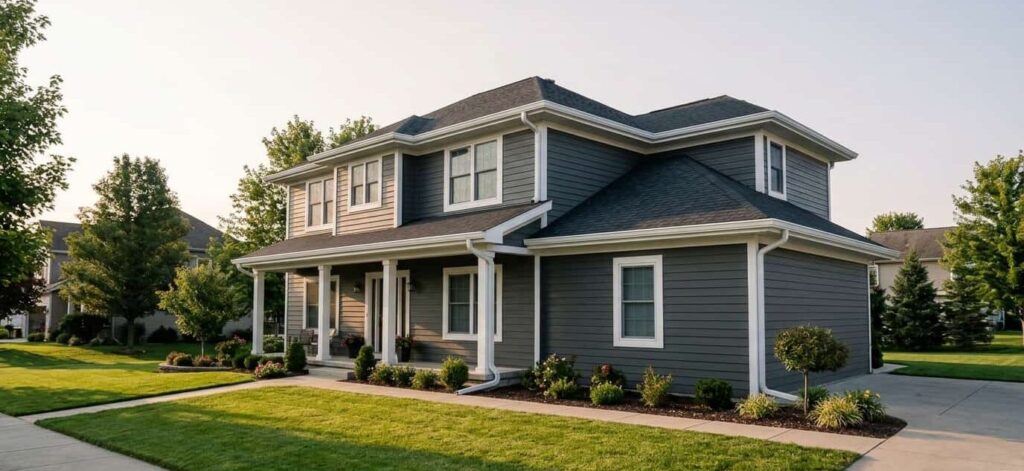
A fascia roof board is the long, flat board that runs along the lower edge of your roof. It covers the ends of the rafters, supports your gutters, and blocks rain and pests from the roof frame. It also gives your roofline a clean, finished look.
Some people call it roof fascia, a fascia board, or eave trim. They all mean the same part. On a simple gable roof, you will see it along the bottom edges. On a hip roof, it wraps around the whole house. Because it faces the weather all year, it is often the first part of the roof edge to show wear.
What Does Roof Fascia Do for Your Home?
Roof fascia protects the roof edge, holds the gutters, and closes the gap at the end of the rafters. It keeps water and small animals away from the roof frame and improves curb appeal. When it fails, gutters sag and water can reach the wood behind it.
Here is what a healthy board does for you:
- Shields the rafter ends from rain and snow
- Gives your gutters a solid place to attach
- Helps keep birds, squirrels, and insects out
- Supports the edge of the roof covering and drip edge
- Keeps the roofline straight and neat
A healthy roof edge is easy to ignore. A failing one can lead to rot, leaks, and costly gutter repairs.
What Types of Fascia Roof Materials Can You Choose?
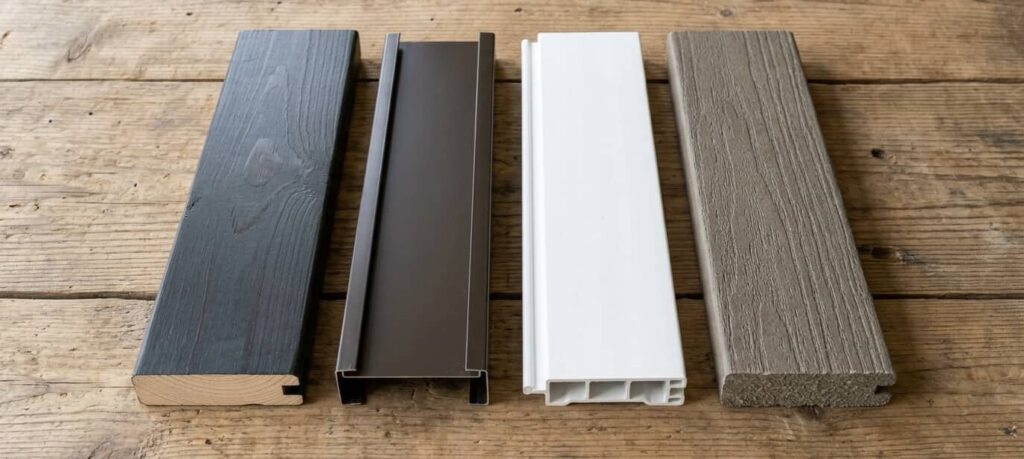
The most common fascia roof materials in the US are wood, aluminum, PVC or vinyl, and fiber cement. Wood is cheap and easy to paint but needs upkeep. Aluminum and PVC resist rot. Fiber cement is strong but heavy. The best choice depends on your climate, budget, and home style.
| Material | Typical Lifespan* | Upkeep | Main Benefit | Main Drawback |
|---|---|---|---|---|
| Wood | 15–30 years | Paint or seal every few years | Low upfront cost, easy to cut | Rots when wet |
| Aluminum | 20–40 years | Low | Rot-proof, many colors | Can dent |
| PVC / Vinyl | 20–30+ years | Very low | Resists moisture and insects | Expands in heat, fewer colors |
| Fiber cement | 25–50 years | Repaint as needed | Strong and fire resistant | Heavy, harder to install |
*These are general ranges. Always check the manufacturer’s guidance and warranty for the exact product you choose.
Is Wood a Good Fascia Material?
Yes, if you keep it painted and dry. A wood fascia roof board looks natural and fits older homes well. But it soaks up water when paint fails or gutters overflow. Choose primed or pressure-treated boards, and seal every cut end before installing.
Is Aluminum Fascia Worth the Cost?
Aluminum fascia does not rot and needs little care. It is sold as boards and as a wrap that covers wood. The downside is that it can dent from hail or ladders. Also, a wrap can hide rot if it goes over damaged wood, so use it only on sound boards.
Is PVC or Vinyl Fascia Better Than Wood?
PVC and vinyl resist water and insects, so they suit humid areas like Florida and the Gulf Coast. They expand and shrink with heat, so installers must leave proper gaps. Dark colors can warp in strong sun. Follow the manufacturer’s color and fastening rules.
Is Fiber Cement Fascia Durable?
Fiber cement is stable, fire resistant, and holds paint well. It is heavy and brittle, so installation takes more labor. It often costs more than wood or vinyl. Always follow the maker’s guide for cutting, fastening, and sealing edges, since mistakes can void the warranty.
How Much Does Fascia Roof Replacement Cost in the US?
Most US homeowners pay roughly $6 to $25 per linear foot for fascia roof replacement, including labor, though some jobs cost more. A small repair may cost a few hundred dollars. A full house can reach several thousand. Material, height, and gutter work change the price.
Prices change by city, so use these numbers as a starting point only. Always get at least two written quotes.
| Project Type | Rough Cost Range | What Affects It |
|---|---|---|
| Small repair (a few feet) | $150–$600 | Access, paint, hidden rot |
| One side of the house | $600–$2,000 | Length, material, gutter removal |
| Full house (150–200 feet) | $1,500–$5,000+ | Material, roof height, gutters |
| Aluminum wrap over sound wood | $1,000–$3,500 | Home size, color, trim details |
These are ballpark figures. Local labor rates, roof height, and hidden damage can move them up or down.
Here is what usually changes the price:
- The material you pick
- The total linear feet of boards
- Roof height (two-story homes cost more)
- Gutter removal and reinstallation
- Hidden rot in the rafter ends
- Paint, primer, and color matching
- Permits or HOA rules in your area
For a wider look at roofing budgets, read our roof repair services.
How Much Does Fascia Repair Cost Compared With Replacement?
Fascia repair usually costs $150 to $600 because only a short section is fixed. Fascia replacement costs more because it covers longer runs and often includes gutter work. Repair saves money only when the rest of the board is sound. If not, you may pay twice.
Should You Repair or Replace a Damaged Fascia Roof Board?
Repair a fascia roof board when damage is small, the wood nearby is solid, and the water source is fixed. Replace it when rot has spread, boards are soft, or gutters will not hold. Paint or aluminum wrap can protect sound wood, but they cannot fix rot.
| Option | Best For | Limits |
|---|---|---|
| Paint or sealant | Sound wood with light peeling | Does not repair rot or cracks |
| Spot repair | One small damaged section | Hidden rot may remain |
| Aluminum wrap | Sound wood you want to protect | Can hide damage if installed over rot |
| Full replacement | Soft, rotten, or warped boards | Higher cost and more labor |
A good roofer will probe the wood with a screwdriver, check the rafter ends, and look for the water source. If the source is not fixed, even new boards will fail. Ask for photos of any hidden damage before you approve extra work.
If the problem started with a leak, our roof repair services can help you fix the cause, not just the symptom.
What Are the Signs of a Damaged Fascia Roof?
Common signs of a damaged fascia roof include soft or spongy wood, peeling paint, cracks, sagging gutters, and dark water stains. You may also see pests near the roof edge. Check from the ground with binoculars first, and call a pro if you are unsure.
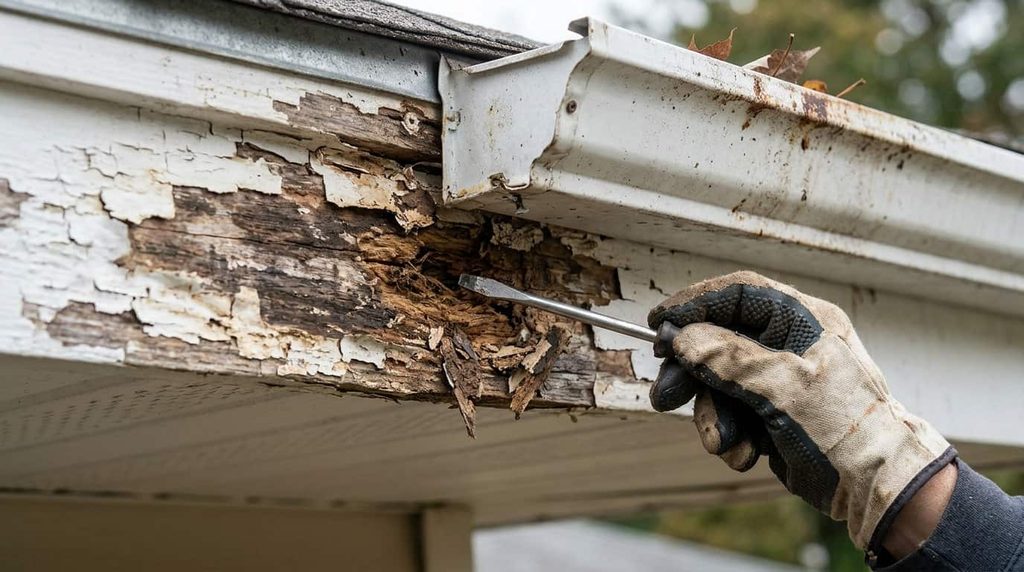
Use this quick checklist:
- Wood feels soft when pressed with a screwdriver
- Paint is peeling, bubbling, or flaking
- Cracks, splits, or holes show along the board
- Gutters sag or pull away from the house
- Dark stains or mold appear under the gutter line
- Boards look wavy or uneven
- Birds, wasps, or squirrels use the roof edge
- Shingles at the edge look wet or curled
Do not climb onto the roof edge yourself. If you find two or more signs, book a roof inspection.
What Causes Fascia Damage in Different US Climates?
Water is the main cause of fascia damage. Clogged gutters, roof leaks, ice dams, and humid air all keep the board wet. Sun, hail, and pests add more wear. Climate matters, so a fascia roof in Minnesota fails differently than one in Florida.
Here are some local weather examples:
- Northeast and Midwest: Freeze-thaw cycles and ice dams push water behind the gutters and into the board.
- Southeast and Gulf Coast: Heavy humidity and rain keep wood damp, which speeds up rot and mold.
- Plains and Texas: Hail and strong wind dent aluminum and crack older boards.
- Southwest and West: Intense sun dries out wood, fades paint, and can warp dark vinyl.
No material is perfect everywhere. Match the material to your local weather, and ask the manufacturer about climate limits. Many makers set rules for gaps, fasteners, and finishing in hot, cold, or wet regions.
What Is the Difference Between Fascia and Soffit?
Fascia is the vertical board on the outer edge of the roof, behind the gutter. Soffit is the panel under the roof overhang. Fascia protects and supports. Soffit often has vents that bring fresh air into the attic. Both should be checked together.
When you compare fascia vs soffit, remember that water usually reaches both. A damaged fascia roof edge often lets moisture get under the overhang too. If you see stains on the soffit, look closely at the board above the gutter.
How Is a Fascia Roof Replaced Step by Step?
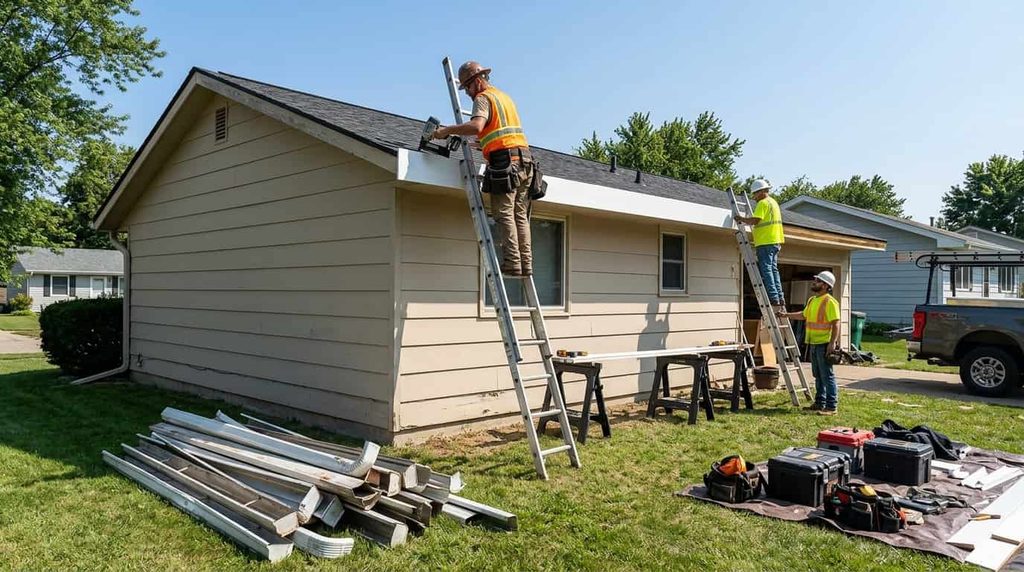
A crew replacing a fascia roof board will remove the gutters, pull off the damaged boards, check the rafter ends, and install new fascia with proper fasteners and sealed edges. Then they paint or finish it and reinstall the gutters. Most single-story jobs take one to two days, depending on weather and damage.
How Should You Prepare Before the Work Starts?
A little preparation makes the job faster and safer. Before the crew arrives:
- Move cars, grills, plants, and patio furniture away from the house
- Take dated photos of the current condition
- Confirm the material, color, and price in writing
- Ask what happens if rain delays the job
- Check your HOA rules if you have an association
What Shape Should the Roof Edge Be in Before New Boards Go On?
The rafter ends must be dry and solid. If they are soft, the installer should repair them first. New fascia on rotten framing will fail again. Also fix leaks, clogged gutters, or flashing problems before closing up the edge, so the new boards stay dry.
What Mistakes Should You Avoid With Fascia Work?
The biggest mistakes are covering rot instead of fixing it, ignoring the water source, using the wrong fasteners, and skipping sealed edges. Picking the cheapest bid without checking scope, warranty, or insurance also causes trouble later. Each one can bring the problem back within a few years.
- Painting or wrapping over a rotten fascia roof board. It hides damage, and the rot keeps spreading.
- Fixing the board but not the leak or overflowing gutter.
- Using nails that rust or screws that do not suit the material.
- Leaving cut ends unsealed on wood or fiber cement boards.
- Skipping drip edge or flashing details at the roof edge.
- Ignoring the manufacturer’s installation guide, which can void a warranty.
How Often Should You Inspect Your Fascia Roof?
Inspect your fascia roof at least twice a year, once in spring and once in fall. Also check after major storms, heavy snow, or hail. A quick look from the ground takes ten minutes. A professional inspection every few years can catch hidden problems.
During each check, look for soft spots, paint cracks, loose gutter spikes, and stains. Clean your gutters at the same time. Schedule a professional roof inspection every two to three years, or sooner after severe weather. A pro can spot hidden rot, flashing issues, and ventilation problems you may miss.
What Questions Should You Ask a Roofing Contractor About Fascia Work?
Ask about license, insurance, material choice, warranty, and how they handle hidden rot. Also ask whether they follow manufacturer installation guides and how they will protect your landscaping. Clear answers and a written estimate show a contractor you can trust.
Use these questions when you compare bids:
- Are you licensed and insured in my state?
- Will you remove and reinstall my gutters, and who pays if they bend?
- What happens if you find rot in the rafter ends?
- Which material do you suggest for my climate, and why?
- Do you follow the manufacturer’s installation and warranty rules?
- Is the price per linear foot, or one fixed price?
- How long will the job take, and what if it rains?
- Can I see photos or references from similar jobs?
Does Homeowners Insurance Cover Fascia Damage?
Sometimes. Many policies cover sudden damage from storms, wind, or falling branches. They often do not cover rot from long-term moisture or poor upkeep. Policies differ, so read yours and call your insurer before repairs begin. Take clear photos of the damage first.
Insurance rules for damaged boards vary by state and policy. Keep dated photos, stop the water source if you can do it safely, and save all estimates and receipts. An honest contractor will not promise that your claim will be approved.
Who Can Help With Fascia Roof Repair or Replacement?
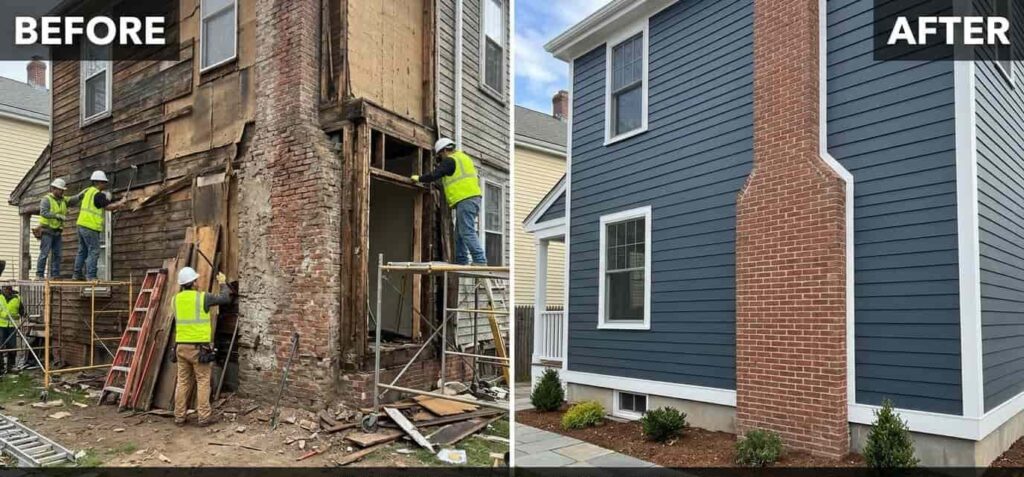
A licensed roofer can inspect your fascia roof, find the water source, and give you a written estimate. At USA Builders and Developers, we check the fascia, gutters, and roof edge together, then explain your repair and replacement options in plain language.
Our team also handles related work, such as roof replacement and gutter installation. Fixing these parts together helps prevent repeat problems. Every home is different, so we start with an inspection before we suggest any work.
Fascia Roof FAQs
What Is the Purpose of Roof Fascia?
Roof fascia covers the rafter ends, holds the gutters, and protects the roof edge from water and pests. It also gives the roofline a clean look. Without a solid board there, gutters can fail and water can reach the framing.
How Long Does Fascia Last?
Wood often lasts 15 to 30 years with good care. Aluminum, PVC, and fiber cement can last longer. Real life depends on climate, installation quality, and gutter upkeep. Check the manufacturer’s stated lifespan and warranty before you buy.
Can I Replace Fascia Myself?
On a low, single-story roof, a skilled DIYer may handle a short section. But ladders, roof edges, and gutter removal are risky. Hidden rot also needs an expert eye. For tall homes or long runs, hire a licensed professional.
Should Fascia Be Replaced When the Roof Is Replaced?
Often yes, if the boards are old, soft, or damaged. Replacing them during the roof job saves labor, since the edge is already open. If the boards are in good shape, your roofer may suggest keeping them.
Can Bad Fascia Cause Roof Leaks?
Not always directly, but damaged boards let water reach the rafters and attic edge. Over time that can cause rot, mold, and leaks. Often the damage starts with a roof or gutter problem, so check all three together.
How Long Does Fascia Replacement Take?
Most single-story homes take one to two days. Larger homes, two-story houses, or jobs with hidden rot take longer. Rain can also delay work, especially with paint or sealant that needs dry weather.
Is Aluminum Fascia Better Than Wood?
It depends. Aluminum resists rot and needs less upkeep, but it can dent and may cost more upfront. Wood is cheaper and easy to shape, but it needs regular painting. In wet or humid regions, aluminum or PVC is often the safer pick.
What Should You Do Next About Your Fascia?
A fascia roof board looks small, but it protects the roof frame, holds your gutters, and shapes your home’s curb appeal. Look at it twice a year, fix water problems early, and pick a material that suits your climate. Be careful with quick fixes that hide damage. If you are unsure, a professional inspection usually costs far less than hidden rot.
Ready to Check Your Roof Edge?
Do not let a small fascia roof problem become a big repair bill. USA Builders and Developers can inspect your roof edge, explain your options in plain English, and give you a written estimate. Request your estimate today professional roofing and exterior construction solutions for homeowners throughout Maryland. When fascia problems appear, addressing the cause not just the visible damage can make all the difference.
Need Help with Your Next Project? Call USA Builders Today!
We’re here to help—quick answers, friendly service, anytime you need!



Contact USA Builders and Developers
🌐 Website: www.usabuildersanddevelopers.com
📍 Serving: Baltimore, Bethesda, Silver Spring, and Montgomery Maryland
📌 Address: 2144 Priest Bridge Court, Suite 8, Crofton, MD 21114, USA