Painted brick can look attractive, but over time paint may peel, crack, or hide the natural brick underneath. If you are wondering how do you remove paint from brickwork safely, the right method can help protect both the brick and mortar.
Because brick is porous, paint can settle deep into the surface. For homeowners in Maryland, proper brick paint removal is especially important due to rain, moisture, and changing weather.
This guide explains how to remove paint from brick safely, which methods work best, and when professional masonry restoration may be needed.
Can You Remove Paint From Brick?
Yes, paint can usually be removed from brick.
However, the final result depends on the brick, paint, and condition of the masonry.
Important factors include:
- age of the brick
- type of paint
- number of paint layers
- condition of the mortar
- length of time the brick has been painted
- previous masonry repairs
- moisture damage
Some paint may penetrate deep into brick pores. Because of this, completely restoring every brick to its original appearance is not always possible.
Always test your removal method on a small, hidden area first.
Why Is Paint Hard to Remove From Brick?
Brick has thousands of small pores and an uneven surface.
Instead of simply sitting on top, paint can enter these small openings and bond tightly with the masonry.
Mortar joints create another challenge. They are often softer than brick and can be damaged by aggressive scraping, strong water pressure, or abrasive cleaning.
Improper paint removal may cause:
- damaged brick faces
- crumbling mortar
- uneven coloring
- rough brick surfaces
- water penetration
- spalling
- permanent surface marks
Understanding how do you remove paint from brickwork correctly is important because aggressive cleaning can permanently damage the brick face and mortar joints.
How Do You Remove Paint From Brickwork?
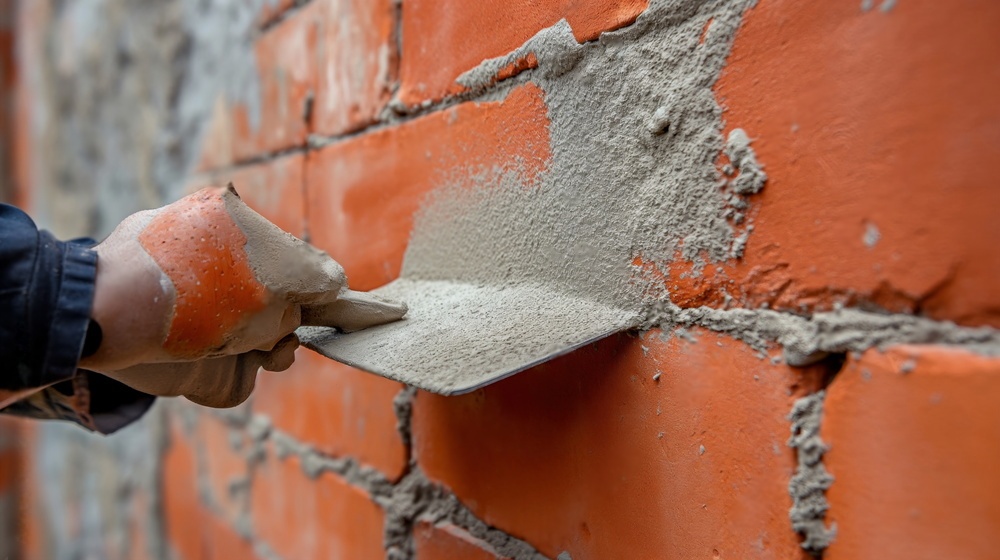
For many brick surfaces, a masonry-compatible paint stripper combined with gentle scraping is one of the best starting methods.
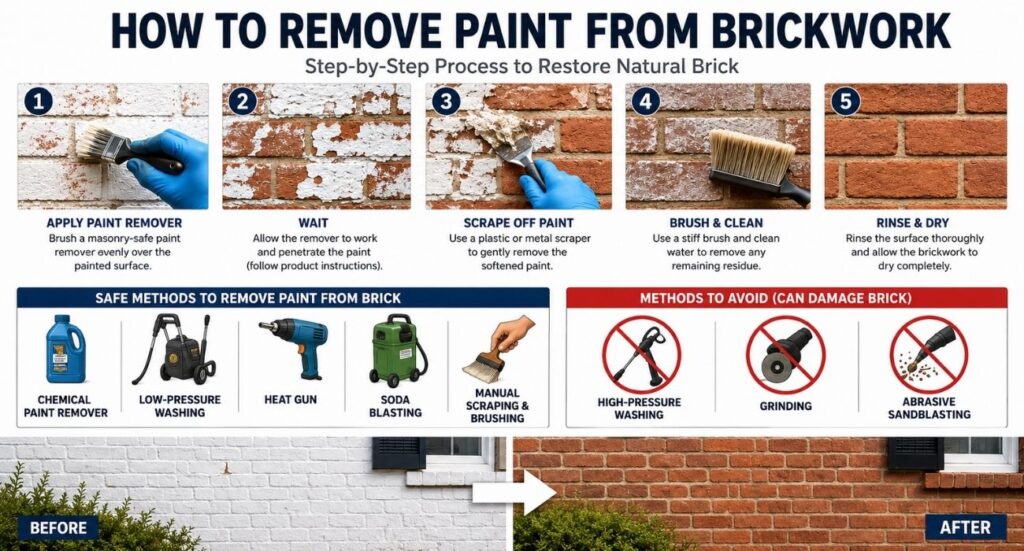
A typical brick paint removal process includes:
- Inspect the brick and mortar.
- Identify the type of paint if possible.
- Protect nearby surfaces.
- Test a small section.
- Apply a masonry-safe paint remover.
- Allow the product to soften the coating.
- Carefully remove the loose paint.
- Clean away remaining residue.
- Allow the brick to dry.
- Repeat the process where necessary.
Several layers of old paint may require more than one treatment.
How Do You Remove Paint From Brickwork? 7 Best Methods
Different brick surfaces require different removal methods. Choosing the right technique helps protect the masonry while producing a cleaner finish.
1. Use a Masonry Paint Stripper
A masonry-compatible paint stripper is one of the most common ways to remove paint from brick.
The product works by weakening the bond between the paint and masonry. Once the coating softens, it can usually be removed with less aggressive scraping.
How to Use Paint Stripper on Brick
- Start by protecting floors, plants, doors, windows, siding, and nearby surfaces.
- Remove loose dirt from the brick.
- Apply the paint remover according to the manufacturer directions.
- Allow enough time for the stripper to penetrate the coating.
- Once the paint begins to loosen, carefully remove it using a suitable scraper or masonry-safe brush.
- Clean the brick according to the product instructions.
- A second application may be necessary if several paint layers are present.
2. Use a Paint Stripping Sheet
Paint stripping sheets can be useful for walls with several coats of paint. A stripping paste is applied to the painted brick and then covered with a special sheet or membrane.
The system keeps the remover against the paint for an extended period. When the sheet is removed, loosened paint can come away with it.
This method can work well for:
- exterior brick walls
- interior exposed brick
- fireplaces
- detailed masonry
- several coats of old paint
It can also help reduce some of the mess caused by loose paint flakes.
3. Gently Scrape Loose Paint
Manual scraping may be enough when the paint is already peeling.
Use a suitable scraper and work slowly.
Do not force the tool into the surface of the brick.
This technique works best for:
- peeling paint
- small paint spots
- brick fireplaces
- isolated areas
- brick trim
- minor touch-up projects
Manual scraping gives you greater control but can take considerable time on large walls.
4. Use a Nylon or Masonry Brush
A stiff nylon brush can help remove softened paint left behind after applying a paint stripper.
Work gently rather than aggressively scrubbing the brick.
Some wire brushes can scratch softer bricks or leave visible marks. Test the brush before treating the entire wall.
Brushing normally works best as a finishing step rather than the main paint removal method.
5. Use Low-Pressure Water Cleaning Carefully
Water cleaning may help remove loosened paint and residue from suitable exterior brick.
However, excessive pressure can damage masonry.
Strong pressure may:
- erode mortar joints
- damage the brick face
- force water inside the wall
- expose weak masonry
- cause additional deterioration
If water cleaning is appropriate, begin with the least aggressive pressure possible.
Older or already damaged brick should be inspected before using a pressure washer.
6. Professional Media or Soda Blasting
Specialized blasting systems can be used for large brick restoration projects. These methods use controlled media to remove paint and other surface coatings.
However, blasting is not suitable for every brick wall. The type of media, pressure level, brick condition, and mortar strength all affect the results.
If done incorrectly, blasting can damage the brick surface and change its natural texture. For this reason, professional evaluation is recommended before using any abrasive blasting method.
7. Professional Brick Paint Removal
DIY paint removal is not suitable for every property.
Professional masonry services may be the safer choice when dealing with:
- historic brick
- soft or damaged masonry
- several paint layers
- large exterior walls
- deteriorated mortar
- difficult access
- commercial buildings
- unknown coatings
A professional can evaluate the brick first and select a removal method that reduces the risk of unnecessary masonry damage.
How to Remove Paint From Exterior Brick
Exterior brick usually receives more weather exposure than interior masonry. When homeowners ask how do you remove paint from brickwork outdoors, the answer usually depends on the age of the wall, paint type, and condition of the mortar.
Before removing paint, inspect the wall carefully.
Look for:
- cracked mortar
- loose brick
- spalling
- moisture stains
- missing mortar
- deteriorated joints
These problems should be considered before aggressive cleaning begins.
For many exterior brick walls, the process may involve applying a masonry paint remover, allowing it to soften the paint, gently scraping the coating, and cleaning the remaining residue.
Always begin with a test section.
Removing Paint From Brick in Maryland
For Maryland homeowners asking how do you remove paint from brickwork, local weather conditions should also be considered. Rain, humidity, freezing temperatures, and seasonal temperature changes can weaken older exterior masonry.
These conditions can affect exterior brick and mortar over time.
If painted brick already has cracks, failing mortar, or moisture problems, removing the coating without first inspecting the masonry may expose additional damage.
Maryland homeowners should inspect older exterior walls before starting a major brick paint removal project.
Professional masonry repair may sometimes be required before or after removing the paint.
How to Remove Paint From Interior Brick
Interior brick requires careful preparation.
Protect:
- flooring
- furniture
- trim
- walls
- doors
- nearby fixtures
If using a chemical paint remover indoors, ensure proper ventilation and follow all manufacturer safety directions.
Work in manageable sections rather than coating the entire wall at once.
After the paint is removed, clean the brick and allow it to dry thoroughly.
How to Remove Paint From a Brick Fireplace
Brick fireplaces are often covered with old paint, especially in older homes. Start by cleaning away soot, dust, and loose debris.
Next, test a masonry-safe paint stripper on a small area. Let the paint soften, then gently scrape it away.
Several paint layers may require more than one application. Keep the fireplace unused until the paint removal process is complete and the brick is fully dry.
How to Remove Latex Paint From Brick
Latex paint can often be softened with a compatible paint remover.
Fresh splashes are usually easier to remove than paint that has cured for years.
For older latex paint:
- apply a masonry-compatible remover
- allow proper dwell time
- scrape gently
- brush away loosened material
- clean the surface
- repeat where necessary
Avoid aggressively sanding brick because it can damage the masonry surface and create unnecessary dust.
How to Remove Oil-Based Paint From Brick
Oil-based paint can be harder to remove because it bonds strongly to porous brick surfaces. A masonry-safe paint stripper may be needed to break down the coating.
Older or thicker paint may require more than one application. For large areas, work carefully, especially if the paint type or age is unknown.
Removing Paint From Old Brick
Older brick needs extra care because it is often softer than modern masonry. Historic mortar can also be more sensitive to harsh cleaning methods.
Avoid aggressive pressure washing, grinding, sanding, or abrasive blasting. These methods can permanently damage the brick surface.
For historic brick, use the gentlest effective method and consider hiring an experienced masonry restoration contractor.
Check for Lead Paint on Older Properties
Before removing old paint, consider its age because older coatings may contain lead.
Scraping, sanding, heating, or blasting lead-based paint can release harmful dust. If you suspect lead paint, have it tested and follow proper safety guidelines.
For large areas, professional lead-safe paint removal is usually the safer option.
Paint Removal Methods to Avoid
Some methods may remove the coating quickly but can also damage brick.
Aggressive Sanding
Power sanding can grind away part of the brick surface.
It also produces significant dust.
Grinding
Grinding tools are generally too aggressive for normal brick paint removal and can leave permanent marks.
Excessive Pressure Washing
High water pressure can damage both mortar and brick.
Aggressive Sandblasting
Traditional abrasive blasting can remove the protective surface of masonry.
Excessive Heat
High heat can introduce additional risks and may not be appropriate for older coatings.
The safest approach is usually the least aggressive method that successfully removes the paint.
Tools Needed to Remove Paint From Brick
Depending on the project, you may need:
- masonry paint stripper
- paint scraper
- nylon brush
- protective sheeting
- painter tape
- chemical-resistant gloves
- eye protection
- suitable respiratory protection
- cleaning cloths
- buckets
- manufacturer-recommended cleaning supplies
Never assume that one paint remover is suitable for every type of masonry.
Read the product label carefully.
Common Mistakes When Removing Paint From Brick
Avoid these common brick paint removal mistakes:
- skipping the test patch
- using too much pressure
- aggressively scraping the brick
- damaging mortar joints
- using the wrong paint remover
- ignoring existing cracks
- rushing the stripper dwell time
- using abrasive tools on soft brick
- failing to protect windows and nearby surfaces
- ignoring possible lead paint
- sealing or repainting damp brick
Taking a little more time at the beginning can help prevent expensive masonry repairs later.
How Long Does Brick Paint Removal Take?
The timeline depends on the project.
A small painted fireplace may take several hours.
A complete exterior wall may require several days.
The total time depends on:
- size of the surface
- number of paint layers
- paint type
- condition of the brick
- weather
- access
- chosen removal method
Stubborn coatings may require multiple stripping applications.
Can You Completely Remove Paint From Brick?
In some cases, yes.
However, complete paint removal cannot always be guaranteed.
Brick is porous. Pigment may remain inside deeper pores even after the main coating has been removed.
The finished masonry may show:
- light staining
- small paint traces
- uneven color
- previous repairs
- differences between painted and unpainted areas
Testing a small area first helps you understand what the finished wall may look like.
Is It Better to Remove Paint or Repaint Brick?
The right choice depends on the brick and existing coating.
Repainting may make sense when the paint is well bonded and the masonry underneath remains sound.
Paint removal may be preferred when:
- paint is severely peeling
- you want natural exposed brick
- several paint layers have accumulated
- masonry repairs are needed
- the existing coating is failing
- you are restoring an older property
Inspect the condition of the brick before making the final decision.
DIY vs Professional Brick Paint Removal
Small paint spots may be manageable as a DIY project.
Removing paint from an entire exterior wall is more complicated.
DIY May Be Suitable When:
- the area is small
- the brick is in good condition
- the paint type is known
- access is easy
- only one or two layers are present
Consider a Professional When:
- the brick is historic
- mortar is deteriorating
- several paint layers are present
- the wall is large
- the coating is unknown
- brick faces are already damaged
- working at height is required
Professional inspection can also uncover masonry problems hidden beneath the paint.
When Should You Call a Masonry Contractor?
Consider professional help if you notice:
- cracked bricks
- crumbling mortar
- loose masonry
- spalling
- deep cracks
- water damage
- large painted surfaces
- multiple old paint layers
- historic masonry
Removing the coating may expose brick repairs that need to be completed before the wall can be fully restored.
Professional Brick Restoration in Maryland
Knowing how do you remove paint from brickwork is only the first step. The condition of the masonry underneath is just as important.
USA Builders and Developers provides professional masonry and exterior restoration services throughout Maryland.
Our team can inspect painted or damaged masonry and recommend the appropriate solution based on the condition of your brickwork.
Our masonry services can help with:
- brick repair
- mortar repair
- tuckpointing
- masonry restoration
- exterior masonry repair
- damaged brick replacement
- exterior renovation
Proper brick restoration can improve the appearance of your property while protecting the masonry from future deterioration.
Contact USA Builders and Developers for professional masonry services in Maryland.
Frequently Asked Questions About Brick Paint Removal
How do you remove paint from brick without damaging the brick?
The safest way is to use a masonry-safe paint remover and avoid aggressive tools or high pressure.
Step-by-Step Removal Process
- Inspect the Brick: Check for cracks, loose mortar, or damaged areas.
- Clean the Surface: Remove dust, dirt, and loose paint.
- Test a Small Area: Try the remover on a hidden section first.
- Apply Paint Remover: Spread a masonry-safe paint stripper evenly.
- Let It Soften the Paint: Follow the product recommended wait time.
- Scrape Gently: Use a plastic scraper to lift softened paint.
- Brush Stubborn Areas: Use a soft nylon brush for leftover paint.
- Rinse Carefully: Wash away residue using low-pressure water.
- Allow the Brick to Dry: Let the surface dry completely before sealing or repairing it.
Avoid grinding, harsh sanding, aggressive wire brushing, and high-pressure washing because they can damage the brick face and mortar joints.
How do I remove paint from brickwork?
To remove paint from brickwork, start with a masonry-safe paint remover. Apply it to a small test area first, let it soften the paint, then gently scrape the coating with a plastic scraper or soft nylon brush.
For larger areas, work in small sections and rinse away residue with low-pressure water. Avoid aggressive sanding, grinding, or high-pressure washing because these methods can damage the brick surface and mortar joints.
What is the best paint remover for brickwork?
The best paint remover for brickwork is a masonry-safe chemical paint stripper designed specifically for brick, concrete, or stone surfaces. Gel or paste-based removers often work well because they stay on vertical brick surfaces longer and help soften multiple paint layers.
Choose a product that matches the paint type and always test it on a small hidden area first. For older or historic brick, use the gentlest masonry-compatible remover possible and avoid harsh acids or aggressive abrasive methods.
Can WD-40 remove paint from brick?
WD-40 may help loosen small, fresh paint spots, but it is not a good choice for removing large areas of paint from brickwork.
Brick is porous, so WD-40 can soak into the surface and leave an oily stain or residue. For proper brick paint removal, use a masonry-safe paint stripper instead. Always test any product on a small hidden area first.
Will vinegar remove paint from bricks?
Vinegar may help loosen small or fresh paint spots, but it is usually not strong enough to remove thick, old, or multiple layers of paint from brick.
For better results, use a masonry-safe paint remover designed for brick surfaces. Always test it on a small hidden area first to make sure it does not stain or damage the brick.
Final Thoughts
Removing paint from brickwork takes patience and the right technique. A masonry-safe paint remover, gentle scraping, and careful cleaning can help restore the natural look of brick without causing unnecessary damage.
If the brick is old, damaged, or covered with several layers of paint, professional help may be the safer choice. USA Builders and Developers provides reliable masonry and brick restoration services throughout Maryland, helping homeowners protect and improve their exterior surfaces with long-lasting results.
Have Questions? Call Us Now!
We’re here to help—quick answers, friendly service, anytime you need!


Contact USA Builders and Developers
🌐 Website: www.usabuildersanddevelopers.com
📍 Serving: Baltimore, Bethesda, Silver Spring, and Montgomery Maryland
📌 Address: 2144 Priest Bridge Court, Suite 8, Crofton, MD 21114, USA