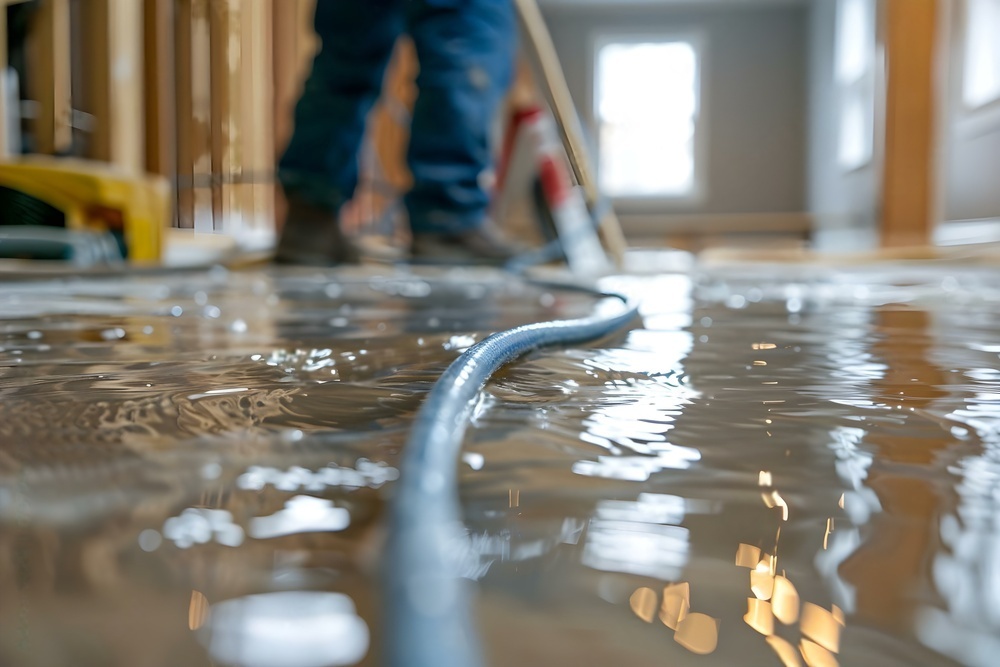
A wet basement can become a serious problem. Water can damage walls, floors, insulation, and your foundation. A Basement Drainage System helps control this water. It collects moisture and moves it away from your home.
For Maryland homeowners, proper drainage is especially important. Heavy rain, storms, groundwater, and poor yard grading can all cause basement moisture.
At USA Builders and Developers, we help homeowners protect their properties with practical drainage and waterproofing solutions.
What Is a Basement Drainage System?
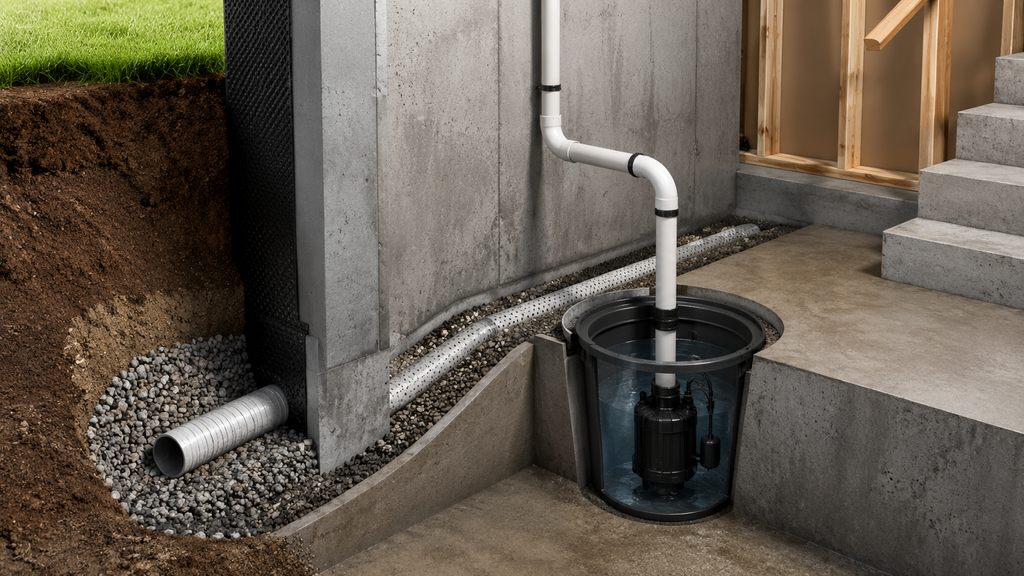
A Basement Drainage System collects water around or inside your foundation. It then redirects that water to a safe drainage point.
The goal is simple. Keep water away from your basement and reduce pressure on your foundation. Some systems are installed inside the basement. Others are installed outside the foundation.
The right option depends on your home structure, soil, drainage, and source of water.
Why Do Maryland Homes Need Basement Drainage?
Maryland homes can face heavy rainfall throughout the year. Stormwater can quickly collect around a foundation.
Poor drainage can make the problem worse. Water may sit against basement walls and eventually find its way inside.
Older homes may also have outdated drainage or waterproofing. Small foundation cracks can allow moisture to enter.
A proper drainage system gives that water a controlled path away from your home.
How Does a Basement Drainage System Work?
The system starts by collecting water before it causes major damage. Drainage pipes guide the water toward a safe outlet.
In many basement systems, water flows into a sump pit. A sump pump then removes the collected water from the basement.
Exterior systems work differently. They collect groundwater outside the foundation before it reaches the basement walls.
The exact setup depends on the property drainage conditions and foundation design.
Types of Basement Drainage Systems
Different drainage methods work for different properties. A professional inspection can help determine which system fits your home.
- Interior Drainage System
An interior drainage system is installed along the basement perimeter. It collects water that enters through walls or floor joints. The collected water moves through drain pipes and is directed toward a sump pit or suitable drain. - Exterior French Drain
An exterior French drain is installed around the foundation. It helps collect groundwater before it reaches basement walls. This method can work well when there is enough access around the outside of the home. - Sump Pump System
A sump pump removes water collected in a sump pit. It automatically starts when the water level reaches a certain point. A reliable pump can provide important protection during heavy Maryland storms. - Surface Drainage
Surface drainage controls rainwater before it reaches the foundation. Gutters, downspouts, grading, and surface drains all play a role. Water should always flow away from your foundation rather than toward it.
Basement Drainage System Comparison Table
| System Type | Installation Area | Main Function | Best For | Maintenance Level |
|---|---|---|---|---|
| Interior Drainage System | Inside basement perimeter | Collects water entering through walls/floor | Existing basement leaks | Low |
| Exterior French Drain | Around foundation outside | Stops groundwater before entering home | New construction or excavation access | Medium |
| Sump Pump System | Basement sump pit | Pumps out collected water | Flood-prone basements | Medium |
| Surface Drainage | Yard, roof, exterior | Redirects rainwater away from home | Preventing water entry | Low |
Signs Your Basement Needs Better Drainage
Some warning signs are easy to overlook. Others indicate that water is already affecting your basement.
Watch for:
- Damp basement walls
- Wet or cold floors
- Water stains
- Musty odors
- Mold or mildew
- Peeling paint
- White mineral deposits
- Cracks around the foundation
- Standing water after rain
- Frequently running sump pumps
These signs should not be ignored. Finding the source early can help prevent expensive repairs.
Common Causes of Basement Water Problems
Basement moisture does not always come from one source. Several drainage problems can contribute to water intrusion.
- Poor Yard Grading
Your yard should slope away from your home. If it slopes toward the foundation, rainwater can collect against basement walls. - Clogged Gutters
Blocked gutters can overflow during heavy rain. The water may then collect near your foundation. - Short Downspouts
Downspouts should discharge water away from the house. If they release water too close to the foundation, moisture problems can develop. - Foundation Cracks
Even small cracks can allow water to enter. Cracks should be inspected before they become larger. - Poor Waterproofing
Drainage and waterproofing work together. If your basement lacks proper protection, moisture can continue to enter.
Basement Water Risk Levels (Maryland Homes)
| Condition | Risk Level | Possible Result |
|---|---|---|
| Minor dampness after rain | Low | Surface moisture only |
| Water stains on walls | Medium | Ongoing seepage |
| Standing water in basement | High | Flooding risk |
| Cracks + moisture + mold | Very High | Structural damage risk |
Basement Drainage vs Basement Waterproofing
Drainage and waterproofing are related, but they serve different purposes.
A drainage system manages water. It collects and redirects water away from the foundation.
Waterproofing focuses on stopping moisture from entering. It may involve wall coatings, membranes, sealants, or other protective methods.
Some Maryland homes need both solutions. A professional inspection can identify the right approach.
Benefits of a Basement Drainage System
A properly designed drainage system offers several benefits.
Helps Prevent Basement Flooding
The system gives water a controlled path away from your basement. This can reduce the risk of standing water.
Protects Your Foundation
Too much water can increase pressure against foundation walls. Proper drainage helps manage this pressure.
Reduces Moisture
A drier basement is less likely to develop persistent dampness. It can also help reduce musty odors.
Helps Prevent Mold
Mold needs moisture to grow. Controlling water can help create a less favorable environment for mold.
Protects Your Property
Water damage can affect flooring, drywall, furniture, and stored belongings. Drainage helps protect these areas.
Estimated Basement Drainage Cost in Maryland
| System Type | Average Cost Range | Key Factors |
|---|---|---|
| Interior Drainage System | $3,000 – $8,000 | Basement size, labor, access |
| Exterior French Drain | $5,000 – $15,000 | Excavation depth, soil type |
| Sump Pump Installation | $800 – $2,500 | Pump type, backup system |
| Full Waterproofing System | $6,000 – $20,000+ | Combined solutions |
Note: Final cost depends on inspection and site conditions.
How to Maintain Your Basement Drainage System
A drainage system needs regular attention. Simple maintenance can help keep it working properly.
Check your sump pump before periods of heavy rain. Make sure it starts and stops correctly.
Keep gutters and downspouts clear. Confirm that downspouts discharge water away from the foundation.
Inspect visible drains for blockage. Also look for new cracks, damp areas, or water stains.
If your basement continues to leak, do not rely only on temporary fixes. The underlying drainage problem should be identified.
When Should You Call a Professional?
Do not wait for major flooding before getting help. Repeated moisture is a sign that something needs attention.
Call a professional if you notice water after rain. The same applies to foundation cracks, mold, or recurring basement dampness.
A professional can inspect the foundation and drainage conditions. They can then recommend a solution based on your home needs.
Protect Your Maryland Home From Basement Water
A reliable Basement Drainage System can help protect your basement and foundation from unwanted water.
The right system depends on where the water comes from. It also depends on your foundation, soil, grading, and existing drainage.
If your Maryland basement has moisture, leaks, or standing water, take action early.
USA Builders and Developers provides basement drainage and waterproofing services to help protect your home.
FAQs
What is the best Basement Drainage System for a Maryland home?
It depends on the source of the water. An interior drain, exterior French drain, sump pump, or combination system may be recommended.
How do I know if my basement has a drainage problem?
Look for damp walls, water stains, musty odors, standing water, mold, or water appearing after rainfall.
Does basement drainage stop foundation leaks?
It can help control groundwater and reduce water pressure. However, foundation cracks may also require separate repair or waterproofing.
Is a sump pump part of a basement drainage system?
Often, yes. A sump pump can remove water collected by an interior drainage system and discharge it away from the home.
Can basement drainage prevent mold?
Good drainage helps reduce moisture. Since excess moisture supports mold growth, controlling water can help reduce the risk of mold.
Conclusion
A reliable Basement Drainage System in Maryland helps protect your home from water damage, basement moisture, and foundation problems.
It can redirect groundwater, reduce water pressure, and help keep your basement dry during heavy rain. If you notice damp walls, water stains, leaks, or standing water, it is better to act early.
Contact USA Builders and Developers for professional basement drainage and waterproofing services in Maryland.
Have Questions? Call Us Now!
We’re here to help—quick answers, friendly service, anytime you need!