A built up roof is a popular choice for flat and low-slope buildings. It is made with several layers of roofing materials that work together to protect the building from water, sunlight, and weather.
This type of roof is also called built-up roofing (BUR). It has been used for many years because of its strength and reliable waterproofing.
For Maryland property owners, a durable roof is important. Summers can be hot and humid, while winter can bring snow, ice, and freezing temperatures. A well-installed built up roof can handle these changing conditions when it is properly designed and maintained.
In this guide, you will learn what a built up roof is, how it works, its benefits and drawbacks, cost, lifespan, maintenance, and whether it is a good option for your Maryland property.
What Is a Built Up Roof?
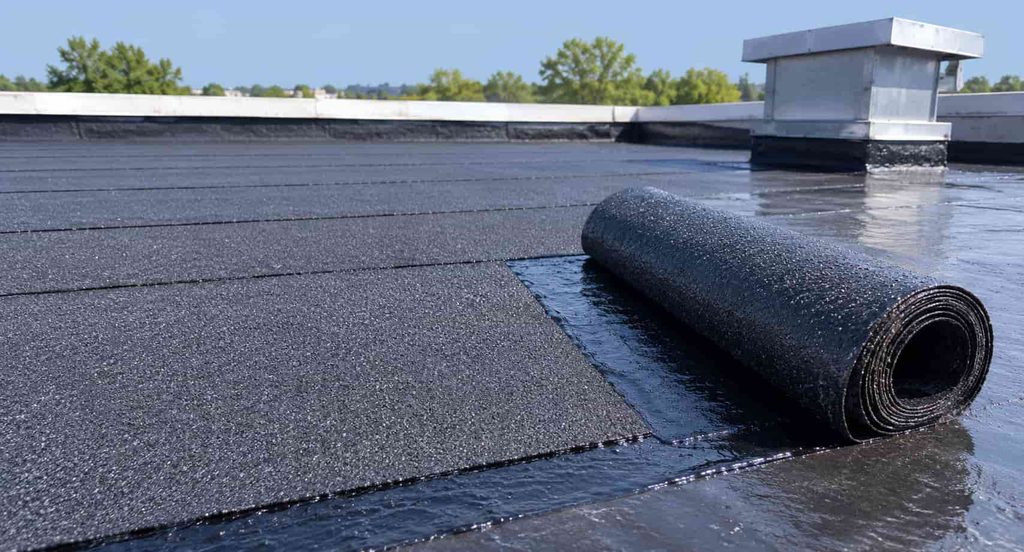
A built up roof is a roofing system made from several layers.
The main materials include bitumen and reinforcing sheets. These layers are combined to create a thick protective surface over the roof.
A typical built up roofing system may include:
- A base sheet
- Bitumen
- Reinforcing fabric
- Additional layers of bitumen
- A protective top surface
The number of layers can vary depending on the roofing system and building.
The main idea is simple. Instead of relying on one roofing layer, BUR uses several layers to create stronger protection.
How Does a Built Up Roof Work?
The layers of a built up roof work together to protect the building.
First, the roof surface is prepared. Any damaged areas should be repaired before the new roofing system is installed.
Next, a base sheet is placed over the roof deck. Bitumen is then applied with reinforcing sheets between the layers.
This process is repeated to build the roofing membrane.
A protective surface is then added to help protect the roof from sunlight, weather, and everyday wear.
The finished system creates a strong barrier that helps keep water out.
7 Benefits of a Built Up Roof
A built up roof can offer several benefits for Maryland properties.
1. Strong Waterproofing
Water protection is one of the biggest benefits of BUR.
The multiple layers create a thick barrier that helps stop water from reaching the building below.
This can be especially useful for flat roofs, where proper drainage is important.
2. Long-Lasting Performance
A properly installed built up roof can last for many years.
With regular inspections and maintenance, a BUR system can often provide around 20 to 30 years of service, depending on materials, weather, installation, and roof conditions.
3. Multiple Layers Add Protection
The layered design gives BUR an advantage over some single-layer systems.
Each layer adds another level of protection. This can help the roof handle normal wear and minor surface damage.
4. Good Weather Resistance
Maryland roofs deal with changing weather throughout the year.
A built up roof can provide protection against:
- Heavy rain
- Snow
- Ice
- Sun exposure
- Wind
- Temperature changes
Proper installation is still important for reliable performance.
5. Good Fire Resistance
Many BUR systems offer good fire-resistant properties.
The exact level of protection depends on the materials and complete roofing assembly.
6. Different Surface Options
A built up roof can have different protective finishes.
Depending on the system, the surface may use gravel, mineral materials, or a reflective coating.
These finishes can help protect the roof from sunlight and physical damage.
7. Repair Options
A damaged BUR roof does not always need complete replacement.
Small problems may be repaired if the rest of the roofing system is still in good condition.
A professional inspection can help determine whether repair, restoration, or replacement makes more sense.
Disadvantages of a Built Up Roof
Although BUR has many advantages, it is not right for every building.
It Can Be Heavy
Multiple layers can make a built up roof heavier than some single-ply roofing systems.
The building structure should be checked before adding a new roofing system.
Installation Can Take More Time
Because BUR is made from several layers, installation can be more involved than some other roofing systems.
Experienced workers are important for proper installation.
Some Systems Use Hot Asphalt
Certain BUR installation methods use hot asphalt.
This requires proper safety procedures and trained roofing professionals.
Leak Detection Can Be Difficult
Because the roof contains several layers, finding the exact source of a leak can sometimes take more work.
A leak inside the building may not be directly below the damaged area.
Is a Built Up Roof Good for Maryland?
A built up roof in Maryland can be a good option for many flat and low-slope buildings.
Maryland experiences different weather conditions throughout the year. Your roof may face hot summer temperatures, heavy rain, snow, ice, and humidity.
A BUR system can provide strong protection when it is correctly installed.
However, the climate is not the only factor to consider.
A roofing professional should also look at:
- Roof slope
- Drainage
- Existing roofing
- Roof deck condition
- Building structure
- Insulation
- Flashing
- Roof access
- Budget
A professional evaluation can help you decide whether BUR is suitable for your property.
Where Is Built Up Roofing Used?
Built up roofing is commonly used on flat and low-slope buildings.
It can be found on:
- Commercial buildings
- Warehouses
- Office buildings
- Retail properties
- Industrial buildings
- Apartment buildings
- Garages
- Low-slope residential structures
The best roofing system depends on the building and its specific needs.
Built Up Roof vs EPDM vs TPO
Property owners often compare BUR with other flat roofing systems.
| Feature | Built Up Roof | EPDM | TPO |
|---|---|---|---|
| Construction | Multiple layers | Single membrane | Single membrane |
| Waterproofing | Excellent | Excellent | Excellent |
| Durability | High | High | High |
| Weight | Higher | Lower | Lower |
| Installation | More involved | Usually simpler | Usually simpler |
| Reflective options | Available | Available | Common |
| Common use | Flat and low-slope roofs | Flat and low-slope roofs | Flat and low-slope roofs |
There is no single roofing system that is best for every property.
Your roof’s condition, structure, drainage, budget, and long-term goals should all be considered.
How Long Does a Built Up Roof Last?
A built up roof can provide many years of protection. A properly installed system may last around 20 to 30 years or longer with good maintenance.
However, several factors affect its lifespan.
These include:
- Quality of installation
- Roofing materials
- Weather exposure
- Drainage
- Maintenance
- Foot traffic
- Flashing condition
- Ponding water
Regular inspections can help extend the useful life of the roof.
Built Up Roof Maintenance Tips
Even a durable roofing system needs regular care.
Inspect the Roof
Have the roof inspected regularly. It is also a good idea to check it after major storms.
Look for:
- Cracks
- Blisters
- Damaged flashing
- Loose surface materials
- Ponding water
- Damaged roof edges
Keep Drains Clear
Leaves and debris can block roof drains.
Blocked drains can allow water to sit on the roof. Over time, this can lead to roofing problems.
Check Flashing
Flashing around vents, walls, drains, and other roof openings should be checked regularly.
Damaged flashing can allow water to enter the building.
Remove Debris
Branches and other debris can damage the roof surface.
Keep the roof clean and free of unnecessary debris.
Fix Problems Early
Do not ignore small leaks or damaged areas.
A small roofing problem can become much more expensive if water reaches the insulation or roof deck.
Signs Your Built Up Roof Needs Repair
Your roof may need professional attention if you notice:
- Water stains on ceilings
- Recurring leaks
- Ponding water
- Cracked areas
- Damaged flashing
- Blisters
- Loose roofing materials
- Sagging areas
- Wet insulation
- Damaged roof edges
A visible leak does not automatically mean that the entire roof needs to be replaced.
An inspection can help determine the right solution.
When Should You Replace a Built Up Roof?
Sometimes repairs are no longer enough.
Roof replacement may be needed when there is widespread damage or the roofing system has reached the end of its useful life.
Consider a professional inspection if you have:
- Frequent leaks
- Extensive roof damage
- Wet insulation
- Severe deterioration
- Structural problems
- Repeated repair issues
- Major drainage problems
The roof’s overall condition matters more than its age alone.
Built Up Roof Cost in Maryland
The cost of a built up roof depends on the size and condition of the roof.
Other factors can include:
- Number of roofing layers
- Materials
- Labor
- Roof access
- Existing roof removal
- Insulation
- Flashing
- Drainage work
- Roof deck repairs
Current cost estimates can vary widely, so a professional inspection is the best way to get a realistic project price.
Do not choose a contractor based only on the lowest estimate.
Compare the complete scope of work, materials, warranties, preparation, repairs, and installation.
Built Up Roof Installation Process
Installing a built up roof involves several stages.
Step 1: Roof Inspection
The roofing contractor checks the existing roof and identifies damaged areas.
Step 2: Surface Preparation
The roof is cleaned and prepared. Damaged materials are repaired or removed when necessary.
Step 3: Base Sheet Installation
A base sheet is installed to create a stable foundation.
Step 4: Layer Installation
Bitumen and reinforcing materials are installed in multiple layers.
Step 5: Flashing Installation
Roof edges, drains, vents, and other openings are properly sealed.
Step 6: Protective Surface
A suitable top surface is installed to protect the roofing system.
Step 7: Final Inspection
The completed roof is checked for installation problems, drainage issues, and damaged areas.
Common Built Up Roof Problems
A built up roof can develop problems when it is poorly installed or not maintained.
Ponding Water
Water that remains on the roof for long periods can create problems.
Proper drainage is important.
Damaged Flashing
Flashing around roof openings and edges can deteriorate over time.
Blisters
Blisters may develop when moisture or air becomes trapped within the roofing system.
Cracks
Aging and weather exposure can cause surface cracks.
Blocked Drains
Leaves and debris can prevent water from draining properly.
Regular maintenance can help catch these issues early.
Is a Built Up Roof Right for Your Property?
A built up roof may be a good choice if your building has a flat or low-slope roof.
It can be especially useful when you want:
- Strong waterproofing
- A durable roofing system
- Multiple layers of protection
- Long-term performance
- A proven flat roofing option
However, other systems may be more suitable for some properties.
A roofing professional can compare BUR with EPDM, TPO, modified bitumen, and other options based on your building.
Why Choose USA Builders and Developers?
Installing a built up roof requires proper planning and experienced workmanship.
USA Builders and Developers provides roofing services for properties in Maryland. Our team can help evaluate your existing roof and determine whether repair, restoration, or replacement is the right approach. We focus on proper preparation, quality materials, drainage, flashing, and long-term roof performance.
Frequently Asked Questions
What is a built up roof?
A built up roof is a multi-layer roofing system made with bitumen and reinforcing materials. It is commonly used on flat and low-slope roofs.
How long does a built up roof last?
A properly installed and maintained built up roof can often last around 20 to 30 years or longer.
Is a built up roof good for Maryland?
Yes. A built up roof can work well for suitable Maryland flat and low-slope buildings when it has proper drainage and professional installation.
Is a built up roof waterproof?
A built up roof is designed to provide strong water resistance through its multiple layers. Proper flashing and drainage are also important.
How often should a built up roof be inspected?
Regular inspections are recommended, especially after severe weather. Professional inspections can help identify small problems before they become major repairs.
A built up roof is a strong and proven option for flat and low-slope buildings. Its multiple layers provide reliable protection against water and everyday weather exposure.
Final Thoughts
For Maryland properties, proper drainage and regular maintenance are especially important. A well-installed BUR system can provide many years of service when it is properly cared for.
Before choosing a roofing system, have your property inspected. Compare your options based on the roof’s condition, building structure, budget, and long-term needs.
The right roofing system is not always the cheapest one. It is the one that provides reliable protection and good value over time.
Have Questions? Call Us Now!
We’re here to help—quick answers, friendly service, anytime you need!