A small stain shows up on your ceiling after a heavy rain. Or you find a few shingles in the yard after a windy night. Now you are stuck with a big question: should you fix the roof or replace it? This choice, known as roof repair vs replacement, can affect your wallet and your home for the next twenty years.
Roofs in Maryland work hard. They face hot summers, icy winters, and strong storms. That wear builds up over time. This guide explains in plain words how to choose between a repair and a new roof, what each one costs, and what to check before you call anyone.
The Short Answer: Repair or Replace?
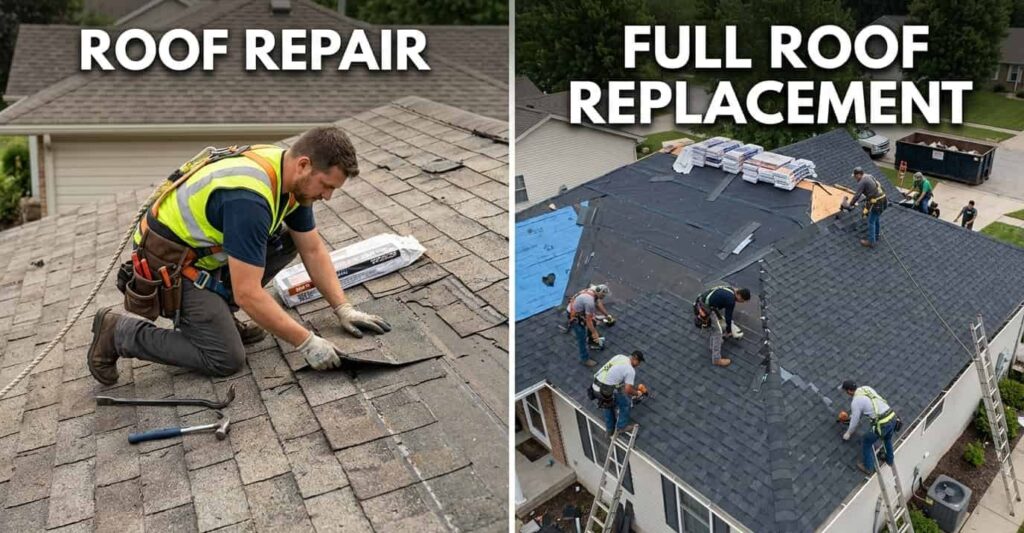
Repair your roof when the damage is small, stays in one area, and the roof is less than 15 years old. Replace it when the roof is close to the end of its life, has damage in many spots, or keeps leaking after repairs.
Here is a simple rule many roofers use. If the repair bill is close to one third of the price of a new roof, replacing usually makes more sense. You would be paying a lot to patch something that is about to fail anyway.
That is the heart of roof repair vs replacement. The rest of this guide helps you check your own roof against it.
What Does a Roof Repair Include?
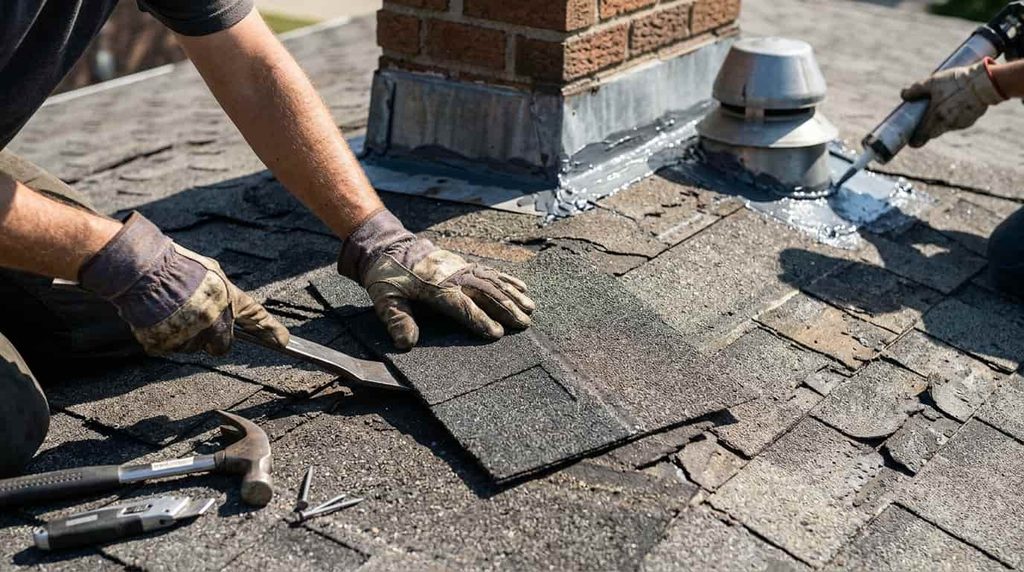
A repair fixes one problem without touching the rest of the roof. The roofer finds the damaged spot, removes the broken part, and puts in a new one. Common repairs include:
- Replacing missing, cracked, or curled shingles
- Sealing around chimneys, vents, and skylights
- Fixing flashing, the metal strips that keep water out at joints
- Patching small holes
- Repairing gutters that let water run under the roof edge
Roof leak repair is the most common roof repair job. The tricky part is that water often travels along the wood beams before it drips inside. The stain in your living room may start several feet away. A good roofer follows the water back to its source instead of only covering the stain.
A roof repair is quick, often finished in a day, and it costs far less than a new roof. The downside is simple. A repair fixes only the spot that was fixed, while the rest of the roof keeps aging.
What Does a Roof Replacement Include?
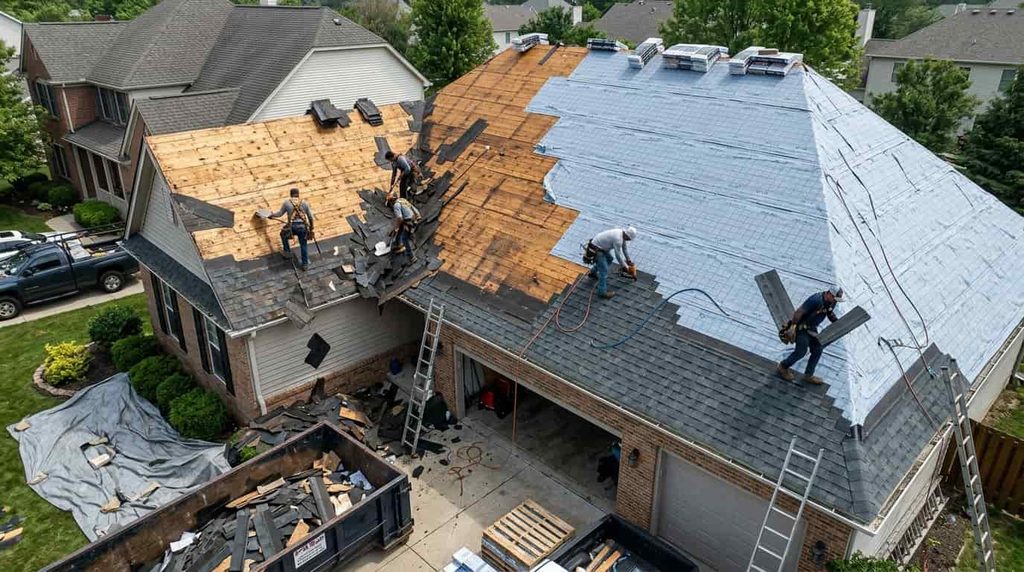
In roof repair vs replacement, a replacement means taking off the old roofing and putting on a new system. Most roofers remove the old layer first and check the wood deck underneath. They fix any rotten boards, then add a water barrier, new flashing, and new shingles or metal panels. Our roof replacement services follow these steps, so the roof repair vs replacement choice is clear before work starts.
Some homes can have a new layer of shingles installed over one old layer. This is called an overlay. It costs less, but it hides problems underneath and adds weight to the roof. In roof repair vs replacement, many pros prefer a full tear-off because they can see and fix the wood below.
A new roof gives you a fresh start. It usually comes with a warranty and improves comfort and curb appeal. It also costs a lot at once, so roof repair vs replacement is a hard choice for many homeowners. Judge roof repair vs replacement by age, damage, and long-term cost, not price alone. A clear roof repair vs replacement plan stops you from waiting too long.
Signs You Need a New Roof
Not sure what to look for? Walk around your house and check for these signs you need a new roof:
- Curling or cracking shingles. Shingles that curl at the edges or crack like dry leather have lost their protective layer.
- Bald spots. Shiny patches with no gritty granules mean a shingle is wearing out. Look in your gutters for piles of those granules.
- Sagging. A dip in the roofline can mean rotten wood or a weak frame. Call a pro right away.
- Leaks in more than one place. One leak may be a simple fix. Several leaks usually mean the whole roof is failing.
- Daylight in the attic. If you can see light through the boards, water can get in too.
- Heavy moss or dark streaks. A little is only cosmetic. A thick layer holds moisture against the roof and can lift shingles.
- High energy bills. A worn roof and poor attic airflow can make your home hotter in summer and colder in winter.
If you spot two or three of these at the same time, replacement deserves a serious look.
When a Repair Is Enough
A repair is a smart choice when:
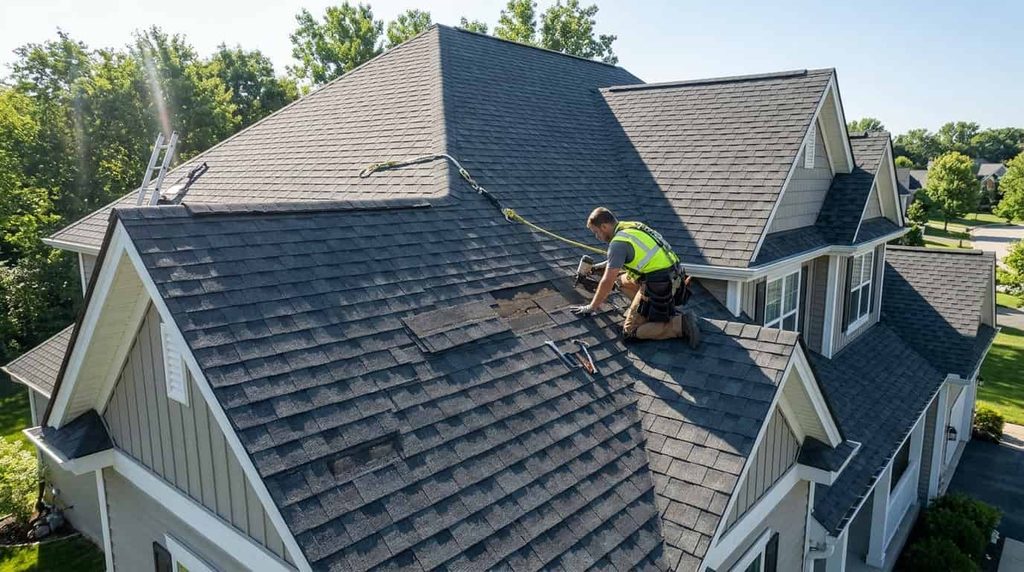
- Only a small area is damaged, like a handful of shingles after a storm
- Your roof is under 10 to 15 years old
- The wood deck under the shingles is dry and solid
- Past repairs have held up well
- You plan to sell soon and the roof is in good shape otherwise
Fixing things early also stops a small problem from growing. A few missing shingles cost little today. Left alone through a Maryland winter, they can let water soak the wood below, and then the bill gets much bigger.
How Long Does a Roof Last?
Homeowners often ask how long does a roof last, and the honest answer is that it depends on the material, the weather, and the care it gets. Here are typical ranges:
| Roof Material | Typical Lifespan |
|---|---|
| 3-tab asphalt shingles | 15 to 20 years |
| Architectural asphalt shingles | 20 to 30 years |
| Wood shakes | 20 to 30 years |
| Metal roofing | 40 to 70 years |
| Clay or concrete tile | 50 years or more |
| Slate | 75 years or more |
These are estimates, not promises. Poor ventilation, heavy shade, and storms can shorten them. Regular upkeep helps a roof reach the high end of its range. If you do not know how old your roof is, check your home records, ask the previous owner, or have a pro give you an estimate.
Roof Repair Cost vs Roof Replacement Cost
Price is where most homeowners start, so let’s look at it plainly. These are rough ranges for a typical home. Your real quote will depend on roof size, slope, material, and how hard the roof is to reach.
| Repair | Replacement | |
|---|---|---|
| Typical price | $300 to $1,500 for common fixes | $7,000 to $15,000 for an average asphalt roof |
| Time needed | A few hours to 2 days | 2 days to a week or more |
| How long it lasts | Depends on the roof’s age | 20 to 30 years or more |
| Best for | Small, local damage | Old roofs, wide damage, repeated leaks |
The average roof repair cost looks small next to a new roof, but it adds up if you keep fixing the same roof. In roof repair vs replacement, three repairs in three years can add up to a big part of a new roof, and you still own an old roof.
The roof replacement cost is higher at the start, but it buys you years without surprise bills. Metal and tile cost more up front and last much longer, so they can be a better deal over time. When you compare roof repair vs replacement on price alone, look at the cost per year of life, not just today’s bill.
Always ask for a written quote that lists materials, labor, and cleanup. A clear quote makes roof repair vs replacement easier to compare.
The One-Third Rule
Here is an easy way to test your decision. Get a quote for the repair and a quote for a full new roof. If the repair price is about one third or more of the new roof, the repair is probably not worth it, especially on a roof older than 15 years.
This is a guide, not a law. Some cases are different. A young roof with one damaged section should be repaired even if the quote seems high. A 25-year-old roof with leaks should usually be replaced even if the repair quote seems low.
Five Questions to Ask Before You Decide
1. How old is the roof? Under 10 years old, repair is likely. Over 20 years old, replacement is likely.
2. How much of the roof is hurt? A small area points to repair. Damage on several slopes points to replacement.
3. Has it leaked before? One leak with a clear cause can be fixed. Leaks that keep coming back mean something bigger is wrong.
4. How long will you stay in the home? If you plan to stay ten more years, a new roof gives peace of mind. If you plan to sell next year, a clean repair may be enough.
5. What can you afford right now? If a full roof is not in your budget, a good repair can buy time while you save. Just be honest with yourself about how much time it buys.
How Maryland Weather Affects Your Roof
Weather is one of the biggest reasons roofs age early. In Maryland, your roof deals with several kinds of stress in a single year:
- Hot summers. Strong sun dries out shingles and makes them brittle.
- Freezing winters. Water gets into tiny cracks, freezes, and expands. Over many winters, small cracks turn into big ones.
- Storms and wind. Heavy rain, high wind, and falling branches can cause sudden storm damage.
- Humidity. Damp air helps moss and algae grow, which hold water on the roof.
Because of this, many roofs in the area wear out closer to the low end of their normal lifespan. For homeowners here, roof repair vs replacement often leans toward replacement sooner than it would in a mild climate.
Storm Damage and Your Insurance
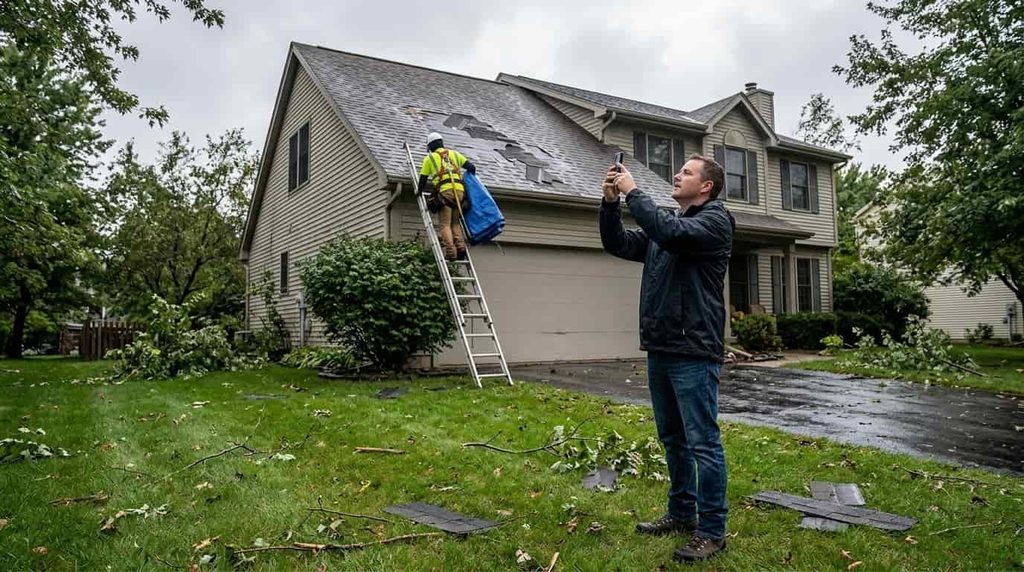
If a storm hits your area, act quickly but calmly. Here is a simple plan:
- Stay safe and do not climb on a wet or damaged roof.
- Take clear photos of the damage from the ground and inside your home.
- Cover leaks with a tarp or ask a pro to do it, to stop more water from getting in.
- Contact your insurance company and ask what your policy covers.
- Have a pro inspect the roof and write down what they find.
- Keep all receipts and reports.
Policies are different, so read yours or ask your agent about storm damage coverage. A detailed inspection report can make the claim process easier.
Will a New Roof Save Energy?
Sometimes, yes. Older roofs often have thin or worn insulation and poor airflow in the attic. That makes your heating and cooling work harder.
An energy efficient roof can help in a few ways:
- Reflective or “cool” shingles bounce sunlight away from your home
- Better attic ventilation lets hot air escape in summer
- New underlayment and sealing keep indoor air from leaking out
Savings depend on your home, your attic, and the materials you pick. In roof repair vs replacement, think of energy savings as a bonus, not the main reason to replace. It can still help balance the higher roof replacement cost over the years you own the home.
Can a Repair Be a Bad Idea?
Yes, in a few cases. In roof repair vs replacement, a repair can do more harm than good when:
- The problem is bigger than it looks. Rotten wood under a patch will keep rotting.
- The roof is at the end of its life. New shingles next to brittle old ones may not seal well, and the old ones can crack when workers walk on them.
- The colors do not match. Faded old shingles next to bright new ones can look patchy.
- You keep repairing. If you call for help every season, you are already paying for a new roof in small pieces.
In these cases, roof repair vs replacement usually points to replacement as the cheaper choice in the long run.
Common Mistakes to Avoid
Many people judge roof repair vs replacement by price alone. Here are other mistakes that cost homeowners money:
- Waiting too long. Small leaks damage insulation, wood, and ceilings quietly.
- Choosing the lowest quote without checking details. A very low price may mean thin materials or missing steps.
- Ignoring the attic. Damp insulation or dark wood in the attic is an early warning.
- Skipping the warranty talk. Ask what is covered, for how long, and who handles problems.
- Not getting it in writing. A written estimate protects both sides.
What Happens During a Roof Inspection?
A professional roof inspection is the quickest way to settle the roof repair vs replacement question. During a visit, an inspector usually checks:
- The shingles or panels for cracks, curling, and missing pieces
- Flashing around chimneys, vents, and valleys
- Gutters and downspouts
- The attic for damp spots, mold, and daylight
- The wood deck for soft or sagging areas
- Roof ventilation
A good inspector explains what they found, shows you photos, and gives you an honest recommendation. That report makes roof repair vs replacement much easier to decide. Try to have your roof checked once a year and after any big storm. Early checks catch small problems while they are still cheap to fix.
DIY or Hire a Pro?
Some jobs are fine to do yourself, like cleaning gutters from a ladder or looking for damage from the ground with binoculars. But roof work itself is risky. Falls from roofs cause serious injuries every year, and a wrong fix can cause leaks that are hard to trace.
For anything on the roof, it is safer and often cheaper in the long run to hire a licensed roofing contractor. When roof repair vs replacement is on the table, a pro has the right gear, knows local building rules, and can spot hidden problems you may miss.s.
How to Choose a Roofing Contractor
Take your time with this choice. A good roof depends as much on the crew as on the shingles. Look for:
- A valid license and insurance. Ask to see both.
- Local experience. A team that knows Maryland roofing and its weather will plan better.
- References and reviews. Ask for past customers you can call.
- A clear written estimate. It should list materials, labor, timeline, and cleanup.
- A real warranty. Get the details in writing.
- Honest advice. A good contractor will tell you when a repair is enough, even if a replacement would pay more.
Why Homeowners Choose USA Builders and Developers
At USA Builders and Developers, we help homeowners in Maryland with both repairs and full replacements. Our team looks at your roof first, then gives you an honest recommendation based on its condition and your budget. If a small repair is all you need, we will say so. If a new roof is the smarter choice, we will explain why in plain words.
We care about roofs that last. If you are stuck on roof repair vs replacement, contact us today for a free consultation, and let us help you make a clear decision.
Frequently Asked Questions
Is it better to repair or replace a roof?
It depends on age, damage, and cost. Repair is better for small, local damage on a young roof. Replacement is better for old roofs, widespread damage, or leaks that keep coming back.
How long does a roof last in Maryland?
Most asphalt shingle roofs last about 15 to 30 years. Maryland’s heat, freezing weather, and storms can push a roof toward the lower end of that range. Metal and tile roofs usually last longer.
How much does it cost to replace a roof?
For an average asphalt roof, many homeowners pay somewhere between $7,000 and $15,000. Metal, tile, and slate cost more. Roof size, slope, and the amount of repair work needed under the old roof also change the price. Always get a written quote.
Can I repair a roof that is 20 years old?
You can, but it is often a short-term fix. If the damage is small, a repair may buy you a few more years. If the roof has several problem areas, replacing it is usually the better deal.
Does roof repair vs replacement change if my roof is leaking?
A single leak with a clear cause can often be repaired. If leaks show up in more than one place, or keep returning after fixes, the roof is likely failing and replacement is the safer plan.
Conclusion
Choosing between roof repair vs replacement does not have to be confusing. Start with three simple checks: how old the roof is, how much of it is damaged, and what the repair would cost compared with a new roof. Walk around your home and look for the signs you need a new roof, such as curling shingles, bald spots, sagging, and leaks in more than one place.
If you are still unsure, book a professional roof inspection. An honest expert can tell you in one visit whether a repair will do the job or whether a new roof will save you money and stress in the long run.
The best choice is the one that keeps your home dry, fits your budget, and does not leave you facing the same problem next year.t.
Have Questions? Call Us Now!
We’re here to help—quick answers, friendly service, anytime you need!


Contact USA Builders and Developers
🌐 Website: www.usabuildersanddevelopers.com
📍 Serving: Baltimore, Betheda, Silver spring, and Montgomery Maryland
📌 Address: 2144 Priest Bridge Court, Suite 8, Crofton, MD 21114, USA