
Building a new home in Maryland is a major investment. It also involves many decisions before construction even begins.
You need to choose the right property, set a realistic budget, create a functional design, secure permits, and coordinate each stage of construction.
This home building checklist breaks the process into clear steps. It is designed to help Maryland homeowners understand what to plan before, during, and after construction.
Maryland requirements can vary by county and municipality. For example, Montgomery County requires permits before new-home construction, while Carroll County has specific requirements for plot plans, construction documents, and inspections.


Home Building Checklist at a Glance
Use this checklist to keep your new home project organized:
- Choose a qualified home builder.
- Set your budget and financing.
- Choose and evaluate your land.
- Create your home design.
- Check zoning and secure permits.
- Prepare the site.
- Build the foundation and structure.
- Install major home systems.
- Complete interior and exterior finishes.
- Complete inspections and the final walkthrough.
1. Choose the Right Home Builder
Choosing the right builder is one of the most important decisions in the entire project.
Look for a builder with experience in Maryland construction. Review previous projects and ask about their construction process.
Before signing a contract, discuss the project timeline, payment schedule, materials, warranties, change orders, and who will handle permits and inspections.
Maryland requires most home builders constructing new residential properties to register under the Maryland Home Builder Registration Act, subject to limited exceptions.
A qualified builder should communicate clearly and explain each stage before work begins.
Why Choose USA Builders and Developers?
USA Builders and Developers provides construction and development services for Maryland properties.
The company works on custom construction and related services, including roofing, masonry, waterproofing, and exterior construction.
Working with an experienced team can make it easier to coordinate design, construction, materials, inspections, and other project requirements.
2. Set Your Home Building Budget
Before construction begins, create a complete budget.
Do not focus only on the cost of the house itself. Land and site conditions can have a major effect on the total project cost.
Your budget may include:
- Land purchase
- Site preparation
- Architectural services
- Engineering
- Construction materials
- Labor
- Permits
- Inspections
- Utility connections
- Landscaping
- Appliances
- Interior finishes
It is also smart to keep a contingency fund for unexpected expenses.
Talk with your lender early if you need construction financing. Make sure you understand the loan requirements before committing to a construction plan.
3. Choose and Evaluate Your Land
The right lot can make the building process much easier.
Before purchasing land, investigate the property carefully. A lot that looks perfect may have drainage, soil, access, zoning, or utility challenges.
Check:
- Zoning requirements
- Property setbacks
- Lot dimensions
- Soil conditions
- Drainage
- Floodplain information
- Road access
- Water availability
- Sewer or septic requirements
- Electric and gas availability
Some Maryland properties may require additional site or environmental reviews. Local requirements can vary significantly by location.
A professional site evaluation can identify potential problems before you purchase or begin construction.
4. Create Your Home Design
Your home design should fit your lifestyle, budget, and future needs.
Think about how you use your home now. Then consider how your needs may change over time.
Plan your:
- Bedrooms
- Bathrooms
- Kitchen
- Living areas
- Storage
- Garage
- Outdoor spaces
- Home office
- Laundry area
Also consider natural light, ventilation, energy efficiency, and accessibility.
Make important design decisions early. Changes after construction starts can increase costs and delay the project.
5. Check Zoning and Secure Permits
Permits are an essential part of new home construction.
The exact requirements depend on where your property is located. Montgomery County, for example, requires a permit before construction of detached one- and two-family homes and certain townhouses. Other permits may also be required for electrical, mechanical, septic, well, fire protection, and right-of-way work.
Your project may require approvals related to:
- Building
- Zoning
- Electrical
- Plumbing
- Mechanical systems
- Grading
- Stormwater
- Septic
- Well
- Fire protection
Do not assume that one permit covers everything.
Your builder and design professionals should identify the approvals required for your specific property.
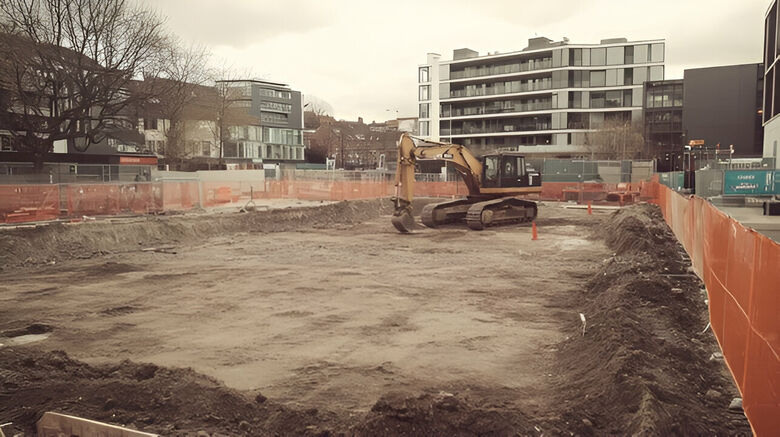
6. Prepare the Construction Site
Once the plans and permits are ready, site preparation can begin.
This stage may include clearing, excavation, grading, access preparation, and utility work.
Site preparation is important because soil and drainage conditions can affect the foundation and the long-term performance of the home.
Make sure the site plan addresses:
- Drainage
- Grading
- Erosion control
- Construction access
- Utility locations
- Foundation placement
- Stormwater management
Maryland counties may have specific requirements for site plans and environmental conditions. Carroll County, for example, requires detailed plot plans and information about property lines, structures, driveways, wells, septic areas, elevations, and other site features for new-home applications.
7. Build the Foundation and Structure
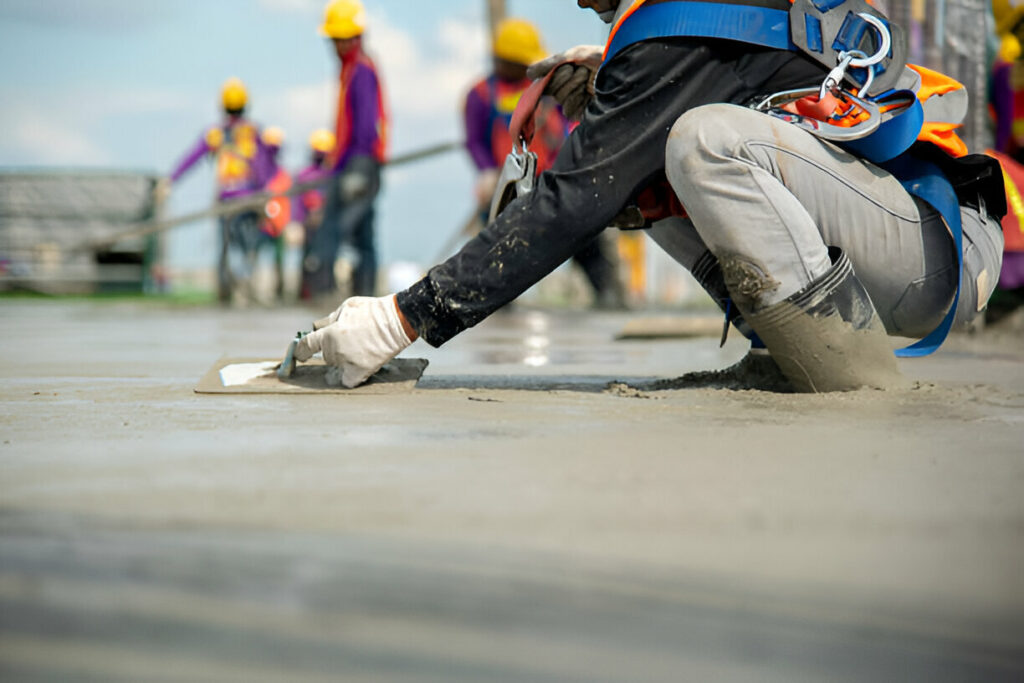
The foundation supports the entire home.
Depending on the design and site, the project may use a basement, crawl space, or slab foundation.
Foundation work can include:
- Excavation
- Footings
- Foundation walls
- Reinforcement
- Concrete
- Drainage
- Waterproofing
- Backfilling
After the foundation, framing gives the home its basic shape.
The construction team may then install:
- Floor framing
- Wall framing
- Roof framing
- Roof sheathing
- Windows
- Exterior doors
A strong foundation and properly constructed frame are essential for the home stability.
8. Install Plumbing, Electrical, and HVAC Systems
Once the structure is ready, the major home systems are installed.
This stage is often called the rough-in phase.
It can include:
- Electrical wiring
- Plumbing lines
- HVAC ductwork
- Heating systems
- Cooling systems
- Ventilation
- Internet wiring
- Security wiring
- Smart-home wiring
These systems should be planned before walls are closed.
Maryland local jurisdictions may require several inspections during construction. Carroll County, for example, lists building inspections for footing, foundation, draintile, slab, framing, insulation, and final work, along with electrical and plumbing inspections.
9. Complete Interior and Exterior Finishes
Once the major systems are installed and approved, finishing work begins.
Interior work may include:
- Insulation
- Drywall
- Interior painting
- Flooring
- Tile
- Cabinets
- Countertops
- Doors
- Trim
- Lighting
- Plumbing fixtures
Exterior work may include:
- Roofing
- Siding
- Masonry
- Exterior painting
- Gutters
- Downspouts
- Decks
- Patios
- Landscaping
Keep track of your material and finish selections.
Late decisions can affect both the schedule and the budget.
10. Complete Inspections and the Final Walkthrough
The final stage is more than checking whether the home looks finished.
Required inspections must be completed before occupancy. The exact inspection process varies by jurisdiction.
Before moving in, complete a detailed walkthrough with your builder.
Check These Areas
- Doors and windows
- Plumbing fixtures
- Electrical outlets
- Light switches
- HVAC systems
- Appliances
- Flooring
- Cabinets
- Countertops
- Paint
- Tile
- Roofing
- Gutters
- Exterior finishes
- Drainage
Create a written punch list for anything that needs correction.
The Maryland Attorney General also recommends a final walkthrough and punch list before settlement so unfinished or defective work can be identified.
Maryland New Home Construction Checklist
Before considering the project complete, make sure you have reviewed the major items below:
- Choose a qualified Maryland home builder
- Set your construction budget
- Arrange financing
- Select and evaluate the property
- Check zoning requirements
- Review soil and drainage conditions
- Finalize architectural plans
- Obtain required permits
- Prepare the construction site
- Build the foundation
- Complete framing
- Install roofing and exterior systems
- Complete plumbing rough-ins
- Complete electrical rough-ins
- Install HVAC systems
- Complete insulation
- Install drywall and interior finishes
- Complete exterior finishes
- Complete required inspections
- Conduct the final walkthrough
- Create a punch list
- Collect warranties and project documents
- Confirm the home is approved for occupancy
How Much Does It Cost to Build a Home in Maryland?
There is no single price for building a new home in Maryland.
The total cost depends on many factors. These include the property, home size, design, materials, labor, site conditions, permits, utilities, and finishes.
Land preparation can also increase the budget. Difficult soil, grading, drainage, septic systems, or long utility connections can add significant costs.
Your builder should provide a detailed estimate based on your actual property and home design.
Avoid choosing a builder based only on the lowest estimate. A lower initial price may not include every part of the project.
How Long Does It Take to Build a Home in Maryland?
The construction timeline varies from project to project.
Factors that can affect the schedule include:
- Home size
- Design complexity
- Lot conditions
- Permits
- Inspections
- Weather
- Material availability
- Contractor scheduling
- Design changes
- Site preparation
Some projects move quickly when plans and documents are complete. Others take longer because of site conditions or approval requirements.
Ask your builder for a written construction schedule with major milestones.
What Can Delay a New Home Build?
Understanding possible delays can help you plan better.
Common causes include:
Permit Delays
Incomplete or incorrect documents can slow the approval process.
Design Changes
Changing layouts, materials, or systems after construction starts can affect the schedule.
Weather
Heavy rain, snow, extreme temperatures, and storms can affect outdoor construction.
Material Delays
Special-order products may take longer to arrive.
Site Problems
Unexpected soil, drainage, or utility conditions can require additional work.
Good planning can reduce many of these risks.
How to Build an Energy-Efficient Home in Maryland
Energy efficiency should be considered during the design stage.
Focus on the building envelope first.
Important areas include:
- Proper insulation
- Energy-efficient windows
- Air sealing
- Efficient HVAC equipment
- Proper ductwork
- Efficient lighting
- Good ventilation
- Weather-resistant exterior materials
Energy-efficient choices can improve comfort and may reduce energy use over time.
Your design team should also consider the applicable energy requirements for your project.
Common Home Building Mistakes to Avoid
A good home building checklist should also help you avoid common mistakes.
Choosing a Builder Based Only on Price
Compare experience, project scope, materials, communication, and contract terms.
Starting Without a Complete Budget
Include site work, permits, utilities, finishes, and other project expenses.
Making Major Changes Too Late
Late changes can increase costs and extend the construction schedule.
Ignoring Drainage
Poor grading can direct water toward the foundation and create future moisture problems.
Skipping Inspections
Inspections help verify that important construction stages meet applicable requirements.
Failing to Document Decisions
Keep records of contracts, changes, selections, warranties, inspections, and payments.
Why Work With a Professional Maryland Home Builder?
Building a home involves many separate stages. A professional builder can coordinate designers, subcontractors, suppliers, inspections, and construction crews.
Local experience can also help when dealing with Maryland different county and municipal requirements.
For homeowners planning a new construction project, USA Builders and Developers provides construction and development services in Maryland.
A professional team can help turn your plans into a coordinated construction project while keeping the major stages organized.
Frequently Asked Questions
What is the first step when building a home in Maryland?
Start by creating a realistic budget and identifying your goals. Then evaluate suitable land and choose a qualified home builder.
Do I need a permit to build a house in Maryland?
Yes. New home construction requires permits, but the exact requirements vary by local jurisdiction. Additional permits may be needed for electrical, plumbing, mechanical, septic, well, or other work.
How long does it take to build a house in Maryland?
The timeline depends on the home size, design, property conditions, permits, inspections, weather, materials, and construction schedule.
What should I include in a home building budget?
Include land, design, engineering, site preparation, labor, materials, permits, utilities, landscaping, appliances, and interior finishes. Keep additional funds available for unexpected costs.
What should I check before moving into a new home?
Complete the required inspections and a detailed final walkthrough. Check the home plumbing, electrical, HVAC, windows, doors, finishes, appliances, exterior, and drainage. Create a punch list for unfinished or defective work.
Final Thoughts
Building a new home takes more than choosing a floor plan and starting construction. You need a realistic budget, suitable land, a functional design, proper permits, and an experienced construction team.
This home building checklist gives Maryland homeowners a clear starting point. Use it to organize your project from the first planning stage through the final walkthrough.
Pay special attention to site conditions, drainage, foundation work, roofing, insulation, and the home major systems. These areas can have a major impact on long-term comfort and performance.
Most importantly, keep communication open with your builder. Document important decisions and review the project at every major stage.
With careful planning and professional guidance, building a home in Maryland can be a more organized and rewarding experience.
Have Questions? Call Us Now!
We’re here to help—quick answers, friendly service, anytime you need!