A TPO roof can provide years of dependable protection for a commercial building, but even a durable roofing system can develop problems over time. TPO roof repair may become necessary when you notice punctures, damaged seams, ponding water, membrane deterioration, or flashing issues. If these problems are ignored, they can allow moisture to enter the building and cause expensive damage.
For property owners in Maryland, regular TPO roof inspection and repair are especially important. Heavy rain, snow, strong winds, humidity, and seasonal temperature changes can put additional stress on commercial roofing systems.
The good news is that many TPO roofing problems can be addressed before they become major failures.
In this guide, we’ll explain the most common TPO roof repair issues, how they are repaired, when professional help is needed, what affects TPO roof repair costs, and how to maintain your roof for long-term performance.
What Is a TPO Roof?
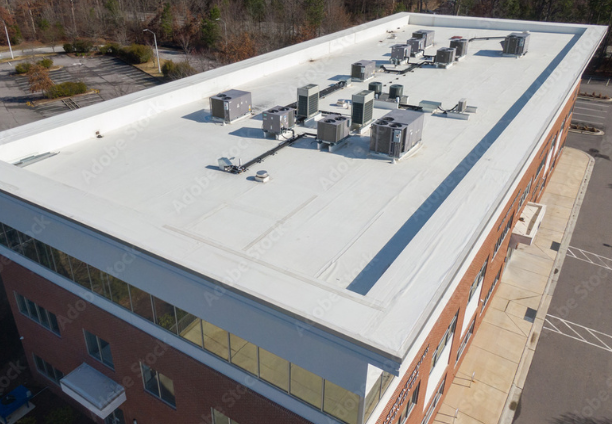
TPO, or Thermoplastic Polyolefin, is a single-ply roofing membrane commonly installed on commercial and low-slope buildings.
TPO membranes are popular because they are lightweight, flexible, and designed to resist UV exposure, weathering, and moisture. Many TPO systems also have reflective surfaces that can help reduce heat absorption.
A typical TPO roofing system may include:
- TPO membrane
- Insulation
- Cover board
- Adhesive or mechanical fasteners
- Flashing
- Factory or field-welded seams
The exact system varies by building and installation method.
7 Common TPO Roof Problems
TPO roofs are durable, but they are not damage-proof. Knowing what to look for can help property owners arrange repairs before a small issue becomes a major leak.
1. Punctures and Tears
Foot traffic, maintenance work, falling branches, sharp debris, or equipment can puncture the membrane.
Even a small puncture can allow water to reach the layers underneath the membrane.
Common warning signs include:
- Small holes in the membrane
- Visible cuts or tears
- Interior water stains
- Damp insulation
- Leaks after rainfall
Small membrane damage may be repairable with a compatible TPO repair system. Larger or more complicated damage should be evaluated by a professional.
2. Damaged or Failed Seams
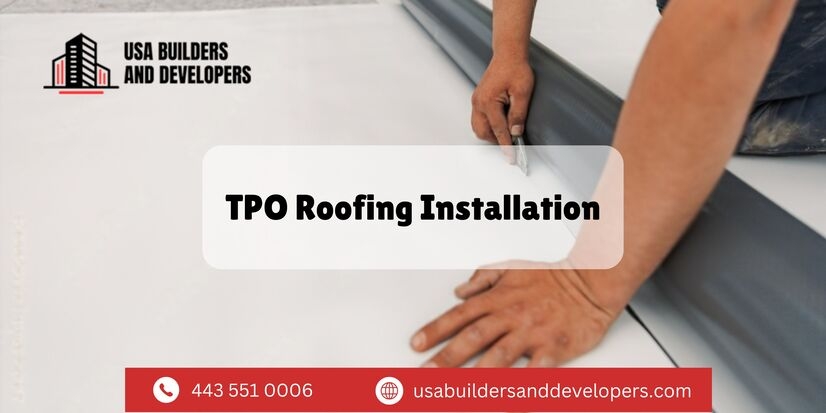
TPO sheets are commonly joined using hot-air welding. These seams are critical because they create a continuous waterproof surface.
Over time, poor installation, aging, weather exposure, or physical damage can contribute to seam problems.
Look for:
- Open seams
- Loose membrane edges
- Separating welds
- Wrinkling near seams
- Water entering around welded areas
Professional repair may involve cleaning and preparing the affected area and restoring the membrane connection using an appropriate TPO-compatible repair method.
3. Flashing Damage
Flashing helps protect transitions and penetrations around areas such as:
- Roof edges
- Pipes
- Curbs
- HVAC equipment
- Vents
- Wall transitions
When flashing becomes loose, cracked, or improperly sealed, water can enter around the penetration even when the main membrane appears to be in good condition.
Flashing should therefore be inspected whenever a commercial TPO roof develops a recurring leak.
4. Ponding Water
Standing water after rainfall can be a warning sign of drainage problems.
Temporary water accumulation is not necessarily a roof failure, but persistent ponding can place additional stress on the roofing system and may indicate inadequate drainage or slope.
Common causes include:
- Blocked drains
- Clogged scuppers
- Poor drainage design
- Settlement
- Damaged insulation
- Structural issues
A professional inspection can determine why water is accumulating and whether drainage improvements are necessary.
5. Membrane Shrinkage or Movement
Roofing membranes can experience movement as materials age and respond to environmental conditions.
Problems may become noticeable around:
- Roof edges
- Flashing
- Penetrations
- Seams
- Attached components
If the membrane appears to be pulling away from an edge or detail, it should be inspected promptly.
Attempting to simply stretch or force the membrane back into position may not address the underlying problem.
6. Wrinkles, Bubbles, or Surface Irregularities
Wrinkles and raised areas can develop for different reasons, including installation conditions, movement within the roofing assembly, trapped moisture, or substrate issues.
Not every wrinkle means the roof needs replacement.
However, new or expanding areas should be professionally evaluated to determine whether they are affecting the membrane performance.
7. Roof Drainage Problems
A TPO roof depends on proper drainage to move rainwater away from the building.
Blocked drains, clogged scuppers, damaged downspouts, and debris can prevent water from leaving the roof efficiently.
Poor drainage can contribute to leaks and may also cause water to accumulate around vulnerable roof details.
Keeping drainage systems clear is one of the simplest ways to protect a commercial roofing investment.
Signs Your TPO Roof Needs Repair
Not every roofing problem is visible from inside or outside the building.
Property owners should watch for these warning signs:
- Water stains on ceilings or walls
- Dripping water after rain
- Damp insulation
- Mold or musty odors
- Damaged membrane
- Open or damaged seams
- Loose flashing
- Standing water
- Damaged roof edges
- Repeated interior leaks
A leak does not always originate directly above the visible water stain. Water can travel through roofing materials before entering the building.
That is why finding the source is an important part of professional TPO roof repair.
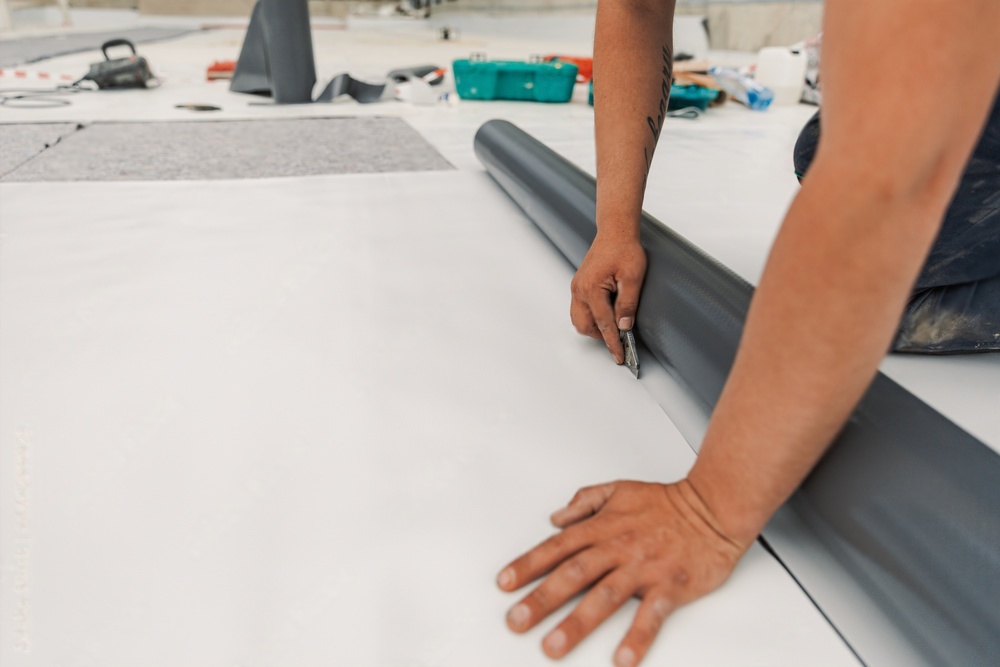
How Is TPO Roof Repair Done?
The repair method depends on the type, location, and severity of the damage.
A professional roofing contractor may follow several basic steps.
Roof Inspection
The first step is identifying the source of the problem.
The contractor examines the membrane, seams, flashing, penetrations, drainage areas, and surrounding roofing components.
Surface Preparation
The damaged area must be properly prepared before a repair material is installed.
Dirt, debris, moisture, and incompatible materials can interfere with the repair.
Membrane Repair
Small areas of membrane damage may be repaired using compatible TPO materials and approved techniques.
The repair must be properly integrated with the existing roofing membrane to create a durable, watertight result.
Seam or Flashing Repair
If the problem involves a seam or flashing detail, the contractor may repair or replace the affected section depending on its condition.
Final Inspection
After the repair, the area should be inspected to confirm that the damaged section has been properly addressed and that surrounding areas are not showing additional problems.
Can You Repair a TPO Roof Yourself?
Some minor maintenance tasks can be handled by property owners, such as removing loose debris or visually checking drainage areas.
However, TPO membrane repair is generally better left to an experienced roofing professional.
TPO systems use specific installation and welding methods. An incorrect repair can leave the roof vulnerable to continued water intrusion.
Professional help is especially important when:
- The damage is widespread
- The roof is difficult to access
- Seams are separating
- Flashing is damaged
- Water is entering the building
- Insulation may be wet
- The roof has repeated leaks
How Much Does TPO Roof Repair Cost?
There is no single price for TPO roof repair because commercial roofing projects vary significantly.
The total cost can depend on:
- Size of the damaged area
- Type of TPO membrane
- Number of damaged areas
- Seam or flashing repairs
- Roof accessibility
- Labor requirements
- Water damage beneath the membrane
- Drainage problems
- Whether additional roofing materials need replacement
A small isolated repair will generally require less work than widespread membrane or underlying substrate damage.
For an accurate price, a professional roof inspection is the best starting point.
TPO Roof Repair vs Replacement
Repair is not always the best long-term solution.
If the damage is isolated and the rest of the roofing system remains in good condition, repair may be practical.
Replacement may be considered when the roof has:
- Widespread membrane deterioration
- Repeated leaks
- Extensive water damage
- Multiple failing areas
- Significant damage to underlying materials
- Reached the end of its expected service life
A professional inspection can help determine whether repairing individual areas makes financial sense or whether a larger roofing solution would provide better long-term value.
How Long Does a TPO Roof Last?
The lifespan of a TPO roofing system depends on several factors, including:
- Membrane quality
- Installation quality
- Weather exposure
- Roof traffic
- Drainage
- Maintenance
- Timely repairs
There is no guaranteed lifespan that applies to every TPO roof.
Regular inspections and prompt repairs can help prevent minor defects from developing into larger roofing problems.
TPO Roof Maintenance Tips for Maryland Buildings
Preventive maintenance can help commercial property owners reduce unexpected roofing expenses.
Inspect the Roof Regularly
Schedule professional inspections and check the roof after severe weather when appropriate.
Keep Drains Clear
Remove leaves, branches, dirt, and other debris from drains and drainage paths.
Limit Unnecessary Foot Traffic
Frequent foot traffic can damage roofing membranes. Designated walk pads should be used where appropriate.
Check Roof Penetrations
HVAC units, pipes, vents, and other penetrations should be inspected because these areas can become vulnerable to leaks.
Address Small Problems Quickly
A small puncture or damaged flashing detail can become a much larger issue when water repeatedly enters the roofing system.
Keep Trees Properly Trimmed
Branches can fall onto the roof and damage the membrane during storms.
Why TPO Roof Maintenance Matters in Maryland
Maryland commercial properties experience changing weather throughout the year.
Heavy rainfall can test drainage systems, winter weather can expose weak areas, and summer heat and UV exposure can affect roofing materials.
Regular maintenance allows property owners to identify potential problems before they result in interior water damage or business disruption.
For commercial buildings in Baltimore, Bethesda, Silver Spring, Montgomery County, and surrounding Maryland communities, professional roof inspections can be an important part of protecting the building envelope.
When Should You Call a TPO Roofing Professional?
Contact a professional roofing contractor if you notice:
- A recurring roof leak
- Open TPO seams
- Torn or punctured membrane
- Damaged flashing
- Persistent ponding water
- Loose roof-edge materials
- Interior water stains
- Wet insulation
- Multiple areas of roof deterioration
The sooner the cause is identified, the more options you may have for repair.
Professional TPO Roof Repair in Maryland
At USA Builders and Developers, we help property owners address commercial roofing problems before they become larger and more expensive.
Our team can evaluate TPO membrane damage, leaks, seams, flashing, drainage concerns, and other roof issues to determine the appropriate repair approach.
Whether your commercial roof has a small damaged area or recurring water intrusion, professional assessment can help protect the building and extend the useful life of the roofing system.
We serve commercial property owners in Baltimore, Bethesda, Silver Spring, Montgomery County, and other Maryland areas.
Frequently Asked Questions About TPO Roof Repair
How do I know if my TPO roof needs repair?
Common signs include leaks, damaged seams, punctures, tears, loose flashing, standing water, and visible membrane deterioration. A professional inspection can identify problems that are difficult to see from ground level.
Can a damaged TPO roof be repaired?
Yes. Many localized TPO roof problems can be repaired when the surrounding roofing system is still in good condition. The appropriate repair method depends on the type and extent of damage.
How long does a TPO roof usually last?
The service life of a TPO roofing system varies based on material quality, installation, weather exposure, drainage, maintenance, and other conditions. Regular inspections and timely repairs can help maximize its useful life.
Is TPO roof repair expensive?
Repair costs vary based on the size and severity of the damage, roof accessibility, materials, labor, and whether underlying components are affected. A professional inspection is the best way to determine the actual repair requirements.
Should I repair or replace my TPO roof?
Localized damage may be suitable for repair, while widespread deterioration, repeated leaks, or extensive underlying damage may make replacement a better option. A professional assessment can help determine which solution makes the most sense.
Final Thoughts
A TPO roof can be a durable and efficient choice for commercial properties, but it still requires regular inspection and maintenance.
Small punctures, damaged seams, flashing problems, drainage issues, and other defects should not be ignored. Addressing these problems early can help reduce the risk of water damage and unnecessary roofing expenses.
If you suspect your commercial property has a TPO roof leak or membrane damage, a professional inspection can identify the cause and determine whether repair or replacement is the right solution.
For reliable TPO roof repair in Maryland, USA Builders and Developers is ready to help protect your commercial property with professional roofing solutions.
TPO (Thermoplastic Olefin) roofing has become one of the most popular commercial roofing systems due to its affordability, durability, and energy efficiency. However, like any roofing system, TPO roofs require maintenance and repair over time to ensure their longevity. If your TPO roof starts showing signs of wear or damage, timely repairs are crucial to avoid costly issues down the line. In this comprehensive guide, we’ll explore the common issues that can affect TPO roofs and provide expert advice on how to repair them effectively.
Whether you’re dealing with minor issues or more severe damage, this guide will help you understand the most frequent problems and the steps needed for a successful TPO roof repair. We’ll also discuss best practices for maintaining your roof and protecting your investment.
Have Questions? Call Us Now!
We’re here to help—quick answers, friendly service, anytime you need!


Contact USA Builders and Developers
🌐 Website: www.usabuildersanddevelopers.com
📍 Serving: Baltimore, Betheda, Silver spring, and Montgomery Maryland
📌 Address: 2144 Priest Bridge Court, Suite 8, Crofton, MD 21114, USA