When Maryland homeowners think about roof problems, they usually look for missing shingles, leaks, or clogged gutters. But there is another important part of the roof that often gets overlooked: the fascia.
Roof fascia is the long board that runs along the edge of your roof. It helps protect the roof structure, provides a secure surface for gutters, and gives your home a clean finished appearance.
Because fascia sits directly along the roof edge, it is exposed to rain, snow, humidity, wind, and changing temperatures. Over time, these conditions can cause wood rot, cracks, peeling paint, and gutter problems.
Understanding how roof fascia works and knowing the warning signs can help Maryland homeowners catch small problems before they become expensive repairs.
What Is Roof Fascia?
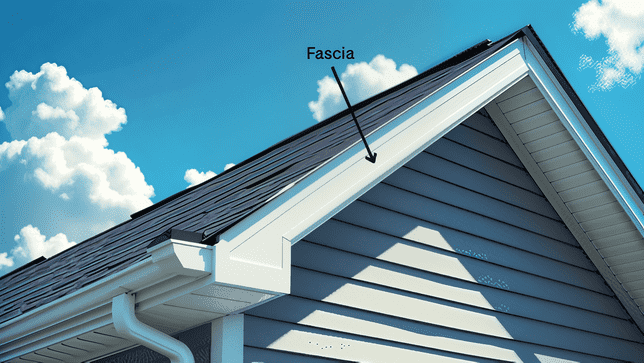
Roof fascia is the long, straight board installed along the lower edge of a roof. It covers the ends of the rafters and creates the finished edge of the roofline.
The fascia is also where the gutter system is commonly attached. This makes the condition of the fascia important for both the roof and the home drainage system.
In simple terms, fascia has several important jobs:
- Protects exposed roof framing from the weather
- Provides support for gutters
- Helps close and protect the roof edge
- Reduces exposure to moisture and pests
- Creates a finished appearance along the roofline
Although fascia may look like exterior trim, damaged fascia can affect other parts of your home.
Why Is Fascia Important for Maryland Homes?
Maryland homes experience a wide range of weather throughout the year. Heavy rain, snow, humidity, strong winds, and seasonal temperature changes can all put stress on exterior roofing components.
That makes regular fascia inspection and maintenance especially important.
Protects the Roof Edge From Moisture
Fascia helps protect the exposed edge of the roof from weather and moisture. If water repeatedly reaches the fascia because of overflowing gutters, roof leaks, or damaged flashing, wooden boards can begin to absorb moisture.
Over time, this may result in:
- Wood rot
- Mold or mildew
- Cracking
- Soft or crumbling wood
- Damage to nearby roof components
The longer moisture remains untreated, the greater the chance of more extensive repairs.
Supports the Gutter System
One of the most important functions of fascia is providing a solid surface for gutter attachment.
When fascia becomes weak or rotten, gutters may begin to pull away from the house. A loose gutter can affect drainage and allow water to fall too close to the foundation.
That can contribute to:
- Foundation moisture
- Basement water problems
- Soil erosion
- Landscape damage
- Water staining around the exterior
For this reason, fascia and gutters should be inspected together when there are signs of water damage.
Helps Protect the Roofline
Fascia works with other roof-edge components, including the soffit and drip edge, to help protect the roof structure from weather exposure.
It is important not to confuse fascia with soffit. Fascia is the board facing outward along the roof edge, while the soffit is located underneath the roof overhang. Vented soffits also play an important role in attic airflow.
Improves Curb Appeal
Fascia also has a visual purpose.
Straight, clean fascia creates a finished roofline that complements your siding, gutters, and other exterior features. Damaged, warped, or peeling fascia can make an otherwise well-maintained home look neglected.
If you are preparing your Maryland home for sale, replacing damaged fascia can also improve the overall appearance of the exterior.
Common Roof Fascia Problems
Fascia is constantly exposed to outdoor conditions, so damage can develop gradually.
Here are some of the most common fascia problems Maryland homeowners should watch for.
Wood Rot
Wood rot is one of the most common fascia problems. It usually develops when moisture repeatedly reaches untreated or damaged wood.
Overflowing gutters, roof leaks, and poor drainage can all contribute to the problem.
Peeling or Cracked Paint
Paint provides an additional layer of protection for wood fascia. When paint begins peeling, cracking, or bubbling, moisture can reach the wood underneath.
Peeling paint does not always mean the fascia needs complete replacement, but it should be inspected.
Cracked or Split Fascia
Temperature changes and prolonged moisture exposure can cause fascia boards to crack or split.
Small cracks may become larger over time, especially when water enters the damaged area.
Warped Fascia Boards
Warping can make the roofline look uneven and may indicate moisture damage or deterioration behind the fascia.
Warped boards should be inspected before the problem spreads to surrounding areas.
Loose or Pulling Gutters
If gutters are sagging, uneven, or pulling away from the house, the fascia behind them may be damaged.
The gutter problem should not simply be reattached without checking the condition of the fascia first.
Mold and Mildew
Persistent moisture can encourage mold and mildew growth on or around fascia and soffit areas.
This can be a sign that there is an underlying drainage or moisture problem that needs attention.
7 Signs Your Fascia Needs Repair or Replacement
Fascia damage is not always easy to see from the ground. However, homeowners can look for several warning signs.
1. Soft or Spongy Wood
Pressing on exposed wooden fascia and finding that it feels soft can indicate moisture damage or rot.
2. Peeling Paint
Repeated peeling or bubbling paint may indicate that moisture is getting into the fascia.
3. Visible Cracks or Holes
Cracks, splits, and holes can allow water and pests to enter areas around the roof edge.
4. Loose Gutters
Gutters pulling away from the house can be a sign that the fascia is no longer strong enough to hold them securely.
5. Water Stains
Dark stains or discoloration around the roofline may indicate ongoing moisture exposure.
6. Sagging or Warped Boards
A fascia board that is visibly uneven, bent, or sagging should be inspected.
7. Pest Activity
Birds, insects, and other pests may enter through damaged sections of fascia or soffit.
If you notice several of these signs at the same time, schedule a professional inspection rather than waiting for the damage to become worse.
Fascia Repair vs Fascia Replacement
Not every damaged fascia board needs to be completely replaced.
The right solution depends on the type and extent of the damage.
When Fascia Repair May Be Enough
A repair may be possible when:
- Damage is limited to a small section
- The surrounding wood is still solid
- The problem is primarily cosmetic
- The source of moisture has been corrected
A professional can remove the damaged section and repair or replace the affected area.
When Fascia Replacement Is Better
Replacement may be necessary when:
- Rot has spread through the board
- Large sections are soft or crumbling
- The fascia has extensive water damage
- Gutters can no longer be securely attached
- The underlying roof-edge structure is affected
Replacing damaged fascia also provides an opportunity to identify and correct the source of the moisture problem.
Best Materials for Roof Fascia
Homeowners have several fascia material options. The best choice depends on the home design, budget, maintenance needs, and exposure to moisture.
Wood Fascia
Wood is a traditional choice and can provide a natural appearance.
However, wood requires regular maintenance. Painting, sealing, and keeping gutters properly maintained can help reduce moisture-related problems.
Aluminum Fascia
Aluminum is resistant to rot and does not absorb water like wood.
It is also available in different finishes and can provide a clean appearance with relatively low maintenance.
PVC or Vinyl Fascia
PVC and vinyl options are resistant to moisture and insects and generally require less maintenance than traditional wood.
They can be a practical option for homeowners looking for a low-maintenance roof edge.
Which Fascia Material Is Best for Maryland?
There is no single material that is perfect for every Maryland home.
Homeowners should consider:
- Moisture exposure
- Maintenance requirements
- Appearance
- Budget
- Existing siding and roofing materials
- Expected service life
A roofing professional can help determine which option makes sense for your home specific conditions.
How Much Does Fascia Repair or Replacement Cost?
The cost of fascia work depends on several factors, including:
- Fascia material
- Linear footage
- Extent of damage
- Labor
- Roof height and accessibility
- Gutter removal and reinstallation
- Additional water or structural damage
Because every property is different, it is better to get an inspection and project-specific estimate rather than relying on a single average price.
If the fascia damage is connected to a roof leak or gutter problem, fixing only the visible fascia may not solve the underlying issue.
How to Maintain Roof Fascia in Maryland
Regular maintenance can help extend the life of your fascia and reduce the chance of expensive repairs.
Keep Gutters Clean
Clogged gutters can overflow and repeatedly expose fascia to water.
Clean gutters regularly, especially before periods of heavy rain and after leaves accumulate.
Check Your Roofline After Storms
Strong wind, heavy rain, and snow can expose existing weaknesses.
Look for loose gutters, damaged fascia, missing sections, and water staining after major storms.
Maintain Painted Wood Fascia
If your fascia is made from wood, keep the paint or protective coating in good condition.
Peeling or cracked paint should be addressed before moisture reaches the wood underneath.
Check for Roof Leaks
A fascia problem may sometimes be caused by a larger roofing issue.
If you see water stains or recurring moisture around the roof edge, have the roof and fascia inspected together.
Inspect Gutters and Fascia Together
Because gutters are commonly attached to fascia, these two components should be checked at the same time.
A strong gutter system needs a secure surface behind it.
How Often Should Fascia Be Inspected?
There is no universal inspection schedule for every home, but checking the roof edge at least once or twice a year can help homeowners catch visible problems early.
Additional inspections are useful after:
- Severe storms
- Heavy snowfall
- Major gutter problems
- Roof leaks
- Visible exterior damage
A professional roof inspection can also identify problems that are difficult to see from ground level.
Fascia vs Soffit: What is the Difference?
Fascia and soffit are located next to each other, but they serve different purposes.
Fascia is the vertical board along the outer edge of the roof. It commonly supports the gutter system and protects the roof edge.
Soffit is located underneath the roof overhang. Vented soffits can allow air to enter the attic ventilation system while also protecting the underside of the roof overhang.
Both components should be inspected when there are signs of moisture, pest activity, or roof-edge damage.
Can Damaged Fascia Cause Gutter Problems?
Yes.
When fascia becomes weak because of rot or water damage, gutter fasteners may no longer have a solid surface to attach to.
This can cause gutters to:
- Sag
- Pull away from the home
- Become uneven
- Leak at connections
- Drain water improperly
That is why simply tightening loose gutter screws may not solve the problem if the fascia behind them is deteriorated.
Can Fascia Damage Lead to Bigger Roof Problems?
It can.
Fascia damage is often a symptom of a moisture problem rather than an isolated issue. Water may be entering from a roof leak, overflowing gutter, damaged flashing, or another roof-edge problem.
If the source is not corrected, newly repaired fascia can become damaged again.
This is why a proper inspection should look beyond the visible board and identify why the fascia was damaged in the first place.
When Should Maryland Homeowners Call a Professional?
Call a roofing professional if you notice:
- Rotten or crumbling fascia
- Gutters pulling away from the house
- Repeated water stains
- Significant wood damage
- Large cracks or holes
- Roof-edge leaks
- Extensive mold or mildew
- Damage following a major storm
Fascia work also involves ladders and roof-edge areas, so professional assessment is often safer and more reliable than attempting extensive repairs yourself.
Professional Roof Fascia Services in Maryland
At USA Builders and Developers, we understand that fascia problems are rarely just about appearance.
Our approach is to inspect the affected area, identify the source of the damage, and recommend the appropriate repair or replacement solution.
Whether the issue involves damaged fascia, gutter attachment, moisture intrusion, or related roofing problems, addressing it early can help protect your home and prevent more extensive repairs.
For homeowners throughout Maryland, professional roof repair, roof replacement, roofing inspections, and exterior construction services can help keep the entire roof system performing properly.
Frequently Asked Questions About Roof Fascia
What is the purpose of fascia on a roof?
Roof fascia protects the roof edge, covers exposed rafter ends, provides a surface for gutter attachment, and gives the roofline a finished appearance.
How do I know if my fascia is rotting?
Soft or spongy wood, crumbling areas, discoloration, peeling paint, cracks, and loose gutters can all indicate fascia damage or rot.
Can rotten fascia be repaired?
Small areas of damage may be repairable. If rot is widespread or the board has lost its structural strength, replacement is usually the better option.
How long does roof fascia last?
Fascia lifespan varies depending on the material, installation quality, moisture exposure, and maintenance. Wood generally requires more maintenance than moisture-resistant materials.
Should fascia be replaced when replacing a roof?
Not always. However, if the existing fascia is rotten, damaged, or unable to securely support the gutters, replacing it during roof work may be appropriate.
Does fascia support gutters?
Yes. Fascia commonly provides the attachment surface for gutters, which is why damaged fascia can lead to loose or sagging gutters.
Is fascia the same as soffit?
No. Fascia is located along the outer face of the roof edge, while soffit is underneath the roof overhang. They work together but perform different functions.
Final Thoughts
Roof fascia may be easy to overlook, but it plays an important role in protecting your home roof edge and supporting the gutter system.
For Maryland homeowners, regular inspections are especially useful because rain, snow, humidity, and seasonal weather changes can contribute to moisture-related damage.
If you notice rotted wood, peeling paint, loose gutters, cracks, water stains, or other signs of fascia damage, do not wait for the problem to spread.
Early inspection and proper repair can help protect your roof, gutters, and home from more expensive damage.
USA Builders and Developers provides professional roofing and exterior construction solutions for homeowners throughout Maryland. When fascia problems appear, addressing the cause—not just the visible damage—can make all the difference.
Need Help with Your Next Project? Call USA Builders Today!
We’re here to help—quick answers, friendly service, anytime you need!



Contact USA Builders and Developers
🌐 Website: www.usabuildersanddevelopers.com
📍 Serving: Baltimore, Bethesda, Silver Spring, and Montgomery Maryland
📌 Address: 2144 Priest Bridge Court, Suite 8, Crofton, MD 21114, USA