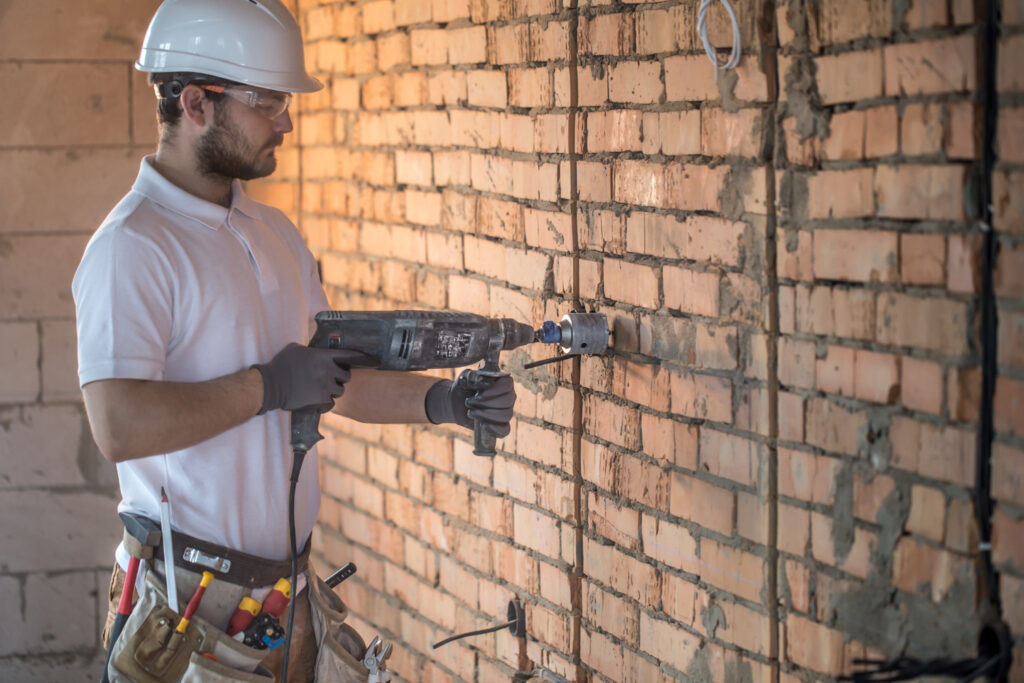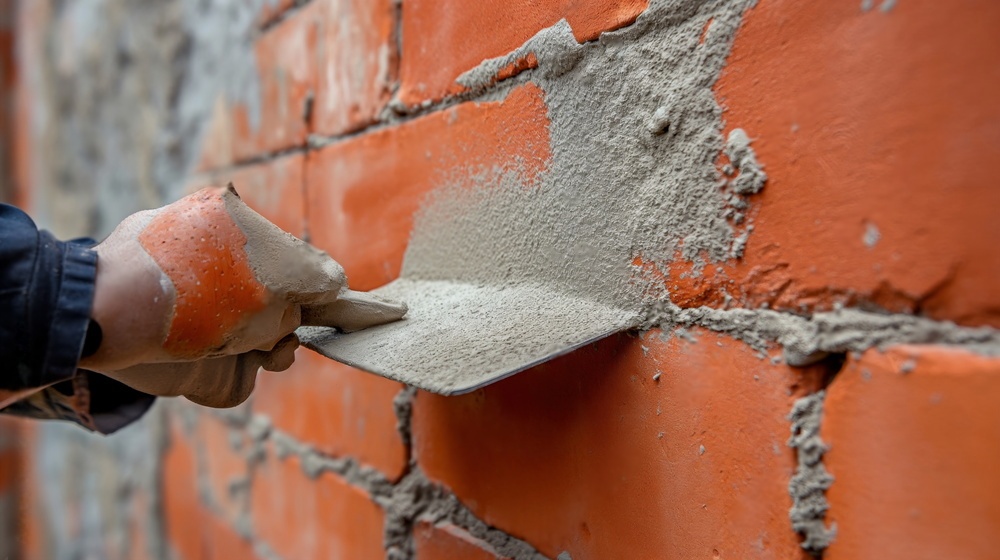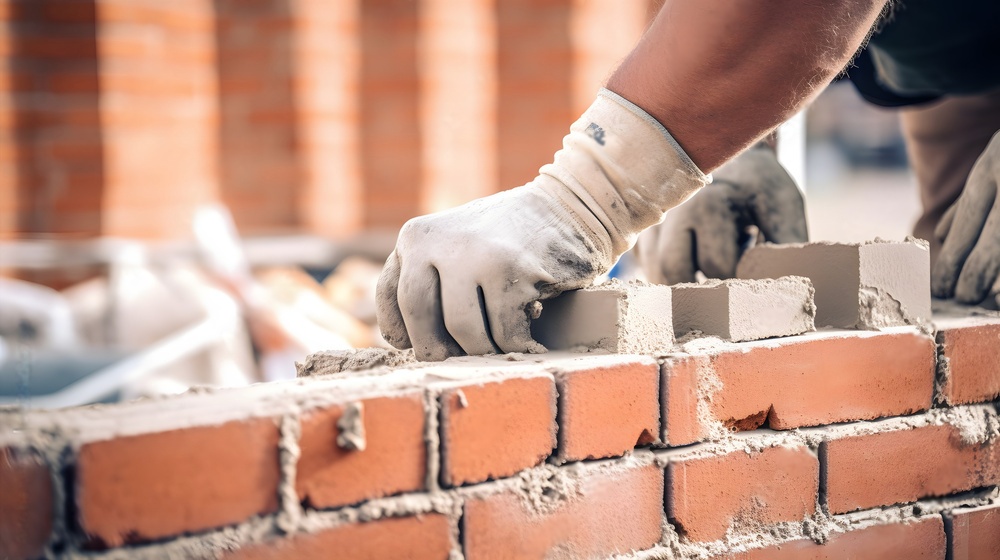


A worker with bricks and mortar is a skilled construction professional who builds, repairs, and restores masonry structures. They work with materials such as brick, mortar, stone, and concrete blocks.
From a small brick wall to a large commercial building, careful masonry work matters. Each brick must be positioned correctly. The mortar must have the right consistency. The finished structure must also be strong enough to handle weather and everyday use.
In Maryland, masonry work faces different weather conditions throughout the year. Hot summers, heavy rain, freezing temperatures, and winter moisture can affect brick and mortar over time.
That is why choosing an experienced masonry professional is important. Proper installation can help prevent cracks, water penetration, loose bricks, and expensive repairs.
What Is a Worker With Bricks and Mortar?
A worker with bricks and mortar is commonly known as a brick mason or masonry worker.
Their job involves more than simply stacking bricks. They prepare surfaces, mix mortar, measure materials, place bricks, check alignment, and finish mortar joints.
A masonry worker may also repair existing structures. This can include replacing damaged bricks, repairing cracked mortar joints, and restoring older masonry.
Their work can be found on:
- Exterior walls
- Brick homes
- Chimneys
- Retaining walls
- Patios
- Walkways
- Fireplaces
- Commercial buildings
- Stone and brick facades
Good masonry requires both practical skill and attention to detail.
What Does a Worker With Bricks and Mortar Do?
The exact work depends on the project. However, most masonry jobs involve several important tasks.
Bricklaying
The worker places bricks in the correct pattern and keeps each row level.
Proper brick placement helps create a strong and attractive wall.
Mortar Application
Mortar connects the bricks and helps hold the masonry together.
The worker must mix and apply it correctly. Too much or too little moisture can affect the final result.
Measuring and Cutting
Not every brick fits perfectly into a wall.
Masonry workers measure openings and cut bricks when needed. This is especially important around windows, doors, corners, and other details.
Checking Alignment
Walls must remain straight and level.
Workers use levels, string lines, and other tools to check alignment during construction.
Brick Repair
A worker with bricks and mortar can also repair damaged masonry.
Common repairs include:
- Replacing cracked bricks
- Repairing loose bricks
- Repointing mortar joints
- Fixing damaged corners
- Sealing masonry openings
- Repairing small wall cracks
Skills a Professional Mason Needs
Masonry may look simple from a distance, but it requires considerable skill.
A professional masonry worker should understand:
1. Brick Patterns
Different brick patterns can affect the appearance and structure of a wall.
Common patterns include running bond, stack bond, English bond, and Flemish bond.
2. Mortar Mixing
Mortar must be mixed correctly for the specific application.
The right mixture helps provide proper bonding and durability.
3. Leveling and Alignment
Even a small alignment mistake can become noticeable as the wall gets higher.
Experienced workers continuously check their work.
4. Material Selection
Different projects may require different types of brick, mortar, stone, or block.
The materials should be suitable for the structure and expected weather conditions.
5. Repair Techniques
Repair work requires a different approach from new construction.
A mason must identify the cause of the damage before replacing materials.
Why Brick and Mortar Are Still Popular
Brick and mortar have been used in construction for generations.
They remain popular because they offer several practical benefits.
Durability
Quality brick masonry can last for decades when properly installed and maintained.
Low Maintenance
Brick generally requires less routine maintenance than many exterior materials.
Fire Resistance
Brick is naturally resistant to fire, making it a useful building material for many applications.
Weather Protection
Properly constructed masonry can provide protection against rain, wind, and changing temperatures.
Timeless Appearance
Brick has a traditional appearance that works with many home and building styles.
Common Types of Masonry Work in Maryland
A worker with bricks and mortar may handle many different types of projects.
Residential Masonry
Residential masonry can include:
- Brick walls
- Chimneys
- Fireplaces
- Porches
- Steps
- Patios
- Walkways
- Exterior facades
Commercial Masonry
Commercial projects are often larger and may require more planning.
Examples include:
- Office buildings
- Retail properties
- Apartment buildings
- Schools
- Restaurants
- Industrial buildings
Masonry Repair
Repair work focuses on damaged or aging masonry.
A professional may replace damaged bricks or repair deteriorated mortar joints.
Masonry Restoration
Older buildings may require careful restoration.
The goal is to repair damaged areas while maintaining the original appearance of the structure.
Brick Masonry vs Stone Masonry
Brick and stone are both popular masonry materials, but they are different.
| Feature | Brick Masonry | Stone Masonry |
|---|---|---|
| Appearance | Consistent and traditional | Natural and varied |
| Installation | Generally more uniform | Can require more fitting |
| Maintenance | Usually low | Depends on stone type |
| Design | Many patterns | Natural textures and shapes |
| Common Uses | Walls, facades, chimneys | Walls, facades, retaining walls |
The best material depends on the building design, structural requirements, budget, and desired appearance.
Tools Used by a Worker With Bricks and Mortar
Professional masons use several tools during construction and repair.
Common tools include:
- Brick trowel: Spreads and shapes mortar.
- Level: Checks whether bricks and walls are straight.
- Brick hammer: Cuts and shapes bricks.
- Jointing tool: Finishes mortar joints.
- String line: Helps maintain straight rows.
- Mortar mixer: Produces consistent mortar.
- Measuring tape: Ensures accurate dimensions.
- Chisel: Helps remove or shape masonry materials.
Using the right tools helps improve accuracy and the overall finish.
Signs Your Brick and Mortar Need Repair
Masonry can deteriorate with age and weather exposure.
Look for signs such as:
- Cracked bricks
- Loose bricks
- Crumbling mortar
- Missing mortar
- White stains on brick
- Water stains
- Bulging walls
- Damaged chimney joints
- Gaps around windows or doors
Do not ignore these signs.
Small masonry problems can become more serious when water enters the wall system.
What Causes Brick and Mortar Damage?
Several factors can damage masonry over time.
Water
Water is one of the most common causes of masonry deterioration.
Repeated moisture exposure can weaken mortar and contribute to cracking.
Freeze-Thaw Cycles
Maryland experiences freezing temperatures during winter.
Water can enter small openings, freeze, expand, and place pressure on masonry materials.
Poor Installation
Incorrect mortar selection, poor drainage, or improper brick placement can lead to premature problems.
Age
Older masonry naturally becomes more vulnerable to deterioration.
Regular inspections can help identify problems before major damage develops.
What Is Mortar Repointing?
Mortar repointing is the process of removing damaged mortar from masonry joints and replacing it with new mortar.
It is often used when the bricks are still in good condition but the mortar has deteriorated.
Repointing can:
- Improve wall stability
- Reduce water entry
- Restore the appearance
- Protect brick edges
- Extend masonry service life
The new mortar should be compatible with the existing masonry. Using the wrong material can cause additional damage.
Why Hire a Professional Worker With Bricks and Mortar?
Brickwork may seem like a straightforward DIY project, but professional masonry requires experience.
A skilled worker with bricks and mortar understands how to:
- Select suitable materials
- Prepare the surface
- Mix mortar correctly
- Maintain proper alignment
- Match existing brickwork
- Repair damaged joints
- Handle difficult areas
- Follow applicable building requirements
Professional work can also help reduce the risk of uneven walls, premature cracking, and water-related damage.
How Much Does Masonry Work Cost in Maryland?
The cost of masonry work varies from one project to another.
Factors that can affect the price include:
- Project size
- Brick or stone type
- Material costs
- Labor
- Wall height
- Accessibility
- Existing damage
- Demolition
- Repair requirements
- Design complexity
A small mortar repair will cost much less than rebuilding an entire brick wall.
The best way to understand the cost is to have the masonry inspected and receive a detailed estimate.
How to Choose the Right Masonry Professional
Before hiring a worker with bricks and mortar, look beyond the price.
Consider:
Experience
Ask how long the company has been handling similar masonry projects.
Previous Work
Look at examples of completed brick and masonry work.
Materials
Ask what type of brick and mortar will be used.
Written Estimate
A detailed estimate should explain the work, materials, and expected costs.
Repair Approach
For older masonry, ask how the contractor plans to protect the existing brickwork.
Communication
A reliable contractor should explain the work clearly and answer your questions before the project begins.
Why Choose USA Builders and Developers for Masonry in Maryland?
For Maryland property owners, choosing an experienced masonry contractor can make a major difference.
USA Builders and Developers provides masonry and construction services for residential and commercial properties. Our masonry services can include brick repair, masonry restoration, mortar repairs, and new masonry construction.
The goal is simple: provide strong, clean, and durable masonry work that suits the property and its needs.
Frequently Asked Questions
What is a worker with bricks and mortar called?
A worker with bricks and mortar is commonly called a brick mason, mason, or masonry worker.
What does a brick mason do?
A brick mason builds, repairs, and restores structures using bricks and mortar. Their work can include walls, chimneys, facades, patios, and other masonry structures.
How long can brick and mortar last?
Properly installed brick masonry can last for many decades. Regular maintenance and timely repairs can help extend its service life.
When should brick mortar be replaced?
Mortar may need replacement when it becomes cracked, loose, missing, or severely deteriorated. Repointing can restore damaged joints when the bricks themselves remain sound.
Can a mason repair cracked bricks?
Yes. Depending on the damage, a professional mason may replace individual bricks or recommend a more extensive repair.
Is brick masonry good for Maryland homes?
Yes. Brick masonry can be a durable exterior material for Maryland homes. Proper installation, drainage, and maintenance are important because of seasonal moisture and temperature changes.
Final Thoughts
A skilled worker with bricks and mortar does much more than place bricks in a wall. Their work affects the strength, appearance, and long-term performance of a masonry structure.
From new brick construction to repairs and restoration, professional workmanship matters.
If you notice cracked bricks, deteriorating mortar, or other masonry problems on your Maryland property, addressing them early can help prevent more expensive damage later.
For professional masonry services, USA Builders and Developers can help you assess your project and choose the right solution for your property.
Need Help with Your Next Project? Call USA Builders Today!
We’re here to help—quick answers, friendly service, anytime you need!