Planning a new patio starts with one important question: How much does a paver patio cost? The answer depends on much more than the price of the pavers. Patio size, material, labor, excavation, soil conditions, drainage, design, and access can all change the final price.
For Maryland homeowners, a professionally installed paver patio can commonly fall somewhere around $15 to $40 per square foot, depending on the project. Standard concrete or brick pavers are usually less expensive than premium natural stone. Complex layouts, difficult access, drainage work, and extensive site preparation can push the cost higher. Published Maryland estimates show a wide range because every property has different conditions.
For example, a 20×20 patio is 400 square feet. A straightforward project may cost several thousand dollars, while a premium patio with natural stone, drainage improvements, walls, steps, or outdoor features can cost considerably more. This guide explains what you should expect to pay and which factors have the biggest effect on your budget.
How Much Does a Paver Patio Cost?
A typical paver patio can cost about $15 to $40 per square foot installed, depending on materials, site conditions, and project complexity. A basic patio with standard concrete pavers and a simple rectangular design will usually cost less than a patio with premium stone and custom features.
Here is a simple planning guide:
| Patio Size | Approx. Area | General Installed Cost Range |
|---|---|---|
| 10×10 | 100 sq. ft. | $1,500–$4,000 |
| 10×20 | 200 sq. ft. | $3,000–$8,000 |
| 12×16 | 192 sq. ft. | $2,900–$7,700 |
| 16×20 | 320 sq. ft. | $4,800–$12,800 |
| 20×20 | 400 sq. ft. | $6,000–$16,000 |
| 20×30 | 600 sq. ft. | $9,000–$24,000 |
| 20×40 | 800 sq. ft. | $12,000–$32,000 |

These are planning ranges, not fixed quotes. A contractor needs to inspect the property before giving an accurate price. Maryland pricing can vary significantly between projects. Current published estimates for Baltimore and other Maryland markets show that material selection, access, excavation, drainage, and design complexity can move the final price substantially.
What Is Included in Paver Patio Installation Cost?
A patio quote should cover more than the visible pavers. The finished surface is only one part of the project. A properly built patio needs a stable base underneath it. Typical installation may include:
- Site measurement and layout
- Excavation
- Removal of existing grass, soil, concrete, or old pavers
- Grading
- Compacted aggregate base
- Bedding material
- Pavers
- Edge restraints
- Joint sand
- Cutting and fitting
- Compaction
- Cleanup
- Drainage improvements when needed
Some projects also include steps, borders, retaining walls, lighting, fire pits, or other outdoor features. When comparing quotes, ask each contractor what is included. A lower quote may not actually be cheaper if important preparation work is left out.
1. Patio Size Has a Major Effect on Cost
The larger the patio, the more materials and labor are required. However, the price does not always increase at exactly the same rate as the square footage. Small patios can have a higher cost per square foot because some expenses are fixed.
For example, equipment delivery, layout, excavation setup, and cleanup still take time on a small patio. A larger project can sometimes spread those costs over more square feet. Consider two patios:
- 10×10 patio = 100 square feet
- 20×20 patio = 400 square feet
The second patio is four times larger, but the total project cost may not be exactly four times higher. Your intended use also matters.
A small patio may be enough for two chairs and a small table. A larger outdoor living area may need room for dining furniture, a grill, lounge seating, or a fire pit. Before choosing a size, measure your furniture and leave enough space for people to move comfortably.
2. The Type of Paver Changes the Price
The material is another major part of the budget.
Concrete Pavers
Concrete pavers are one of the most common choices for residential patios. They are available in many shapes, colors, textures, and patterns. They can also imitate the appearance of natural stone. For homeowners who want good design flexibility without the cost of premium stone, concrete pavers are often a practical option.
Brick Pavers
Brick pavers provide a traditional appearance. They work well with older homes and classic landscape designs. Brick can cost more than basic concrete pavers depending on the product and installation pattern.
Natural Stone
Natural stone offers a higher-end appearance. Common choices include:
- Bluestone
- Flagstone
- Travertine
- Granite
- Other natural stone products
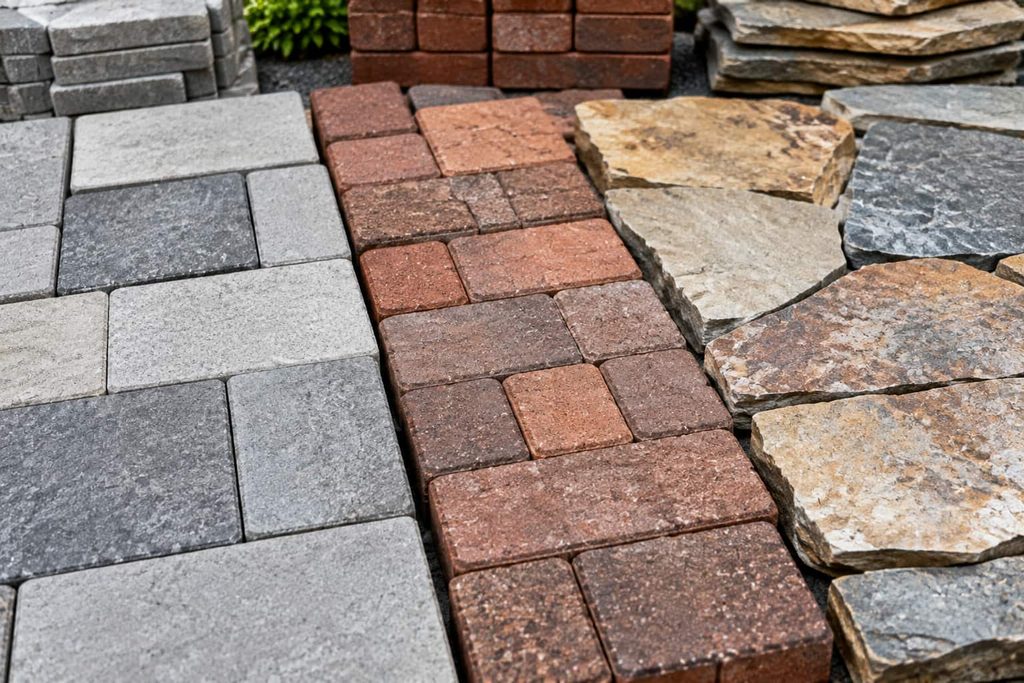
Natural stone usually costs more because the material itself can be more expensive and installation may require more cutting and fitting. Current Maryland estimates show natural stone can reach significantly higher prices than standard concrete pavers.
Permeable Pavers
Permeable pavers are designed to allow water to move through the paved surface and into a prepared base system. They can be useful where stormwater management is an important concern. However, the required base and drainage design can make the project more expensive than a standard patio. The right material depends on your budget, property, appearance preferences, drainage needs, and expected use.
3. Site Preparation Can Increase the Budget
One of the most important parts of a paver patio is the work that happens underneath the surface. A contractor may need to remove soil and excavate to the required depth. The area then needs to be graded and prepared for the base.
Poor preparation can lead to:
- Uneven pavers
- Sinking sections
- Standing water
- Shifting pavers
- Weeds in joints
- Edges spreading apart
- Trip hazards
Soil conditions also matter. Clay-heavy or poorly draining soil may require additional preparation. A sloped backyard may need more excavation or grading than a flat yard. If an old patio or concrete slab must be removed first, demolition and disposal add another cost. This is why two patios with the same dimensions can have very different installation prices. Site conditions can matter almost as much as the surface material.
4. Patio Shape and Design Affect Labor
A simple rectangle is usually easier and faster to install. Curves, circles, multiple sections, borders, and complicated patterns require more measuring and cutting.
For example, a straight rectangular patio may use many full pavers. A curved edge requires more individual cuts to create the correct shape. Intricate patterns can also increase installation time. Popular patterns include:
- Running bond
- Basket weave
- Herringbone
- Ashlar
- Mixed-size patterns
Herringbone can create a strong visual effect and works well for many patios, but the layout requires careful alignment. If your budget is limited, a simple shape and pattern can help control labor costs while still creating an attractive outdoor space.
5. Drainage Can Change the Total Cost
Drainage should be considered before the first paver is installed. Rainwater needs somewhere to go. If a patio sends water toward the house, you could eventually have problems around the foundation.
A contractor may need to adjust the grade so water moves away from the home. Some properties may need additional drainage solutions such as:
- French drains
- Channel drains
- Catch basins
- Underground drainage pipes
- Improved grading
- Downspout drainage
Drainage becomes especially important when the patio is close to the house or located in a low area of the yard. Ignoring water flow to save money during installation can create much larger repair costs later. Current paver installation guidance also identifies drainage and runoff management as important parts of project planning.
6. Property Access Can Affect Labor Costs
Contractors need to bring materials and equipment to the work area. If the backyard has a wide driveway or easy access, moving pavers and base material may be relatively simple.
A narrow side yard can make the job much harder. Materials may need to be moved by hand through a narrow gate or around the side of the home. Heavy equipment may also be difficult to use.
Limited access can increase:
- Labor time
- Material handling
- Equipment requirements
- Delivery difficulty
- Cleanup time
When getting estimates, tell the contractor about any gates, stairs, narrow walkways, fences, or other access restrictions.
7. Extra Features Can Increase Paver Patio Cost
Many homeowners want more than a simple paved surface. Outdoor features can turn a patio into a complete outdoor living area. Popular additions include:
Fire Pit
A built-in fire pit can create a comfortable gathering area. Its cost depends on its size, materials, design, and installation requirements.
Outdoor Kitchen
An outdoor kitchen may include a grill, counters, storage, sink, refrigerator, or other features. Because utilities and structural work may be involved, it can add substantially to the project budget.
Seat Walls
Seat walls can define the patio and provide permanent seating. They can also help with changes in elevation when properly designed.
Steps
Steps may be needed when the patio connects to a raised doorway, sloped yard, or another level.
Lighting
Landscape lighting can improve visibility and make the patio more useful after sunset. These features should be planned before construction begins whenever possible. Building them into the original design can be more efficient than modifying a finished patio later.
How Much Does a 20×20 Paver Patio Cost?
A 20×20 patio has 400 square feet. Using a general Maryland planning range of $15 to $40 per square foot, the project could fall around: $6,000 to $16,000
A straightforward patio using standard concrete pavers may be toward the lower or middle part of that range. A premium project can cost more if it includes natural stone, complicated patterns, extensive grading, drainage work, retaining walls, steps, or outdoor living features.
Published Maryland estimates also show a wide range for 400-square-foot patios, confirming that there is no single price that applies to every property. The best way to get a reliable 20×20 paver patio cost is to have the site measured and inspected before choosing materials.
Is a Paver Patio More Expensive Than Concrete?
In many cases, yes. A basic poured concrete patio can have a lower starting price than a professionally installed paver patio. However, comparing only the initial price does not tell the whole story. Pavers have an important repair advantage. If one paver becomes damaged, it can often be removed and replaced without removing the entire patio.
A concrete slab is one continuous surface. A significant crack may require a larger repair or replacement. Pavers also offer more choices for patterns, colors, borders, and shapes. The best option depends on your budget, appearance goals, property conditions, and how you plan to use the patio.
DIY vs. Professional Paver Patio Installation
Installing a small patio yourself can reduce labor costs. However, the project requires more than placing pavers on the ground. You may need to:
- Measure and mark the patio.
- Excavate the area.
- Remove and dispose of soil.
- Establish the correct grade.
- Install and compact the base.
- Add the bedding layer.
- Lay and cut the pavers.
- Install edge restraints.
- Add joint sand.
- Compact and finish the surface.
You may also need to rent a plate compactor and other equipment. DIY can make sense for a small, simple project if you have the time, tools, and experience.
Professional installation is usually worth considering when the property has drainage problems, poor soil, a slope, difficult access, or a complicated design. The base is particularly important. A beautiful surface cannot compensate for an unstable foundation underneath it.
How to Lower Your Paver Patio Cost
You do not have to choose the cheapest materials to control your budget. Instead, focus on decisions that reduce unnecessary labor and complexity.
Choose a Simple Shape
A rectangle or square usually requires fewer cuts than a curved design.
Compare Paver Materials
Ask about several concrete paver options before choosing premium stone.
Plan Features Early
If you want a fire pit, steps, lighting, or a seating wall, include them in the original design.
Fix Drainage Problems First
Do not install a patio over a drainage problem. Correcting water flow during construction is usually better than repairing damage later.
Get More Than One Estimate
Compare what each contractor includes. Do not compare only the final number. A quote that includes deeper base preparation, better drainage, disposal, and quality materials may be a better value than a cheaper quote with fewer services.
How to Get an Accurate Paver Patio Estimate
Online calculators can help you create a rough budget, but they cannot inspect your property. A professional estimate should consider:
- Patio dimensions
- Existing surface
- Soil conditions
- Required excavation
- Drainage
- Slope
- Paver selection
- Pattern
- Borders
- Site access
- Steps
- Walls
- Outdoor features
Ask the contractor to explain the quote. A good estimate should make it clear what you are paying for and which items could change the final cost.
Does a Paver Patio Add Value to a Home?
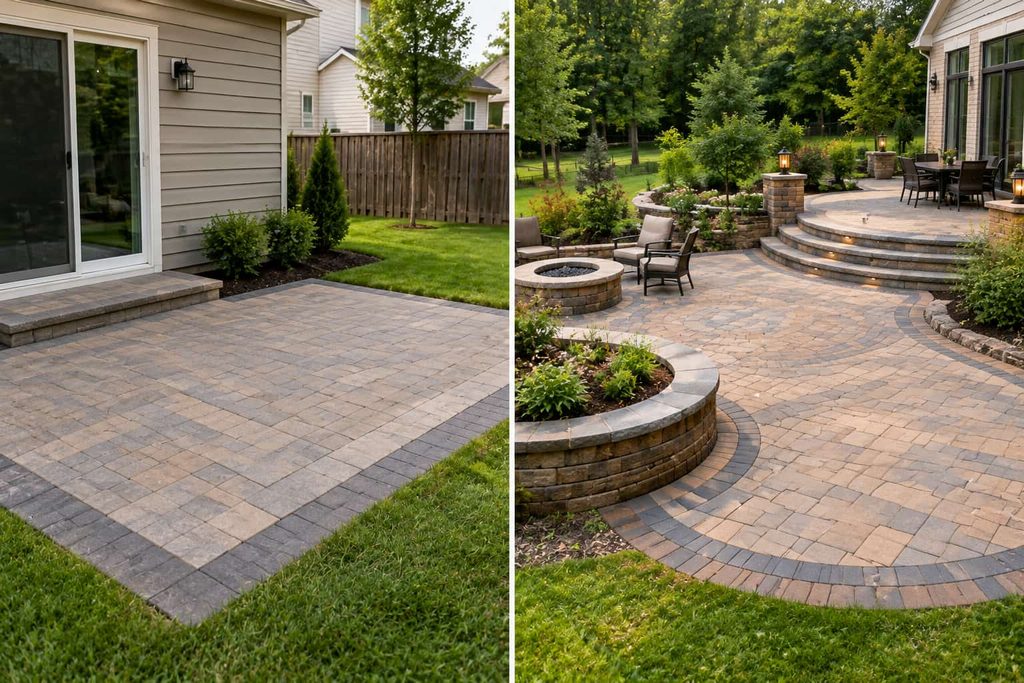
A well-designed patio can make a home more attractive to potential buyers. Outdoor living space gives homeowners an additional area for dining, relaxing, and entertaining. However, the value depends on the quality and usefulness of the finished project.
A patio that drains properly, matches the home, and connects naturally to the backyard is more useful than a poorly planned surface. Good design, proper installation, and durable materials matter more than simply making the patio larger.
Why Professional Installation Matters
A paver patio may look simple after it is finished, but much of the important work is hidden underneath. The contractor needs to create a stable base, establish proper grades, control water flow, install edge restraints, and place the pavers correctly.
Poor installation can lead to movement, low spots, drainage problems, and uneven surfaces. USA Builders and Developers can help homeowners plan and build outdoor hardscape projects with attention to site conditions, drainage, material selection, and long-term performance.
If you are planning a patio in Maryland, we can evaluate your space and help you choose an approach that fits your property and budget.
Final Thoughts on Paver Patio Cost
The cost of a paver patio depends on more than square footage. Size, paver material, site preparation, design, drainage, access, and additional features all affect the final price.
For Maryland homeowners, a useful starting budget is roughly $15 to $40 per square foot for many professionally installed projects, while premium natural stone and complex outdoor living designs can go higher. Current published Maryland pricing shows why estimates vary from one property to another.
If you are planning a 20×20 patio, remember that 400 square feet is only the starting point. The condition of the yard and the construction method can have a major effect on your final cost. Instead of choosing a contractor based only on the lowest quote, compare the materials, base preparation, drainage, labor, and services included.
A properly planned patio can provide a comfortable outdoor space for many years while improving the appearance and usability of your property.
Frequently Asked Questions
How much does a paver patio cost?
A professionally installed paver patio can commonly cost about $15 to $40 per square foot, depending on material, size, site preparation, design, drainage, and labor. Premium natural stone patios can cost more.
How much does a 20×20 paver patio cost?
A 20×20 patio has 400 square feet. Using a $15 to $40 per square foot planning range, the estimated cost is about $6,000 to $16,000. The actual price depends on materials, site conditions, access, drainage, and design.
What is the cheapest paver patio material?
Standard concrete pavers are generally one of the more affordable choices. They offer many colors and patterns without the higher material cost associated with many natural stone options.
Is a paver patio cheaper than concrete?
Basic concrete can cost less initially than a professionally installed paver patio. However, pavers offer more design choices and allow individual damaged units to be replaced instead of repairing an entire slab.
What makes a paver patio expensive?
The biggest cost drivers include patio size, premium materials, excavation, poor soil, difficult access, drainage work, curves, complicated patterns, retaining walls, steps, and outdoor features.
How long does a paver patio take to install?
A simple residential patio may take several days once construction begins. Larger projects with extensive excavation, drainage, walls, steps, or outdoor features can take longer.
Do paver patios need drainage?
Yes. Water needs to drain away from the home and move safely through the property. Proper grading is important, and some properties may require additional drainage systems.
Are paver patios good for Maryland weather?
Pavers can be a good choice for Maryland when they are installed with proper base preparation, grading, drainage, and edge restraint. Maryland experiences seasonal temperature changes, so proper installation is important for long-term performance.
Can pavers be installed over an old concrete patio?
Sometimes pavers can be installed over an existing surface, but the condition and drainage of the existing patio must be evaluated first. Removing the old surface and rebuilding the base may be the better long-term option.
Should I hire a professional to install my paver patio?
Professional installation is worth considering when the project involves a large area, difficult soil, drainage problems, slopes, complex patterns, or additional structures. Proper base preparation and grading are critical to a long-lasting patio.
Have Questions? Call Us Now!
We’re here to help—quick answers, friendly service, anytime you need!