A leaking roof rarely starts as a big problem. It starts as a clogged drain, a loose seam, or a small crack that nobody noticed. Commercial roof maintenance helps you catch these small issues early, before they turn into costly repairs and unhappy tenants.
In short, commercial roof maintenance means inspecting your roof on a schedule, cleaning it, fixing minor damage, and keeping written records. Most low-slope commercial roofs need a professional visit at least twice a year. Regular care will not make a roof last forever, but it can help the roof reach its full service life.
What Is Commercial Roof Maintenance?
Commercial roof maintenance is a planned program of inspections, cleaning, and small repairs that keeps a business roof watertight. It is preventive, not emergency work. The goal is to find early wear, such as open seams or blocked drains, and fix it while the cost is still low.
This guide focuses on commercial low-slope roofs. These are the flat or nearly flat roofs on warehouses, offices, retail centers, schools, and apartment buildings. Water drains slowly from these roofs, so small problems can grow fast. Steep shingle roofs on homes follow different rules.
Good preventative roof maintenance has four parts: inspection, cleaning, repair, and reporting. We explain each part below.
Why Does Commercial Roof Maintenance Matter?
Water is the main enemy of any roof. Steady commercial roof maintenance helps you spot leaks early, protect insulation, and avoid surprise repair bills. It also supports your warranty and gives you records for budgeting and insurance. In most cases, it costs far less than fixing leak damage later.
Here are the main benefits:
- Lower long-term cost. Fixing a small seam costs much less than replacing wet insulation or a damaged deck.
- Fewer business interruptions. A planned repair visit is easier than an emergency leak during business hours.
- Warranty support. Many manufacturers expect proof of regular care.
- Better energy use. Dry insulation and sound membranes help control heating and cooling loss.
- Safer building. Dry ceilings and clear drains lower the risk of mold, slips, and electrical problems.
Maintenance has limits. Every roof ages, and no program can stop that. What maintenance can do is slow the damage, show problems earlier, and help you plan a replacement on your schedule instead of during a crisis.
How Often Should You Schedule a Commercial Roof Inspection?
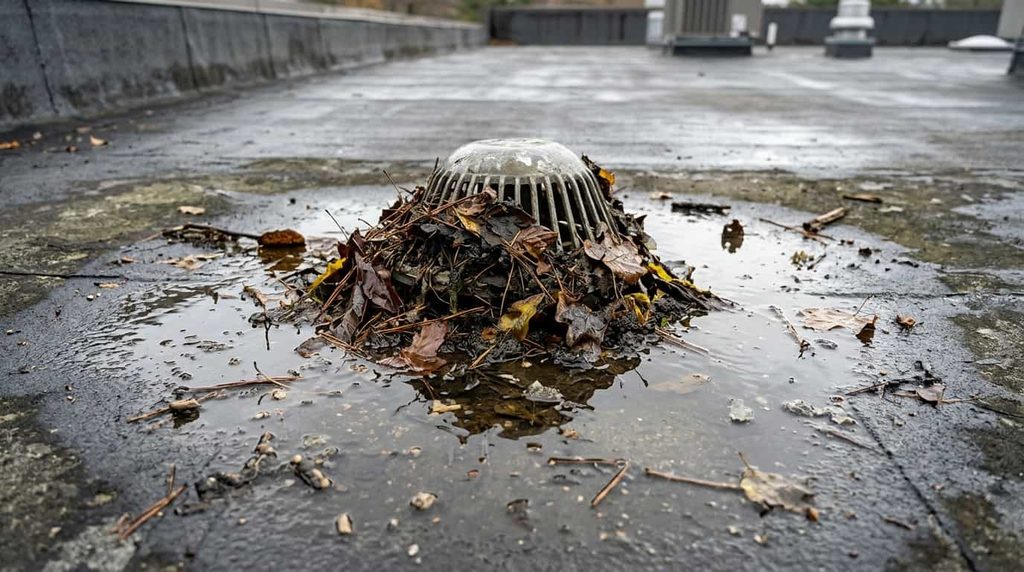
Most roofing manufacturers and industry groups recommend a commercial roof inspection at least twice a year, usually in spring and fall. Add extra visits after hail, high winds, heavy snow, or major storms. Older roofs often need closer attention and more frequent checks.
Always check your manufacturer’s written guidelines. Some warranties list exact inspection timing, and missing it can cause problems later. A professional inspection is the base of every strong commercial roof maintenance program. Spring visits find winter damage, while fall visits get your roof ready for cold weather. Keep every report, invoice, and photo in one folder, because these records can support a warranty claim if you ever need one.
| Situation | Suggested timing | Why it matters |
|---|---|---|
| Newer roof under warranty | Twice a year | Creates the records a warranty may require |
| Roof older than 15 years | Twice a year, plus after storms | Aging materials fail faster |
| After hail, strong wind, or heavy snow | Within a few days | Damage can be hidden but still leak |
| Before buying or selling a building | Once, as a full assessment | Shows true roof condition and repair needs |
| After rooftop equipment work | Within a week | Technicians can cause punctures or loose flashing |
What Does a Commercial Roof Maintenance Plan Include?
A solid roof maintenance plan covers inspections, debris removal, drain cleaning, minor repairs, moisture checks, and written reports. The details change by roof type and age, but these core steps apply to most commercial roofs. Here is what each step looks like in practice.
What Happens During a Professional Inspection?
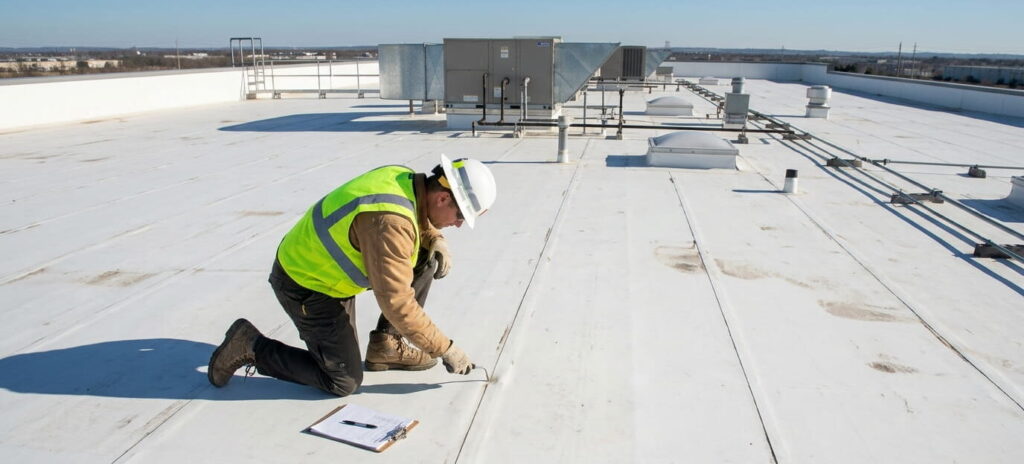
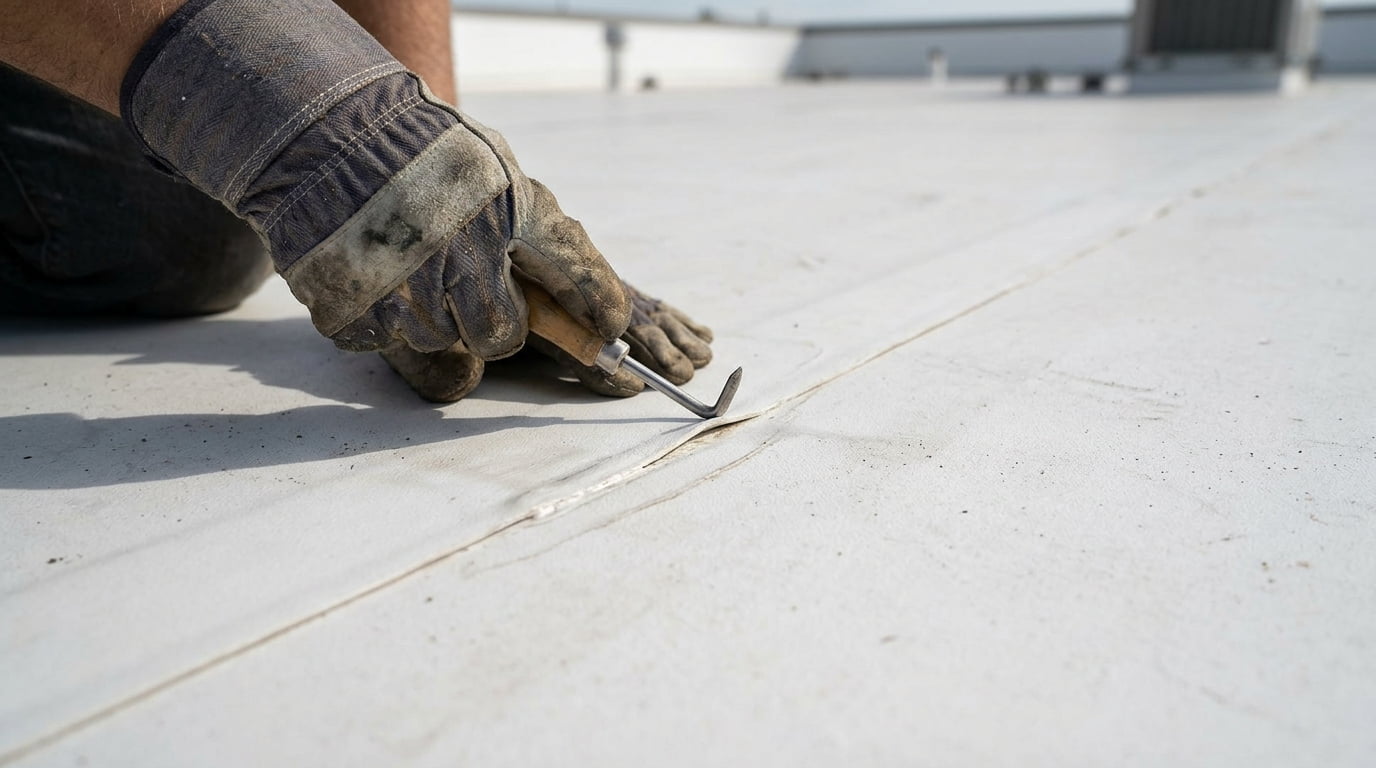
A trained inspector walks the whole roof and checks the membrane, seams, flashing, drains, and rooftop equipment. They take photos and note cracks, blisters, ponding water, loose fasteners, and signs of past leaks. You should receive a written report with clear next steps after the visit.
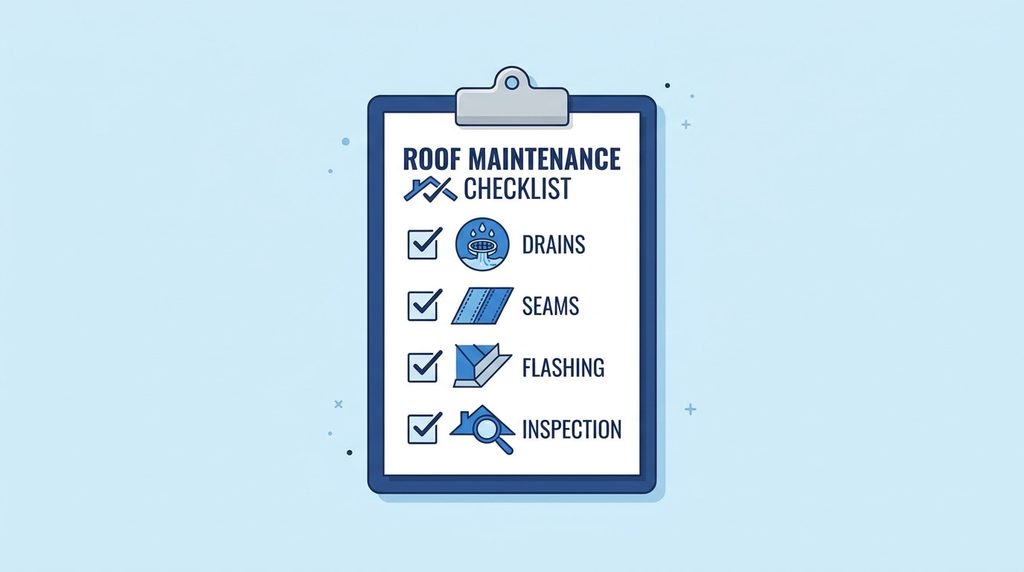
Commercial Roof Maintenance Checklist
Use this checklist as a starting point. Your contractor may add items based on your roof system.
- Walk the roof and note any visible damage
- Remove leaves, trash, and debris
- Clean drains, scuppers, and downspouts
- Check seams, laps, and the main membrane for cracks or blisters
- Inspect flashing at walls, curbs, and edges
- Check pipe boots and rooftop equipment connections
- Look for ponding water 48 hours after rain
- Tighten loose fasteners and metal edging
- Seal small punctures and open seams
- Check ceilings inside the building for stains
- Take dated photos
- Update your maintenance log
How Does Weather Affect Commercial Roofs Across the USA?
Weather is the biggest driver of roof wear, and the risks change by region. Heat, snow, ice, hail, and humidity each damage roofs in different ways. Your commercial roof maintenance schedule should match your local climate, not a generic calendar.
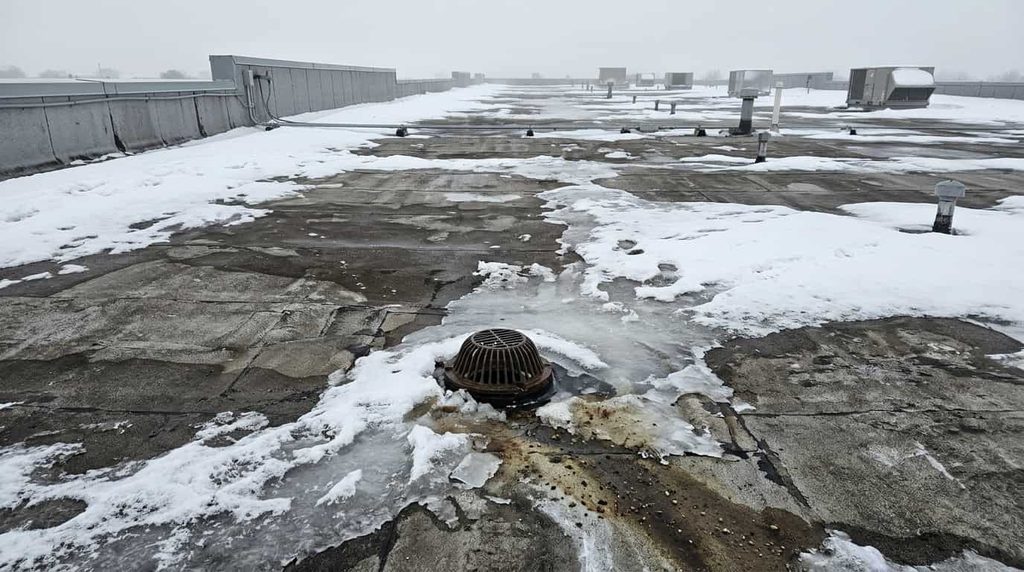
- Northeast and Mid-Atlantic (for example, Maryland): Freeze-thaw cycles can open seams and cracks, and humid summers can bring algae and moisture problems. Check flashing and drains after every winter.
- Midwest and Mountain states: Heavy snow, ice near drains, and hail are common. Inspect for punctures and drainage trouble after big storms.
- South and Gulf Coast: Hurricanes, strong wind, and heavy rain stress edges and fasteners. Check edge metal and flashing before storm season.
- Southwest: Strong sun and heat can dry out membranes and coatings over time. Look for shrinking, cracking, and faded surfaces.
These are general patterns, not rules. Your own roof’s condition matters more than the region on the map.
How Should You Prepare Your Roof for Winter and Storm Season?
Start by clearing drains and debris, then fix known weak spots before bad weather arrives. Schedule an inspection six to eight weeks before your region’s roughest season so there is time to repair what you find. Good commercial roof maintenance works best when it is done early.
- Clear all drains, gutters, and scuppers.
- Remove debris, loose items, and old equipment from the roof.
- Repair open seams, cracked sealant, and damaged flashing.
- Check that rooftop units and pipes are secure.
- Review your warranty and insurance contact details so you can act fast after a storm.
How Does Commercial Roof Maintenance Differ by Roof Type?
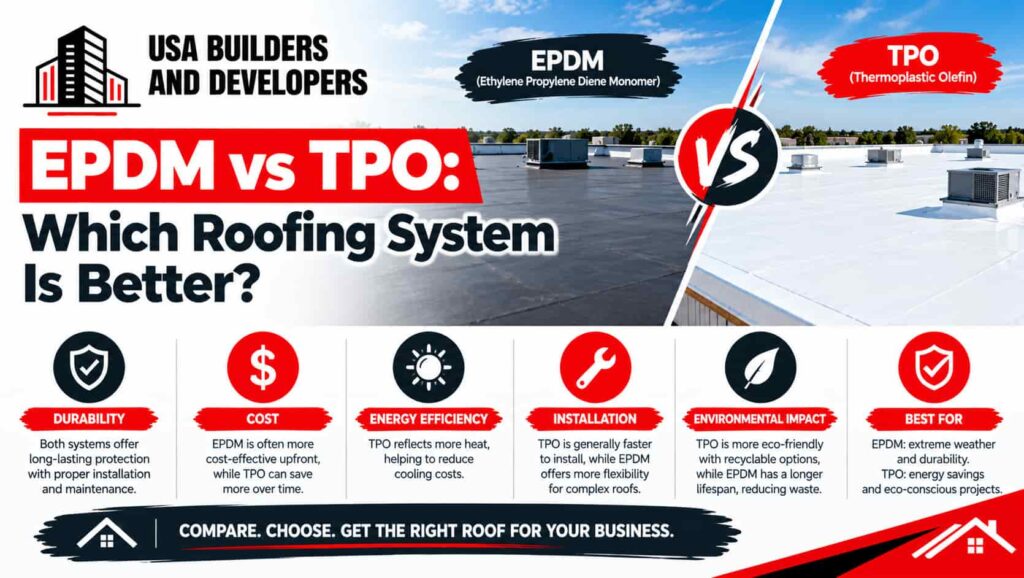
Every roof system ages in its own way. A seam problem on a single-ply roof is not the same as a fastener problem on a metal roof. Good flat roof maintenance starts by knowing what your roof is made of, then checking the weak spots common to that system.
| Roof type | Common problems | Maintenance focus |
|---|---|---|
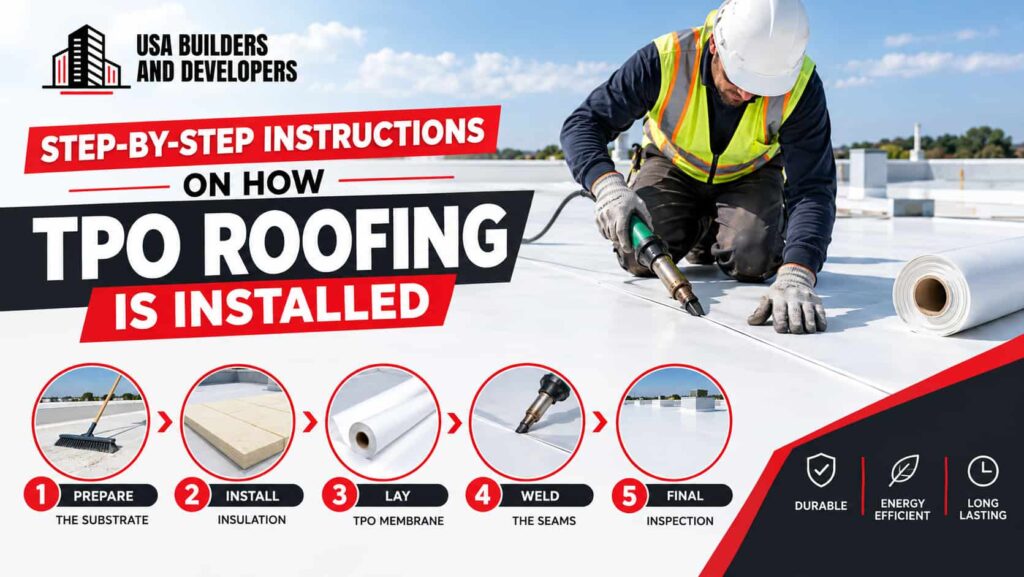
| TPO | Seam separation, small punctures | Check welded seams and flashing |
| EPDM | Shrinking, adhesive failure at seams | Inspect seams and edges; clean gently |
| Modified bitumen | Blisters, surface wear, lap issues (see torch down roofing) | Check laps, surface, and flashing |
| Built-up roof (BUR) | Cracking, ponding, surface aging | Watch drainage and surface condition |
| Metal | Loose fasteners, worn sealant, rust (see metal roof repair) | Tighten fasteners, reseal, check coatings |
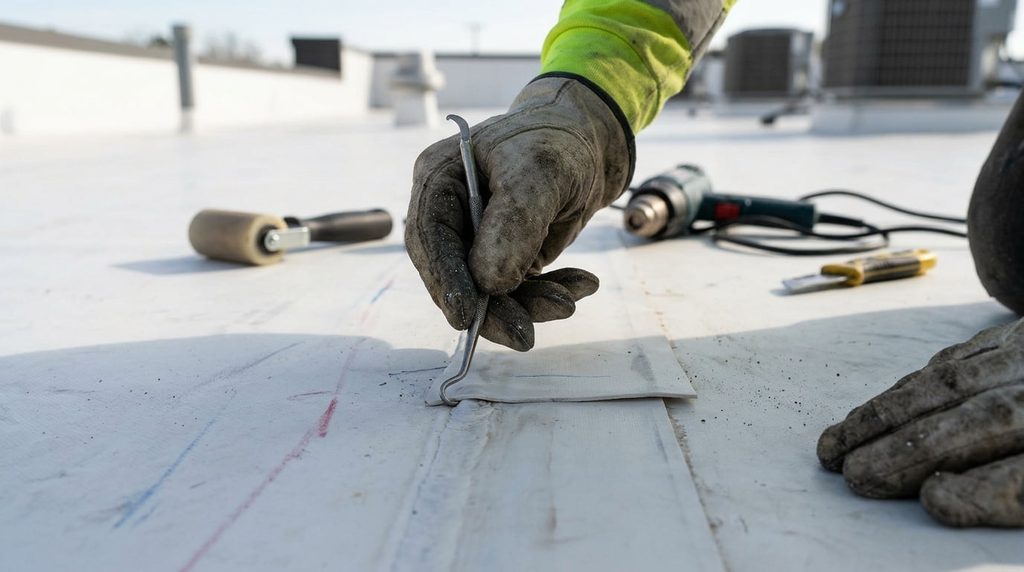
Should You Choose Repair, Coating, or Replacement?
Repair works for small, local damage. A commercial roof coating can add life to a roof that is still dry and structurally sound. Replacement is usually better when insulation is wet in many areas or the roof is failing in several places. Moisture testing helps confirm the right choice.
| Option | Best for | Main limits |
|---|---|---|
| Commercial roof repair | Small, local damage on an otherwise healthy roof | Does not fix widespread aging |
| Coating | Dry, sound roofs with surface wear | Cannot fix wet insulation or major damage; needs a compatible surface |
| Replacement | Widespread failure or wet insulation | Highest upfront cost and more disruption |
Coatings are not a cure-all. Many coatings need a compatible membrane and careful surface preparation, so follow the manufacturer’s instructions. If you are unsure, read our guide on roof repair vs replacement. Steady commercial roof maintenance helps you decide with facts, not guesses.
How Much Does Commercial Roof Maintenance Cost?
Cost depends on roof size, type, age, access, and how often you schedule visits. Many owners pay a yearly plan fee instead of one-time charges. Prices vary by city, so ask for written quotes from more than one company. In general, commercial roof maintenance costs far less than major repairs or early replacement.
These factors usually affect your quote:
- Total roof area and roof system type
- Roof age and current condition
- Number of drains, penetrations, and rooftop units
- Safe access to the roof
- Visits per year and report detail
What Mistakes Should Building Owners Avoid?
The most common mistake is waiting for a leak before taking action. Other errors, like skipping storm checks or using the wrong patch material, can shorten roof life or affect warranty coverage. Avoid these habits to protect your roof and your budget.
- Treating commercial roof maintenance as optional until water shows up inside
- Skipping inspections after hail, wind, or snow
- Letting other trades walk on the roof without telling you
- Ignoring ponding water and slow drains
- Using unapproved patch products that may affect the warranty
- Not keeping photos, reports, and invoices
- Choosing the lowest bid without checking what is included
- Coating over damage instead of repairing it first
What Does Your Manufacturer Warranty Require?
Most manufacturer warranties expect regular care, written records, and repairs made with approved materials. Rules differ by product, so read your warranty and ask the manufacturer or an approved installer. Strong commercial roof maintenance records can make a claim much easier to handle.
Common warranty points to check:
- Required inspection schedule
- Who may repair the roof
- Notice rules before work on the roof
- Exclusions, such as ponding water or storm events
What Should You Ask a Commercial Roofing Contractor?
Ask about experience with your roof type, written reports, insurance, and response time. When hiring help for commercial roof maintenance, a good commercial roofing contractor will explain findings in plain words and will not push replacement without proof.
Questions worth asking:
- Have you worked on my roof system before?
- Will I receive a written report with photos?
- Are you licensed and insured in my state?
- How do you protect my warranty?
- How fast can you respond after a storm?
- What is included in the yearly plan, and what costs extra?
- How will you tell me if replacement is needed?
- Can you share references from similar buildings?
What Are the Limits of Roof Maintenance?
Commercial roof maintenance cannot reverse age, fix widespread wet insulation, or replace a failed roof system. It also cannot promise a leak-free roof. Its job is to slow wear, catch issues early, and help you plan repairs and budgets with fewer surprises.
If your roof is near the end of its life, an honest contractor should tell you so. Sometimes the smartest move is to plan a replacement instead of paying for repeated repairs.
Why Work With USA Builders and Developers?
USA Builders and Developers supports commercial property owners with roof inspections, repairs, and long-term roofing plans, including projects in Maryland. The team can review your roof, explain what they find in simple words, and help you set a schedule that fits your building and budget. Learn more about our commercial roofing services.
Commercial Roof Maintenance FAQs
What is included in commercial roof maintenance?
It usually includes scheduled inspections, debris removal, drain cleaning, small repairs, moisture checks, and a written report. Some plans also include storm response. Ask each contractor for a written scope so you know exactly what is covered.
How often should commercial roofs be maintained?
Plan for professional visits at least twice a year, in spring and fall, plus checks after major storms. Older roofs may need more visits. Always follow your manufacturer’s warranty rules, since they may set a specific schedule.
Is commercial roof maintenance worth it?
For most owners, yes. Commercial roof maintenance helps find small problems early, which often costs less than emergency repairs. It does not stop aging, and a very old roof may still need replacement. The value comes from fewer surprises and better planning.
Can I maintain my commercial roof myself?
Basic tasks like checking for debris from a safe access point may be fine. Walking on a roof carries fall and damage risks, and some warranties require approved contractors. For inspections and repairs, hire a trained professional.
How long can a commercial roof last with proper care?
It depends on the material, climate, and quality of installation. Many membrane roofs last about 20 to 30 years, and metal roofs often last longer. Treat these as general ranges and check your manufacturer’s guidance.
What is the difference between maintenance and repair?
Maintenance is planned and preventive. Repair fixes damage that already exists. Regular maintenance often reduces how much repair you need, because small defects are fixed before they spread.
Final Thoughts
Commercial roof maintenance is a small, steady investment that protects your building, your tenants, and your budget. You do not need a perfect plan to begin. Start with a professional inspection, review your warranty, and set a simple schedule you can follow every year.
Need Help With Commercial Roof Maintenance?
Ready to protect your roof and avoid surprise repair bills? Contact USA Builders and Developers today to book a roof inspection and get a clear, written maintenance plan for your property.
Have Questions? Call Us Now!
We’re here to help—quick answers, friendly service, anytime you need!