Vinyl siding is a popular choice for homeowners because it is durable, affordable, and requires little maintenance. However, years of sunlight, rain, and changing temperatures can cause its original color to fade. You may also want to update your home’s exterior without paying for completely new siding. This raises an important question: Can you paint vinyl siding?
Yes, you can paint vinyl siding if it is in good condition and you use the right products. The key is proper surface preparation, suitable exterior paint, and a color that will not cause excessive heat buildup. When done correctly, painting can give your home a fresh appearance without removing the existing siding.
However, painting is not always the best solution. Cracked, loose, or badly damaged panels may need repairs or replacement before any paint is applied.
In this guide, we will explain how to paint vinyl siding, which paint works best, how to choose a safe color, and what to expect from the finished result.To know more about vinyl siding you can visit our page Insulated Vinyl Siding: 7 Powerful Benefits Every Homeowner Should Know
Can You Paint Vinyl Siding?
Yes, vinyl siding can be painted. You do not always need to replace faded siding to improve your home’s exterior appearance. Modern exterior paints are available that can bond well with properly prepared vinyl surfaces. These products are designed to handle outdoor conditions and the natural movement of vinyl panels. However, there are a few important conditions:
- The siding should be structurally sound.
- Cracked or loose panels should be repaired first.
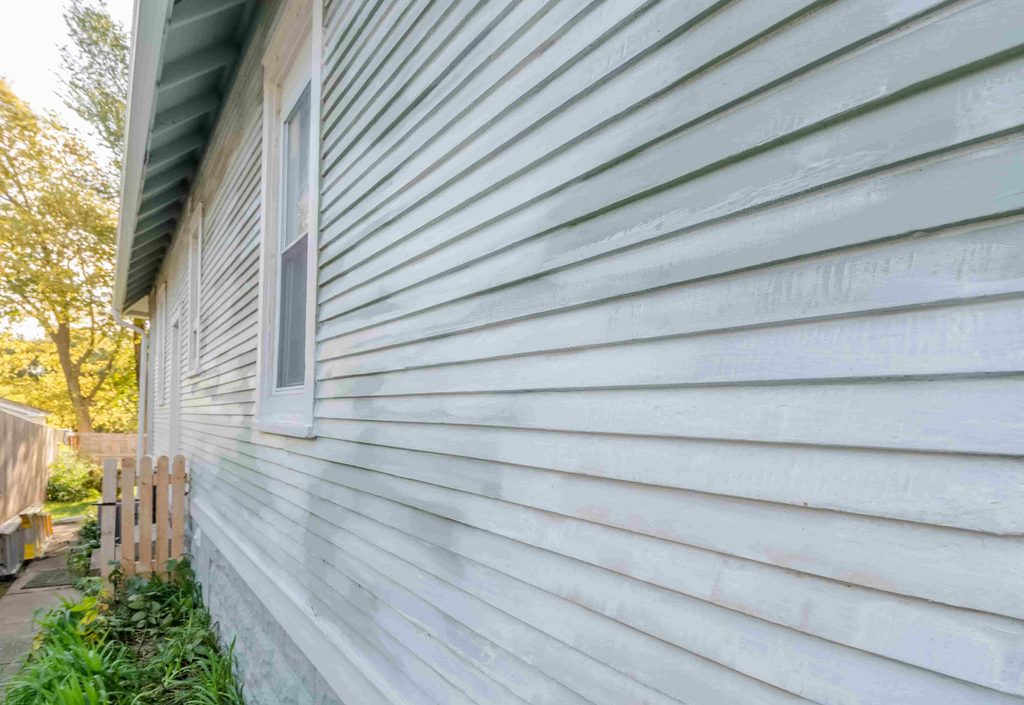
- Dirt, mildew, and chalky residue must be removed.
- The paint should be suitable for vinyl siding.
- The selected color should be designed to avoid excessive heat absorption.
- Weather conditions should meet the paint manufacturer’s requirements.
Vinyl siding expands and contracts as temperatures change. Therefore, the paint must remain flexible enough to handle this movement. Painting damaged siding will not fix underlying problems. Always inspect the surface before starting the project.
Why Do Homeowners Paint Vinyl Siding?
Homeowners choose to paint their siding for several reasons. It can improve the appearance of an older home without requiring a complete exterior renovation. Here are some common reasons to consider this option.
1. Restore Faded Siding
Constant sunlight can cause vinyl siding to lose its original color. Some areas may look lighter than others, especially on walls that receive direct sunlight. A fresh coat of suitable exterior paint can restore a more consistent appearance.
2. Change Your Home’s Exterior Color
You may like your siding but no longer like its original color. Painting gives you more choices without removing the existing panels. You can select a new shade that works with your roof, windows, doors, and exterior trim.
3. Improve Curb Appeal
Faded or outdated siding can make an otherwise attractive home look older. A carefully selected paint color can give the exterior a cleaner and more updated appearance.
4. Avoid Immediate Siding Replacement
Replacing vinyl siding involves removing old panels, preparing the exterior, and installing new materials. If the existing siding is still in good condition, painting may offer a more affordable way to update its appearance. However, the savings depend on the amount of preparation, repairs, and labor required.
Pros and Cons of Painting Vinyl Siding
Before starting, consider both the advantages and possible drawbacks.
| Advantages | Disadvantages |
|---|---|
| Costs less than many full replacement projects | Requires careful preparation |
| Provides more color choices | Paint may eventually fade |
| Improves exterior appearance | Damaged panels still need repairs |
| Avoids removing usable siding | Dark colors may cause heat problems |
| Can reduce construction waste | Future repainting may be necessary |
Painting is a good option when the siding is sound and the main problem is its appearance. Replacement may be better when the material has widespread damage.
What Is the Best Paint for Vinyl Siding?
Choosing the right paint is one of the most important parts of this project. Regular exterior paint is not always suitable for vinyl. You need a product that can bond to the surface and handle temperature changes.
100% Acrylic Latex Paint
High-quality 100% acrylic latex exterior paint is a common choice for vinyl siding. It offers several useful features:
- Strong adhesion to properly prepared surfaces
- Flexibility during temperature changes
- Resistance to outdoor weather
- Good color retention
- Easy application with suitable equipment
Always check the product label to confirm that the paint is approved for vinyl siding.
Vinyl-Safe Exterior Paint
Some manufacturers offer specially formulated paints and color collections for vinyl surfaces. These products are designed to reduce heat-related problems associated with certain darker colors. They are particularly useful if you want to change your home’s exterior to a deeper shade.
Do You Need Primer for Vinyl Siding?
Not every vinyl siding project requires a separate primer. Some exterior paints are designed to adhere directly to clean, sound vinyl. Other products may require a compatible primer, especially when the surface has exposed areas or other conditions that affect adhesion.
Follow the paint manufacturer’s instructions rather than applying primer automatically. Using the wrong primer can create adhesion problems instead of improving the finish.
Can You Paint Vinyl Siding a Darker Color?
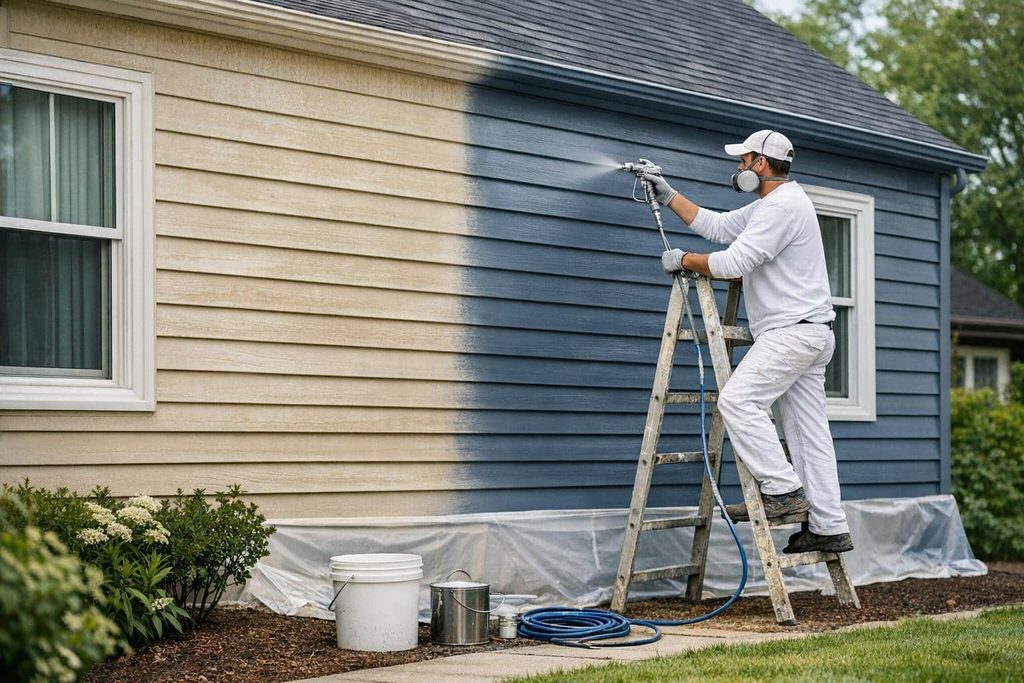
Yes, but you need to choose carefully. Vinyl siding expands and contracts as outdoor temperatures change. Dark colors generally absorb more sunlight and heat than lighter colors. If the siding becomes too hot, it may warp, buckle, or change shape.
For this reason, painting light-colored vinyl with an ordinary dark exterior paint can create problems. However, some modern vinyl-safe paints use special color technology designed to reduce heat absorption. These products may allow homeowners to choose darker shades without the same level of risk.
Before choosing a color:
- Check the original siding manufacturer’s recommendations.
- Look for paint labeled for vinyl siding.
- Choose from the manufacturer’s approved vinyl-safe colors.
- Consider how much direct sunlight your exterior walls receive.
- Test the color before painting the entire house.
Do not assume that every exterior paint is safe for a darker vinyl finish.
How to Paint Vinyl Siding: Step-by-Step Guide
Painting vinyl siding requires more than applying a fresh coat of paint. The surface must be clean, dry, and ready to accept the new finish. Here are the main steps to follow.
Step 1: Inspect the Existing Siding
Start by examining the entire exterior. Look for cracked panels, loose sections, holes, warped areas, and signs of moisture damage. Check corners, joints, and areas around windows and doors. These locations can develop problems that are easy to miss during a quick inspection.
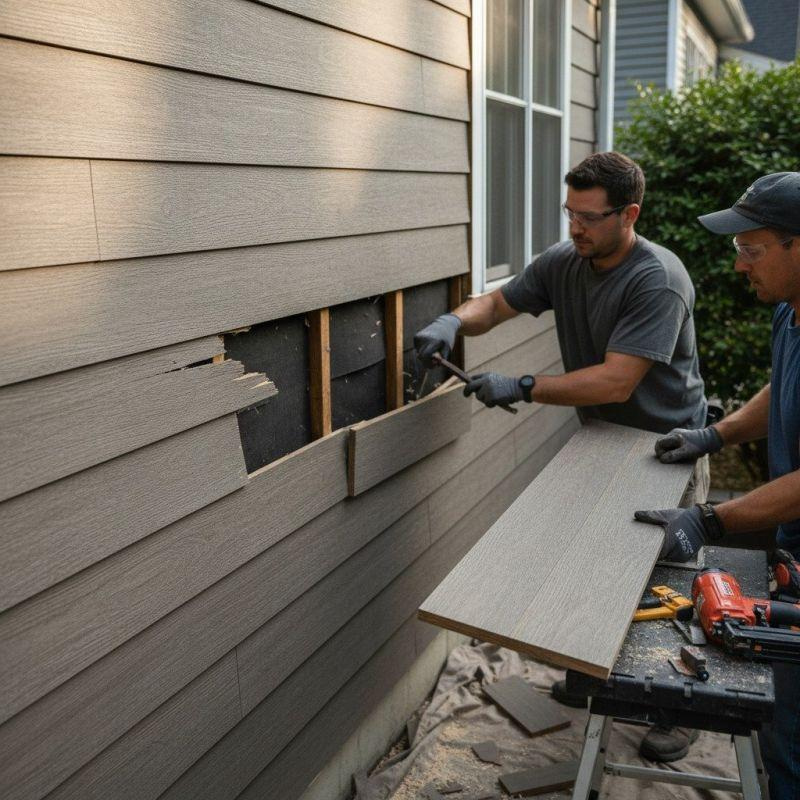
Replace badly damaged panels and secure loose sections before painting. If the siding has widespread damage, painting may not be the right solution.
Step 2: Clean the Surface Thoroughly
Dirt, dust, pollen, mildew, and other buildup can prevent paint from bonding properly. Wash the siding using a suitable exterior siding cleaner and follow its instructions. You can use a soft brush for stubborn dirt. A garden hose or carefully controlled low-pressure washing can help remove loose debris. Avoid excessive water pressure because it can force moisture behind the panels or damage the siding.
If you find mildew, use a cleaner specifically suitable for the surface. Follow all safety instructions and never mix cleaning chemicals. Rinse the siding thoroughly and allow it to dry completely.
Step 3: Remove Chalky Residue
Older vinyl siding may develop a powdery surface called oxidation or chalking. This residue can interfere with paint adhesion. After cleaning, gently rub the surface with a clean cloth. If a noticeable powder transfers to the cloth, additional cleaning may be necessary. Use a suitable cleaning method to remove the residue before painting.
Do not simply cover chalky siding with a new coat of paint. The finish may fail if the surface underneath is not properly prepared.
Step 4: Make Necessary Repairs
Once the siding is clean and dry, inspect it again. Repair or replace cracked, broken, or badly warped panels. Check that loose pieces are properly secured. Also examine the trim, corners, and joints. Painting over damaged areas will not make them stronger or prevent future problems. If water has entered behind the siding, identify and correct the source before continuing.
Step 5: Protect Windows, Doors, and Landscaping
Painting can leave unwanted marks on nearby surfaces. Cover windows, doors, light fixtures, outlets, and other areas that should not receive paint. Use painter’s tape and suitable protective coverings. Move outdoor furniture away from the walls. Cover nearby plants and landscaping to protect them from cleaning products and paint splashes. Make sure the work area has enough space for safe movement and equipment.
Step 6: Choose the Right Paint and Primer
Select a high-quality exterior paint specifically approved for vinyl siding. Check the manufacturer’s instructions for recommended primers, application methods, and coverage. If a primer is required, choose one compatible with both the siding and the topcoat.
Also confirm that your selected color is suitable for the original siding material. Buying the correct products before starting can prevent unnecessary delays and application problems.
Step 7: Apply the Paint Evenly
You can apply vinyl siding paint using an airless sprayer, roller, or brush, depending on the product and project. A paint sprayer can cover large areas quickly and provide an even finish when used correctly. A roller works well on accessible flat surfaces, while a brush helps with corners, edges, and detailed areas.
Apply thin, even coats instead of trying to cover everything with one heavy layer. Follow the manufacturer’s recommended drying time between coats. Avoid filling the spaces between siding panels with paint. Vinyl panels need room to expand and contract naturally.
Step 8: Allow Proper Drying Time
After applying the final coat, let the paint dry according to the product instructions. Avoid touching the surface or placing objects against the siding while the finish is curing. Keep an eye on the weather. Rain, high humidity, extreme temperatures, and strong direct sunlight can affect drying and the final appearance. Follow the recommended temperature and weather conditions listed on the paint label.
Step 9: Inspect the Finished Work
Once the paint has dried, examine the entire exterior. Look for missed areas, uneven coverage, drips, and visible imperfections. Check corners, edges, and areas around windows and doors. If touch-ups are necessary, use the same paint and follow the manufacturer’s instructions. A final inspection helps ensure the siding has a consistent appearance and that no important areas were overlooked.
What Is the Best Time to Paint Vinyl Siding?
The weather plays an important role in exterior painting. Moderate temperatures and dry conditions generally provide better results. Avoid painting during:
- Heavy rain or wet conditions
- Extreme heat
- Freezing temperatures
- Very high humidity
- Strong winds that carry dust and debris
Direct sunlight can also cause paint to dry too quickly, making it harder to achieve an even finish. Always check the paint manufacturer’s recommended temperature range and drying conditions before starting.
For Maryland homeowners, spring and fall can offer suitable painting conditions. However, the actual weather matters more than the season.
How Much Does It Cost to Paint Vinyl Siding?
The cost depends on the size of your home, siding condition, paint quality, preparation requirements, and labor. A small house with clean siding may cost much less than a large property that needs repairs and extensive preparation.
Here are the main factors that affect the total price.
Size of the House
Larger homes have more exterior surface area. They require additional paint, labor, and time.
Condition of the Siding
Clean and well-maintained siding usually requires less preparation. Cracks, loose panels, oxidation, and mildew can increase labor costs.
Paint Quality
Premium exterior paints may cost more initially but can provide better durability and color retention.
Labor and Equipment
Professional painting costs include surface preparation, application, equipment, and cleanup. Homes with multiple stories or difficult-to-reach areas may also require additional safety equipment.
Painting vs. Replacement
Painting can be less expensive than replacing all the siding when the existing material is still in good condition. However, the best choice depends on the condition of your exterior. If panels are badly damaged, replacement may provide better long-term value. For an accurate estimate, have the siding inspected and request a quote based on your home’s actual condition.
How Long Does Paint Last on Vinyl Siding?
Paint can last many years on properly prepared vinyl siding. However, there is no guaranteed lifespan for every home. The final result depends on several factors:
- Quality of the paint
- Surface preparation
- Application technique
- Sun exposure
- Local weather conditions
- Regular maintenance
Homes exposed to strong sunlight and harsh weather may experience faster fading. Cleaning the exterior regularly and addressing small paint problems early can help maintain its appearance. When the finish begins to fade, peel, or show uneven wear, inspect the surface to determine whether touch-ups or repainting are needed.
Common Mistakes to Avoid When Painting Vinyl Siding
Even good-quality paint can fail when the preparation or application is incorrect. Avoid these common mistakes.
1. Skipping Surface Cleaning
Paint cannot bond properly to dirt, mildew, or chalky residue. Always clean the siding thoroughly before applying any coating.
2. Using Ordinary Interior Paint
Interior paint is not designed to handle outdoor weather. Always choose an exterior product approved for vinyl.
3. Choosing an Unsafe Dark Color
Some darker colors can cause excessive heat absorption. Select a vinyl-safe color approved by the paint manufacturer.
4. Ignoring Damaged Panels
Paint will not repair cracks, holes, or warped siding. Fix these problems before starting.
5. Painting in Poor Weather
Rain, extreme temperatures, and high humidity can affect paint application and drying.
6. Applying Thick Coats
Heavy coats can create uneven coverage and may interfere with the natural movement of siding panels. Follow the recommended application instructions.
7. Ignoring Manufacturer Recommendations
Different vinyl products have different requirements. Check the siding warranty and paint instructions before beginning.
Should You Paint or Replace Vinyl Siding?
Painting and replacement can both improve your home’s exterior, but they solve different problems.
| Situation | Better Option |
|---|---|
| Siding has faded but remains in good condition | Painting |
| You want a different exterior color | Painting |
| Several panels have minor damage | Repair before painting |
| Siding has widespread cracks or warping | Replacement |
| Moisture has damaged the material underneath | Repair or replacement |
| Existing siding is structurally sound | Painting may be suitable |
If the siding is still strong and the main concern is its appearance, painting can be a practical choice. If the panels are failing or moisture problems exist behind them, replacing the damaged material may be the better investment. A professional inspection can help you make the right decision.
How to Maintain Painted Vinyl Siding
Once the project is complete, regular maintenance can help protect the new finish. Follow these simple practices:
- Wash the siding periodically with a mild, suitable cleaner.
- Remove dirt and mildew before they spread.
- Avoid harsh cleaning chemicals.
- Keep tree branches away from exterior walls.
- Inspect painted surfaces for peeling or damage.
- Check joints and trim for signs of moisture.
- Address small problems before they become larger repairs.
Avoid aggressive pressure washing because it can damage the finish or force water behind the siding. Proper maintenance helps keep your home’s exterior looking clean and attractive.
Frequently Asked Questions
Can you paint vinyl siding without removing it?
Yes. You can paint vinyl siding without removing the existing panels. Clean and inspect the surface, make necessary repairs, and use paint designed for vinyl. Removing the siding is generally unnecessary when it is properly installed and in good condition.
Does vinyl siding need to be primed before painting?
Not always. Some exterior paints are designed to bond directly to clean, sound vinyl. However, certain surfaces or paint products may require primer. Always follow the manufacturer’s recommendations.
Can you paint vinyl siding with a paint sprayer?
Yes. A paint sprayer is commonly used because it covers large exterior areas efficiently. You can also use rollers and brushes for smaller sections and detailed areas. Choose the application method recommended by the paint manufacturer.
Will painting vinyl siding cause it to warp?
It can happen if you use an unsuitable dark color that absorbs excessive heat. Vinyl-safe paints are designed to reduce this risk. Always check the approved color options before painting.
Can you paint old vinyl siding?
Yes, if the siding is still in good structural condition. However, older panels should be checked carefully for cracks, brittleness, warping, and oxidation. Extensive damage may make replacement a better option.
How many coats of paint does vinyl siding need?
The number of coats depends on the paint product, original siding color, and desired finish. Some products require one coat over previously painted siding, while others recommend two coats. Follow the product instructions.
Is painting vinyl siding cheaper than replacing it?
Painting is often less expensive when the existing siding is in good condition. Replacement involves removing old panels and installing new materials, which adds labor and material costs. The actual savings depend on the home’s condition and project size.
Can you paint vinyl siding in Maryland?
Yes. Maryland homeowners can paint vinyl siding when the material is suitable for painting and the weather meets the product requirements. Choose appropriate exterior paint and avoid applying it during extreme temperatures, rain, or excessive humidity.
Final Thoughts
So, can you paint vinyl siding? Yes, and it can be an effective way to refresh your home’s exterior without replacing panels that are still in good condition. The most important steps are inspecting the siding, removing dirt and oxidation, repairing damaged areas, choosing vinyl-safe paint, and applying it under suitable weather conditions.
If you are unsure whether painting or replacement is the better option, USA Builders and Developers can help assess your home’s exterior and recommend a practical solution. We provide siding services and exterior renovation solutions for residential and commercial properties throughout Maryland. Whether your home needs a siding update, repairs, or a larger exterior improvement, our team can help you plan the work according to your property’s needs.
Contact USA Builders and Developers to discuss your exterior renovation project and give your home a fresh, well-maintained appearance.
Have Questions? Call Us Now!
We’re here to help—quick answers, friendly service, anytime you need!