Roof waterproofing services help protect your property from rain, snow, moisture, and water damage.
A roof can look fine from the outside and still have hidden moisture problems. Small cracks, open joints, and damaged areas can allow water to enter the roofing system. Over time, this can damage insulation, ceilings, walls, and other parts of the building.
Maryland properties face changing weather throughout the year. Heavy rain, snow, humidity, strong winds, and summer heat can put extra stress on a roof.
Proper waterproofing creates an additional layer of protection. It helps keep moisture out and can extend the useful life of your roofing system.
What Is Roof Waterproofing?
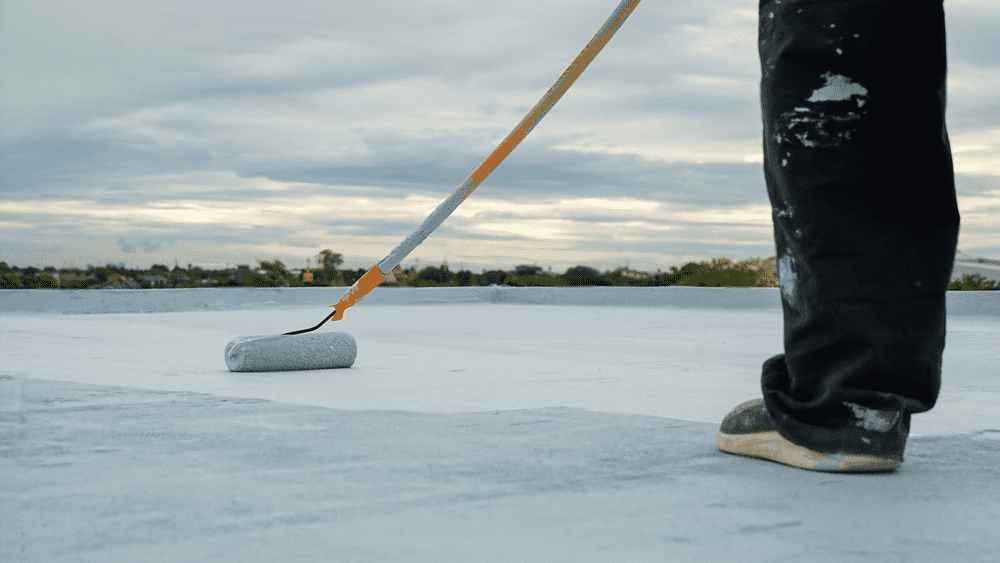
Roof waterproofing is the process of protecting a roof from water penetration.
A waterproofing system is applied over or beneath the roofing surface. The exact method depends on the roof type, material, condition, and drainage system.
Common waterproofing solutions include:
- Liquid waterproofing membranes
- Bituminous coatings
- Polyurethane coatings
- Cement-based waterproofing
- Waterproof roofing membranes
The main goal is simple. Keep water out of the roofing system.
A proper waterproofing system can also help protect the roof from weather exposure and premature deterioration.
Why Is Roof Waterproofing Important?
Water is one of the biggest threats to a roofing system.
When moisture gets through a weak area, it can spread below the visible roof surface. You may not notice the damage until stains or leaks appear inside the property.
Professional waterproofing can help:
- Reduce water penetration
- Protect roofing materials
- Prevent moisture damage
- Reduce the risk of leaks
- Protect insulation
- Extend roof life
- Lower unexpected repair costs
Waterproofing is especially useful when a roof has areas that are exposed to frequent rain or standing water.
Signs Your Roof May Need Waterproofing
You do not always need to wait for an active leak. Your roof may show smaller warning signs first.
Look for these problems:
- Ceiling stains
Brown or dark marks on ceilings may indicate water intrusion. - Peeling paint
Paint that bubbles or peels can be a sign of moisture behind the surface. - Musty odors
A damp smell may indicate hidden moisture. - Roof cracks
Cracks can create openings where water enters the roofing system. - Standing water
Water that remains on the roof after rainfall can increase the risk of leaks. - Damaged flashing
Loose or damaged flashing can allow water around roof edges and penetrations. - Mold or mildew
Persistent moisture can encourage mold and mildew growth.
If you notice these signs, a professional roof inspection can help identify the actual cause.
Main Types of Roof Waterproofing
Different roofs need different waterproofing methods.
A professional should select the system based on the roof condition and material.
1. Liquid Waterproofing
Liquid waterproofing is applied directly to the roof surface.
It creates a continuous membrane after curing.
It can work well around complicated roof details because the coating follows the shape of the surface.
2. Bituminous Waterproofing
Bituminous systems use asphalt-based materials to provide water resistance.
They are commonly used on flat and low-slope roofs.
They can provide strong protection when properly installed.
3. Polyurethane Waterproofing
Polyurethane coatings create a flexible waterproof layer.
They can work well on roofs with different shapes and details.
The coating can also help protect the roof from weather exposure.
4. Cement-Based Waterproofing
Cement-based products are often used on concrete surfaces.
They create a water-resistant barrier and can be suitable for certain concrete roofs and similar areas.
The correct product depends on the surface and project requirements.
Benefits of Professional Roof Waterproofing Services
Professional waterproofing offers more than basic leak protection.
1. Helps Prevent Water Damage
A properly installed waterproofing system helps reduce water penetration.
This protects areas below the roof from moisture-related damage.
2. Extends Roof Life
Moisture can speed up the deterioration of many roofing materials.
Waterproofing can provide an additional layer of protection and help the roof perform for longer.
3. Reduces Repair Needs
Preventing water from reaching vulnerable areas can reduce the risk of certain moisture-related repairs.
4. Protects Interior Areas
A leaking roof can damage ceilings, walls, insulation, and interior finishes.
Waterproofing helps protect these areas from roof-related moisture.
5. Improves Long-Term Roof Protection
A waterproofing system can help the roof handle regular exposure to rain and moisture.
It works best when combined with proper drainage and regular maintenance.
Roof Waterproofing Process
Professional roof waterproofing services usually follow several important steps.
Step 1: Roof Inspection
The contractor first checks the roof.
They look for:
- Cracks
- Leaks
- Open joints
- Damaged flashing
- Ponding water
- Surface deterioration
This helps determine whether waterproofing is suitable.
Step 2: Surface Preparation
The roof surface must be clean before waterproofing begins.
Dust, dirt, loose materials, and old coatings may need to be removed.
Good preparation helps the waterproofing material bond properly.
Step 3: Repair Damaged Areas
Cracks, holes, open seams, and other damaged areas should be repaired before the waterproofing system is applied.
Waterproofing should not be used to hide serious roof damage.
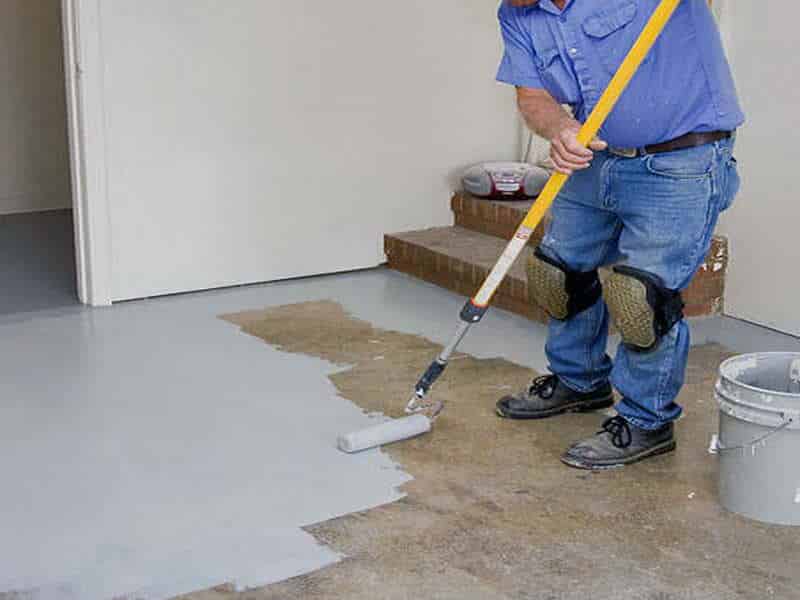
Step 4: Apply the Waterproofing System
The selected coating or membrane is applied according to the product requirements.
Coverage should be even.
Special attention is needed around corners, joints, drains, vents, and other roof penetrations.
Step 5: Allow Proper Curing
The material needs enough time to cure.
Weather conditions can affect this process.
Step 6: Final Inspection
The completed roof should be checked for gaps, weak areas, and incomplete coverage.
The contractor can then explain any recommended maintenance.
Residential vs Commercial Roof Waterproofing
Waterproofing needs can be different for homes and commercial properties.
| Feature | Residential Roof | Commercial Roof |
|---|---|---|
| Common roof types | Shingle, tile, metal, flat | TPO, EPDM, PVC, metal, BUR |
| Main concern | Leak and moisture protection | Long-term roof performance |
| Roof size | Usually smaller | Often much larger |
| Drainage | Gutters and downspouts | Drains, scuppers, and gutters |
| Maintenance | Periodic inspections | Regular maintenance programs |
| Waterproofing needs | Based on roof material | Based on system and building use |
The best waterproofing method depends on the existing roof.
There is no single solution that works for every property.
Roof Waterproofing for Maryland Weather
Maryland roofs experience different weather conditions throughout the year.
- Rain can create moisture problems.
- Snow can place additional weight on a roof.
- Summer heat can increase surface temperatures.
- Freeze-and-thaw cycles can also affect cracks and joints.
- These conditions make roof maintenance important.
- A waterproofing system can help protect vulnerable areas from repeated moisture exposure.
- However, waterproofing is not a replacement for proper drainage or roof repairs.
- If water is collecting on the roof, the drainage problem should also be addressed.
How to Maintain a Waterproofed Roof
Waterproofing still requires maintenance.
Follow these simple steps:
- Inspect the roof regularly.
- Keep drains and gutters clear.
- Remove leaves and debris.
- Check flashing for damage.
- Repair cracks early.
- Avoid unnecessary foot traffic.
- Inspect the roof after major storms.
- Follow the coating manufacturer maintenance instructions.
Regular maintenance can help you find small problems before they become larger ones.
How Much Do Roof Waterproofing Services Cost?
The cost of roof waterproofing services depends on the property and the waterproofing system.
Important factors include:
- Roof size
- Roof material
- Surface condition
- Amount of preparation needed
- Type of waterproofing
- Number of coats
- Roof accessibility
- Repairs required before application
A roof with extensive damage may cost more to waterproof because repairs are needed first.
For this reason, a professional inspection is the best way to understand the actual project cost.
Avoid choosing a waterproofing contractor based only on the lowest price.
The quality of preparation and installation can have a major effect on the final result.
When Should You Waterproof Your Roof?
There is no single schedule that works for every roof.
Waterproofing may be worth considering when:
- The existing protective coating is deteriorating.
- Minor cracks are appearing.
- The roof experiences frequent moisture exposure.
- The roof is approaching the end of its service life.
- Previous waterproofing is wearing out.
- You want additional protection after appropriate repairs.
A professional should first determine whether waterproofing is appropriate for the existing roof.
If the roof has major structural damage, replacement may be a better option.
Common Roof Waterproofing Mistakes
Poor installation can reduce the effectiveness of a waterproofing system.
Avoid these common mistakes:
Using Waterproofing on a Damaged Roof
A coating cannot fix serious structural damage.
The underlying problem should be repaired first.
Skipping Surface Preparation
Dirt and loose material can prevent proper bonding.
Ignoring Drainage
Waterproofing does not solve poor drainage.
Standing water should be addressed.
Applying the Wrong Product
Different roof materials require different products.
Applying Too Little Material
Insufficient coverage can leave weak areas.
Always follow the manufacturer application requirements.
Why Choose USA Builders and Developers?
USA Builders and Developers provides professional roof waterproofing services for properties throughout Maryland.
Our approach starts with understanding the condition of the existing roof.
We can help identify:
- Water entry points
- Cracks and weak areas
- Drainage problems
- Damaged roofing materials
- Areas that need additional protection
The goal is not simply to cover the roof.
The goal is to address the actual source of the problem and provide a waterproofing solution suited to the property.
We serve property owners in areas including Baltimore, Bethesda, Silver Spring, and Montgomery County.
Frequently Asked Questions
What are roof waterproofing services?
Roof waterproofing services involve applying or installing a protective system that helps prevent water from entering the roof structure. The method depends on the roof material and condition.
How long does roof waterproofing last?
The lifespan depends on the waterproofing material, installation quality, weather exposure, roof condition, and maintenance. Follow-up inspections help identify when maintenance or recoating is needed.
Can waterproofing stop roof leaks?
Waterproofing can help prevent water from entering through suitable areas, but active leaks should be properly inspected and repaired first. Waterproofing should not be used to cover serious roof damage.
Is roof waterproofing good for flat roofs?
Yes. Waterproofing systems are commonly used on flat and low-slope roofs. Proper drainage is still essential because standing water can reduce roof performance.
How do I know which waterproofing system my roof needs?
The right system depends on the roof material, surface condition, slope, drainage, and exposure. A professional inspection can help determine the most suitable option.
Final Thoughts
Roof waterproofing services can help protect your property from one of the most common roofing threats: water.
Small cracks and weak areas can allow moisture into the roofing system. If the problem is ignored, the damage can spread.
Proper waterproofing, good drainage, regular inspections, and timely repairs can help protect your roof for the long term.
For Maryland homeowners and commercial property owners, taking action before a small moisture problem becomes a major leak can save both time and money.
If you are noticing leaks, cracks, ponding water, or other warning signs, consider having your roof professionally inspected before choosing a waterproofing solution.