Looking for a Roof Washing Service Near Me can be confusing when several local companies offer similar services.
Your roof collects dirt, algae, moss, and other debris over time. These problems can make the roof look old. They can also affect roofing materials if they are left untreated. Professional roof washing can remove this buildup and help keep your roof in better condition.
But not every roof should be cleaned the same way. The cleaning method should match the roof material and its condition.
This guide explains when your roof needs washing, which cleaning method is safer, how much it may cost, and what to look for in a local roof washing company.
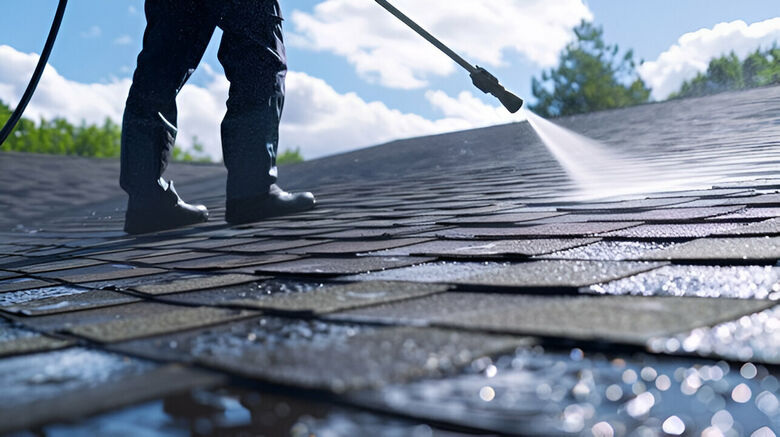
What Is Roof Washing?
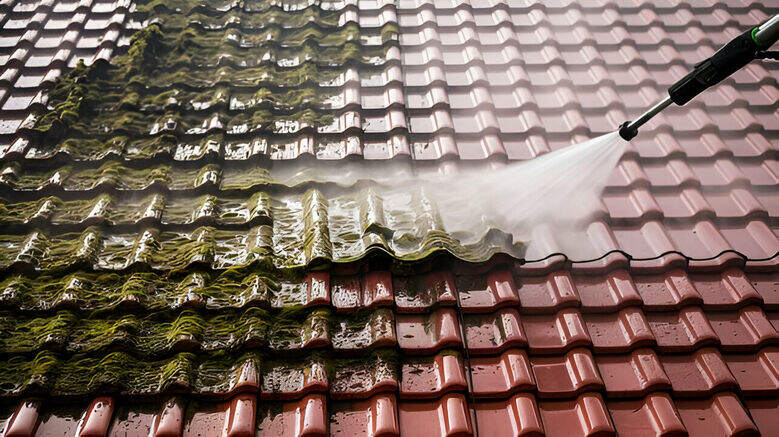
Roof washing is the process of removing dirt, algae, moss, lichen, and other buildup from a roof. Professional cleaners use equipment and cleaning solutions designed for roofing materials.
The goal is not only to improve the roof appearance. Proper roof washing can also help prevent organic growth from causing long-term problems.
The cleaning method depends on the roof type.
Common materials include:
- Asphalt shingles
- Metal roofing
- Tile roofing
- Synthetic roofing
- Low-slope roofing
Each material may require a different approach.
Why Does a Roof Need Washing?
Roofs are exposed to weather every day. Rain, sunlight, wind, humidity, leaves, and nearby trees can all contribute to buildup.
Algae can create dark streaks on asphalt shingles. Moss can grow in damp and shaded areas. Lichen can attach firmly to roofing materials. If organic growth is ignored, it can hold moisture against the roof surface.
Regular cleaning can help:
- Remove algae and moss
- Improve curb appeal
- Reduce surface buildup
- Protect roofing materials
- Support regular roof maintenance
- Keep the property looking well maintained
Roof washing should be part of a larger roof maintenance plan.
Signs Your Roof Needs Washing
You may not need to wait for a leak to clean your roof.
Look for these signs:
1. Black Streaks
Dark lines across asphalt shingles are often caused by algae growth.
2. Green Moss
Moss commonly appears on roofs that stay damp or receive limited sunlight.
3. Lichen Growth
Lichen can attach strongly to roofing surfaces and become difficult to remove.
4. Heavy Dirt
Dust, leaves, and other debris can collect on the roof over time.
5. Aged Appearance
A dirty roof can make the entire property look older.
6. Debris in Gutters
Large amounts of roof debris may collect in gutters and affect drainage.
If you notice several of these signs, it may be time to schedule a professional roof cleaning.
Roof Washing vs Pressure Washing
Roof washing and pressure washing are not the same.
High-pressure cleaning can be suitable for some hard surfaces. However, it can be too aggressive for many roofing materials.
Strong pressure may:
- Remove protective granules
- Damage shingles
- Lift roofing materials
- Force water beneath shingles
- Cause unnecessary wear
For many asphalt shingle roofs, soft washing is a safer option.
Soft washing uses a cleaning solution and low-pressure application.
The solution helps break down algae, moss, and other organic growth.
The cleaner can then rinse the roof without using aggressive pressure.
What Is Soft Washing?
Soft washing is a low-pressure roof cleaning method.
Instead of relying on high pressure, the process uses a suitable cleaning solution to loosen and remove organic growth.
A professional soft-washing process usually includes:
- Inspecting the roof
- Protecting nearby landscaping
- Removing loose debris
- Applying the cleaning solution
- Allowing the solution to work
- Gently rinsing the roof
- Checking the finished surface
The exact products and application methods should be selected according to the roofing material and manufacturer recommendations.
What Causes Black Streaks on a Roof?
Black roof streaks are common on asphalt shingle roofs.
They are often associated with algae growth.
The streaks may become more noticeable on areas that receive less sunlight.
They do not always mean the roof is failing.
However, heavy algae growth can make the roof look neglected and may contribute to moisture retention.
Professional cleaning can remove the visible buildup and improve the appearance of the roof.
How Often Should You Wash Your Roof?
There is no fixed cleaning schedule for every home.
The right frequency depends on several factors.
These include:
- Local climate
- Roof material
- Amount of shade
- Nearby trees
- Humidity
- Moss and algae growth
- Previous cleaning
Homes surrounded by trees may need more frequent cleaning.
A roof in a sunny and dry location may stay cleaner for longer.
Instead of cleaning on a strict schedule, inspect the roof regularly and clean it when buildup becomes noticeable.
How Much Does Roof Washing Cost?
The cost of roof washing depends on the property.
Common factors include:
- Roof size
- Roof pitch
- Roofing material
- Amount of algae or moss
- Roof accessibility
- Cleaning method
- Location
A small, easy-to-access roof will usually require less work than a large or steep roof with heavy growth.
Because prices vary, it is better to request a detailed estimate instead of relying on a general price range.
A professional quote should explain what is included in the service.
What Happens During Professional Roof Washing?
A reliable roof washing company should follow a careful process.
Step 1: Roof Inspection
The technician checks the roof before cleaning.
They look for damaged shingles, cracks, moss, algae, loose materials, and other problems.
Step 2: Property Protection
Nearby plants, outdoor furniture, walls, and other areas are protected before cleaning begins.
Step 3: Debris Removal
Loose leaves, branches, and surface debris are removed.
Step 4: Cleaning Treatment
The appropriate cleaning solution is applied to the roof.
The solution is selected based on the roof material and type of buildup.
Step 5: Gentle Rinsing
The roof is rinsed using a method that avoids unnecessary pressure.
Step 6: Final Inspection
The technician checks the roof and surrounding areas after cleaning.
This helps ensure the job is complete and the property is left clean.
Benefits of Hiring a Local Roof Washing Company
Searching for a Roof Washing Service Near Me can help you find professionals who understand local conditions.
A local company may be familiar with:
- Regional weather
- Common roofing materials
- Local property requirements
- Seasonal algae and moss growth
- Local maintenance needs
A nearby contractor can also make follow-up service easier.
However, do not choose a company based only on location.
Check their experience, reviews, insurance, cleaning methods, and service details before hiring them.
How to Choose the Right Roof Washing Service Near Me
Before hiring a roof cleaner, ask a few important questions.
Check Experience
Ask how long the company has been providing roof cleaning services.
Ask About the Cleaning Method
Find out whether they use soft washing or high-pressure cleaning.
Check Insurance
Make sure the company carries appropriate insurance for its work.
Request an Estimate
Ask for a clear estimate that explains the work and expected cost.
Ask About Your Roof Material
A professional should understand that asphalt shingles, metal, and tile roofs may require different cleaning methods.
Check Reviews
Read recent customer reviews to learn about service quality and reliability.
Common Roof Washing Mistakes
Some cleaning methods can cause more harm than good.
Avoid these mistakes:
- Using High Pressure on Shingles
High pressure can damage asphalt shingles and remove protective granules. - Scrubbing the Roof Aggressively
Hard scrubbing can damage the surface of some roofing materials. - Ignoring Roof Damage
Cleaning should not hide existing cracks, loose shingles, or other roofing problems. - Using the Wrong Cleaning Product
Some chemicals can damage roofing materials or nearby landscaping when used incorrectly. - Cleaning Without Safety Equipment
Roof work can be dangerous. Proper safety equipment and procedures are important.
Roof Washing and Roof Maintenance
Roof washing should not replace regular roofing services. Regular maintenance helps identify and address other roofing problems before they become more expensive.
After cleaning, continue checking your roof for problems.
Look for:
- Missing shingles
- Cracked materials
- Damaged flashing
- Blocked gutters
- New moss growth
- Water stains
- Loose roof components
Cleaning removes buildup.
Maintenance helps identify and address other roofing problems.
Both are important for long-term roof care.
Frequently Asked Questions
Is roof washing safe for asphalt shingles?
Yes, when the correct cleaning method is used. Soft washing is generally preferred over aggressive pressure washing for many asphalt shingle roofs.
How often should I wash my roof?
It depends on your climate, roof material, shade, trees, and organic growth. Some homes may need cleaning every few years, while others may need it sooner.
Can roof washing remove black streaks?
Professional cleaning can remove many algae-related black streaks from roofing surfaces. The result depends on the severity and type of buildup.
Can I pressure wash my roof?
High-pressure washing can damage some roofing materials, especially asphalt shingles. Ask a professional which cleaning method is appropriate for your roof.
Should I clean my roof before selling my home?
Roof cleaning can improve curb appeal by removing visible stains and organic growth. However, cleaning does not replace a professional roof inspection if the roof has damage.
Final Thoughts
A dirty roof does not always mean you need a new roof.
In many cases, professional cleaning can remove algae, moss, lichen, and surface debris while improving the appearance of the property.
When searching for a Roof Washing Service Near Me, focus on experience, cleaning methods, safety, insurance, and clear pricing.
For many residential roofs, soft washing is a safer choice than aggressive pressure washing. Regular roof inspections and proper maintenance can also help you catch problems early.
If your roof has dark streaks, moss, or heavy buildup, a professional roof washing service can assess the condition and recommend the right cleaning approach.
Have Questions? Call Us Now!
We’re here to help—quick answers, friendly service, anytime you need!