If you are planning a new driveway, asphalt driveway installation can be a practical choice. Asphalt is durable, smooth, and usually faster to install than many other driveway materials.
A properly installed asphalt driveway can handle daily traffic and changing weather. But the quality of the installation matters. Poor drainage, weak preparation, or thin asphalt can lead to cracks and potholes.
This guide explains the main steps, costs, benefits, and maintenance tips you should know before installing an asphalt driveway.
What Is Asphalt Driveway Installation?
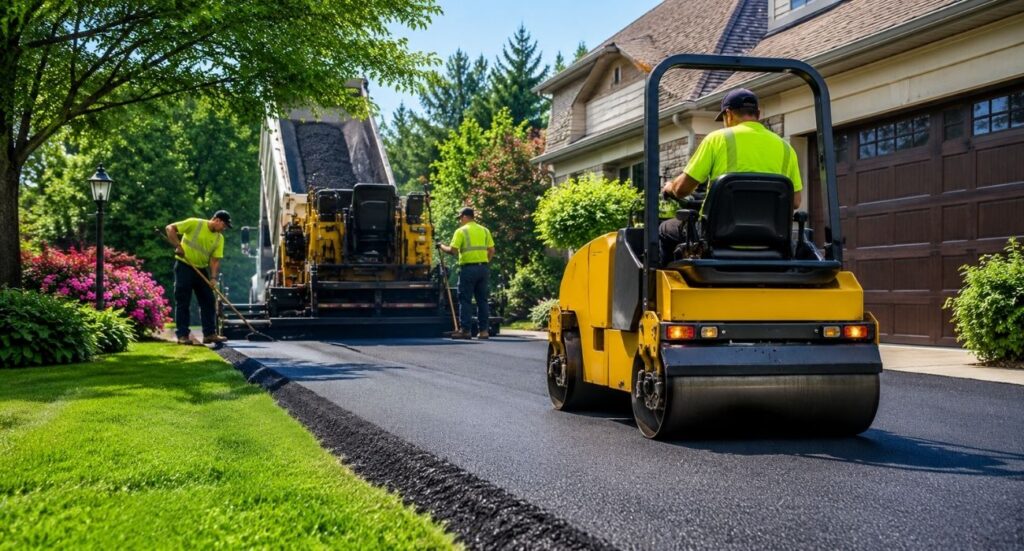
Asphalt driveway installation is the process of preparing the ground and installing a layer of asphalt to create a strong driving surface.
The process usually includes:
- Site preparation
- Excavation
- Grading
- Base installation
- Asphalt placement
- Compaction
- Final inspection
Each step affects the final strength of the driveway.
Why Choose an Asphalt Driveway?
Asphalt is a popular driveway material for many homeowners.
It offers several benefits:
- Smooth driving surface
- Durable construction
- Quick installation
- Lower initial cost than some materials
- Easy maintenance
- Good performance in different weather conditions
With proper care, an asphalt driveway can provide many years of service.
How Does Asphalt Driveway Installation Work?
A professional installation follows several important steps.
Site Inspection
The contractor first checks the driveway area.
They look at the soil, slope, drainage, existing surface, and property layout.
Excavation
The existing driveway or weak soil is removed.
The goal is to create a stable area for the new driveway.
Grading
The ground is graded to create the correct slope.
Proper grading helps rainwater move away from the driveway.
Base Preparation
A strong aggregate base is installed over the prepared ground.
This layer provides support for the asphalt.
Asphalt Installation
Hot-mix asphalt is placed over the prepared base.
The material is spread evenly across the driveway.
Compaction
Heavy equipment is used to compact the asphalt.
Proper compaction creates a smooth and stable surface.
Final Inspection
The finished driveway is checked for uneven areas, drainage problems, and surface defects.
How Much Does Asphalt Driveway Installation Cost?
The cost of asphalt driveway installation depends on several factors.
These include:
- Driveway size
- Asphalt thickness
- Ground condition
- Base requirements
- Drainage work
- Removal of an old driveway
- Labor costs
- Local material prices
A simple driveway usually costs less than a large or complex project.
For an accurate price, it is better to get a professional estimate based on your property.
What Thickness Should an Asphalt Driveway Be?
Driveway thickness depends on soil conditions and expected traffic.
A typical residential driveway may use several inches of compacted aggregate base with an asphalt surface layer.
Heavier vehicles may require a stronger base and thicker asphalt.
The contractor should determine the appropriate design after checking the site.
Using too little material can cause early cracking and surface damage.
Why Is Drainage Important?
Good drainage is one of the most important parts of asphalt driveway installation.
Water can weaken the base beneath asphalt. Proper drainage may also require improvements around retaining walls, steps, or other structures. Professional masonry services can help address these areas.
Poor drainage may lead to:
- Cracks
- Potholes
- Edge damage
- Soft spots
- Surface deterioration
The driveway should have enough slope to move water away from the surface.
Gutters and nearby drainage areas should also be considered during installation.
Common Asphalt Driveway Installation Mistakes
Small installation mistakes can shorten driveway life.
Avoid these common problems:
- Poor ground preparation
- Weak aggregate base
- Incorrect drainage
- Insufficient compaction
- Installing a surface that is too thin
Professional installation helps reduce these problems.
How Long Does an Asphalt Driveway Last?
A properly installed asphalt driveway can often last around 15 to 25 years with good maintenance.
Its lifespan depends on:
- Installation quality
- Drainage
- Climate
- Traffic
- Asphalt thickness
- Maintenance
Regular inspections can help identify small problems before they become expensive repairs.
How to Maintain an Asphalt Driveway
Good maintenance can help your driveway last longer.
Follow these simple tips:
- Keep the surface clean.
- Remove standing water.
- Repair cracks early.
- Fix potholes promptly.
- Keep the edges protected.
- Seal the surface when appropriate.
- Avoid unnecessary heavy loads.
Regular maintenance is much easier than replacing a damaged driveway.
Asphalt Driveway vs Concrete Driveway
Both materials can work well for residential driveways.
| Feature | Asphalt | Concrete |
|---|---|---|
| Initial Cost | Often lower | Often higher |
| Installation | Usually faster | Usually slower |
| Appearance | Smooth, dark surface | Many design options |
| Maintenance | Periodic maintenance needed | Cracks may require repair |
| Cold Weather | Flexible surface | Can be affected by freeze-thaw |
| Repair | Relatively simple | Repairs can be more visible |
The right choice depends on your budget, property, climate, and design preferences.
When Should You Install an Asphalt Driveway?
Weather can affect the installation process.
Moderate temperatures are generally better for asphalt work because they give contractors enough time to place and compact the material properly.
Rain can also interfere with installation.
Before scheduling the project, check the expected weather conditions with your contractor.
Signs You Need a New Asphalt Driveway
Repair may not be enough if the driveway has major damage.
Consider replacement if you notice:
- Large cracks across the surface
- Multiple deep potholes
- Major drainage problems
- Widespread surface deterioration
- Soft or sinking areas
- Severe edge damage
- Repeated repairs
A professional inspection can help determine whether repair or replacement makes more sense.
FAQs About Asphalt Driveway Installation
How long does asphalt driveway installation take?
Many residential projects can be completed within a few days. The exact time depends on driveway size, preparation work, weather, and curing requirements.
Can asphalt be installed over an old driveway?
Sometimes. The existing surface must be evaluated first. If the old driveway has major structural problems, complete removal may be necessary.
How soon can I drive on new asphalt?
Your contractor should provide specific instructions based on the asphalt mix, weather, and project conditions. Avoid driving on the surface until it has had enough time to properly set.
Does an asphalt driveway need maintenance?
Yes. Regular cleaning, crack repair, drainage checks, and appropriate sealing can help protect the surface and extend its service life.
What causes asphalt driveways to crack?
Common causes include water infiltration, poor base preparation, soil movement, temperature changes, heavy loads, and normal aging.
Final Thoughts
Asphalt driveway installation is a major home improvement project, but proper planning can make the process much easier.
A strong base, proper grading, good drainage, quality asphalt, and careful compaction all matter. Do not focus only on the price. Installation quality can have a major effect on how long your driveway lasts.
If you are planning a new driveway, have the site inspected by an experienced contractor before work begins. A proper evaluation can help you choose the right asphalt thickness, base, drainage system, and installation method for your property.
Have Questions? Call Us Now!
We’re here to help—quick answers, friendly service, anytime you need!