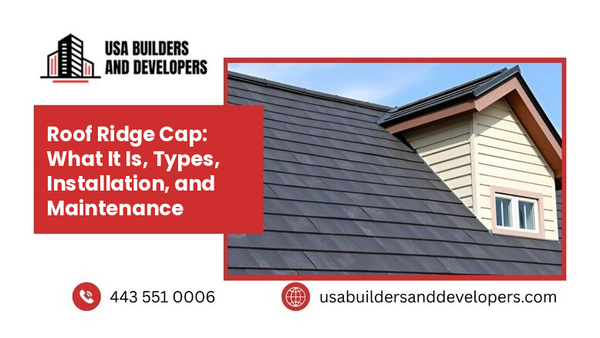
A roof ridge cap is an important part of a roofing system that covers the peak where two sloping roof sections meet. It helps protect this exposed area from rain, wind, snow, and debris while giving the roof a neat, finished appearance.
Although homeowners often focus on shingles, metal panels, and gutters, the roof ridge deserves equal attention. A poorly installed or damaged ridge cap can allow water to enter the roof structure, potentially leading to leaks, damaged roof decking, and costly repairs.
The right roof ridge cap depends on your roofing material, roof design, local weather, and ventilation needs. In this guide, you will learn how ridge caps work, which types are available, how they are installed, and what to look for when inspecting your roof.
What Is a Roof Ridge Cap?
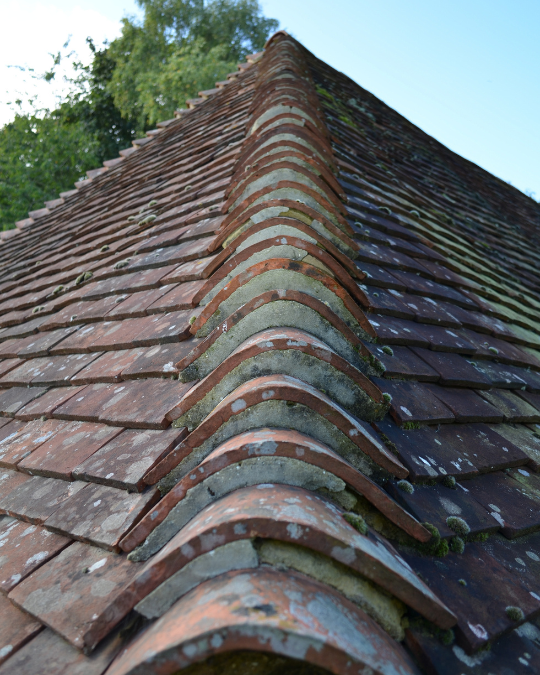
A roof ridge cap is a protective covering installed along the highest horizontal line of a sloping roof. This line is called the roof ridge, where two roof planes come together.
The cap covers the joint between these roof sections. Without proper protection, rainwater, wind-driven moisture, and debris may reach the vulnerable areas beneath the roof covering.
Roof ridge caps are available in different materials and designs. Asphalt shingle roofs usually use specially designed ridge cap shingles, while metal roofs often use formed metal ridge caps that fit over the roof panels.
According to roofing manufacturer GAF, purpose-made ridge cap shingles are designed to protect roof ridges and hips while providing a finished appearance. Their shape allows them to cover angled roof joints more effectively than ordinary flat shingles.
What Is the Difference Between a Roof Ridge and a Ridge Cap?
The roof ridge is the actual peak where two sloping roof surfaces meet. The ridge cap is the material installed over that peak.
For example, a house with an asphalt shingle roof has a ridge formed by the roof structure and decking. Special ridge cap shingles cover the joint to help protect it from the weather.
On a metal roof, a shaped metal cap covers the upper edges of the panels and helps seal the connection.
Understanding this difference makes it easier to identify roof components and explain repair needs to a roofing contractor.
Why Is a Roof Ridge Cap Important?
A properly installed ridge cap does more than complete the roof’s appearance. It helps protect one of the roof’s most exposed areas.
1. Helps Prevent Roof Leaks
The roof peak can be vulnerable to wind-driven rain and moisture. A correctly fitted ridge cap covers the joint between roof sections and helps direct water away from the opening.
Proper overlaps, fasteners, and compatible sealing materials are important for keeping water out.
2. Protects Against Wind and Weather
Strong winds can put pressure on roof edges and exposed joints. A secure ridge cap helps protect the peak from weather exposure and reduces the chance of roofing materials lifting or coming loose.
The exact level of wind resistance depends on the product, installation method, and roofing system.
3. Keeps Debris and Pests Out
Gaps around the roof ridge may allow leaves, insects, and other unwanted material to enter the roof assembly.
Suitable closures or vent components help close these gaps while allowing the roofing system to function as designed.
4. Improves Roof Appearance
Ridge caps provide a clean finish along the roof peak. Asphalt ridge cap shingles can complement the color and texture of the main shingles, while metal ridge caps create a consistent appearance across metal roof panels.
5. Can Support Proper Attic Ventilation
Some ridge caps are designed to work with a ridge vent. This system allows warm, moist air to escape from the attic when paired with suitable intake ventilation.
However, not every roof ridge cap provides ventilation. A solid cap and a ventilated ridge system serve different purposes, so the correct design must be selected for the roof.
What Are the Different Types of Roof Ridge Cap?
The best ridge cap depends mainly on the roofing material and the performance required. The following are common options for residential roofs.
1. Asphalt Shingle Ridge Caps
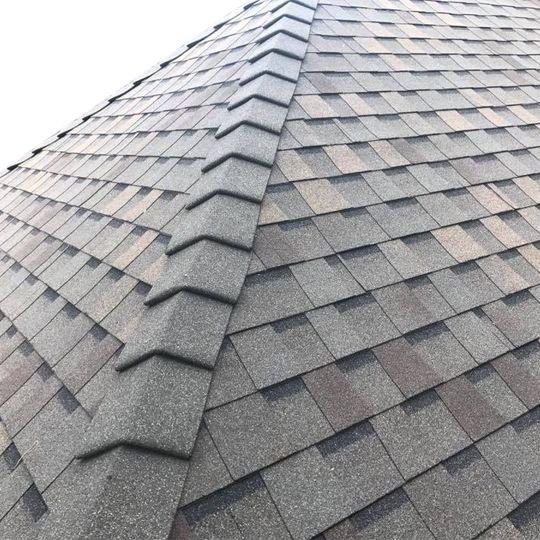
Asphalt ridge cap shingles are designed specifically for the peaks and hips of shingle roofs. They are made to bend over the roof joint and provide a consistent finish.
They are available in different colors and profiles to match common asphalt roofing shingles.
Main benefits:
- Match many asphalt shingle roofing systems.
- Provide a finished appearance.
- Cover exposed roof joints.
- May offer product-specific wind and impact ratings.
- Can be easier to install than cutting ordinary shingles into individual caps.
Purpose-made ridge cap shingles are generally preferable to improvised alternatives when the roofing manufacturer recommends them. Product specifications and warranty coverage vary, so homeowners should confirm compatibility before installation.
2. Metal Roof Ridge Cap
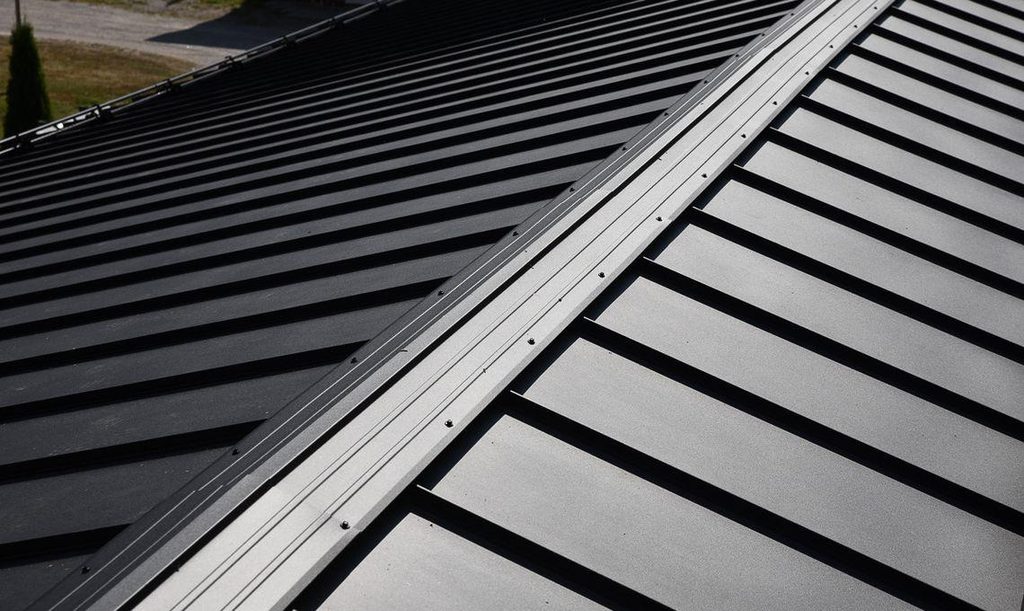
Metal ridge caps are formed pieces of metal installed over the peak of a metal roof. They are commonly made from coated steel, aluminum, or other metals suitable for the roofing system.
These caps are shaped to cover the upper edges of the metal panels. Depending on the roof profile, the system may also use foam closures, profile-matched vent material, sealant tape, or other compatible components.
Main benefits:
- Work with many metal roofing profiles.
- Provide a continuous protective covering.
- Offer a clean, coordinated finish.
- Can be designed for ventilated or non-ventilated applications.
Metal ridge caps must match the roof panel profile and installation requirements. A cap that does not fit properly may leave gaps or create water-entry points.
3. Vented Ridge Caps
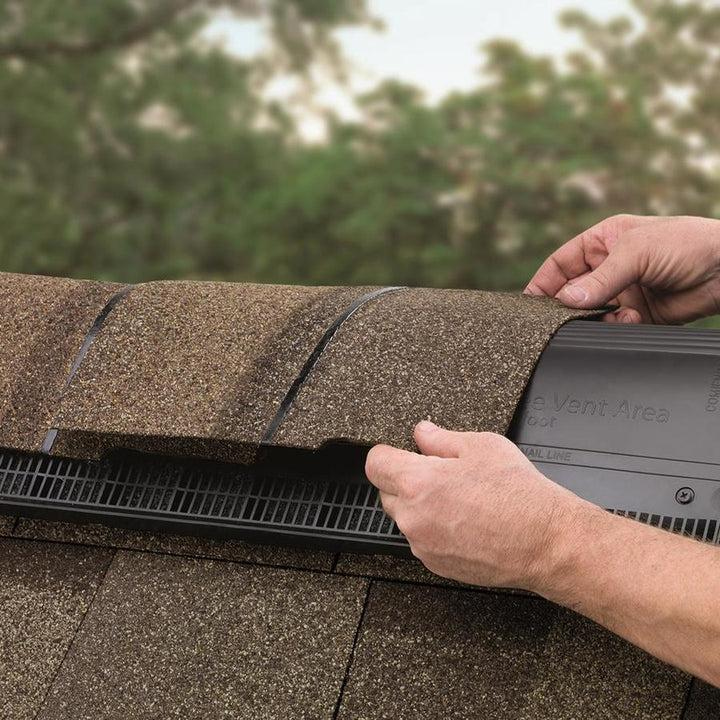
A vented ridge cap works with a ridge ventilation system. It allows warm air to escape through a designed opening near the roof peak while protecting the opening from weather.
This can help remove excess heat and moisture from the attic. However, the system needs enough suitable intake ventilation, usually near the lower roof edges, to support airflow.
A ridge vent should not be added without checking the roof’s construction and ventilation needs.
4. Solid Ridge Caps
A solid ridge cap covers the roof peak without providing an exhaust opening for attic ventilation. It is used when the roof design does not call for a ridge vent.
On metal roofs, solid closure strips may be installed beneath the cap to fit the shape of the roof panels and close gaps.
These closure strips are not the same as the visible ridge cap itself. Each component has a different role in the roofing assembly.
5. Premium and Impact-Resistant Ridge Caps
Some manufacturers offer premium ridge cap shingles designed to provide a more dimensional appearance or additional performance features.
Certain products also have specific impact-resistance classifications. These ratings apply to the tested product and should not be assumed for every ridge cap.
When selecting a premium option, check its compatibility with your existing roof shingles, available color choices, installation requirements, and warranty terms.
How Is a Roof Ridge Cap Installed?
Roof ridge cap installation depends on whether the roof uses asphalt shingles or metal panels. The steps below explain the general process, but the exact method must follow the roofing manufacturer’s instructions.
Step 1: Inspect and Prepare the Roof Ridge cap
Before installing the cap, the roofer checks the roof peak, surrounding shingles or panels, and any existing damage.
Loose materials, damaged sections, and installation issues should be corrected before the new cap is fitted. The roof surface must be ready to support the selected system.
Step 2: Install the Ridge Vent, If Required
If the roof design includes a ridge vent, it is generally installed according to the vent manufacturer’s instructions before the ridge cap is fitted over it.
The opening in the roof deck must be properly sized and positioned. Cutting too much or too little can affect ventilation and weather protection.
A non-vented roof system may not require this step.
Step 3: Fit the Appropriate Closures or Sealing Components
Metal roofing systems often use solid or vented closure strips that match the shape of the panels.
These components help close the gaps beneath the metal ridge cap. Compatible sealing materials may also be required.
The placement and type of closures depend on the roofing profile and product instructions.
Step 4: Position the Ridge Cap
The roofer centers the cap over the roof peak and checks its alignment.
For metal roofing, this often involves positioning the cap over the panel edges and confirming that it covers the ridge properly. For asphalt shingles, the cap pieces are aligned along the ridge with the required overlap.
Correct alignment helps produce a consistent appearance and reduces the risk of exposed gaps.
Step 5: Secure the Cap
The cap is attached using the specified fasteners, such as roofing nails for suitable shingle systems or screws for many metal systems.
Fastener placement matters. Incorrectly positioned fasteners can leave exposed holes, reduce holding strength, or interfere with the intended overlap.
Use the exact fastener type, location, and spacing specified for the roofing product rather than applying one universal rule.
Step 6: Overlap the Sections Correctly
When ridge cap sections are installed in multiple pieces, they must overlap according to the product requirements.
For example, Metal Roofing Source describes a common metal ridge cap method using a six-inch overlap, while also advising installers to consult the instructions for their specific roofing system. Other products may require different overlaps.
Step 7: Inspect the Finished Installation
The roofer checks the entire ridge for consistent alignment, secure fasteners, suitable overlaps, and correctly fitted closures.
Any exposed gaps, damaged components, or improperly sealed connections should be corrected before the work is considered complete.
Roof work involves fall risks and specialized installation requirements. Homeowners should use a qualified roofing professional rather than attempting work on a steep or high roof without proper training and safety equipment.
What Are the Signs of a Damaged Roof Ridge Cap?
Ridge cap problems are not always easy to see from the ground. However, certain warning signs may indicate that an inspection is needed.
Loose or Missing Cap Pieces
Strong winds, aging fasteners, or improper installation can cause ridge cap sections to lift or come loose.
Missing pieces can expose the roof peak to rain and other weather conditions.
Cracked or Broken Shingles
Asphalt ridge cap shingles may crack, curl, or lose protective granules as they age or experience weather damage.
Damaged sections may no longer provide reliable coverage.
Rusted or Loose Metal Caps
Metal ridge caps can develop corrosion, loose fasteners, or separated joints. Damage may also occur where sections overlap or connect with other roof components.
Water Stains in the Attic
Brown marks, damp insulation, mold-like growth, or wet roof decking may indicate moisture entering the roof. These signs do not automatically mean the ridge cap is responsible, because leaks can originate from other roof areas.
Visible Gaps Along the Roof Peak
Gaps between the cap and the roofing material may allow wind-driven rain or debris to enter. On metal roofs, missing or poorly fitted closures can also contribute to problems.
If you notice these signs, arrange a roof inspection to identify the source before deciding on repairs.
How Do You Maintain a Roof Ridge Cap?
Regular roof inspections can help identify small problems before they become more expensive repairs.
Consider these maintenance practices:
- Inspect the roof periodically: Look for missing shingles, loose metal sections, and visible gaps from a safe location.
- Check the attic: Look for water stains, damp insulation, or signs of unwanted moisture.
- Remove nearby debris: Keep gutters and drainage paths clear so water can flow away from the house.
- Address storm damage promptly: Strong winds, heavy rain, and hail can damage roofing materials.
- Use compatible repair materials: Replacement caps, fasteners, and sealants should suit the existing roofing system.
- Keep records of roof work: Save installation details, product information, and warranty documents for future repairs.
Avoid walking on the roof to inspect it yourself. A roofing professional can examine the ridge more safely and identify damage that may not be visible from the ground.
Can a Roof Ridge Cap Be Repaired or Does It Need Replacement?
The right solution depends on the type and extent of the damage.
A small, localized problem may be repairable if the surrounding roof materials remain in good condition. For example, a contractor may be able to replace a damaged cap section or correct a loose connection.
Replacement may be necessary when multiple sections are damaged, the cap is badly corroded, the shingles have deteriorated, or the installation no longer provides reliable protection.
The condition of the underlying roof also matters. If moisture has damaged the roof deck or surrounding materials, repairing the cap alone may not solve the entire problem.
A professional inspection can help determine whether a targeted repair or a larger roofing project is appropriate.
Frequently Asked Questions About Roof Ridge Caps
What is the main purpose of a roof ridge cap?
Its main purpose is to cover and protect the peak where two roof slopes meet. It helps keep out rain and debris while giving the roof a finished appearance.
Are ridge cap shingles different from regular shingles?
Yes. Ridge cap shingles are designed for the angled joints at roof ridges and hips. Their shape and construction help them fit over these areas more effectively than ordinary flat shingles.
Does every roof need a ridge cap?
Most sloped roofs with a ridge need an appropriate covering or finishing component at the peak. The material and design depend on the roofing system.
Does a ridge cap provide attic ventilation?
Not necessarily. Only a ridge cap or cap assembly designed to work with a ridge vent provides this function. Proper intake ventilation is also needed for a balanced system.
How do I know if my ridge cap is damaged?
Look for missing or loose sections, cracked shingles, rust, visible gaps, or signs of water entering the attic. A professional inspection can confirm the cause.
Can you install a new ridge cap over an old one?
That depends on the roofing material, the condition of the existing cap, and the manufacturer’s requirements. Damaged or unsuitable materials may need to be removed before a new cap is installed.
How long does a roof ridge cap last?
Its service life depends on the material, product quality, installation, weather exposure, and maintenance. The ridge cap may also need attention before the rest of the roof if it is damaged or improperly installed.
Are roof ridge caps expensive?
The cost varies with the roof’s length, material, design, accessibility, and amount of repair work required. A contractor can provide a more accurate estimate after inspecting the roof.
Final Thoughts
A roof ridge cap is a small component with an important job. It helps protect the roof peak from weather, provides a neat, finished appearance, and may work with a ridge vent to help remove warm, moist air from the attic.
Choosing the right cap, following the correct installation methods, and checking for damage can help protect your roofing system over time. Asphalt shingle roofs and metal roofs have different requirements, so material compatibility and manufacturer instructions should always guide the work.
If your roof has loose ridge caps, missing shingles, rusted metal, or signs of moisture, consider arranging a professional inspection. USA Builders and Developers can help you assess your roofing needs, identify potential problems, and explore suitable repair or replacement options. With professional guidance, you can protect your roof, address damage early, and make informed decisions about maintaining your home’s long-term safety and durability.
Need help with your roof? Contact USA Builders and Developers today to discuss your roofing concerns and request an estimate.
Have Questions? Call Us Now!
We’re here to help—quick answers, friendly service, anytime you need!