
If you’re planning a home renovation or construction project, you may be wondering, what does a general contractor do? It’s a common question, especially if you’ve never managed a large project before.
A general contractor is the person who helps keep the entire job organized. They coordinate the workers, materials, schedule, permits, and many of the details that need to come together before a project is finished.
Whether you’re remodeling your kitchen, adding more space to your home, or building a new property, having someone manage the different parts of the job can save you a lot of time and stress. In this guide, we’ll explain what a general contractor does, what services they can handle, and when it makes sense to hire one for your project in Maryland.
What Is a General Contractor?
So, what is a general contractor?
Simply put, a general contractor is the person responsible for managing the overall construction project. They help organize the work from the beginning and keep the different crews working toward the same goal.
A typical construction project may involve several trades, such as:
- Electricians
- Plumbers
- Carpenters
- Roofers
- Masonry contractors
- Drywall installers
- Painters
- Flooring professionals
Managing all of these workers yourself can quickly become difficult. A general contractor acts as the main point of contact and coordinates the different trades for you.
They also keep an eye on the project schedule, materials, workmanship, and other important details. When a problem comes up, the contractor works to find a solution and keep the job moving.
What Does a General Contractor Do?
A general contractor does much more than simply watch workers at a job site. They help manage the project from planning through completion.
Here are some of their main responsibilities.
Project Planning and Coordination
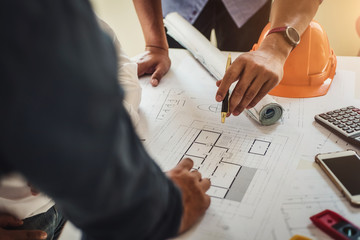
Before the work starts, there is a lot to figure out. A general contractor reviews the plans, discusses the scope of work, estimates project costs, and helps create a schedule. They also determine what workers and materials will be needed.
Good planning can prevent many common construction problems. It also helps make sure the right people are available when their part of the job begins.
Hiring and Managing Subcontractors
Most larger construction projects need more than one type of contractor. For example, a renovation may require a plumber, electrician, carpenter, painter, and flooring installer.
The general contractor can hire and coordinate these subcontractors. They make sure each crew knows what needs to be done and when they need to be on site. If one part of the job falls behind, the contractor can adjust the schedule and coordinate with the other workers. This gives the homeowner one main person to deal with instead of having to manage several companies at once.
Permits and Building Code Requirements
Construction work often involves permits, inspections, and local building requirements. Depending on the project, permits may be needed before certain work can begin. An experienced contractor can help handle these requirements and make sure the work follows applicable building codes.
This is especially important in Maryland, where construction requirements can vary based on the project and location. Taking care of these details early can help avoid problems later in the project.
Managing the Construction Schedule
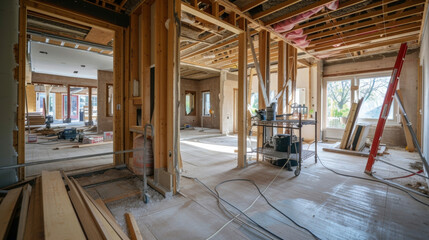
A construction project usually has a specific order that needs to be followed. For example, framing may need to be completed before electrical and plumbing work can move forward. Drywall and finishing work then come later. A general contractor keeps track of these stages and coordinates the crews. Good scheduling helps prevent unnecessary downtime. It also makes it easier to spot delays and deal with them before they affect the entire project.
Quality Control and Safety
A good contractor doesn’t just focus on getting the job finished. They also pay attention to how the work is being done. The contractor may inspect completed work, check materials, and address problems when something does not meet the project requirements.
Safety is another important part of construction management. The job site needs to be properly managed so workers can carry out their tasks safely. Regular oversight can help catch issues early instead of waiting until the end of the project.
What Services Does a General Contractor Provide?
The services provided by a general contractor depend on the type and size of the project. For homeowners, these services can cover everything from a single renovation to a complete home construction project.
Home Renovation and Remodeling
Home remodeling is one of the most common reasons homeowners hire a general contractor.
Projects may include:
- Kitchen remodeling
- Bathroom renovations
- Basement finishing
- Room additions
- Interior renovations
- Home layout changes
A remodeling project can involve several different trades. Having one contractor coordinate the work can make the process much easier to manage.
New Construction
General contractors can also manage new construction projects. This can include everything from the early preparation work to the final stages of construction.
Depending on the project, the contractor may coordinate:
- Site preparation
- Foundation work
- Framing
- Roofing
- Electrical work
- Plumbing
- Insulation
- Drywall
- Interior finishing
- Final inspections
The contractor keeps the different stages connected so the project continues to move forward.
Structural Improvements
Some projects require changes to the structure of a home or building. This may include removing walls, adding rooms, expanding an existing space, or making structural repairs.
These types of projects require careful planning. A general contractor can coordinate with the appropriate professionals to make sure the work is properly planned and carried out.
Exterior Construction Services
General contractors may also handle or coordinate work on the outside of a property. Common exterior services include:
- Roofing
- Siding installation
- Masonry work
- Paving
- Exterior repairs
- Property improvements
When several exterior improvements are part of the same project, having one contractor coordinate the work can make the process more organized.
Project Management and Budget Control
Construction costs can change quickly when a project is not properly managed. A general contractor keeps track of labor, materials, scheduling, and other project expenses. They also communicate with subcontractors and help address issues that could affect the budget.
While unexpected costs can sometimes happen, good project management helps reduce surprises and keeps the homeowner informed.
Why Should You Hire a General Contractor?
You might be able to manage a small repair yourself. But larger construction projects are different. Once several trades, materials, permits, and schedules are involved, there are many moving parts to keep track of.
A general contractor gives you one person who can oversee those details. Some of the main benefits include:
- One main point of contact
- Better coordination between different crews
- Organized scheduling
- Help with permits and inspections
- Easier communication
- Project oversight
- Quality control
- Better coordination of materials and labor
The biggest advantage is often convenience. Instead of calling several different contractors and trying to figure out who should come next, you have one person helping coordinate the project.
General Contractor vs. Subcontractor
The terms general contractor and subcontractor are sometimes used interchangeably, but they are not the same.
| Role | What They Do |
|---|---|
| General Contractor | Manages the overall project and coordinates the different trades |
| Subcontractor | Handles a specific part of the work, such as plumbing, electrical, roofing, or masonry |
For example, a general contractor may bring an electrician onto a remodeling project. The electrician handles the electrical work. The general contractor makes sure that work fits into the overall construction schedule. This coordination is especially helpful when a project involves several specialized trades.
When Should You Hire a General Contractor?
Not every home improvement project requires a general contractor. For a small repair, you may only need a specialized contractor. But a larger project can benefit from professional project management.
Consider hiring a general contractor for projects such as:
- Major home renovations
- Structural remodeling
- Home additions
- Large exterior improvements
- New home construction
- Projects involving multiple subcontractors
If several different types of work need to happen as part of one project, having one contractor coordinate everything can make your job much easier.
General Contractor Services in Maryland
Planning a construction project in Maryland involves more than choosing materials and hiring workers. You also need to think about scheduling, permits, building requirements, materials, and the different trades involved in the job.
That’s where an experienced general contractor in Maryland can make a difference.
How to become a general contractor?
To become a general contractor, individuals typically gain experience in construction, learn project management skills, and obtain the necessary licenses required by their state. This process may include completing training programs, passing licensing exams, and gaining hands-on construction experience.
How to get a general contractor license?
The requirements for obtaining a general contractor license vary by state. In most cases, applicants must meet experience requirements, pass a licensing exam, provide proof of insurance, and submit an application to the state licensing board. Local regulations may also require additional permits or certifications.
What are the 7 stages of construction?
Most construction projects follow these seven stages:
- Planning and project design
- Pre-construction preparation
- Site preparation and foundation work
- Structural framing
- Mechanical, electrical, and plumbing installation
- Interior and exterior finishing
- Final inspection and project completion
Each stage must be carefully managed to ensure the project meets safety standards and design requirements.
How much do most general contractors make?
The income of general contractors varies depending on experience, project size, and location. In the United States, many general contractors earn between $60,000 and $120,000 per year, while experienced contractors managing large projects can earn significantly more.
Final Thought
Understanding what does a general contractor do helps homeowners make better decisions when planning construction or renovation projects. A general contractor manages every aspect of the project, from planning and hiring subcontractors to ensuring quality construction and code compliance.
By coordinating labor, materials, schedules, and inspections, contractors help ensure projects are completed efficiently and safely.
For homeowners planning construction or renovation projects in Maryland, working with experienced professionals can simplify the process and deliver high-quality results.
Have Questions? Call Us Now!
We’re here to help—quick answers, friendly service, anytime you need!



Contact USA Builders and Developers
🌐 Website: www.usabuildersanddevelopers.com
📍 Serving: Baltimore, Betheda, Silver spring, and Montgomery Maryland
📌 Address: 2144 Priest Bridge Court, Suite 8, Crofton, MD 21114, USA