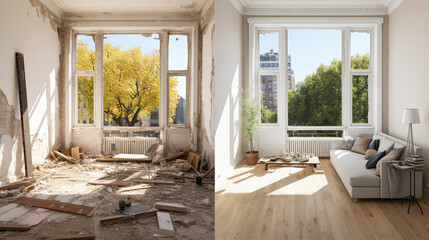
A complete home renovation can turn an old or outdated house into a comfortable and useful home. You may want to update your kitchen, remodel your bathrooms, change the layout, replace old flooring, or improve your home’s systems.
Unlike a small remodeling project, a complete home renovation can cover many areas of the house. It may include kitchen and bathroom work, flooring, painting, plumbing, electrical work, roofing, siding, basement remodeling, and other improvements.
Before you start, make a clear plan. Know what you want to change, how much you can spend, and how long the work may take. An experienced contractor can also help manage the different parts of the project.
What Is a Complete Home Renovation?
A complete home renovation means updating several major areas of a home instead of working on only one room. The work depends on the condition of your home and your goals. Some homes may only need new finishes. Older homes may also need plumbing, electrical, or major building repairs.
A complete home renovation may include:
- Kitchen remodeling
- Bathroom remodeling
- New flooring
- Interior and exterior painting
- Electrical upgrades
- Plumbing work
- Basement remodeling
- Roofing and siding
- Wall or layout changes
- Window and door replacement
- Energy-saving improvements
The goal is to make your home more comfortable, attractive, and useful for your family.
Why Choose a Complete Home Renovation?
Many homeowners like their location but are not happy with their home’s condition or layout. A complete home renovation lets you fix several problems as part of one project.
Improve Your Home’s Layout
Older homes may have small rooms or layouts that do not work well for today’s lifestyle. Renovation can help you use the space better. You may be able to change room layouts, open up certain areas, or create more usable space. Before removing walls or changing the layout, make sure the work is safe and allowed for your home.
Update an Older Home
Older homes often have outdated kitchens, bathrooms, flooring, lighting, and finishes. A renovation can update these areas while keeping features that give the home its character.
Common updates include:
- Kitchen cabinets and countertops
- Bathroom fixtures
- Flooring
- Lighting
- Doors and trim
- Paint
- Hardware and fixtures
Improve Comfort
A renovation is also a good time to improve parts of the home that affect comfort.
Depending on your home, you may want to improve:
- Insulation
- Windows
- HVAC
- Lighting
- Electrical systems
- Exterior materials
These upgrades can make your home more comfortable. Some may also help reduce energy use.
Improve Your Home’s Appearance
New flooring, fresh paint, an updated kitchen, and modern bathrooms can give an older home a new look. Exterior work can also improve the appearance of your property. These improvements may also make your home more appealing if you decide to sell later.
How Much Does a Complete Home Renovation Cost in Maryland?
The cost of a complete home renovation in Maryland depends on the size of your home and the amount of work needed. Your materials, labor, permits, and the condition of the home will also affect the final cost.
For general planning, homeowners may see budgets like these:
| Renovation Type | Approximate Cost |
|---|---|
| Minor updates | $20,000–$50,000+ |
| Moderate renovation | $75,000–$150,000+ |
| Major renovation | $150,000–$300,000+ |
| Large or high-end renovation | $300,000+ |
These are general estimates, not fixed prices. The actual cost can be higher or lower. A contractor should inspect your home and provide an estimate based on the work you need.
What Can Increase the Cost?
Several things can increase your renovation cost:
- Larger homes
- Wall or layout changes
- Plumbing work
- Electrical upgrades
- Roofing or siding
- Expensive materials
- Custom cabinets and fixtures
- Permit and inspection costs
- Hidden damage
- Changes made during construction
Older homes may also have problems that you cannot see at first. For example, a contractor may find old wiring, damaged wood, plumbing problems, or water damage after opening a wall. It is a good idea to keep extra money in your budget for unexpected repairs.
Complete Home Renovation Process
A complete home renovation usually follows a few basic steps.
1. Decide What You Want to Change
Walk through your home and make a list of the areas you want to improve. Separate must-have work from upgrades that can wait. This will help you set priorities and stay within your budget.
2. Set Your Budget
Decide how much you can spend before construction starts.
Remember to include:
- Labor
- Materials
- Permits
- Demolition
- Debris removal
- Design work
- Unexpected repairs
A clear budget makes it easier to choose materials and decide which work is most important.
3. Plan the Work
The work should be completed in the right order. Major building, plumbing, and electrical work usually comes before flooring, painting, cabinets, and other finishing work. Good planning can help prevent damage and extra work later.
4. Get the Required Permits
Some renovation projects require permits and inspections.
This may include:
- Structural changes
- Electrical work
- Plumbing
- Home additions
- Major remodeling
Permit rules can vary across Maryland. Check the requirements for your local area before work starts.
5. Start Construction
Once the planning and permits are complete, construction can begin.
Depending on your project, the work may include:
- Demolition
- Framing
- Plumbing
- Electrical work
- Flooring
- Cabinets
- Painting
- Roofing
- Siding
6. Final Walkthrough
After the work is complete, review the finished project with your contractor. Check that the agreed work has been completed. Any remaining items can then be addressed.
How Long Does a Complete Home Renovation Take?
The timeline depends on the size and amount of work involved. A smaller project may take several weeks. A large whole-house renovation can take several months.
The timeline can depend on:
- Size of the home
- Amount of work
- Permits
- Material availability
- Number of workers
- Weather
- Unexpected repairs
- Changes during construction
Making important decisions before construction starts can help reduce delays.
Maryland Permits for Home Renovation
Some home renovation projects in Maryland require permits.
You may need permits for:
- Structural changes
- Electrical work
- Plumbing
- Home additions
- Major remodeling
Rules can vary by county or city. Check with your local building department before starting the work. An experienced contractor can also help you understand which permits may be needed for your project.
How to Choose a Home Renovation Contractor in Maryland
Choosing the right contractor is an important part of your renovation. Do not choose a contractor only because they offer the lowest price. A low estimate may not include the same work or materials as another estimate. Before hiring a contractor, check the following:
Experience
Look for a contractor with experience in complete home renovation projects similar to yours.
Licensing and Insurance
Make sure the contractor has the required licenses and insurance for the work.
Previous Work
Ask to see photos or examples of completed projects.
Detailed Estimate
The estimate should explain the work, materials, labor, and expected cost.
Communication
Choose a contractor who answers your questions and keeps you updated.
Reviews
Read customer reviews and ask for references when available. A good contractor should explain the project clearly and tell you what to expect.
Common Home Renovation Mistakes to Avoid
Changing the Plan During Construction
Changing major parts of the project after work starts can increase costs and cause delays. Try to make important decisions before construction begins.
Choosing Materials Only by Price
The cheapest material may not always be the best choice. Consider quality, durability, maintenance, and how long the material should last.
Ignoring Hidden Problems
Older homes can have problems behind walls, floors, and ceilings. Keep some extra money in your budget for repairs that may appear during the work.
Choosing the Lowest Estimate
Do not compare contractors by price alone. Check what each estimate includes before making your decision.
Starting Without a Clear Plan
Starting construction without a full plan can lead to delays and extra costs. Decide what work needs to be done before construction starts.
Benefits of Working With a Professional Contractor
A complete home renovation can involve many types of work.
You may need:
- Demolition
- Framing
- Plumbing
- Electrical work
- Flooring
- Painting
- Roofing
- Siding
- Finishing work
Managing all these jobs yourself can be difficult. A professional contractor can manage the different stages and workers. This can make the project easier to organize. Having one team manage the work can also make communication easier.
Complete Home Renovation Services in Maryland
USA Builders and Developers provides complete home renovation and construction services in Maryland.
Our services include:
- General contracting
- Home remodeling
- Home additions
- Interior renovation
- Exterior renovation
Every home is different. The renovation plan should match the condition of the property, your goals, and your budget. Whether you are updating an older home, changing the layout, remodeling several rooms, or planning a larger renovation, an experienced contractor can help manage the work.
Frequently Asked Questions
How much does a complete home renovation cost in Maryland?
The cost depends on the size of the home, the amount of work, materials, labor, and the home’s condition. A smaller renovation may cost tens of thousands of dollars, while a large renovation can cost $150,000, $300,000, or more.
How long does a complete home renovation take?
A complete home renovation can take several weeks to several months. The timeline depends on the size of the project, permits, materials, weather, and the amount of work needed.
What is included in a complete home renovation?
It can include kitchen and bathroom remodeling, flooring, painting, plumbing, electrical work, basement remodeling, roofing, siding, layout changes, windows, doors, and other home improvements.
Do I need a permit for a home renovation in Maryland?
Some projects require permits, especially structural, electrical, plumbing, and major remodeling work. Rules vary by location, so check with your local building department before starting.
Is it better to renovate or move?
If you like your current location but your home no longer meets your needs, renovation may be a good choice. You can improve your home without moving to a new property.
How do I choose a home renovation contractor in Maryland?
Look for experience, proper licenses and insurance, previous work, clear estimates, good communication, and positive customer reviews.
Final Thoughts
A complete home renovation can improve the comfort, appearance, and function of your home.
Before starting, decide what you want to change, set a realistic budget, choose your materials, check the permit rules, and find a contractor you can trust.
USA Builders and Developers provides home renovation and construction services for homeowners in Maryland.
Have Questions? Call Us Now!
We’re here to help—quick answers, friendly service, anytime you need!



Contact USA Builders and Developers
🌐 Website: www.usabuildersanddevelopers.com
📍 Serving: Baltimore, Betheda, Silver spring, and Montgomery Maryland
📌 Address: 2144 Priest Bridge Court, Suite 8, Crofton, MD 21114, USA