Brick masonry is a popular choice for building strong walls, improving exterior appearance, and protecting properties from everyday weather. Whether you need a new brick wall, repairs to an aging facade, or help restoring damaged brickwork, professional masonry services can help you maintain your property’s strength and appearance.
Brick masonry involves placing bricks in a planned pattern and joining them with mortar to create walls, steps, columns, chimneys, and other structures. The quality of the bricks, mortar, installation, and finishing work all affect the final result.
At USA Builders and Developers, we understand the importance of quality workmanship in construction and renovation projects. Our brick masonry services help property owners address damaged brickwork, improve exterior surfaces, and plan masonry projects suited to their buildings.
In this guide, you will learn about different masonry services, common brick problems, the construction process, and what to consider when choosing a contractor.
What Is Brick Masonry?
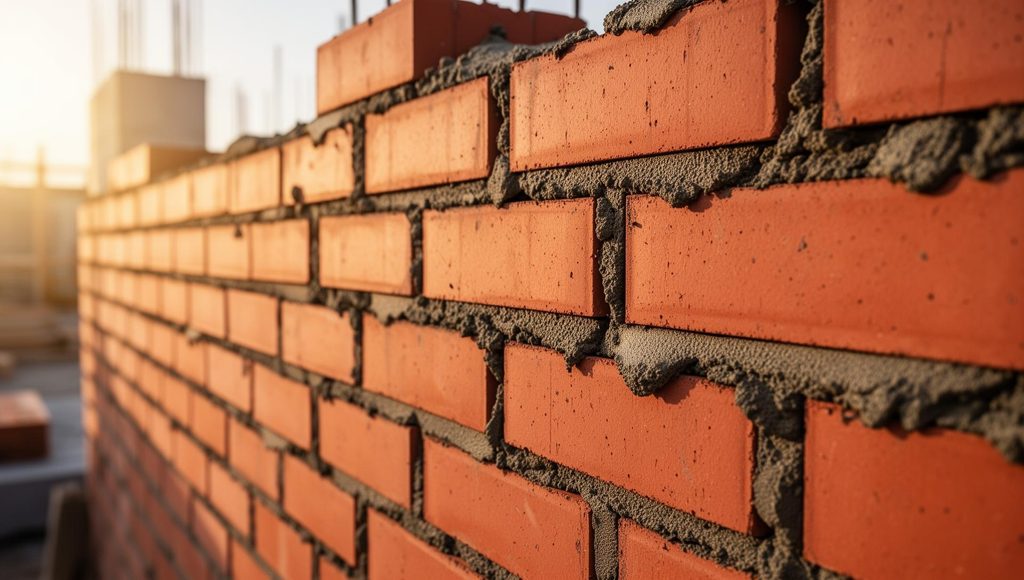
Brick masonry is a construction method that uses individual bricks and mortar to build walls and other structures. The bricks are arranged in specific patterns, while the mortar holds them together and fills the gaps between them.
This method has been used for centuries because brickwork can provide strength, durability, and an attractive finish when properly designed and maintained.
Brick masonry is used in many parts of a property, including:
- Exterior and interior walls.
- Garden and boundary walls.
- Building facades and decorative features.
- Chimneys and fireplaces.
- Brick columns, steps, and entryways.
- Retaining walls designed for suitable site conditions.
- Commercial building exteriors.
Some brick walls carry the weight of the structure, while others serve as exterior cladding or decorative features. The construction method must match the wall’s purpose and the building’s design.
For this reason, professional planning is important before starting a new masonry project or making changes to an existing wall.
Types of Brick Masonry Services
Brick masonry contractors provide different services depending on the condition of the property and the owner’s goals. Some projects involve building new structures, while others focus on repairing existing brickwork.
1. Brick Masonry Installation
Brick installation involves building new walls, columns, facades, or other features using suitable bricks and mortar.
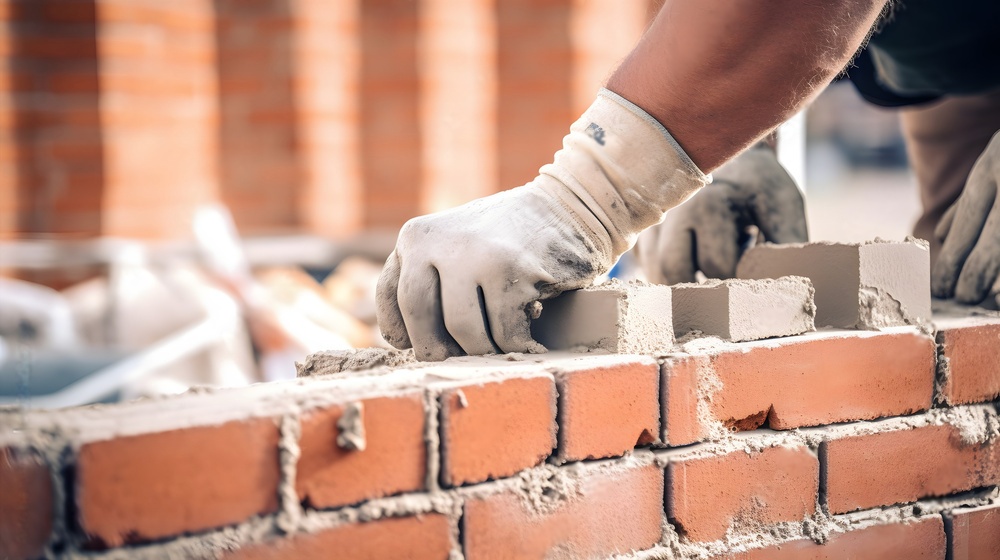
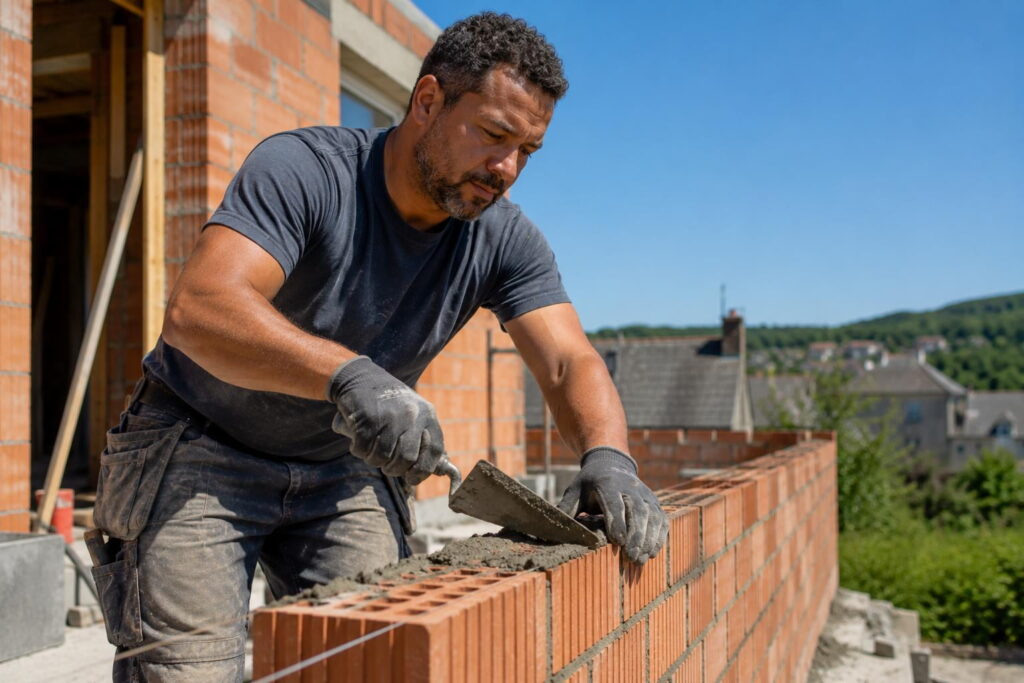
The process starts with measurements, site preparation, and selecting the right materials. A mason then lays the bricks in the required pattern, checks alignment, fills the joints, and finishes the surface.
Professional installation helps create even rows, consistent mortar joints, and a neat appearance. It also reduces the risk of problems caused by poor workmanship.
This service may be suitable when building a new home, adding a brick feature to a property, constructing a boundary wall, or updating the exterior of a building.
2. Brick Wall Repair
Brick walls can develop cracks, loose bricks, damaged mortar joints, and other signs of wear over time. These problems may result from moisture, movement, weather exposure, or earlier construction issues.
Brick wall repair focuses on fixing damaged areas and restoring the wall’s condition.
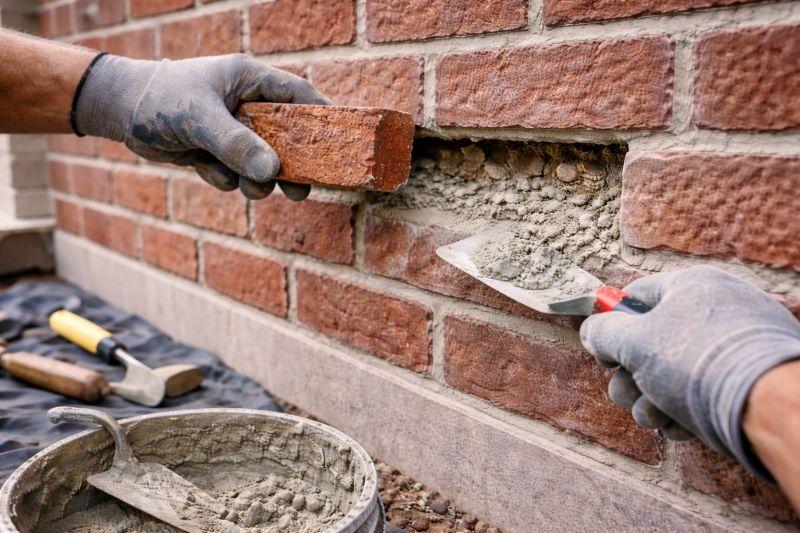
Common repairs include:
- Replacing cracked or loose bricks.
- Repairing damaged mortar joints.
- Fixing small areas of deteriorated brickwork.
- Addressing water entry around vulnerable joints.
- Repairing damaged sections of exterior walls.
The correct repair depends on the cause of the damage. For example, replacing a cracked brick may not solve the problem if ongoing movement is causing the crack.
A professional inspection can help identify the source and determine whether the wall needs a simple repair or a more extensive solution.
3. Brick Repointing
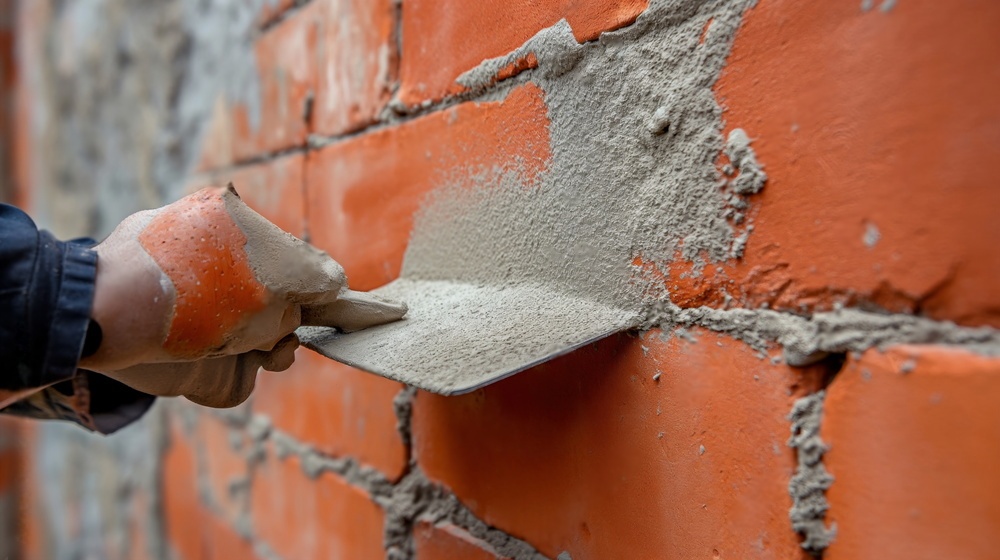
Brick repointing involves removing deteriorated mortar from existing joints and replacing it with fresh mortar.
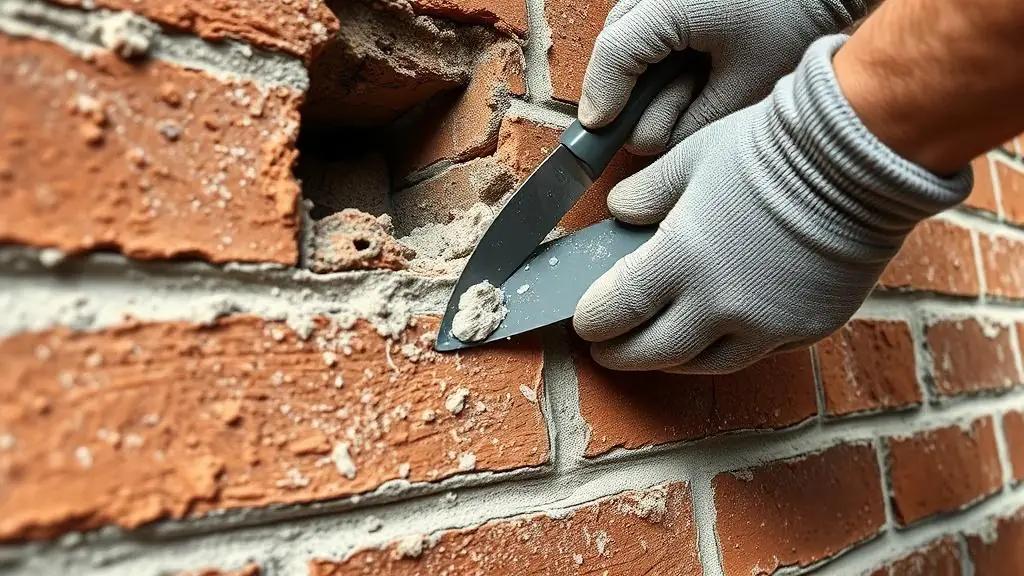
Mortar joints help hold the brickwork together and limit water entry. When they begin to crumble or develop gaps, moisture can reach the wall’s inner layers and contribute to further damage.
Repointing can improve the appearance of older brickwork while helping protect it from moisture.
The process generally involves removing loose or damaged mortar to a suitable depth, cleaning the joints, applying compatible replacement mortar, and finishing the joints properly.
Repointing is not the same as rebuilding a wall. It is usually suitable when the bricks remain in reasonable condition but the mortar joints need attention. If many bricks are cracked or the wall has serious structural problems, additional repairs may be necessary.
4. Brick Restoration
Brick restoration aims to bring older or damaged brickwork closer to its original condition while preserving its character.
This service may involve repairing mortar joints, replacing badly damaged bricks, correcting previous repair work, and addressing moisture-related deterioration.
Restoration is particularly useful for older homes, historic buildings, and properties with decorative brick facades.
The materials used for restoration matter. Older brickwork may require softer, more flexible mortar than modern construction. Using an unsuitable mortar can damage the surrounding bricks over time.
A qualified masonry contractor can assess the existing materials and recommend a suitable restoration approach.
5. Brick Veneer Installation and Repair
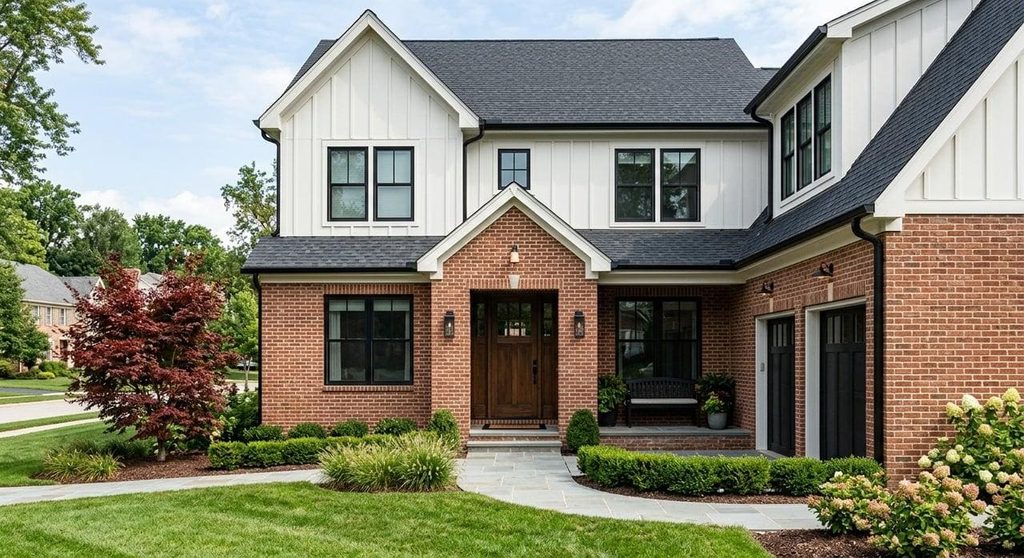
Brick veneer is a layer of brick used as the exterior finish of a building. Unlike a traditional load-bearing brick wall, veneer generally does not carry the building’s main structural loads. Instead, it is connected to a supporting structure using a designed attachment system.
Brick veneer provides the appearance of traditional brickwork while working with other wall construction materials.
Services may include new veneer installation, replacement of damaged bricks, mortar repairs, and investigation of moisture problems.
Proper installation requires suitable support, drainage, flashing, and connections. If a veneer wall begins to bulge, separate from the building, or show widespread cracking, it should be assessed by a qualified professional.
6. Custom Brickwork and Decorative Masonry
Custom brickwork adds a distinctive appearance to residential and commercial properties. It can be used to create decorative walls, entrance features, garden structures, columns, and architectural details.
Homeowners may choose different brick colors, textures, and patterns to complement their property’s style.
Popular brick bond patterns include:
- Running bond: Bricks are laid in rows with joints offset from the row below.
- Stack bond: Bricks are aligned directly above one another for a clean, modern appearance.
- English bond: Courses of headers and stretchers alternate to create a traditional pattern.
- Flemish bond: Headers and stretchers alternate within each course.
Each pattern has different construction requirements. The appropriate bond depends on the wall’s design, thickness, structural role, and appearance. Decorative patterns should not replace proper structural planning.
Benefits of Professional Brick Masonry
Brickwork can provide long-term value when the materials and construction methods are appropriate for the project.
Durability
Quality bricks can withstand many years of use when they are correctly installed and protected from avoidable moisture damage. Proper mortar joints and suitable construction details help maintain the wall’s condition.
Attractive Appearance
Brick offers a range of colors, textures, and patterns. It can complement traditional architecture or create a simple, modern exterior.
Low Routine Maintenance
Brick walls generally do not require frequent repainting. However, they still need inspections and occasional repairs to address damaged mortar, moisture problems, and other signs of wear.
Fire Resistance
Many common brick products offer good resistance to fire. However, the fire performance of a complete wall depends on its materials, thickness, construction, and design.
Long-Term Property Value
Well-maintained brickwork can improve a property’s appearance and help protect its exterior. Professional repairs can also address visible damage that may affect the property’s overall presentation.
The benefits depend on proper installation, suitable material selection, and maintenance. Brick masonry is not completely maintenance-free, and poor construction can lead to expensive problems.
Common Brick Masonry Problems and Their Solutions
Recognizing signs of damage early can help property owners arrange the right repairs before problems become more serious.
Cracked Bricks and Walls
Cracks can develop because of building movement, settlement, temperature changes, or moisture-related damage.
Small cracks do not always indicate a serious structural issue, but their pattern, width, location, and movement matter. Wide, growing, or stepped cracks should be inspected by a qualified professional.
The solution may involve replacing damaged bricks, repairing mortar joints, addressing moisture, or investigating the building’s foundation and structural condition.
Crumbling Mortar
Mortar can deteriorate because of age, weather exposure, water entry, or incompatible previous repairs.
When mortar becomes loose or powdery, repointing may be necessary. The replacement mortar should be suitable for the existing bricks and the conditions around the wall.
White Stains on Brickwork
White deposits on brick surfaces are often caused by efflorescence. This happens when water carries soluble salts to the surface and leaves them behind as it evaporates.
The stains may be mostly cosmetic, but recurring deposits can point to a moisture source that needs attention.
A contractor can help identify possible sources of water entry and recommend an appropriate cleaning method. Harsh cleaning products should be avoided unless they are confirmed to be suitable for the brick.
Water Damage
Water can enter brick walls through damaged mortar joints, failed flashing, defective drainage, or other openings.
Over time, moisture may damage mortar, affect interior finishes, and contribute to deterioration in certain conditions.
Repairs should address the source of the water rather than simply covering the visible stain. Proper drainage and compatible materials are important parts of the solution.
Loose or Bulging Brickwork
Loose bricks or walls that appear to bulge away from the building can indicate a serious problem with the masonry or its support system.
Keep people away from potentially unstable areas and arrange a professional assessment promptly. Structural repairs may be necessary before cosmetic work begins.
The Brick Masonry Construction Process
Understanding the work involved can help you plan your project, compare estimates, and know what to expect from your contractor.
Step 1: Inspection and Planning
The contractor reviews the project area, takes measurements, and checks the condition of existing structures when needed.
For repair work, this stage includes identifying visible damage and investigating its likely cause. Structural concerns may require input from an engineer.
Step 2: Material Selection
Bricks and mortar should suit the project’s purpose, design, exposure, and existing construction.
For repair and restoration work, matching the original brick size, color, texture, and mortar properties can help produce a consistent result.
Step 3: Site Preparation
The work area is prepared, and damaged materials may be removed. The contractor also checks that the base or supporting structure is suitable for the planned work.
Good preparation helps reduce installation problems and unnecessary material waste.
Step 4: Bricklaying
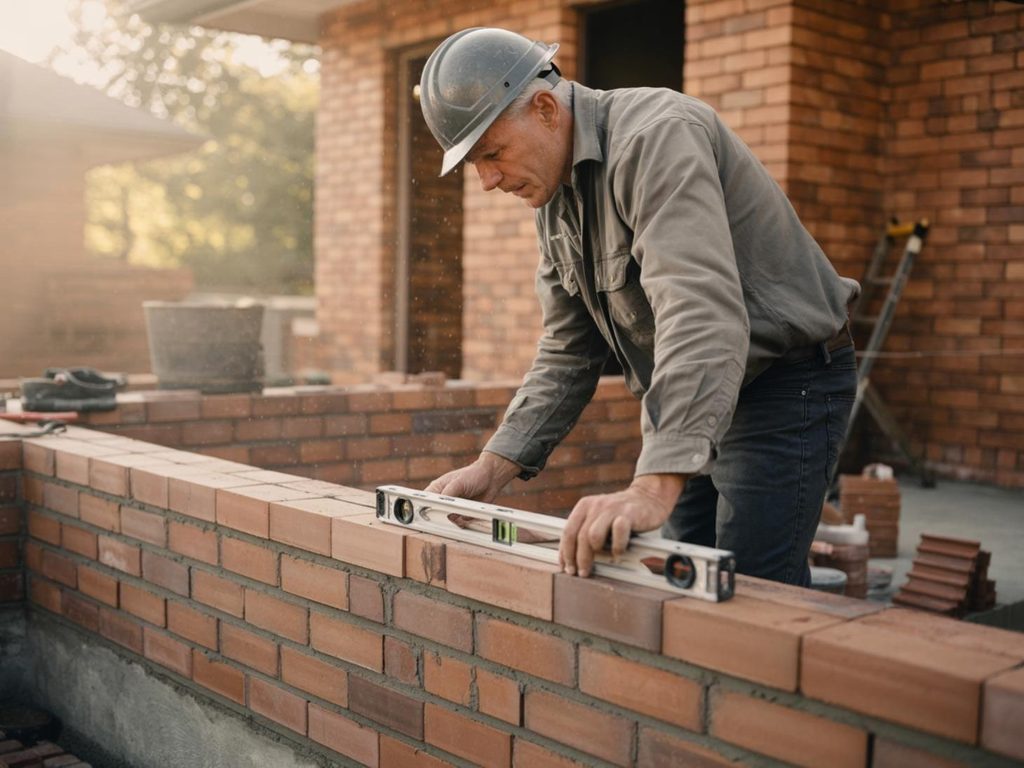
The mason lays bricks in the planned pattern, applies mortar, and checks that the rows remain level and properly aligned.
Consistent joints and correct bonding are important for the appearance and performance of the finished wall.
Step 5: Joint Finishing and Curing
The mortar joints are finished to the required shape and allowed to cure under suitable conditions.
Weather, temperature, and moisture affect curing, so the contractor should follow appropriate material and installation guidance.
Step 6: Final Inspection
The completed work is checked for alignment, joint quality, visible defects, and general finish.
The contractor should also explain any maintenance needs and provide details of the work performed.
How Much Do Brick Masonry Services Cost?
The cost of brick masonry depends on the size of the project, the materials, labor requirements, site access, and the amount of preparation needed.
A small mortar repair will usually involve less work than building a new wall or restoring a large exterior facade.
Important cost factors include:
- Project size: Larger walls and facades require more materials and labor.
- Brick type: Standard bricks, specialty bricks, and matching materials for older buildings can have different prices.
- Labor and complexity: Decorative patterns, detailed finishes, and difficult access may increase labor costs.
- Existing damage: Removing damaged brickwork or repairing the supporting structure can add to the total.
- Site preparation: Scaffolding, protection, debris removal, and access arrangements may affect the estimate.
- Location: Local labor rates, material availability, and transportation costs influence pricing.
For an accurate estimate, ask the contractor to inspect the work area and provide a written breakdown of materials, labor, preparation, cleanup, and any additional repairs.
Comparing estimates is useful, but make sure each contractor is pricing the same scope of work. The lowest quote may not include essential repairs or suitable materials.
How to Choose a Brick Masonry Contractor
Choosing an experienced contractor is important because the quality of masonry work affects both the appearance and performance of the finished structure.
Before hiring a professional, consider the following:
Review previous projects. Ask to see photographs or examples of similar brick installation, repair, or restoration work.
Check qualifications and insurance. Confirm that the contractor meets applicable local licensing and insurance requirements.
Ask about materials. Find out which bricks and mortar will be used and why they are appropriate for your property.
Request a written estimate. The proposal should explain the work, materials, schedule, payment terms, and any exclusions.
Discuss warranties. Ask whether workmanship or materials are covered and what conditions apply.
Check communication. A reliable contractor should explain the work clearly, answer your questions, and inform you about unexpected issues.
These steps can help you select a professional who understands your project’s needs rather than simply offering the lowest price.
Why Choose USA Builders and Developers for Brick Masonry?
Brick masonry work requires careful planning, suitable materials, and attention to detail. Whether you are repairing a damaged wall, improving a property’s exterior, or planning new brickwork, choosing the right contractor can help you avoid unnecessary delays and poor-quality results.
USA Builders and Developers helps property owners plan construction and renovation projects with attention to workmanship, project requirements, and the condition of the existing structure.
When considering brick masonry work, it is important to understand the scope of the project, the materials required, and whether additional repairs are necessary. A clear estimate and a practical plan can help you make informed decisions before construction begins.
If your property needs brick wall repair, mortar repointing, facade improvements, or new masonry work, contact USA Builders and Developers to discuss your project and request an estimate.
Frequently Asked Questions About Brick Masonry
What is brick masonry used for?
Brick masonry is used to build walls, exterior facades, columns, chimneys, boundary walls, and decorative features. The design determines whether the brickwork carries structural loads or serves as an exterior finish.
What is the difference between brick masonry and brick veneer?
Traditional structural brick masonry may support building loads, depending on its design. Brick veneer is generally an exterior brick layer attached to a supporting structure and does not carry the building’s main structural loads.
How long does brick masonry last?
Well-designed and properly maintained brickwork can last for many decades. Its lifespan depends on brick quality, mortar compatibility, construction methods, exposure to moisture, and maintenance.
When should brick mortar be repaired?
Mortar may need repair when joints are cracked, crumbling, missing, or visibly deteriorated. A professional can determine whether repointing is suitable or if other repairs are needed.
Can damaged brick walls be repaired?
Yes, many damaged brick walls can be repaired. The method depends on the cause and extent of the damage. Loose bricks and damaged mortar may need replacement, while structural movement may require a more detailed assessment.
Is brick masonry suitable for commercial properties?
Yes. Brick masonry is used for commercial facades, walls, entrances, and other architectural features. The materials and construction method should meet the building’s design, performance, and applicable code requirements.
How do I get an estimate for brick masonry work?
Contact a masonry contractor with details about the property, the type of work needed, and any visible damage. An inspection and written estimate can help establish the required materials, labor, schedule, and expected cost.
Get Professional Help With Your Brick Masonry Project
Brickwork can add strength, character, and lasting appeal to a property when it is properly constructed and maintained. From new brick installation to repointing and restoration, the right service depends on the condition of the structure and your project goals.
Do not ignore crumbling mortar, recurring moisture, or cracks that continue to grow. Addressing these issues early can help prevent further damage and make repairs easier to plan.
For professional guidance on your next masonry project, contact USA Builders and Developers to discuss your needs and request an estimate for your property.
Follow us on social media for the latest news and updates.