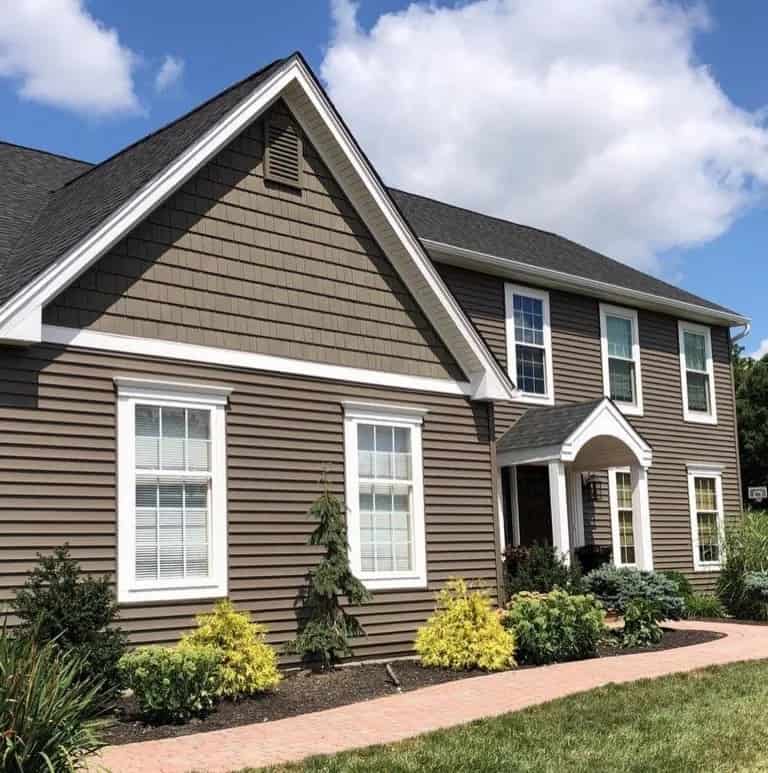
If you’re planning to update your home’s exterior, you’ve likely come across engineered wood siding. It’s becoming one of the most popular choices for homeowners across the country. But what exactly is it? Is it the right fit for your home?
This guide breaks it all down in simple terms.
What Is Engineered Wood Siding?
Engineered wood siding is a manufactured building material. It is made from wood fibers, strands, or chips that are bonded together using resins and wax. The mixture is then compressed under high heat and pressure to create a strong, durable panel.
It looks just like real wood. But it’s more stable and more affordable.
Unlike solid wood, engineered wood doesn’t warp or crack as easily. It resists moisture better. And it holds paint for longer too.
Brands like LP SmartSide and Woodtone are well-known manufacturers of this product. They’ve made engineered wood siding a go-to choice for both new builds and renovation projects.
How Is It Made?
The manufacturing process is key to what makes this material special.
Wood strands are treated with zinc borate. This protects against fungal decay and termites. Then they are bonded with resin and pressed into sheets or planks. A textured overlay is added to give it that classic wood grain look.
The result is a product that performs better than natural wood in many ways — without sacrificing beauty.
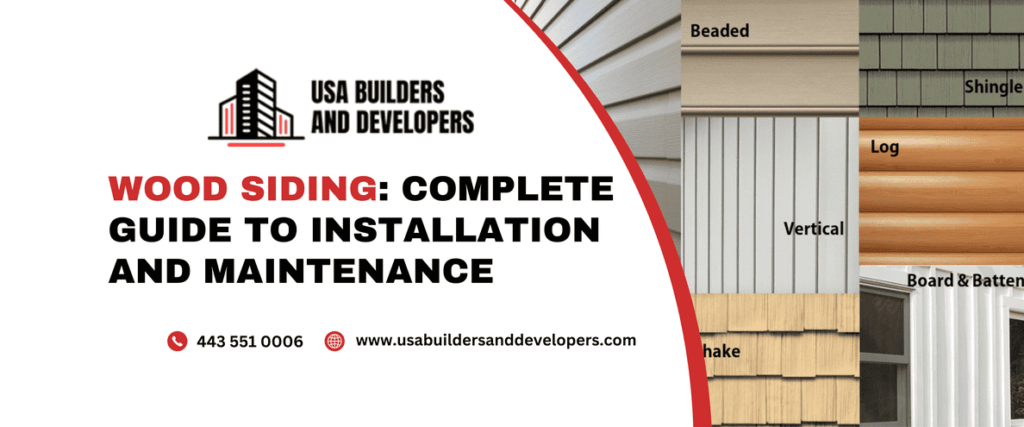
Types of Engineered Wood Siding
There are several styles available. Each one suits a different home design.
Engineered Wood Siding Panels
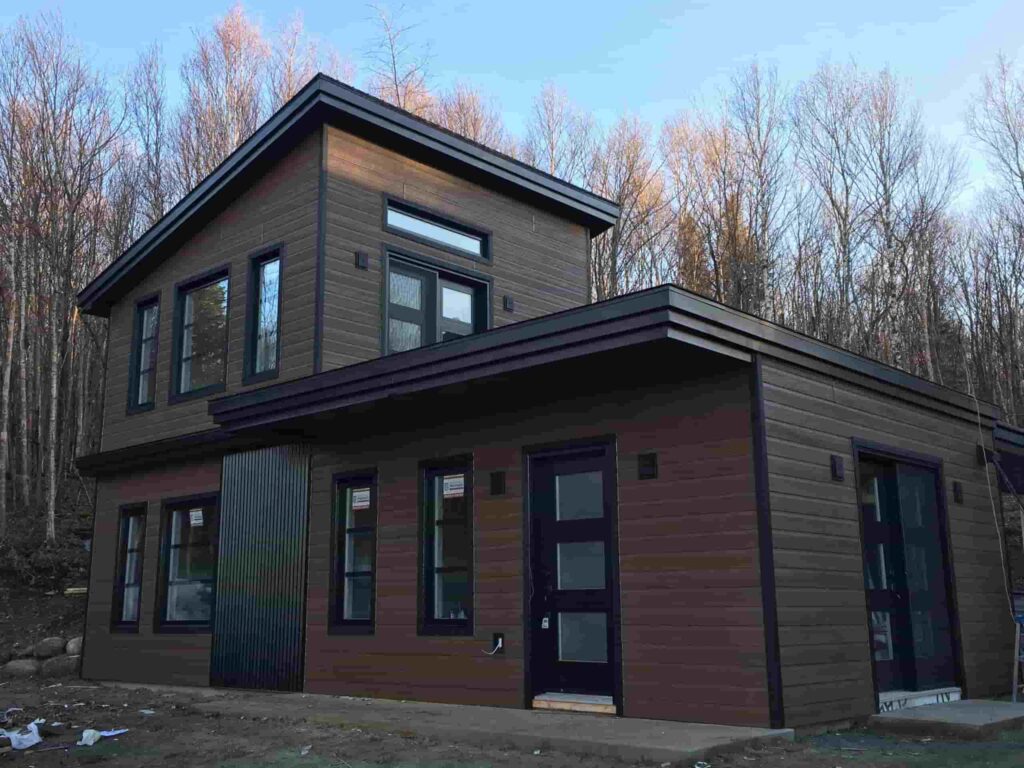
Engineered wood siding panels are large, flat sheets. They’re often used for a clean, modern look. Panels cover more surface area quickly. That makes installation faster and labor costs lower.
They work well on contemporary or farmhouse-style homes. You can also use them for vertical board-and-batten designs.
Engineered Wood Lap Siding
Engineered wood lap siding is one of the most common styles. It features long, horizontal planks that overlap each other going up the wall. This creates a traditional look that many homeowners love.
It closely mimics the appearance of natural wood clapboard siding. But it’s far more durable and easier to maintain.
Lap siding is a great choice if you want classic curb appeal without the upkeep of real wood.
Shingle and Shake Styles
Some manufacturers also offer shingle or shake styles. These mimic the look of cedar shingles. They add texture and charm to cottage or craftsman-style homes.
Engineered Wood Siding Cost
One of the biggest questions homeowners ask is: how much does engineered wood siding cost?
The price varies based on the style, brand, and your location. Here’s a general breakdown:
- Material cost: $2 to $5 per square foot
- Installation cost: $3 to $7 per square foot
- Total installed cost: $5 to $12 per square foot
For an average 1,500 sq ft home exterior, you might spend between $7,500 and $18,000 in total.
That’s more affordable than fiber cement and much cheaper than real wood.
Keep in mind that labor costs vary by region. Getting at least three quotes from local contractors is always a smart move.
What affects the price?
- Style chosen (lap vs. panels vs. shingles)
- Amount of trim work needed
- Removal of old siding
- Paint or pre-finishing costs
Overall, engineered wood siding gives you great value for the money. It’s a budget-friendly option that still looks high-end.
Engineered Wood Siding vs Fiber Cement
Many homeowners compare engineered wood siding vs fiber cement. Both are popular. Both are durable. But they have some key differences.
Weight
Fiber cement is very heavy. It can be tough to handle and install. Engineered wood is significantly lighter. That makes installation easier and faster.
Cost
Engineered wood siding is generally cheaper than fiber cement. Both materials and labor tend to cost less. If budget is a concern, engineered wood often wins here.
Appearance
Engineered wood looks more like real wood. The grain texture is more natural and realistic. Fiber cement can sometimes look a bit flat or artificial by comparison.
Durability
Both are durable. Fiber cement holds up better in extremely hot climates. Engineered wood can be more vulnerable to moisture if not properly installed and maintained. However, modern engineered wood products are treated to resist moisture quite well.
Maintenance
Both require painting every 7 to 15 years. Neither needs as much upkeep as natural wood. Fiber cement may hold paint slightly longer in harsh climates.
Fire Resistance
Fiber cement has a slight edge in fire resistance. But many engineered wood products still meet fire safety standards for most building codes.
Bottom line: If you want a more affordable, natural-looking option, engineered wood is the better pick. If you live in a very hot or wet climate and want maximum longevity, fiber cement may be worth the extra cost.
Key Benefits of Engineered Wood Siding
Here’s a quick summary of why so many homeowners choose this material:
- Affordable — lower cost than fiber cement, vinyl, or real wood
- Beautiful — looks like natural wood grain
- Durable — resists impact, rot, and insects
- Lightweight — easier to install than fiber cement
- Eco-friendly — uses recycled wood material
- Versatile — available in many styles and colors
- Paintable — holds paint well for years
It’s one of the best value siding options on the market today.
Potential Drawbacks to Know
No product is perfect. Here are a few things to keep in mind:
- Moisture sensitivity — improper installation can allow moisture in, leading to damage over time
- Requires painting — it must be painted and maintained regularly
- Not as long-lasting as fiber cement — typical lifespan is 20 to 30 years with proper care
- Warranty conditions — many warranties require specific installation and maintenance practices
As long as you hire a skilled installer and follow the manufacturer’s guidelines, these issues are easy to manage.
Is Engineered Wood Siding Right for You?
Engineered wood siding is a smart choice for most homeowners. It’s especially good if you:
- Want the look of real wood without the high cost
- Are working with a moderate budget
- Want a lighter-weight siding that’s easier to install
- Live in a mild to moderate climate
If you’re replacing old siding or building new, it’s definitely worth getting a quote for engineered wood.
Final Thoughts
Engineered wood siding combines beauty, durability, and affordability in one product. Whether you choose engineered wood siding panels, engineered wood lap siding, or a shingle style, you’re getting a material that performs well and looks great.
The engineered wood siding cost is fair — especially compared to real wood or fiber cement. And when you weigh up engineered wood siding vs fiber cement, it’s clear that engineered wood holds its own in most situations.
If you want a home exterior that turns heads without breaking the bank, engineered wood siding is well worth considering.
Need Help with Your Next Project? Call USA Builders Today!
We’re here to help—quick answers, friendly service, anytime you need!