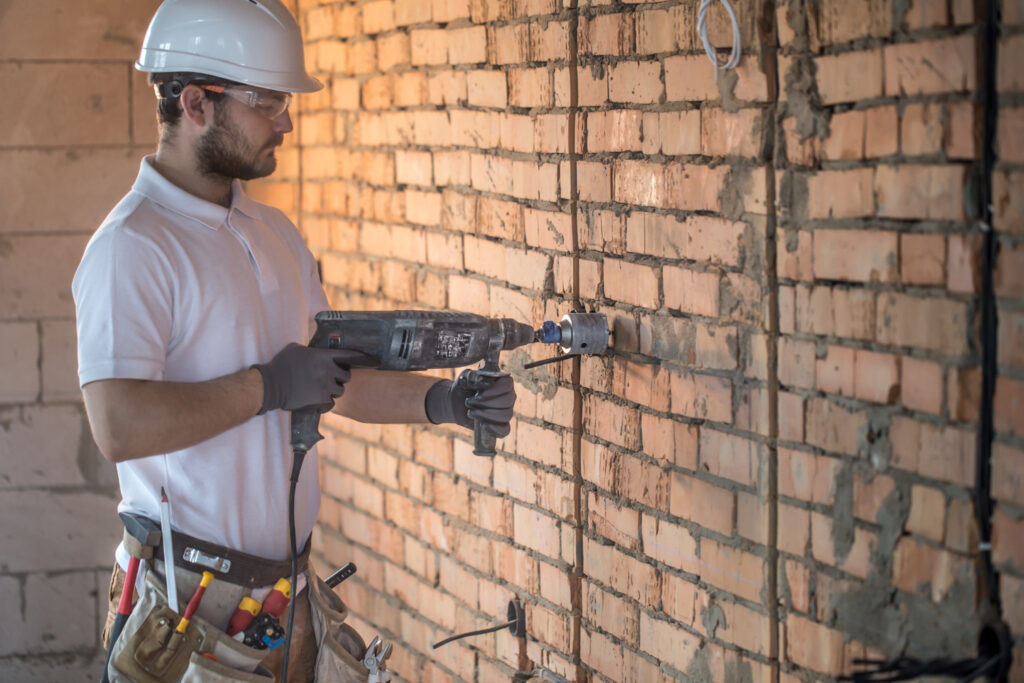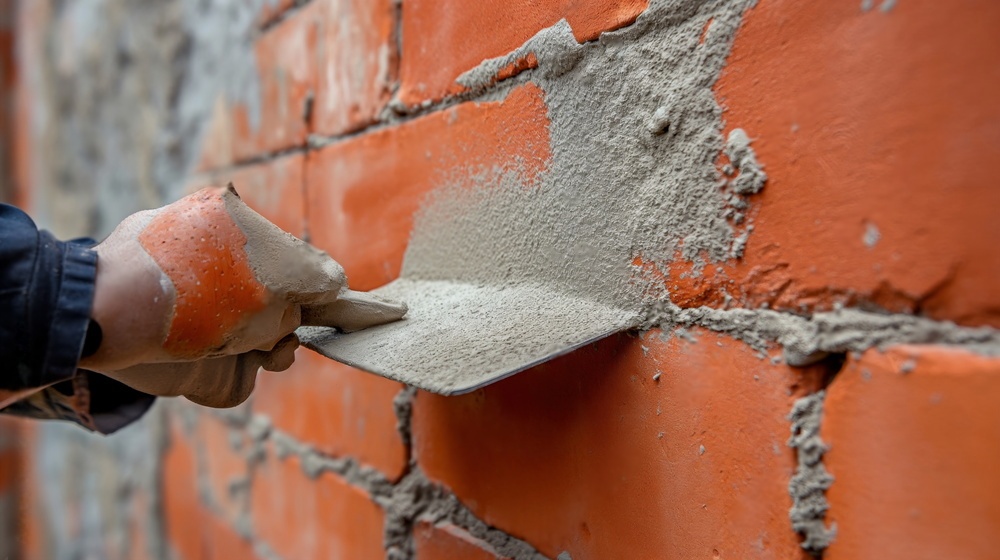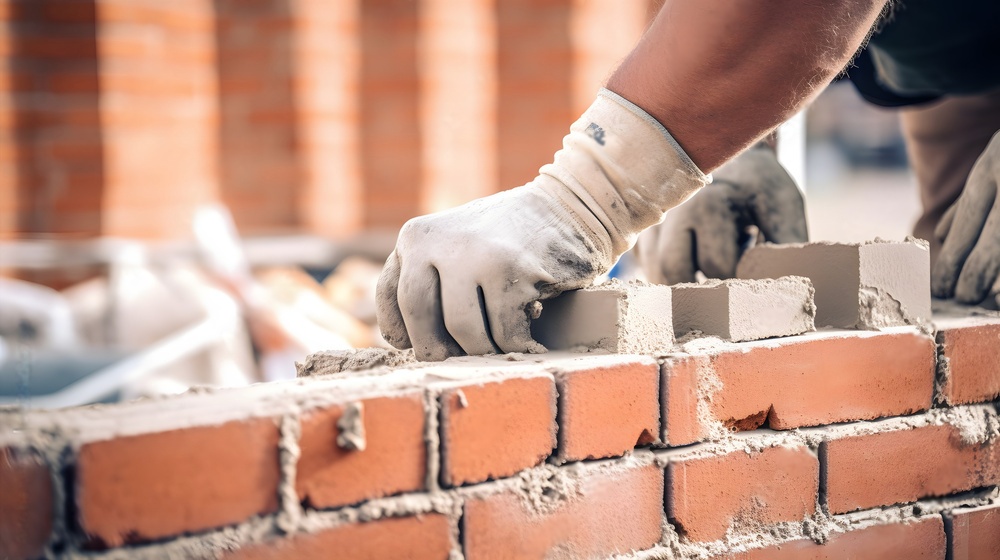
A concrete masonry unit is one of the most widely used materials in construction. It is known for strength, durability, and flexibility in different types of building work. From residential walls to commercial structures, this material continues to be a reliable choice for contractors and property owners.
Many people hear the term CMU but do not fully understand what it means. In simple words, a concrete masonry unit is a precast concrete block used to build walls and structural elements. It is commonly chosen because it performs well in demanding conditions and supports long-term building stability.
For property owners, understanding a concrete masonry unit is useful when planning new construction, repairs, or upgrades. At USA Builders and Developers, we provide professional masonry services for strong, durable, and well-built construction work. This guide explains what it is, why it is used, and where it performs best.
What Is a Concrete Masonry Unit?
A concrete masonry unit is a rectangular building block made from cement, water, and aggregates. These units are manufactured in controlled sizes so they can be laid with mortar to form straight, strong, and consistent walls.
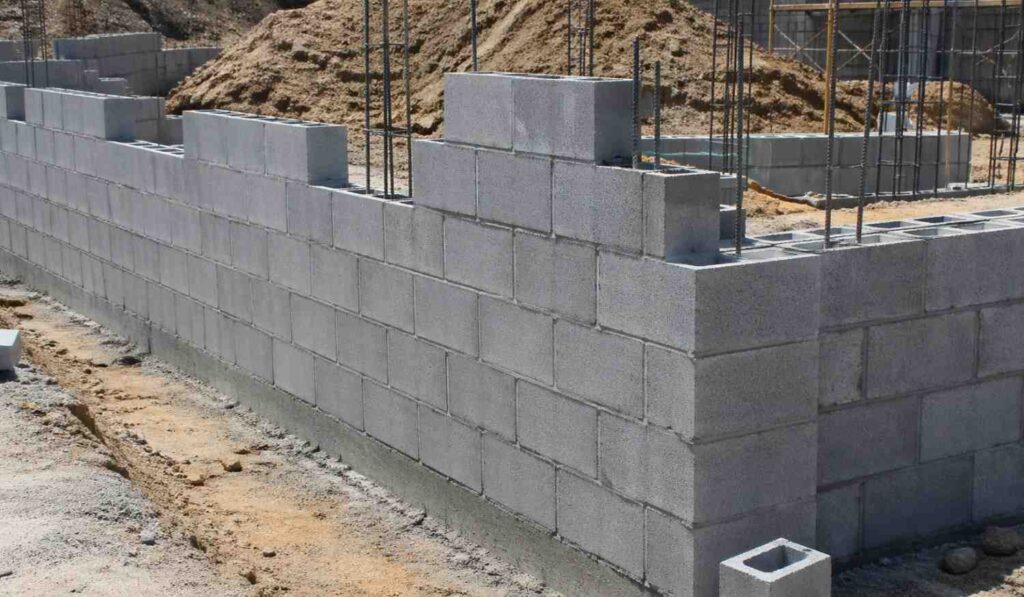
Some units are solid, but many are hollow. Hollow units are widely used because they reduce weight and leave space for grout, reinforcement, or insulation. That makes them practical in both residential and commercial construction.
A concrete masonry unit is often called a concrete block, but CMU is the more accurate term in construction. It applies to a range of block types used in walls, partitions, and structural systems.
Why Is a Concrete Masonry Unit Used?
Builders do not use this material by accident. They use it because it solves several construction problems at once.
Main reasons it is used
- Strength: it can support loads and perform well in structural walls
- Durability: it holds up well against weather and long-term use
- Fire resistance: concrete does not burn like wood
- Versatility: it works in many parts of a building
- Low maintenance: it can last for years with proper installation
A concrete masonry units is also a practical choice when owners want a material that feels solid and dependable. It is widely available, proven in the field, and suitable for many different building types.
Where Is a Concrete Masonry Unit Commonly Used?
A concrete masonry unit is used in many parts of a building. It is common in foundation walls, exterior walls, garage walls, partition walls, utility areas, retaining structures, and other load-bearing or dividing wall systems.
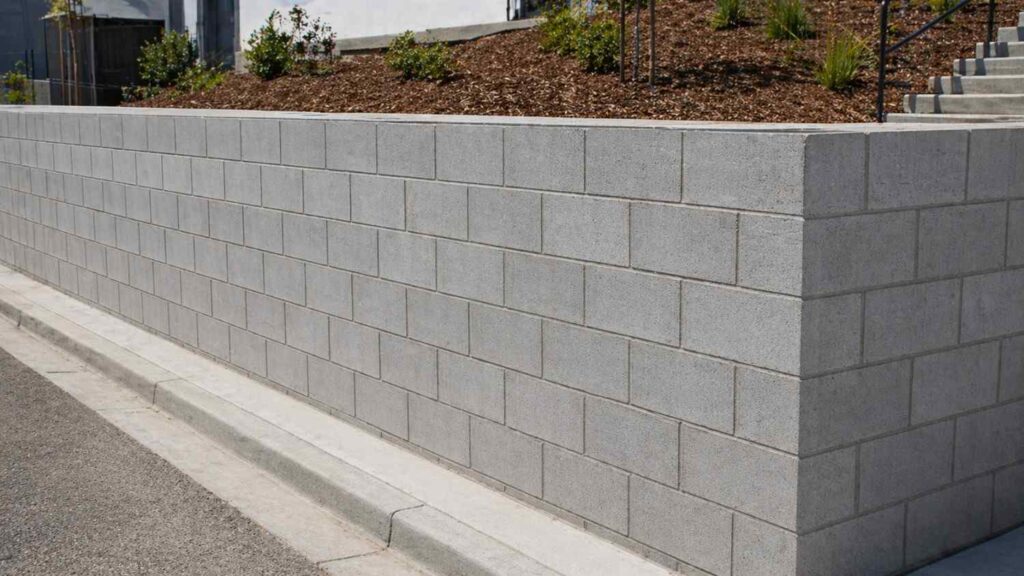
One of the most common applications is the concrete masonry unit wall. Depending on the design, this type of wall can be structural or non-structural. In some buildings, it helps support loads. In others, it divides spaces, improves fire resistance, or adds durability in high-use areas.
Builders also use CMU in schools, storage buildings, warehouses, garages, and mixed-use construction. Its wide range of applications is one reason it remains a reliable choice in both residential and commercial projects.
Benefits of Concrete Masonry Unit Construction
Strength and stability
A properly installed concrete masonry creates a wall system that can handle pressure, impact, and long-term use. That is why it is often used in demanding applications.
Fire resistance
This material performs well in fire-rated assemblies. That makes it useful in garages, utility spaces, commercial walls, and other areas where extra protection matters.
Long-term durability
A concrete masonry does not rot like wood and can perform for many years. When the installation is done properly, it provides dependable long-term value.
Sound control
A concrete masonry unit wall can reduce sound transfer better than many lightweight systems. This makes it useful in schools, offices, apartment buildings, and mixed-use properties.
Lower maintenance needs
Compared with some other wall materials, this system can require less upkeep over time. That matters for owners who want performance without constant repair work.
Dimensions of Concrete Masonry Units
The dimensions of concrete masonry units are important because block size affects wall thickness, layout, labor, and structural planning. Builders need to know the size of the block before planning wall height, openings, and material quantities.
In construction, standard concrete masonry units are usually described by nominal size and actual size. The nominal size includes the mortar joint, while the actual size is slightly smaller to allow room for mortar and proper alignment. This sizing method helps create straight, consistent walls during installation and reduces problems in layout.
For example, a block commonly called 8 x 8 x 16 inches usually has an actual size of about 7 5/8 x 7 5/8 x 15 5/8 inches. This difference is standard in concrete block construction and is important during estimating, design, and material selection. Understanding the dimensions of concrete masonry units helps contractors and property owners plan more accurately and avoid confusion before work begins.
Concrete Masonry Unit Sizes
There are several common concrete masonry unit sizes used in construction. Each one serves a different purpose depending on the wall type and structural need.
Thinner units are often used in partition walls or veneer-style applications. Thicker blocks are usually chosen for structural or exterior walls where more strength is required.
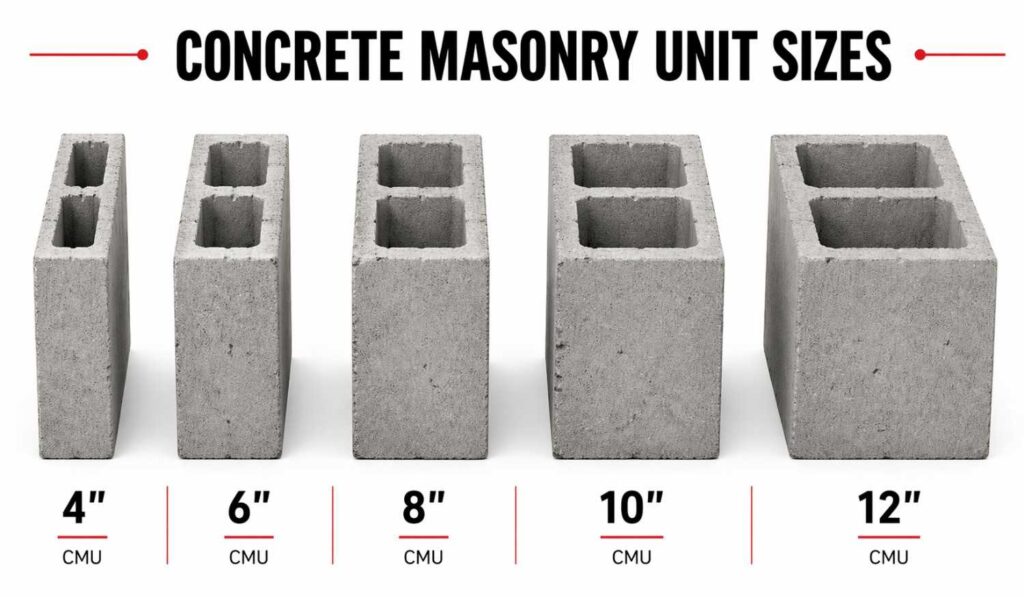
Common CMU Sizes
| Nominal Size | Approx. Actual Size | Common Use |
|---|---|---|
| 4 x 8 x 16 in. | 3 5/8 x 7 5/8 x 15 5/8 in. | Interior partitions, veneers |
| 6 x 8 x 16 in. | 5 5/8 x 7 5/8 x 15 5/8 in. | Light structural walls |
| 8 x 8 x 16 in. | 7 5/8 x 7 5/8 x 15 5/8 in. | Standard wall construction |
| 10 x 8 x 16 in. | 9 5/8 x 7 5/8 x 15 5/8 in. | Heavier wall systems |
| 12 x 8 x 16 in. | 11 5/8 x 7 5/8 x 15 5/8 in. | Load-bearing applications |
These concrete masonry sizes are commonly available, but special blocks are also made for corners, bond beams, and other construction details.
How a Concrete Masonry Unit Wall Performs
A concrete masonry wall can perform very well, but only when it is designed and installed correctly. Material quality alone is not enough. Workmanship matters just as much.
Performance usually depends on:
- block type
- mortar quality
- reinforcement
- grout placement
- moisture detailing
- overall installation quality
Some walls are built only to divide interior space. Others are designed to carry structural loads. In reinforced applications, steel bars and grout may be added inside the block cores for extra strength.
A well-built concrete masonry unit wall can also provide solid fire resistance and sound control, which is why it remains useful in both residential and commercial work.
Concrete Masonry Unit vs Other Wall Materials
CMU vs wood framing
Wood framing may be faster and lighter in some projects, but it does not offer the same fire resistance, mass, or solid feel as CMU.
CMU vs brick
Brick is often chosen for appearance, while CMU is often chosen for structural performance and practicality. In many projects, both materials are used together.
CMU vs lightweight panels
Lightweight wall systems may reduce labor in some cases, but they may not provide the same long-term durability as a properly built concrete masonry unit system.
Final Thoughts
A concrete masonry unit remains one of the most trusted materials in construction for a reason. It offers strength, durability, fire resistance, and practical value across many building types.
Whether you are reviewing the standard concrete masonry dimensions, comparing different concrete masonry sizes, or planning a concrete masonry unit wall, the goal is the same. You want a wall system that performs well and lasts.
For homeowners, builders, and property managers, understanding this material makes it easier to choose the right construction method. When selected and installed correctly, a concrete masonry unit can be a smart long-term investment.
Have Questions? Call Us Now!
We’re here to help—quick answers, friendly service, anytime you need!


Contact USA Builders and Developers
🌐 Website: www.usabuildersanddevelopers.com
📍 Serving: Baltimore, Betheda, Silver spring, and Montgomery Maryland
📌 Address: 2144 Priest Bridge Court, Suite 8, Crofton, MD 21114, USA