Exterior vs. Interior Waterproofing is an important comparison for homeowners dealing with basement moisture, foundation leaks, and ongoing water intrusion. Choosing between these two methods is not simply a matter of preference. It requires understanding where the water is entering, how it is affecting the structure, and what type of protection will provide the most reliable long-term result.
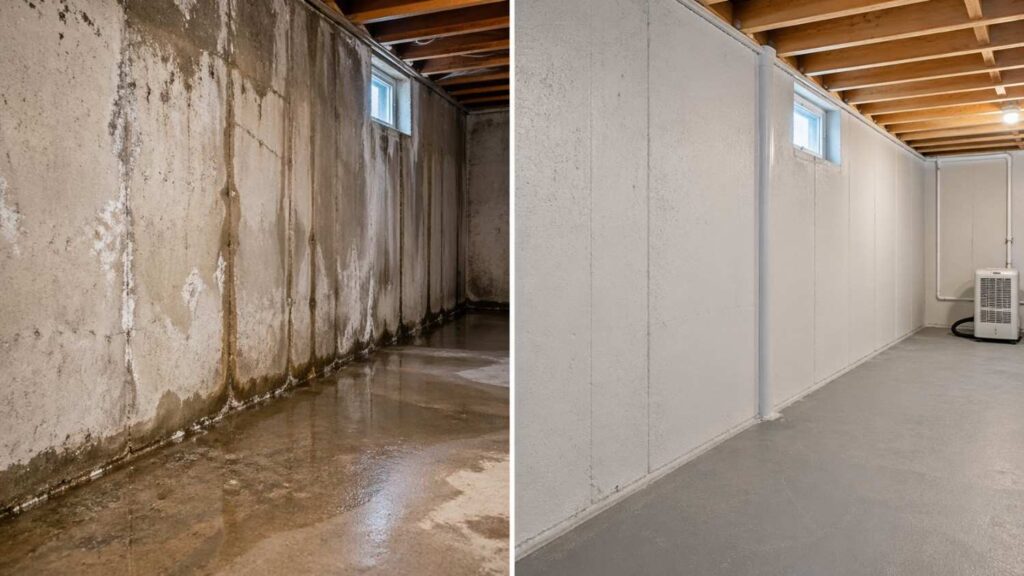
In many homes, water damage begins with subtle warning signs that are easy to overlook. Damp walls, peeling paint, musty odors, and moisture stains may seem minor at first, but they often indicate a larger problem developing behind the surface. If left unaddressed, these conditions can lead to mold growth, material damage, interior deterioration, and more costly repairs over time.
The right waterproofing approach depends on the source of the moisture problem and the condition of the foundation. Some homes require exterior waterproofing to block water before it reaches the structure, while others are better served by an interior system that manages and redirects water effectively. At USA Builders and Developers, we help homeowners understand the difference so they can choose a solution that protects their property with confidence.
Why Waterproofing Matters
Before comparing Exterior vs. Interior Waterproofing, it is important to understand why waterproofing matters in the first place.
Your home is constantly exposed to rain, groundwater, soil moisture, and changing weather conditions. When water begins collecting around the foundation or entering basement areas, it can affect much more than appearance. Moisture can weaken walls, damage flooring, stain surfaces, create unhealthy indoor conditions, and shorten the life of important structural materials.
Waterproofing helps reduce these risks by either stopping water before it enters the structure or controlling it once it starts affecting the inside. A good waterproofing system protects both the condition of your home and the comfort of the people living in it.
What Is Exterior Waterproofing?
Exterior waterproofing is the process of protecting your home from the outside by stopping water before it enters the foundation or basement walls.
This method usually involves work around the outside of the structure, such as:
- Excavating around the foundation
- Cleaning and preparing the wall surface
- Repairing cracks or damaged areas
- Applying a waterproof membrane or coating
- Installing drainage boards or protective layers
- Improving drainage near the foundation
In simple terms, exterior waterproofing works at the source of the problem. Instead of waiting for water to enter the basement or lower walls, it creates a barrier outside the structure to block moisture before it can cause damage.
In many cases, exterior waterproofing is considered the stronger long-term solution because it protects the foundation wall directly.
What Is Interior Waterproofing?
Interior waterproofing focuses on controlling water from inside the home rather than blocking it entirely from the outside.
This type of waterproofing may include:
- Interior drainage channels
- Sump pump systems
- Vapor barriers
- Crack injection
- Basement wall sealants
- Moisture control systems
Interior waterproofing is often used when water enters the basement or lower level and needs to be collected and redirected away from the home. It is not always meant to stop water from reaching the outside of the foundation wall. Instead, it helps manage the water safely once it becomes an interior problem.
When discussing Exterior vs. Interior Waterproofing, interior waterproofing is usually the more practical option when excavation is difficult, when the issue is moderate, or when basement water control is the main goal.
Exterior vs. Interior Waterproofing: The Main Difference
The biggest difference in Exterior vs. Interior Waterproofing is how each method handles moisture.
- Exterior waterproofing stops water before it enters the structure
- Interior waterproofing controls water after it begins affecting the inside area
That difference matters because the right solution depends on the actual cause of the water problem. If the issue is heavy water pressure around the foundation, an exterior solution may be needed. If the main concern is basement drainage or occasional seepage, an interior system may be enough.
Here is a simple comparison:
| Feature | Exterior Waterproofing | Interior Waterproofing |
|---|---|---|
| Main purpose | Blocks water from entering | Manages water from inside |
| Work area | Outside foundation walls | Inside basement or lower level |
| Best for | Serious moisture and foundation problems | Basement seepage and water control |
| Installation | More labor-intensive | Usually less disruptive |
| Cost | Often higher | Often more budget-friendly |
| Long-term protection | Stronger source-level protection | Good moisture management |
This table gives a quick view of Exterior vs. Interior Waterproofing, but the best choice still depends on the condition of your home.
When Exterior Waterproofing Is the Better Choice
Exterior waterproofing is often the better option when the moisture problem starts outside and continues putting pressure on the structure.
Water is entering through the foundation walls
If water is pushing through basement or foundation walls, treating the outside surface is often the smarter long-term solution.
The home has poor exterior drainage
If water collects around the home because of grading issues, downspout problems, or heavy soil saturation, exterior waterproofing can help address the root of the issue.
You want stronger structural protection
In the debate of Exterior vs. Interior Waterproofing, exterior waterproofing is usually stronger when the goal is to protect the foundation wall itself, not just manage interior moisture.
Leaks are severe or recurring
If you keep seeing basement leaks after rain or after trying interior fixes, the problem may need to be solved from the outside.
Foundation cracks need outside repair
Some cracks and moisture entry points require outside access for proper treatment and long-term performance.
When Interior Waterproofing Is the Better Choice
Interior waterproofing can also be the right choice in many situations, especially when the goal is practical water control.
The main issue is basement moisture
If the problem is limited to dampness, minor seepage, or water collecting inside the basement, interior drainage systems may work well.
Excavation is difficult
Some homes have patios, driveways, landscaping, or nearby structures that make excavation expensive or impractical.
You want a more affordable option
In many cases, interior waterproofing costs less because it does not involve major exterior digging and restoration.
You need water management quickly
Interior systems can often be installed faster and with less disruption to the outside of the property.
The basement needs added protection
If you are using the basement for storage, living space, or finished rooms, interior waterproofing can help protect that area from moisture damage.
Pros and Cons of Exterior Waterproofing
Pros
- Stops water before it enters
- Protects the foundation directly
- Helps reduce moisture pressure on basement walls
- Supports stronger long-term protection
- Can improve overall drainage around the home
Cons
- More expensive in many cases
- Requires excavation
- Can disturb landscaping or hard surfaces
- Usually takes more labor and time
When comparing Exterior vs. Interior Waterproofing, exterior methods are often more complete, but they are not always the easiest or most affordable option.
Pros and Cons of Interior Waterproofing
Pros
- More budget-friendly in many situations
- Less disruption to the outside property
- Good for basement drainage control
- Faster installation in many cases
- Works well with sump pumps and drainage systems
Cons
- Does not always stop water at the outside source
- May not fully protect the exterior foundation wall
- Some moisture pressure can still remain
- Not always enough for serious structural water problems
In the discussion of Exterior vs. Interior Waterproofing, interior systems are effective for moisture control, but they may not be the full answer when outside water pressure is the real cause.
How to Choose the Right Solution
The right answer to Exterior vs. Interior Waterproofing depends on the source of the moisture, the condition of the foundation, and your long-term goals.
Exterior waterproofing may be right if:
- Water is entering through foundation walls
- The outside drainage is poor
- The issue is severe or ongoing
- You want stronger long-term protection
- Foundation wall treatment is needed
Interior waterproofing may be right if:
- The problem is mainly inside the basement
- You need water control more than outside wall treatment
- Excavation is difficult or too disruptive
- The issue is minor to moderate
- You want a more practical budget option
In some homes, the best result comes from using both methods together. For example, improving exterior drainage while also installing an interior sump pump system can provide more complete protection.
That is why Exterior vs. Interior Waterproofing should never be treated like a one-size-fits-all decision.
Final Thoughts
Exterior vs. Interior Waterproofing is not about choosing whichever option sounds easier. It is about choosing the solution that matches the real problem. If you need to stop water before it reaches the structure, exterior waterproofing is often the better long-term choice. If you need to control basement moisture from the inside in a more practical and cost-conscious way, interior waterproofing may be the right fit.
The best decision comes from understanding where the water is coming from, how serious the issue is, and what level of protection your home needs.
A small moisture issue today can turn into a much bigger repair later. That is why comparing Exterior vs. Interior Waterproofing carefully is worth the time. The right waterproofing solution can protect your home, improve indoor comfort, and help you avoid more expensive damage in the future.
Contact USA Builders and Developers
📞 Contact: 443 551 0006
🌐 Website: www.usabuildersanddevelopers.com
📍 Serving: Baltimore, Bethesda, Silver Spring, and Montgomery, Maryland