Vinyl siding is one of the most common exterior materials for homes in the United States, including Maryland. It’s affordable, durable, and low-maintenance. However, over time, vinyl siding can fade, discolor, or simply no longer match your preferred color scheme.
Many homeowners ask: can you paint vinyl siding on a home? The answer is yes, but it requires the right preparation, materials, and techniques. At USA Builders and Developers, we provide expert guidance to help homeowners refresh their home’s exterior safely and effectively.
This guide explains everything you need to know about painting vinyl siding, including preparation, paint selection, application techniques, costs, and maintenance.
Understanding Vinyl Siding
Vinyl siding is made from polyvinyl chloride (PVC), which provides durability and resistance to moisture, rot, and pests. Maryland homeowners appreciate its low-maintenance nature and affordability.
Even so, years of exposure to sunlight, seasonal storms, and temperature fluctuations can fade or discolor vinyl siding. While replacing siding is an option, painting is often a more cost-effective solution to restore your home’s appearance.
If you’re asking yourself, “can you paint over vinyl siding?” the answer is yes, but only when the siding is clean, properly prepared, and free from damage.
Why Paint Vinyl Siding?
Homeowners choose to paint vinyl siding for several reasons:
- Faded or weathered appearance: Maryland’s climate can dull colors over time.
- Change in aesthetic: Update your home’s exterior without replacing siding.
- Increase home value: A fresh exterior enhances curb appeal.
- Cost-effective alternative: Painting is cheaper than full replacement.
Painting is not just cosmetic; it can extend the life of your siding and protect it from the elements when done correctly.
Can You Paint Vinyl Siding?
Yes, you can paint vinyl siding, but there are some important considerations:
- Type of Vinyl: Older vinyl siding or lower-quality vinyl may not hold paint as well. Ensure your siding is in good condition without cracks or warping.
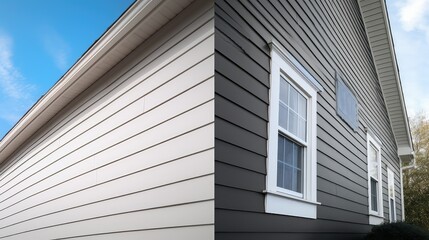
- Color Choice: Vinyl siding absorbs heat. Choosing a color darker than the original may cause warping due to heat absorption. Lighter shades are recommended.
- Preparation: Proper cleaning and priming are crucial to ensure the paint adheres and lasts.
- Paint Type: Use high-quality acrylic latex paint specifically formulated for vinyl siding.
When done correctly, painting vinyl siding can last 8–10 years or longer, giving your home a refreshed look without a full siding replacement.
Preparation Steps Before Painting Vinyl Siding
Proper preparation is essential for a successful vinyl siding paint job. Skipping steps can result in peeling, uneven coverage, or paint that doesn’t last. Following these steps ensures a smooth, durable finish and a refreshed look for your home.
1. Inspect Your Siding
Start by carefully inspecting the siding on your home. Look for cracks, holes, or areas where panels have warped over time. Loose siding should be re-secured or replaced to prevent issues after painting. Mold and mildew can also compromise the finish, so any affected areas should be treated with a water and bleach solution to prevent regrowth. Ensuring your siding is in good condition sets the stage for a lasting paint job.
2. Clean the Surface
Cleaning is critical for paint adhesion. Dirt, dust, and other debris can prevent paint from sticking properly. Begin by rinsing the siding with a low-pressure washer. For stubborn dirt or stains, you can:
- Use a mild detergent or vinyl siding cleaner
- Scrub gently with a soft brush
- Rinse thoroughly to remove all residue
Allow the siding to dry completely before moving to the next step. Proper cleaning ensures an even, professional-looking finish.
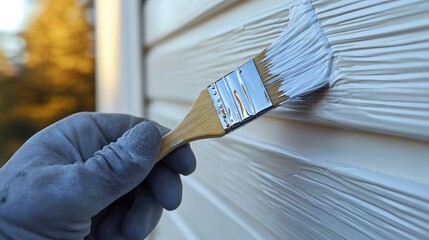
3. Sand the Surface
Sanding creates a slightly rough surface that helps the paint adhere. Use fine-grit sandpaper (220 grit) and lightly scuff the vinyl. Focus on areas with gloss or sheen from the original siding. Be careful not to over-sand, as deep scratches can create uneven spots in the paint. Light sanding also helps prevent peeling over time and ensures better primer and paint bonding.
4. Apply Primer
Priming is a key step for a durable, long-lasting paint job. Use an acrylic-based primer specifically formulated for vinyl siding. Apply evenly with a brush or roller, paying attention to edges and seams. Let the primer dry completely before painting. A good primer:
- Improves paint adhesion
- Prevents peeling
- Creates a uniform surface for color application
Skipping primer can lead to early failure, uneven color, and extra maintenance in the future.
Choosing the Right Paint
Not all paints work on vinyl siding. Experts recommend:
- 100% Acrylic Latex Paint: Flexible, durable, and resistant to peeling
- Vinyl-Specific Paints: Some brands formulate paints specifically for vinyl
- Avoid oil-based paints, they can crack and peel
Color Considerations
Vinyl absorbs heat. Painting dark colors over light vinyl can cause the siding to warp. Stick to:
- Colors no more than two shades darker than the original siding
- Light or medium shades
How Long Does Painted Vinyl Siding Last?
With proper preparation and high-quality materials:
- Life Expectancy: 8–10 years
- Maintenance: Occasional washing and touch-ups as needed
- Durability: Acrylic latex paint is flexible and can withstand expansion and contraction of vinyl panels
Regular maintenance helps preserve color and prevents peeling.
Common Mistakes to Avoid When Painting Vinyl Siding
- Overlapping Excessively: Too many paint layers can peel or blister.
- Skipping Cleaning or Priming: Dirt and grease prevent paint adhesion.
- Using the Wrong Paint: Avoid oil-based or non-acrylic paints.
- Painting Dark Colors: Can cause warping due to heat absorption.
- Ignoring Weather Conditions: Painting in extreme heat, cold, or rain reduces durability.
Cost of Painting Vinyl Siding
The cost depends on:
- House Size: Larger homes require more paint and labor
- Prep Work: Cleaning, repairs, and priming add to the cost
- Quality of Paint: Premium acrylic paints cost more but last longer
- Labor: Professional rates vary in Maryland
Estimated Cost:
- DIY: $1,000–$3,000 for a typical 2,000 sq ft home
- Professional: $3,500–$7,000 depending on prep, materials, and home size
Painting is much more affordable than replacing vinyl siding, which can cost $8,000–$15,000 or more.
Maintaining Painted Vinyl Siding
After painting:
- Wash the siding once or twice a year with a mild detergent
- Inspect for chips or peeling paint
- Touch up areas promptly to prevent damage
Regular maintenance will extend the life of your paint job and keep your home looking fresh.
What is the downside of painting vinyl siding?
Painting vinyl can cause warping if colors are too dark, and paint may peel if the surface isn’t prepped properly. Touch-ups may be needed every 8–10 years.
Can vinyl siding be professionally painted?
Yes. Professionals ensure proper cleaning, priming, and paint application, giving a long-lasting, even finish.
Is it okay to paint over vinyl siding?
Yes, if siding is clean, undamaged, and you use acrylic latex or vinyl-specific paint with primer.
How much does it cost to have vinyl siding painted?
Costs range from $1,000–$3,000 DIY and $3,500–$7,000 professionally for a standard Maryland home.
How long will painted vinyl siding last?
Painted vinyl siding typically lasts 8–10 years with proper prep and maintenance.
Final Thoughts
If you’ve been asking, “can you paint vinyl siding on a home?” or “can you paint over vinyl siding?”, the answer is yes. The key is proper preparation, the right paint, and careful application.
As a trusted Maryland siding contractor, USA Builders and Developers provides expert guidance for homeowners, helping you make your home exterior look beautiful while protecting your siding for years to come.
Painting vinyl siding is a practical, cost-effective solution to update your home’s appearance, enhance curb appeal, and extend the life of your exterior. With proper techniques and maintenance, your painted siding can last 8–10 years or more.
Have Questions? Call Us Now!
We’re here to help—quick answers, friendly service, anytime you need!