A roof leak is not just a minor inconvenience, it’s a warning sign that your roofing system is failing. Even a small leak can lead to structural damage, mold growth, and costly repairs if not addressed quickly. Understanding roof leak repair and taking immediate action is essential to protect your property and avoid long-term issues.
In regions with changing weather conditions like Maryland, roofs are constantly exposed to rain, temperature shifts, and moisture buildup. This makes early detection and proper repair even more important. The key is not just fixing the visible leak, but identifying the root cause and applying a long-lasting solution.
What Is Roof Leak Repair?
Roof leak repair is the process of identifying the source of water intrusion and restoring the roof’s ability to prevent moisture penetration. It involves more than simply sealing visible cracks or gaps. A proper repair requires understanding how roofing systems work and addressing the underlying cause of the leak.
Effective roof repair includes inspection, material assessment, surface preparation, and applying the correct repair method based on the roofing type. Whether the issue is damaged shingles, failed flashing, or membrane deterioration, the goal is to restore the roof’s waterproof barrier and structural integrity.
Without proper repair, even a minor leak can continue to spread and cause long-term damage to the building.
What Causes Roof Leaks?
Roof leaks develop over time due to wear, environmental exposure, and installation issues. The most common causes include:
- Damaged or missing shingles allowing water penetration
- Failed flashing around chimneys, vents, and skylights
- Cracked or aging roofing materials
- Ponding water on flat roofs
- Clogged gutters causing water backup
In many cases, the actual leak source is different from where water appears inside the building. This is why accurate inspection is critical.
How to Find a Roof Leak (Step-by-Step)
Finding the exact source of a roof leak requires a careful and systematic approach. In many cases, the location where water appears inside the building is not the same as where it enters. Water can travel along beams, insulation, and structural elements before becoming visible, which makes accurate inspection essential for effective roof leak repair.
1. Check Interior Signs
Start by examining the interior of the building for early warning signs. Water stains on ceilings or walls are often the first visible indicators of a leak. You may also notice peeling paint, bubbling drywall, or damp insulation. In some cases, a musty odor can signal hidden moisture buildup, even if the leak is not yet clearly visible.
2. Inspect the Roof Surface
Once interior signs are identified, move to the roof for a visual inspection. Check for damaged or missing shingles, cracked surfaces, or worn roofing materials. Pay close attention to roof edges and exposed areas where materials are more vulnerable to weather damage. Identifying visible deterioration helps narrow down the source of the leak.
3. Identify Common Leak Points
Certain areas of the roof are more prone to leaks than others. Focus on roof penetrations such as vents, chimneys, skylights, and joints where different materials meet. These areas rely heavily on flashing and sealing, and any failure here can allow water to enter easily.
4. Check Drainage Areas
For flat or low-slope roofs, drainage plays a critical role. Inspect areas where water tends to collect, as standing or ponding water can weaken the roofing membrane over time. Blocked drains or improper slope can lead to water buildup, increasing the risk of leaks and long-term damage.
How to Fix Roof Leaks Fast
Fixing a roof leak quickly requires identifying the source of the problem and applying the right repair method. A fast response helps prevent further damage, but it’s equally important to ensure the repair is done correctly to avoid recurring issues.
Common roof leak repair methods include:
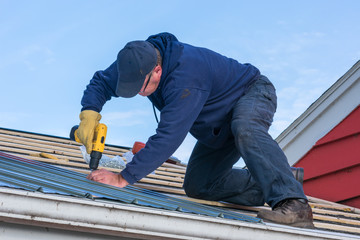
- Replace Damaged Shingles
Broken, cracked, or missing shingles should be replaced immediately to restore the roof’s protective layer. - Seal Small Cracks and Gaps
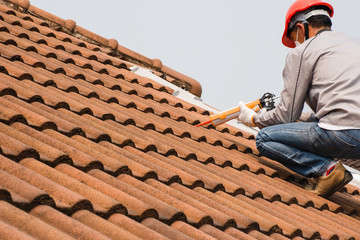
Roofing sealants can be used to close minor openings and prevent water from entering. - Repair or Replace Flashing
Leaks around chimneys, vents, and skylights are often caused by damaged flashing, which needs resealing or replacement. - Flat Roof Membrane Patching
For flat roofs, damaged sections of the membrane are patched to stop water intrusion. - Apply Waterproof Coatings
Protective coatings help reinforce the roof surface and improve resistance against moisture.
While these methods can fix leaks quickly, they should be applied based on the type of roofing system and extent of damage. Temporary solutions may stop water entry, but long-term roof leak repair requires proper materials, correct application, and addressing the root cause to ensure lasting results.
Emergency Roof Leak Repair
When a leak occurs suddenly, immediate action is necessary to prevent further damage.
Temporary solutions include:
- Covering the damaged area with a waterproof tarp
- Applying sealant to visible cracks
- Redirecting water away from the affected section
These steps help minimize damage, but permanent repair should be completed as soon as possible.
Roof Leak Repair for Different Roof Types
Different roofing systems require specific repair methods based on their structure and materials. Using the correct approach ensures effective and long-lasting roof leak repair.
| Roof Type | Common Issues | Repair Method |
|---|---|---|
| Shingle Roof | Cracked, missing, or loose shingles | Replace damaged shingles and reinforce weak areas |
| Flat Roof | Ponding water, membrane damage | Patch membrane and apply waterproof coatings |
| Metal Roof | Loose fasteners, joint/seam leaks | Reseal joints and tighten or replace fasteners |
| Tile Roof | Broken or slipped tiles | Replace damaged tiles and check underlayment |
| Slate Roof | Cracked or loose slate pieces | Replace individual slates and secure fasteners |
What is the fastest way to fix a roof leak?
The fastest solution is to apply a temporary patch or tarp to stop water entry, followed by a permanent repair.
How do I know where my roof is leaking?
Look for water stains, inspect roof surfaces, and check common leak points such as flashing and roof joints.
Can a roof leak be repaired without replacement?
Yes, most leaks can be repaired if the damage is localized and the roof structure is still in good condition.
Is roof leak repair urgent?
Yes, delaying repair can lead to serious structural damage, mold growth, and higher repair costs.
Final Thoughts
Roof leaks should never be ignored. Acting quickly and understanding the proper roof leak repair process can prevent serious damage and costly repairs. From identifying the source to applying the right fix, every step plays a role in protecting your property.
A well-maintained roof not only improves durability but also ensures long-term safety and performance. Investing in proper repair and regular maintenance is the best way to avoid future issues.
Contact USA Builders and Developers
🌐 Website: www.usabuildersanddevelopers.com
📍 Serving: Baltimore, Betheda, Silver spring, and Montgomery Maryland
📌 Address: 2144 Priest Bridge Court, Suite 8, Crofton, MD 21114, USA