Choosing the right roofing material is important for protecting your building from rain, wind, heat, and changing weather. One option used on many low-slope and commercial roofs is EPDM roofing material.
EPDM is a synthetic rubber roofing membrane. It is known for its flexibility, weather resistance, and long service life. It can be installed on many different roof designs and is available in several thicknesses and system types.
But what exactly is EPDM roofing material? How does it work? What are the different types? And what should you know before installing it?
This guide explains the key EPDM roofing details in simple terms.
What Is EPDM Roofing Material?
EPDM stands for ethylene propylene diene terpolymer.
It is a synthetic rubber membrane made for roofing and waterproofing. EPDM is widely used on low-slope commercial buildings and other structures where a flexible roof membrane is needed.
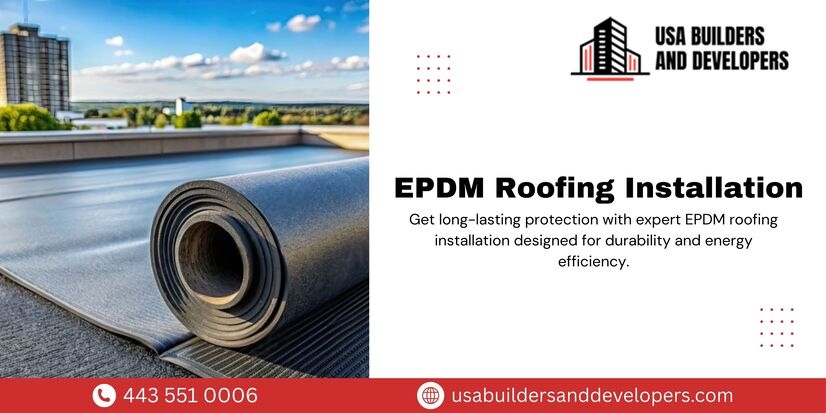
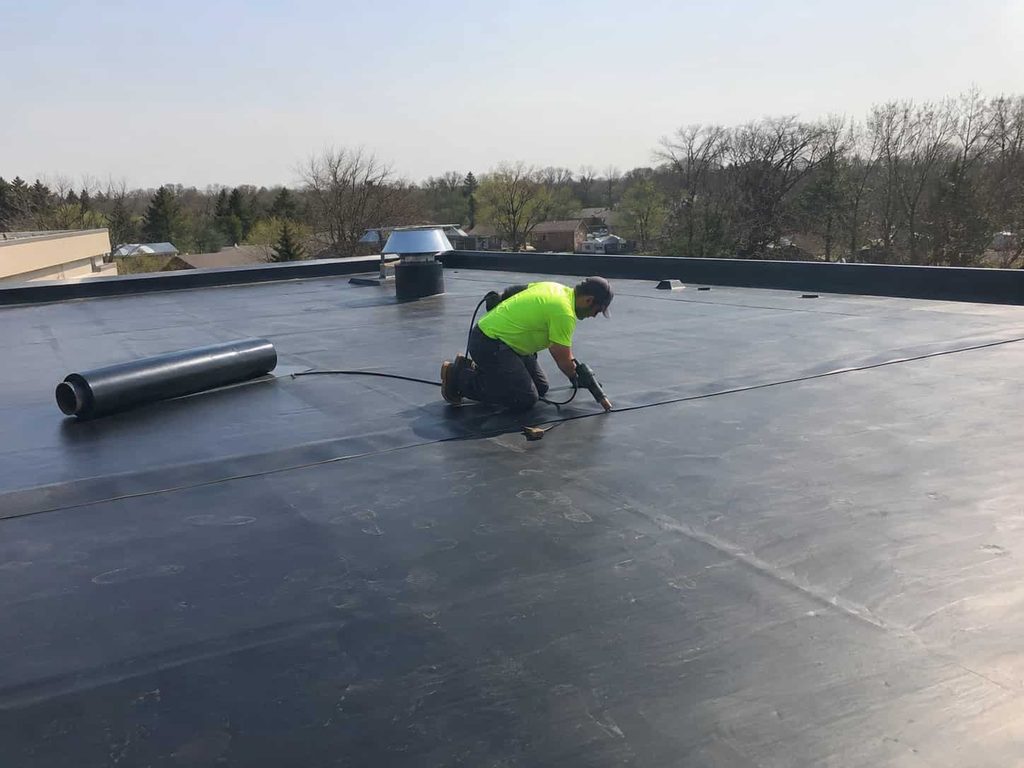
The membrane is supplied in large sheets. These sheets are installed over the roof system and sealed at the seams, edges, corners, and other roof details.
EPDM roofing material is commonly available in black and white. It can also be manufactured in different thicknesses and with reinforced or non-reinforced construction.
Quick EPDM Roofing Facts
| Feature | EPDM Roofing |
|---|---|
| Material | Synthetic rubber |
| Full name | Ethylene propylene diene terpolymer |
| Common use | Low-slope and commercial roofs |
| Common colors | Black, white, and gray |
| Common thicknesses | 45, 60, and 90 mil |
| Membrane types | Reinforced and non-reinforced |
| Installation | Fully adhered, mechanically attached, or ballasted |
| Main strength | Flexibility and weather resistance |
How Does EPDM Roofing Work?
EPDM works as a continuous waterproof membrane over the roof.
Instead of using many small roofing pieces, installers use large sheets of membrane. These sheets cover the roof surface and are joined at the seams.
The complete roof system may include:
- Roof decking
- Insulation
- Cover boards
- EPDM membrane
- Adhesives or fasteners
- Seam materials
- Flashing
- Edge protection
- Drainage components
Every part of the system matters.
A strong EPDM membrane can still have problems if seams, flashing, drains, or roof edges are installed incorrectly.
That is why proper installation is just as important as choosing good EPDM roofing material.
What Are the Different Types of EPDM Roofing Material?
EPDM is available in different forms. The right choice depends on the building, roof design, weather conditions, and installation method.
1. Non-Reinforced EPDM
Non-reinforced EPDM does not contain an internal fabric layer.
It is flexible and can work well for many roofing applications. It is also commonly used in fully adhered systems.
2. Reinforced EPDM
Reinforced EPDM contains an internal fabric or scrim.
The reinforcement can improve the membrane’s strength and dimensional stability. The exact membrane type should be selected based on the requirements of the roof system.
3. Cured EPDM
Cured, or vulcanized, EPDM has been processed so its physical properties are set.
This gives the membrane stable performance and allows it to return toward its original shape after stretching.
4. Uncured EPDM
Uncured EPDM is more flexible and can be shaped more easily.
It is often used for certain flashing applications because it can be formed around complicated roof details.
EPDM Roofing Material Thickness
Thickness is an important part of choosing an EPDM roof membrane.
Common EPDM membrane thicknesses include:
- 45 mil
- 60 mil
- 90 mil
Some applications may use other specifications depending on the manufacturer and project requirements.
A thicker membrane is not automatically the best choice for every roof.
The correct thickness depends on factors such as:
- Roof traffic
- Building use
- Roof design
- Expected weather exposure
- Puncture risk
- Installation method
- Local requirements
- Manufacturer specifications
A professional roofing contractor can help determine which EPDM roofing material is suitable for your building.
EPDM Roofing Installation Methods
There are three common ways to install an EPDM membrane.
Fully Adhered EPDM
With a fully adhered system, the membrane is bonded to the roof assembly with adhesive.
The membrane is secured across the roof instead of being held down mainly by mechanical fasteners or ballast.
Fully adhered systems can work well on many roof shapes and are widely used for roof replacement projects.
Benefits of a Fully Adhered System
- Clean appearance
- Good wind performance when properly designed
- Works with many roof configurations
- No loose ballast covering the membrane
The adhesive must be compatible with the roof materials and installed according to the manufacturer’s requirements.
Mechanically Attached EPDM
A mechanically attached system uses fasteners and plates or other approved attachment methods to secure the membrane to the roof assembly.
This method can be lightweight and can work with many building sizes and roof layouts.
The fastener pattern is important.
It should be designed for the roof and local wind conditions. Incorrect fastening can affect the performance of the entire roof system.
Ballasted EPDM
A ballasted EPDM system uses the weight of approved ballast, such as concrete pavers or stone, to hold the membrane in place.
The membrane is laid over the roof assembly and covered with ballast.
Ballasted systems can provide fast coverage, but the building structure must be able to support the added weight.
Important EPDM Roof Details
The membrane itself is only one part of an EPDM roofing system.
The most important areas are often the places where the membrane meets another part of the building.
These areas are called roof details.
EPDM Seams
Large EPDM sheets must be joined together.
The seams need to be properly cleaned, prepared, and sealed using approved seam materials.
Modern EPDM systems may use specially formulated tapes or liquid adhesives for seam connections.
Poor seam installation can create a weak point in the roof.
This is why seams should always follow the membrane manufacturer’s installation requirements.
EPDM Flashing
Flashing protects areas where the roof membrane meets walls, curbs, pipes, equipment, and other vertical surfaces.
EPDM flashing may use compatible membrane materials designed for the specific application.
Uncured EPDM can be useful for certain flashing details because it can be shaped around complex areas.
Common flashing locations include:
- Roof edges
- Parapet walls
- Pipes
- Vents
- HVAC equipment
- Skylights
- Roof curbs
- Drains
- Wall transitions
EPDM Roof Edges
The roof edge is another important EPDM detail.
The membrane needs to be properly secured at the perimeter. Edge systems can help protect the membrane and manage wind forces.
A poorly installed roof edge can become a vulnerable point during severe weather.
EPDM Roof Penetrations
A roof penetration is anything that passes through the roof membrane.
Examples include:
- Plumbing pipes
- HVAC equipment
- Vents
- Electrical components
- Skylights
- Roof access structures
Each penetration needs proper flashing and sealing.
The goal is to prevent water from entering around the opening.
EPDM Roof Drains
Water needs a clear path off the roof.
Roof drains should be properly integrated with the EPDM membrane. The surrounding membrane and flashing must be installed carefully to reduce the chance of leaks.
Good drainage is especially important on low-slope roofs because water may move more slowly than it does on steep roofs.
Benefits of EPDM Roofing Material
EPDM has become a popular roofing membrane because of its useful performance characteristics.
1. Flexible Material
EPDM is a flexible synthetic rubber.
This flexibility allows the membrane to handle movement and changes in temperature when the roof system is properly designed and installed.
2. Weather Resistance
EPDM is designed for outdoor exposure.
It can resist common environmental stresses, including sunlight, weather, and temperature changes. Its physical properties are designed to remain stable over long periods.
3. Large Membrane Sheets
EPDM can be manufactured in large sheets.
Large sheets can reduce the number of seams needed across some roof areas. Fewer seams can also mean fewer areas that require detailed seam installation.
4. Different Installation Options
EPDM can be installed using:
- Fully adhered systems
- Mechanically attached systems
- Ballasted systems
This gives building owners and roofing professionals more options when designing a roof system.
5. Multiple Thickness Options
EPDM is available in several thicknesses.
This allows the roof system to be selected based on the needs of the building and the expected conditions.
What Are the Disadvantages of EPDM Roofing?
EPDM has many advantages, but it is not the right choice for every building.
Some factors to consider include:
Seams Need Proper Installation
The membrane may be durable, but poorly installed seams can create problems.
Roof Damage Can Still Occur
EPDM is flexible and durable, but sharp objects, construction activity, or heavy traffic can damage a roof membrane.
Black EPDM Absorbs More Solar Heat
Traditional black EPDM absorbs solar radiation and can become hot in direct sunlight.
White EPDM has a reflective surface that can reduce solar heat absorption.
Roof Design Matters
EPDM is not a complete solution by itself.
The roof needs proper drainage, insulation, flashing, edge treatment, and attachment. These components must work together as one system.
Black EPDM vs. White EPDM
One common question is whether black or white EPDM is better.
The answer depends on the building and project goals.
Black EPDM
Black EPDM uses carbon black as part of its formulation.
It is widely used and has a long history in roofing applications.
White EPDM
White EPDM has a reflective surface.
Titanium dioxide is typically used instead of carbon black to help reflect UV radiation. White EPDM is commonly installed as a fully adhered or mechanically attached system.
When choosing between the two, consider:
- Climate
- Energy goals
- Building use
- Roof design
- Local requirements
- Manufacturer recommendations
How Long Does EPDM Roofing Last?
The service life of an EPDM roof depends on many factors.
These include:
- Membrane quality
- Membrane thickness
- Installation quality
- Weather exposure
- Roof traffic
- Drainage
- Maintenance
- Repairs
- Building movement
EPDM is known for maintaining its physical properties over long periods, but no roofing membrane should be considered maintenance-free.
Regular inspections can help identify small problems before they become larger leaks.
EPDM Roof Maintenance
Good maintenance can help protect your roof investment.
A basic EPDM maintenance plan should include:
- Inspecting the membrane
- Checking seams
- Checking flashing
- Cleaning roof drains
- Removing debris
- Inspecting roof edges
- Looking for punctures or cuts
- Checking areas around roof equipment
- Repairing damage promptly
Roof inspections should be performed by someone familiar with EPDM roofing systems.
Common EPDM Roofing Problems
Even a good roof can develop problems over time.
Some common issues include:
Membrane Punctures
Tools, debris, equipment, or foot traffic can damage the membrane.
Seam Failure
A seam can become damaged or separate when installation, aging, or other conditions affect the connection.
Flashing Problems
Flashing around pipes, walls, curbs, and other penetrations can become damaged or lose its watertight seal.
Ponding Water
Standing water can indicate drainage or roof-design problems.
Edge Damage
Roof edges can be exposed to strong wind and physical damage.
Finding these problems early can make repairs easier and may help prevent more expensive roof damage.
EPDM Roof Repair or Replacement?
Not every damaged EPDM roof needs complete replacement.
A professional inspection can help determine whether repair, restoration, or replacement makes more sense.
EPDM repair may be suitable when:
- Damage is limited
- The membrane is still in good condition
- The roof system is structurally sound
- Problems are localized
Replacement may be needed when:
- Damage is widespread
- The membrane has reached the end of its service life
- There are repeated leaks
- The roof assembly has major problems
- Repair costs continue to increase
The condition of the entire roof system should be considered before making a decision.
Is EPDM Roofing Material Right for Your Building?
EPDM can be a strong option for many low-slope and commercial roofing projects.
It offers:
- Flexible synthetic rubber construction
- Multiple thickness options
- Several installation methods
- Large membrane sheets
- Weather-resistant performance
- Different options for roof designs
However, choosing the right roof involves more than choosing a membrane.
The roof deck, insulation, drainage, flashing, seams, attachment method, and building conditions all need to be considered.
Final Thoughts on EPDM Roofing Material
EPDM roofing material is a proven option for many low-slope and commercial roofing systems.
Its flexibility, weather resistance, large sheet sizes, and multiple installation methods make it a practical choice for many buildings.
The most important thing is proper system design and installation.
Pay close attention to EPDM roof details such as seams, flashing, penetrations, drains, and edges. These areas play a major role in keeping the roof watertight.
If you are considering EPDM roofing for your property in Maryland, a professional roofing contractor can inspect your existing roof and help you choose the right system for your building.
Frequently Asked Questions About EPDM Roofing Material
What is EPDM roofing material?
EPDM roofing material is a synthetic rubber membrane made from ethylene propylene diene terpolymer. It is commonly used on low-slope and commercial roofs.
What thickness is EPDM roofing?
Common EPDM membrane thicknesses include 45, 60, and 90 mil. The right thickness depends on the roof design, building use, expected conditions, and project requirements.
What are the main EPDM installation methods?
The three common installation methods are fully adhered, mechanically attached, and ballasted systems.
Is EPDM good for flat roofs?
EPDM is widely used on low-slope roofs. However, proper drainage and complete roof-system design are important for long-term performance.
What is an EPDM roof detail?
An EPDM roof detail is a specific part of the roof system where the membrane connects with another component. Examples include seams, flashing, roof edges, drains, pipes, walls, and roof curbs.
Is black or white EPDM better?
Neither is automatically better. Black and white EPDM have different performance characteristics. White EPDM has a reflective surface, while traditional black EPDM absorbs more solar radiation. The right choice depends on the building and project requirements.
Does EPDM need maintenance?
Yes. Regular inspections can help identify punctures, seam problems, flashing issues, drainage problems, and other damage before they become larger problems.
Can damaged EPDM be repaired?
Yes, many localized EPDM problems can be repaired. However, extensive damage or an aging roof may require replacement. A professional roof inspection can help determine the best option.
Planning an EPDM roofing project in Maryland? USA Builders & Developers can help you evaluate your roofing needs and determine the right solution for your property.
Need Help with Your Next Project? Call USA Builders Today!
We’re here to help—quick answers, friendly service, anytime you need!