Commercial roof installation is one of the most important investments a business owner can make. A properly installed roofing system protects your building, equipment, employees, and daily operations. Poor installation, on the other hand, can lead to leaks, structural damage, energy loss, and expensive repairs.
This guide explains everything business owners need to know about commercial roof installation, including roofing systems, materials, the installation process, costs, timelines, and long-term maintenance considerations. Whether you own an office building, warehouse, retail center, or industrial facility, understanding how commercial roofing works helps you make informed decisions and avoid costly mistakes.
What Is Commercial Roof Installation?
Commercial roof installation refers to the process of designing, installing, and securing a roofing system specifically built for commercial properties. Unlike residential roofs, commercial roofs are designed to cover larger surface areas, support mechanical equipment, and withstand heavier foot traffic.
Most commercial buildings use low-slope or flat roofing systems, which require specialized materials and installation techniques. These roofs are engineered to manage drainage, insulation, and durability while meeting building codes and safety standards.
A successful commercial roof installation depends on:
- Long-term performance planning
- Proper system selection
- Skilled installation methods
- Quality materials
Why Commercial Roofing Is Different From Residential Roofing
Commercial roofing is more complex than residential roofing in several key ways.
First, commercial buildings often have flat or low-slope roofs. These designs require membranes or layered systems rather than shingles. Second, commercial roofs must support HVAC units, vents, and drainage systems without compromising waterproofing. Third, installation must comply with strict safety regulations and commercial building codes.
Because of these factors, commercial roof installation requires experienced contractors, detailed planning, and precise execution.
Common Types of Commercial Roofing Systems
Choosing the right roofing system is one of the most important steps in commercial roof installation. Each system offers different advantages depending on the building’s use, budget, and environmental conditions.
TPO Roofing Systems
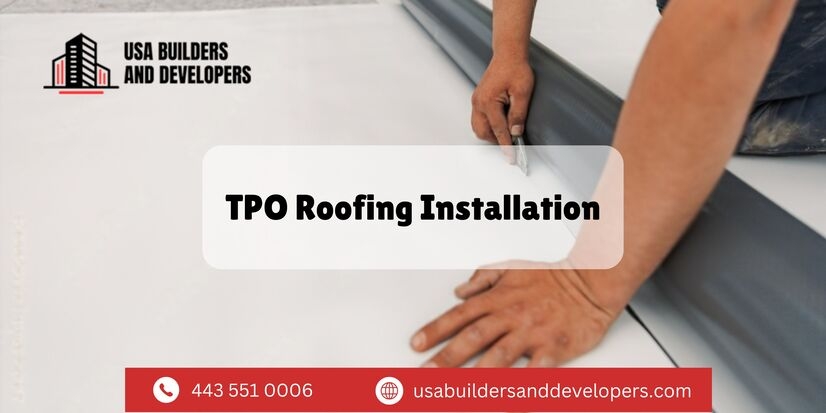
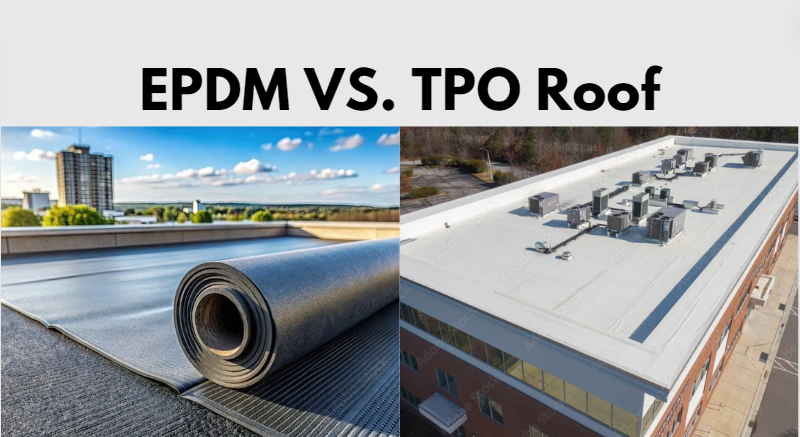
TPO (thermoplastic polyolefin) roofing is widely used for commercial buildings. It offers strong resistance to UV rays, chemical exposure, and punctures. TPO membranes are heat-welded at seams, creating a watertight surface that performs well over time.
EPDM Roofing Systems
EPDM is a rubber-based roofing membrane known for flexibility and durability. It performs well in temperature fluctuations and is commonly used on large flat roofs. EPDM systems are lightweight and relatively easy to maintain.
PVC Roofing Systems
PVC roofing provides excellent resistance to grease, chemicals, and moisture. This system is often used for restaurants, factories, and buildings with heavy rooftop equipment. PVC membranes are durable and energy efficient.
Modified Bitumen Roofing
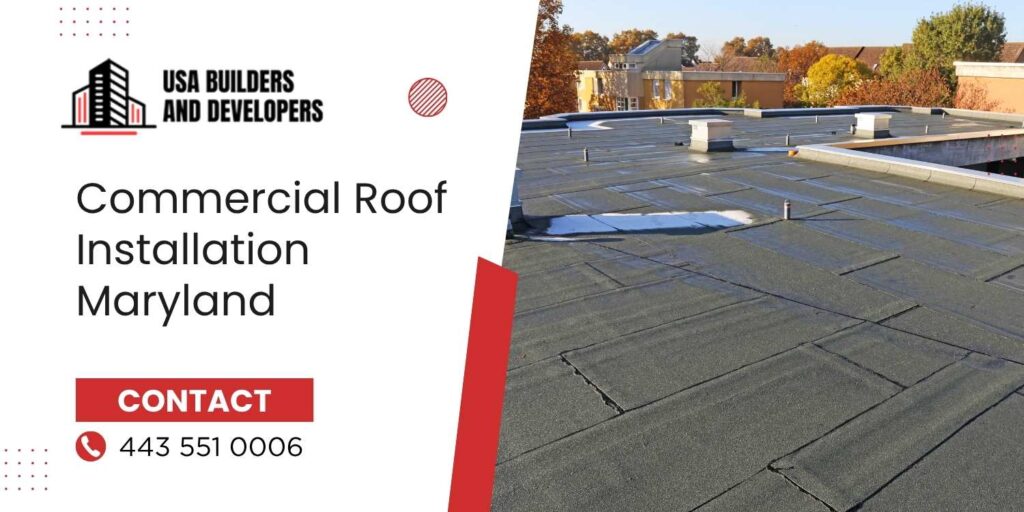
Modified bitumen roofing combines asphalt with reinforcing materials to improve strength and flexibility. It is installed in multiple layers and offers strong waterproofing for commercial properties.
Metal Commercial Roofing
Metal roofing systems are used for certain commercial buildings where longevity and durability are priorities. These systems offer long lifespans and strong resistance to weather, but installation costs can be higher.
Key Factors to Consider Before Commercial Roof Installation
Before starting a commercial roof installation project, business owners should evaluate several critical factors.
Building Structure
The size, slope, and load-bearing capacity of the building affect which roofing system can be installed. Some roofs may require structural reinforcement before installation begins.
Climate and Weather Exposure
Roofing materials must be selected based on temperature changes, rainfall, wind exposure, and seasonal conditions. Choosing the wrong system can shorten roof lifespan.
Energy Efficiency
Insulation and reflective roofing materials can significantly reduce heating and cooling costs. Energy-efficient roofing systems help maintain indoor comfort and lower utility expenses.
Budget and Long-Term Value
Initial cost is important, but long-term performance matters more. A cheaper system with frequent repairs may cost more over time than a higher-quality installation.
Commercial Roof Installation Process: Step by Step
Understanding the installation process helps business owners plan timelines and avoid disruptions.
Roof Inspection and Assessment
The process begins with a thorough inspection of the existing roof or structure. Contractors evaluate surface conditions, drainage, insulation needs, and any existing damage.
System Design and Material Selection
Based on inspection results, the appropriate roofing system is selected. This step includes planning insulation layers, membrane thickness, drainage placement, and flashing details.
Site Preparation
Before installation, old roofing materials may be removed, or a recovery system may be applied if permitted. The surface is cleaned, leveled, and prepared for new materials.
Installation of Insulation and Membrane
Insulation boards are installed first to improve energy efficiency and support the roofing membrane. The membrane is then rolled out, secured, and sealed according to system requirements.
Flashing and Detail Work
Roof edges, penetrations, drains, and seams are sealed with precision. Proper flashing prevents leaks and extends roof life.
Final Inspection
After installation, the roof is inspected to ensure all seams are sealed, drainage is functioning, and the system meets safety and performance standards.
How Long Does Commercial Roof Installation Take?
Project timelines vary based on:
- Roof size
- Roofing system type
- Weather conditions
- Building accessibility
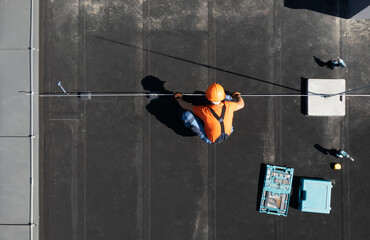
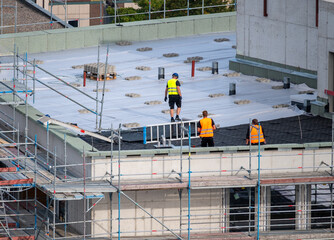
Smaller commercial roofs may take a few days, while large facilities can require several weeks. Proper planning helps minimize disruptions to daily operations.
Cost Factors in Commercial Roof Installation
Commercial roof installation costs depend on multiple variables rather than a single price point.
Key cost factors include:
- Roofing system type
- Roof size and complexity
- Insulation requirements
- Removal of existing roofing
- Labor and safety equipment
While upfront costs matter, long-term durability, energy savings, and reduced maintenance often provide greater value.
Average Roof Cost Estimates in Maryland
| Roof Type | Average Cost per Sq. Ft. | Estimated Total (10,000 sq. ft.) |
|---|---|---|
| EPDM | $5 – $8 | $50,000 – $80,000 |
| TPO | $6 – $10 | $60,000 – $100,000 |
| PVC | $7 – $12 | $70,000 – $120,000 |
| Metal | $10 – $20 | $100,000 – $200,000 |
| Modified Bitumen | $6 – $9 | $60,000 – $90,000 |
These are general estimates. Actual costs depend on your project’s scope, roof condition, and material choice.
Importance of Professional Installation
Improper installation is one of the leading causes of commercial roof failure. Even high-quality materials will fail if installed incorrectly.
Professional contractors ensure:
- Proper membrane attachment
- Correct drainage design
- Code compliance
- Manufacturer warranty protection
Experienced companies like USA Builders and Developers follow industry standards to ensure long-term performance and safety.
Maintenance After Commercial Roof Installation
Installation is only the beginning. Regular maintenance protects your investment and prevents premature failure.
Recommended maintenance practices include:
- Routine inspections
- Clearing debris from drains
- Checking seams and flashing
- Addressing minor issues early
A well-maintained commercial roof can last decades.
Signs You Need Commercial Roof Replacement Instead of Repair
In some cases, replacement is a better option than repeated repairs.
Common signs include:
- Widespread membrane damage
- Persistent leaks
- Saturated insulation
- Aging roofing system beyond service life
A professional evaluation helps determine the most cost-effective solution.
Choosing the Right Commercial Roofing Contractor
Selecting the right contractor is as important as choosing the right roofing system.
Look for:
- Proven commercial experience
- Proper licensing and insurance
- Clear communication
- Transparent project timelines
- Strong safety practices
A qualified roofing contractor ensures your commercial roof installation meets performance and compliance standards.
Long-Term Benefits of Quality Commercial Roof Installation
A properly installed commercial roof offers:
- Reliable weather protection
- Lower energy costs
- Reduced maintenance expenses
- Increased property value
- Peace of mind for business owners
Investing in quality installation protects both your building and your business operations.
What is the best roofing for a commercial building?
The best roofing for a commercial building depends on the structure, budget, and climate. Single-ply membranes like TPO and EPDM are often considered the best because they are durable, energy-efficient, and cost-effective for large commercial roofs.
Which roofing system is most used for commercial buildings?
Single-ply roofing systems are the most commonly used for commercial buildings. TPO roofing is especially popular due to its heat-reflective surface, strong seams, and long lifespan.
What are the layers of a commercial roof?
A commercial roof typically includes several layers that work together for protection and insulation:
- Roof deck
- Vapor barrier
- Insulation layer
- Waterproof membrane
- Protective surface or coating
Each layer plays a role in durability, energy efficiency, and moisture control.
What are the 5 types of roofs?
The five most common roof types used in commercial and residential construction are:
- Flat roofs
- Low-slope roofs
- Gable roofs
- Hip roofs
- Metal roofs
Commercial buildings most often use flat or low-slope roofing systems for efficiency and ease of maintenance.
Final Thoughts
Commercial roof installation is a critical decision that affects the safety, efficiency, and longevity of your business property. Understanding roofing systems, installation processes, and long-term maintenance allows business owners to make informed, confident choices.
For businesses operating in Maryland, working with experienced professionals and choosing the right materials ensures a roofing system built to perform under real-world conditions. A well-installed commercial roof is not just a structure, it is long-term protection for your investment.
Need Help with Your Next Project? Call USA Builders Today!
We’re here to help—quick answers, friendly service, anytime you need!