Exterior Waterproofing Methods are one of the most reliable ways to protect a home from moisture damage, basement leaks, and foundation problems. When water stays around the outside of a house, it can slowly weaken walls, damage the foundation, and create mold or musty odors inside. That is why long-term protection starts with stopping water before it gets into the structure.
For homeowners in Maryland, this matters even more. Rain, wet soil, and seasonal weather changes can all increase moisture around the home. A proper exterior waterproofing plan helps reduce that risk and protects the property over time. At USA Builders and Developers, the focus should always be on solving the source of the water problem, not just covering the signs of damage.
Why Exterior Waterproofing Methods Matter
Many homeowners first notice water problems inside the home. They may see peeling paint, damp basement walls, or a musty smell. But the real issue often begins outside, where water collects around the foundation and puts pressure on the structure.
Exterior waterproofing helps prevent that problem by keeping water away from the home and reducing the chance of moisture getting through foundation walls. This gives better long-term protection than weak patchwork fixes.
Common problems caused by poor exterior waterproofing include:
- basement leaks
- foundation cracks
- mold and mildew growth
- damaged interior walls
- moisture stains and musty odors
When these problems are ignored, repair costs usually become much higher later.
Main Exterior Waterproofing Methods
The best waterproofing plan often includes more than one method. A single product is not always enough. Long-term results usually come from combining wall protection, drainage control, and proper water management around the home.
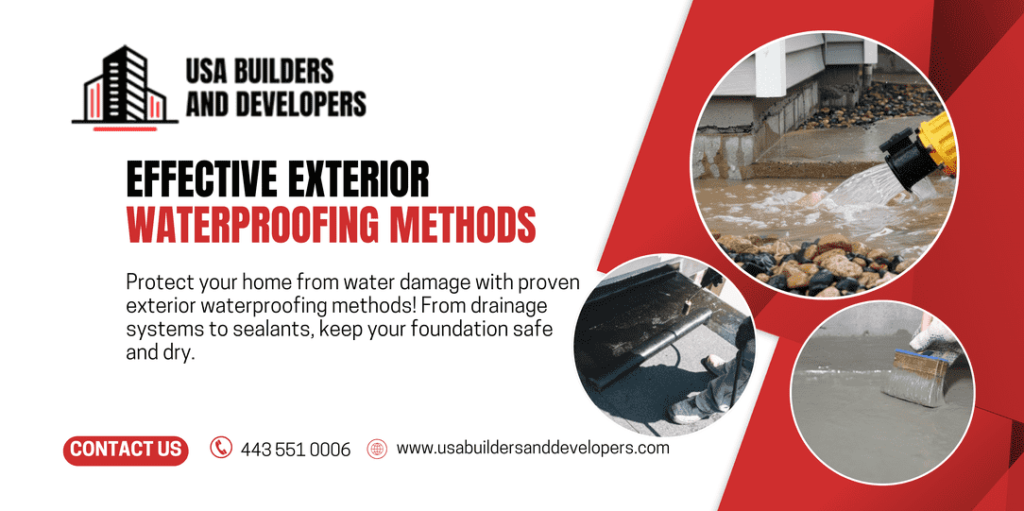
The most common Exterior Waterproofing Methods include:
- exterior waterproof membranes
- drainage systems
- proper yard grading
- foundation crack repair
- gutter and downspout control
Exterior Waterproof Membranes
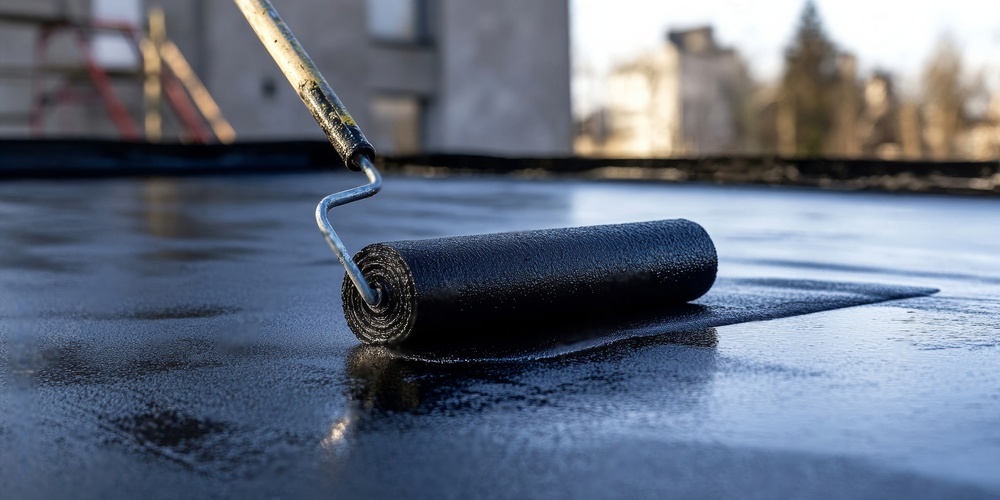
One of the most effective methods is applying a waterproof membrane to the outside of the foundation. This usually requires excavation around the home so the exterior wall can be exposed and treated properly.
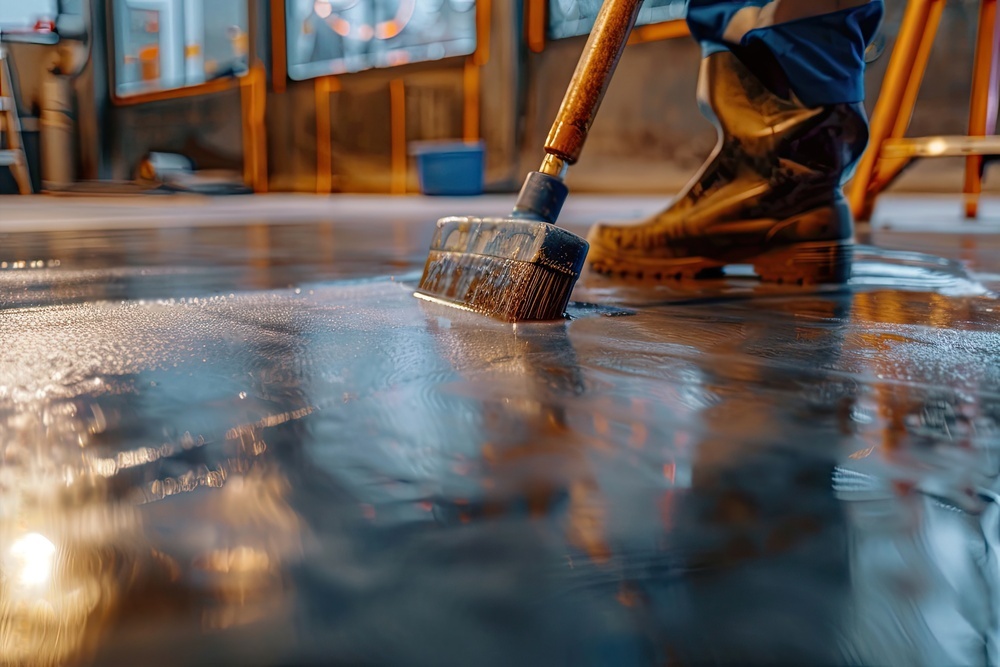
After the surface is cleaned and repaired, the membrane is installed to create a barrier against moisture. This helps block water before it passes through the foundation wall. It is one of the strongest options for foundation waterproofing because it protects the structure directly at the point of contact with wet soil.
This method is often a smart choice for homes with repeated leaks or long-term moisture issues.
Main benefits of exterior waterproof membranes:
- creates a strong barrier against water
- helps protect foundation walls for the long term
- works well with other drainage solutions
- supports better basement moisture control
A membrane alone is not always enough, but it is a major part of a complete system.
Exterior Drainage Systems
Sealing the outside wall is important, but water also needs a place to go. If water keeps collecting around the home, pressure can build against the foundation and increase the risk of leaks.
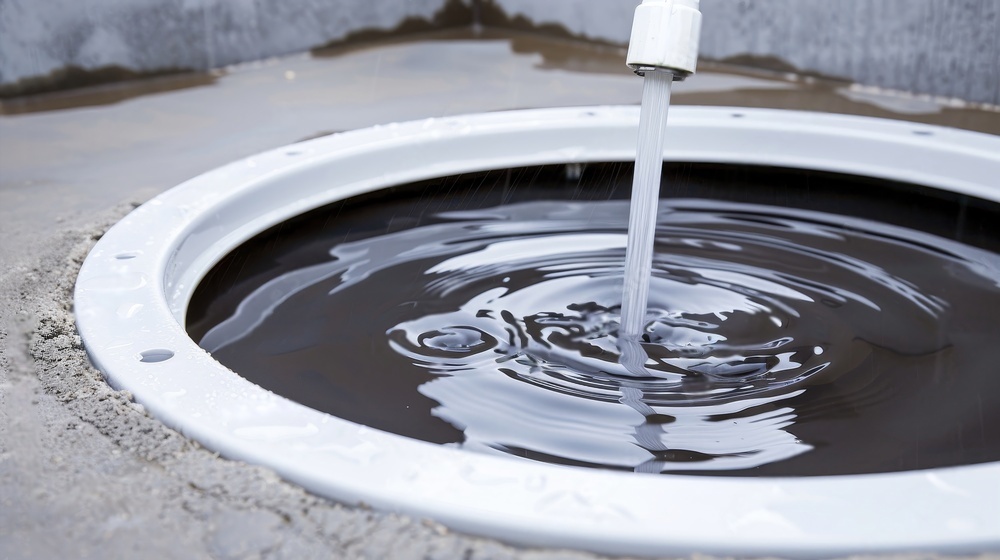
That is why drainage systems are such an important part of Exterior Waterproofing Methods. A perimeter drain or French drain installation is often used to move water away from the structure before it can cause damage.
Good drainage helps lower water pressure around the home and keeps the foundation area drier. It also improves the performance of other waterproofing materials.
A proper exterior drainage system can help:
- move water away from the foundation
- reduce moisture buildup near basement walls
- lower hydrostatic pressure
- improve long-term waterproofing performance
Without drainage control, even a sealed wall may still face ongoing water stress.
Foundation Crack Repair
Cracks in the foundation can become direct entry points for water. Even small cracks can let moisture in over time, especially during heavy rain or when soil stays wet for long periods.
That is why crack repair should be done before waterproofing materials are applied. A waterproofing system needs a strong surface underneath it. If cracks are ignored, the protection will be weaker and less reliable.
Foundation crack repair is especially important for older homes, where settling and weather exposure may have already caused minor damage.
This step helps by:
- sealing weak points in the foundation
- improving the strength of the waterproofing system
- reducing the risk of future leaks
- supporting long-term structural protection
A strong system should never be built over untreated cracks.
Gutter and Downspout Control
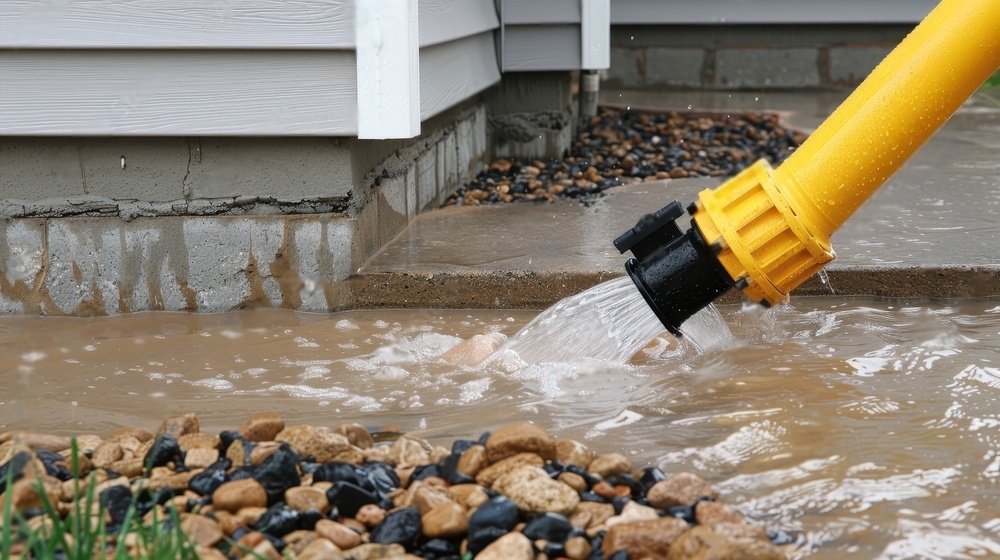
Roof water is another major cause of moisture problems around a home. If gutters are clogged or downspouts release water too close to the foundation, the soil near the house can stay wet for long periods.
That constant moisture puts more pressure on the foundation and increases the chance of leaks. Clean gutters and properly extended downspouts help move water away from the structure and support better drainage around foundation areas. This part of waterproofing is often ignored, but it matters more than many homeowners think.
Good gutter and downspout control helps:
- reduce water buildup near the home
- protect the foundation area from roof runoff
- support exterior drainage performance
- lower the risk of basement moisture problems
Sometimes the issue is not the wall itself. Sometimes it is poor roof runoff control.
How to Choose the Right Method
Not every home needs the same waterproofing solution. The best choice depends on the source of the water problem, the condition of the foundation, and how serious the moisture issue has become.
A home with pooling surface water may need grading and drainage correction. A home with repeated basement leakage may need excavation, membrane installation, and crack repair. In many cases, the best result comes from using more than one method together.
When choosing the right solution, it helps to look at:
- where the water is coming from
- whether the foundation has cracks or damage
- how often moisture problems happen
- how much water collects near the home
Final Thoughts
Exterior Waterproofing Methods are one of the smartest ways to protect a home for the long term. A complete system can help prevent moisture damage, reduce basement leaks, and protect the foundation from ongoing water exposure.
The best results usually come from combining several methods, including waterproof membranes, drainage systems, grading correction, crack repair, and proper gutter control. These methods work together to keep water away from the structure and reduce the risk of expensive future damage.
For homeowners in Maryland, investing in a strong exterior waterproofing plan is a practical step toward better home protection. USA Builders and Developers should always approach this kind of work with a focus on durability, proper planning, and long-term results.
Have Questions? Call Us Now!
We’re here to help—quick answers, friendly service, anytime you need!



Contact USA Builders and Developers
🌐 Website: www.usabuildersanddevelopers.com
📍 Serving: Baltimore, Betheda, Silver spring, and Montgomery Maryland
📌 Address: 2144 Priest Bridge Court, Suite 8, Crofton, MD 21114, USA