Properly installed vinyl siding can improve the look of a home while protecting it from moisture, wind, and changing temperatures. It is a popular choice for homeowners because it is durable, affordable, and easy to maintain.
Before starting a siding project, it helps to understand the material, installation process, costs, and long-term maintenance. Homeowners should also know the advantages and limitations of vinyl siding before choosing it for their property.
This guide covers everything you need to know about vinyl siding installation, including the different siding styles, installation steps, benefits, costs, maintenance requirements, and signs that it may be time to replace old siding.
What Is Vinyl Siding?
Vinyl siding is an exterior wall covering made mainly from polyvinyl chloride (PVC). It protects exterior walls from normal weather exposure while improving the appearance of a home.
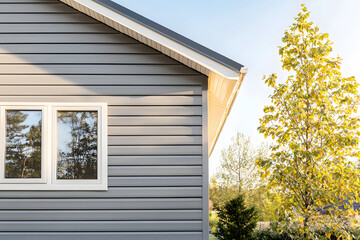
Vinyl siding is lightweight and resistant to moisture. It is also available in many colors, textures, and styles. Modern vinyl siding can even create the appearance of wood siding without the same painting and sealing requirements.
Common vinyl siding styles include:
- Horizontal lap siding
- Dutch lap siding
- Board and batten siding
- Shake or shingle siding
- Insulated vinyl siding
Each style has a different appearance. The right option depends on the home’s design, budget, and the look the homeowner wants to achieve.
Why Is Vinyl Siding Installation Popular?
Many homeowners choose vinyl siding because it combines affordability, durability, and low maintenance.
Compared with some other exterior materials, vinyl siding does not require regular painting or staining. It can also provide reliable protection when it is installed with the proper weather barrier, flashing, trim, and drainage details.
Key Benefits of Vinyl Siding
Low Maintenance
Vinyl siding does not need regular painting or staining. Basic cleaning with water and mild detergent can help remove dirt and debris.
Durability
Quality vinyl siding can handle normal exposure to rain, wind, and sunlight. However, panels can still crack or become damaged by strong impacts, so regular inspections are important.
Affordable Exterior Upgrade
Vinyl siding is often less expensive than premium siding materials. The final price still depends on the size of the home, siding type, labor, and preparation work.
Energy Efficiency Options
Insulated vinyl siding includes a foam backing that can add insulation to the exterior wall system. It may help improve indoor comfort and reduce heat transfer.
Many Design Options
Homeowners can choose from different colors, profiles, textures, and finishes. This makes vinyl siding suitable for many home styles.
Vinyl Siding Pros and Cons
Vinyl siding can be a practical choice, but it is not ideal for every home. Understanding both the advantages and disadvantages can help homeowners make a better decision.
Pros of Vinyl Siding
- Low maintenance
- Many colors and styles
- Resistant to moisture and rot
- Lightweight
- Generally affordable
- Does not require regular painting
- Insulated options are available
- Easy to clean
Cons of Vinyl Siding
- Panels can crack from strong impacts
- Color can fade over time
- Poor installation can lead to water problems
- Older siding can become brittle
- Matching discontinued colors can be difficult
- Some homeowners prefer the appearance of wood or fiber cement
The quality of the product and the installation both matter. Proper installation is especially important because vinyl siding is designed to move slightly as temperatures change.
Vinyl Siding Installation Process
A professional vinyl siding installation involves more than attaching panels to the exterior wall. The surface must be prepared correctly, and areas around windows, doors, corners, and other openings need proper protection.
Here is what the process generally involves.
1. Inspect and Prepare the Exterior
The first step is to inspect the existing exterior.
Contractors look for:
- Damaged wall materials
- Rot or decay
- Loose boards
- Moisture damage
- Uneven surfaces
- Problems with existing siding
Any major problems should be addressed before new siding is installed. A weather-resistant barrier or house wrap is commonly used behind the siding. Proper flashing around windows and doors also helps direct water away from the wall assembly.
2. Install the Starter Strip
The starter strip is installed along the bottom of the wall. It provides the base for the first row of siding panels. This strip needs to be level. If the first row is not straight, the problem can become more noticeable as additional rows are installed. Contractors use measurements and chalk lines to establish a straight starting point.
3. Install Corner Posts
Corner posts are placed at the outside corners of the home. They create a finished edge and provide a secure connection for the siding panels. Proper spacing is also important because vinyl siding expands and contracts with temperature changes.
4. Install J-Channels and Trim
J-channels and other trim pieces are installed around windows, doors, and other openings. These components help hold the siding in place and create a finished appearance. Proper flashing should also be used around openings to help manage water.
5. Install the Vinyl Siding Panels
The siding panels are installed from the bottom of the wall upward. Each panel connects with the panel below it.
During this stage, installers need to make sure:
- Panels remain level
- Fasteners are installed correctly
- Panels have room for movement
- Seams are positioned properly
- Openings around windows and doors are properly detailed
Vinyl siding should not be fastened so tightly that it cannot move. Allowing the panels to move with temperature changes helps reduce the risk of buckling and other installation problems.
6. Finish the Top Sections
The final panels are secured with the appropriate finishing trim. Installers then inspect the completed siding. They check the alignment, seams, trim, corners, and other details before completing the project.
How Long Does Vinyl Siding Last?
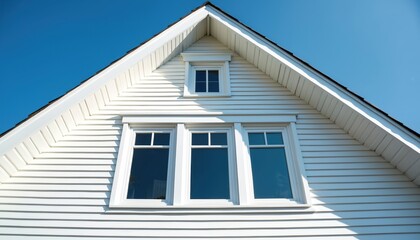
The lifespan of vinyl siding depends on the product quality, installation, weather exposure, and maintenance. Many vinyl siding systems can last around 20 to 40 years when properly installed and maintained. However, individual panels may need repair or replacement sooner if they are damaged by impact or severe weather. Regular inspections can help homeowners identify problems before they affect larger areas of the exterior.
Signs Your Vinyl Siding Needs Replacement
Not every damaged siding panel requires a full replacement. Small areas can sometimes be repaired. However, widespread damage may indicate that the siding system needs to be replaced.
Look for signs such as:
- Cracked or broken panels
- Warped or buckled siding
- Loose panels
- Large areas of fading
- Repeated siding repairs
- Moisture problems behind the siding
- Rot or damage to the wall underneath
- Siding that has reached the end of its expected lifespan
If these problems appear across a large portion of the home, it may be more practical to consider new siding rather than repeated repairs.
Vinyl Siding Installation Cost
The vinyl siding installation cost varies from one home to another. There is no single price that applies to every project. The total cost can depend on the wall area, siding material, labor, removal of old siding, repairs, insulation, trim, and the complexity of the home.
Current Maryland cost guides show that installed vinyl siding can commonly fall within a broad per-square-foot range, with total project costs varying significantly by home size and project conditions.
For planning purposes, homeowners may see full-home vinyl siding projects in the $6,000 to $16,000+ range, but an actual quote can be lower or higher depending on the property.
Factors That Affect Vinyl Siding Installation Cost
Several factors can change the final price:
- Size of the home
- Total exterior wall area
- Type and quality of vinyl siding
- Insulated vs. standard siding
- Labor costs
- Removal of existing siding
- Repairs to the wall underneath
- House wrap or weather barrier upgrades
- Number of windows and doors
- Trim and decorative details
- Number of stories
- Access to the exterior
Older homes can sometimes require additional preparation after the existing siding is removed. Hidden moisture damage or deteriorated materials may also increase the project cost. For this reason, homeowners should compare detailed estimates instead of choosing a contractor based only on the lowest initial price.
Vinyl Siding vs. Other Siding Materials
Vinyl is only one of several siding options available to homeowners.
Vinyl Siding vs. Wood Siding
Vinyl requires less maintenance than traditional wood siding. Wood can provide a natural appearance, but it usually needs more regular painting, staining, and maintenance.
Vinyl Siding vs. Fiber Cement
Fiber cement siding is heavier and usually costs more to install. It can provide a different appearance and strong durability, while vinyl is generally chosen for its lower maintenance and more affordable installation.
Vinyl Siding vs. Aluminum
Both materials are relatively low maintenance. However, vinyl offers a wider range of modern styles and colors, while aluminum can be more prone to dents. The best siding material depends on the home’s design, budget, maintenance expectations, and long-term goals.
Maintenance Tips for Vinyl Siding
Vinyl siding does not require extensive maintenance, but basic care can help preserve its appearance.
Simple Maintenance Tips
- Clean the siding at least once a year.
- Remove dirt, dust, and debris.
- Inspect panels for cracks or damage.
- Check for loose or separated panels.
- Look around windows and doors for moisture.
- Keep gutters and downspouts working properly.
- Repair damaged areas as soon as possible.
Avoid harsh cleaning methods that could damage the siding surface. When cleaning, follow the siding manufacturer’s recommendations.
Professional Vinyl Siding Installation in Maryland
Choosing an experienced contractor is important for a successful siding project. Poor installation can result in loose panels, water infiltration, buckling, and other problems. A professional contractor can inspect the existing exterior, identify preparation issues, recommend suitable siding options, and install the siding according to the product requirements.
USA Builders and Developers provides professional siding services in Maryland. The company helps homeowners improve the appearance and protection of their homes with quality siding solutions.
Professional installation can help ensure that the siding, trim, flashing, and weather protection are properly installed for long-term performance.
Frequently Asked Questions About Vinyl Siding
Is vinyl siding good for Maryland homes?
Vinyl siding can be a practical option for many Maryland homes. It is low maintenance and available in many styles. However, homeowners should consider the property’s exposure, existing wall condition, local requirements, and the quality of the siding product.
How much does vinyl siding installation cost?
Vinyl siding installation can vary widely depending on home size, material, labor, removal, repairs, and other project requirements. A broad planning range for a full project is around $6,000 to $16,000 or more, but homeowners should get a property-specific estimate.
How long does vinyl siding last?
Properly installed vinyl siding can last around 20 to 40 years. Product quality, installation, weather exposure, and maintenance can affect its lifespan.
Does vinyl siding require painting?
No. One of the main advantages of vinyl siding is that it does not normally require regular painting. Cleaning the surface periodically can help maintain its appearance.
Can damaged vinyl siding be repaired?
Yes. Individual damaged panels can often be replaced without replacing the entire siding system. However, widespread cracking, warping, moisture damage, or aging may make full replacement a better option.
Is insulated vinyl siding worth it?
Insulated vinyl siding costs more than standard vinyl siding, but it adds a layer of rigid foam insulation behind the panels. It may be worth considering when homeowners want additional insulation and improved exterior performance.
Final Thoughts
Vinyl siding installation can be a practical way to improve a home’s appearance while adding protection from everyday weather. It offers low maintenance, many design options, and a relatively affordable installation compared with some other siding materials.
Before choosing vinyl siding, homeowners should consider the condition of the existing exterior, the expected lifespan, maintenance needs, and total project cost.
Understanding the installation process and cost factors can make it easier to plan the project and compare estimates. With proper preparation, professional installation, and regular maintenance, vinyl siding can provide attractive and reliable exterior protection for many years.
Have Questions? Call Us Now!
We’re here to help—quick answers, friendly service, anytime you need!