A commercial roof does not have to fail before you protect it. For many flat and low-slope buildings, roof coating can add useful years of service for far less than a full tear-off. It is not a magic fix, though, and the wrong choice can waste money.
Roof coating is a liquid layer applied over a sound roof to seal it, reflect heat, and slow aging. It works best on roofs that are still dry and in fair shape. Typical installed prices run from about $1 to $5 per square foot.
This guide is written mainly for owners and facility managers of commercial low-slope roofs in the USA, such as warehouses, retail centers, schools, and offices. Homeowners with flat roofs can use it too.
What Is Roof Coating and How Does It Work?
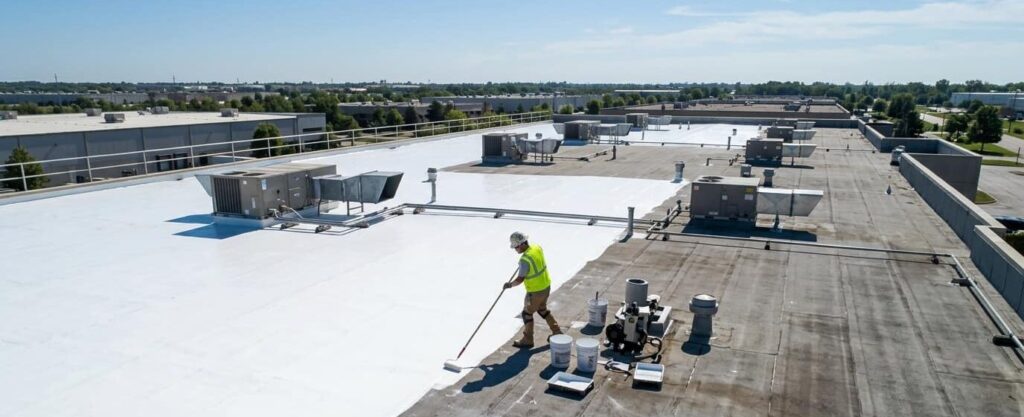
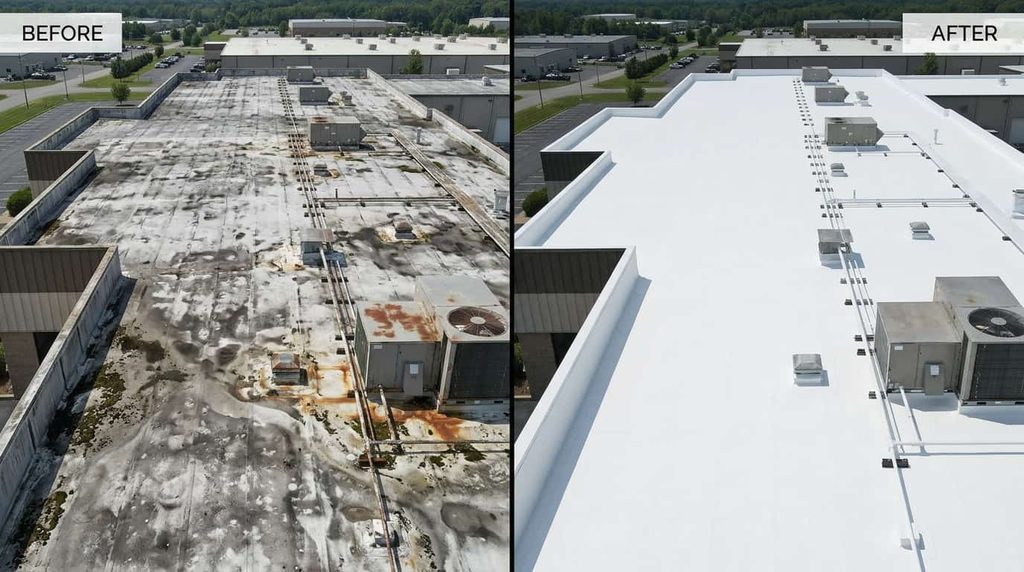
Roof coating is a liquid product rolled or sprayed over an existing roof. It dries into a seamless, waterproof, and often reflective layer. The coating bonds to the surface, seals small cracks and seams, and shields the roof from sun and rain. It adds protection but does not replace damaged roofing materials or wet insulation.
Think of it as a protective skin. Sunlight, ponding water, foot traffic, and hot-and-cold swings slowly wear down a roof surface. A coating takes much of that wear instead. White and light-colored products also reflect sunlight, which can lower roof surface temperature. Always follow the manufacturer’s product data sheet for approved surfaces, thickness, and curing.
What Are the Main Benefits of Roof Coating?
The main benefits are added waterproofing, longer roof life, lower surface heat, and less waste than a tear-off. A coating can also be cheaper and cause less disruption to tenants. The benefits depend on the roof’s condition before coating and on correct installation.
- Seals seams, pinholes, and hairline cracks
- Can extend roof life by several years on a good candidate roof
- Reflects sunlight and may reduce cooling demand
- Creates less landfill waste than a tear-off
- Lets tenants stay in the building during work
The limits: A coating cannot fix wet insulation, a sagging deck, or failed flashing. It does not make an old roof new. Warranty terms depend on the manufacturer and the installer.
Is Roof Coating Right for Commercial Low-Slope Roofs?
Yes, if the roof is mostly dry, firmly attached, and has no major structural problems. Commercial roof coating suits low-slope systems like metal, TPO, EPDM, modified bitumen, and built-up roofs. It is a poor fit when insulation is soaked or the membrane is badly blistered or torn.
Low-slope roofs have a gentle pitch, so water drains slowly and ponding is common. That makes drainage checks and product choice very important.
Good candidates:
- Dry insulation and a sound deck
- Faded, chalky, or lightly worn surface
- Small cracks or seam gaps
Poor candidates:
- Wet insulation or large blisters
- Open splits or a sagging deck
- Repeated leaks in the same spot
- Old coating layers that are peeling
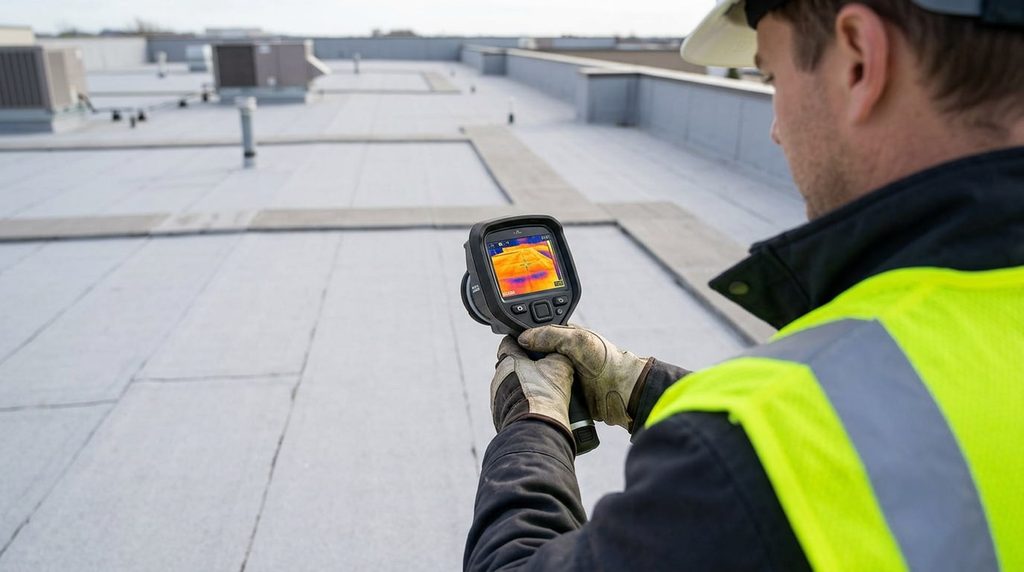
A moisture survey (infrared scan, nuclear gauge, or core samples) is the safest way to know.
What Are the 6 Types of Roof Coating?
The six common types of roof coating are acrylic, silicone, polyurethane, elastomeric, asphalt, and butyl. Each one suits different roof materials, weather, and budgets. Silicone handles standing water well, acrylic costs less, and polyurethane resists foot traffic. The best choice depends on your roof type and local climate.
Quick note: “elastomeric” describes how a coating stretches. Many acrylic and silicone products are elastomeric too. We list it separately because many suppliers label it that way.
1. Acrylic Roof Coating
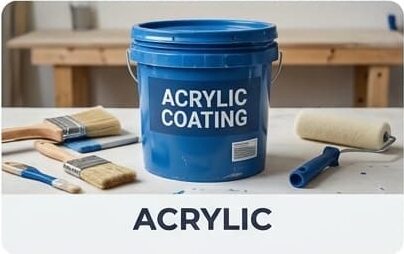
Acrylic roof coating is a water-based, usually white coating that reflects sunlight and costs less than most options.
- Best for: metal and spray foam roofs where water drains well
- Pros: low cost, reflects heat, easy to apply
- Watch out: long-term standing water can weaken it, and it needs dry weather to cure because early rain can wash it off
2. Silicone Roof Coating
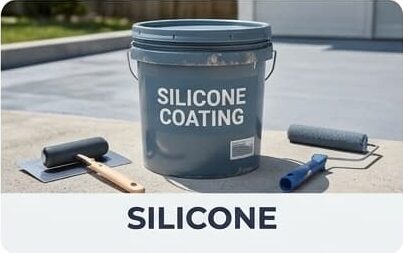
Silicone roof coating is a flexible, highly water-resistant coating that handles ponding water better than most types.
- Best for: low-slope roofs with ponding water
- Pros: strong UV resistance, stays flexible, may not need a primer on some surfaces
- Watch out: it costs more than acrylic, dirt can stick to it, and most other coatings will not bond to it later, so recoating options are limited
3. Polyurethane Coating
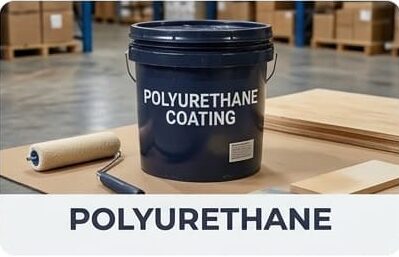
Polyurethane is a tough coating that handles foot traffic and impact better than softer options.
- Best for: rooftops with equipment, walkways, or hail risk
- Pros: very durable, impact and abrasion resistant
- Watch out: it costs more, and aromatic types usually need a UV-stable topcoat, so follow the manufacturer’s system instructions closely
4. Elastomeric Coating
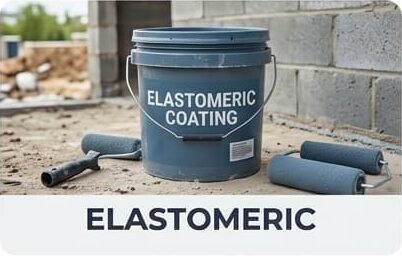
Elastomeric coating stretches and shrinks with the roof as temperatures change, which helps it bridge hairline cracks.
- Best for: climates with big temperature swings
- Pros: flexible, reflective, cost-effective
- Watch out: many elastomeric products are acrylic-based, so they share acrylic’s weakness to long-term standing water
5. Asphalt Coating
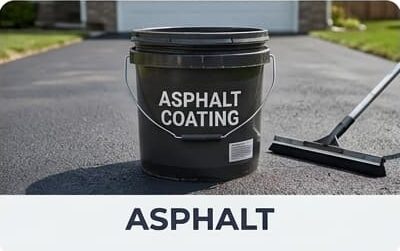
Asphalt coating is a low-cost, black coating made from bitumen that gives a strong moisture barrier.
- Best for: built-up and modified bitumen roofs in cooler regions
- Pros: low cost, strong waterproofing
- Watch out: it absorbs heat and can wear faster in strong sun
6. Butyl Coating
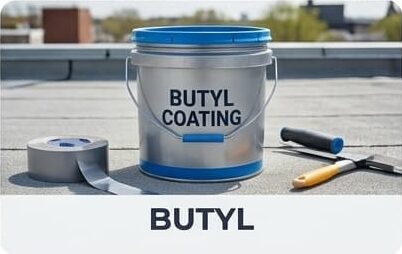
Butyl coating is a rubber-based product known for strong adhesion and very good waterproofing, even in cold weather.
- Best for: metal, EPDM, and concrete roofs with ponding water
- Pros: excellent adhesion, handles standing water well
- Watch out: it is usually priced higher and has strong odors, so ventilation and safety planning matter
How Do the 6 Coating Types Compare?
Silicone and butyl handle standing water best, acrylic and asphalt cost the least, and polyurethane is the toughest underfoot. No single type wins everywhere. The table gives a quick side-by-side view, but always confirm compatibility with your existing roof surface before choosing.
| Type | Best For | Ponding Water | UV / Heat | Relative Cost | Main Limit |
|---|---|---|---|---|---|
| Acrylic | Sloped or draining metal roofs | Poor | Good, reflective | Low | Not for standing water |
| Silicone | Low-slope roofs with ponding | Very good | Very good | Medium–High | Dirt pickup, hard to recoat |
| Polyurethane | Traffic areas, hail zones | Good | Good (aliphatic) | High | Higher cost, system rules |
| Elastomeric | Big temperature swings | Poor–Fair | Good | Low–Medium | Same ponding limit as acrylic |
| Asphalt | Built-up, mod-bit, cool climates | Fair | Poor | Low | Absorbs heat |
| Butyl | Metal, EPDM, concrete | Very good | Good | High | Odor, solvents |
Ratings are general. Specific products vary, so check each data sheet.
How Much Does Roof Coating Cost?
Roof coating cost usually ranges from about $1 to $5 per square foot installed in the USA, based on coating type, roof size, repairs needed, and region. A simple acrylic job sits at the low end. Silicone, polyurethane, and butyl systems usually cost more. Always get written quotes.
| Type | Rough Installed Range (per sq ft) |
|---|---|
| Acrylic | $1.00 – $2.50 |
| Elastomeric | $1.00 – $3.00 |
| Asphalt | $0.75 – $2.50 |
| Silicone | $2.00 – $4.50 |
| Polyurethane | $2.50 – $5.00 |
| Butyl | $2.50 – $5.00 |
These are planning ranges only. Prices change with materials, labor, and location.
What changes the price: repairs needed, roof size and access, number of coats, film thickness (measured in mils), primer, seam reinforcement, local labor rates, and warranty level. The cheapest price per square foot is not always the cheapest per year of added life, so compare both.
Roof Coating vs Replacement: Which Is Better?
Roof coating vs replacement comes down to condition. Coating is usually better when the roof is dry, solid, and only showing surface wear. Replacement is better when insulation is wet, the deck is damaged, or the membrane has failed widely. Coating saves money only if the roof is a good candidate.
| Factor | Coating | Replacement |
|---|---|---|
| Upfront cost | Lower | Higher |
| Tenant disruption | Low | Higher |
| Fixes wet insulation | No | Yes |
| Waste | Minimal | Tear-off debris |
| Added life | Several years (varies) | A new roof system |
| Best when | Dry roof, surface wear | Widespread failure |
Example scenario (illustrative only): A 20,000 sq ft metal-roof warehouse has faded paint, small seam leaks, and dry insulation. Coating at $2 to $3 per square foot would run roughly $40,000 to $60,000, while full replacement often costs several times more. But if a moisture survey finds wet insulation under half the roof, the answer changes.
Still unsure? See our roof repair vs replacement guide.
How Do You Prepare a Roof for Coating?
Preparation decides whether a coating lasts for years or peels within months. Clean the roof, fix leaks and loose seams, test for trapped moisture, and check adhesion with a small test patch. Skipping these steps is the most common reason a coating fails early.
Pre-coating checklist:
- Inspect the full roof and mark problem areas
- Run a moisture survey
- Power wash dirt, mildew, and chalking
- Repair splits, blisters, loose flashing, and failed seams
- Clear drains, scuppers, and gutters
- Test adhesion on a small area
- Apply primer or seam reinforcement if the manufacturer requires it
- Confirm the weather window and product temperature limits
- Review the data sheet and warranty requirements
- Protect HVAC units, walls, vents, and parked cars from overspray
What Weather Is Best for Coating a Roof?
Most coatings need dry, mild weather: usually above about 50°F, with no rain expected for at least 24 hours. Exact limits differ by product, so follow the manufacturer’s data sheet. Applying in the wrong conditions can cause poor curing, bubbling, or washout.
Local weather changes the plan:
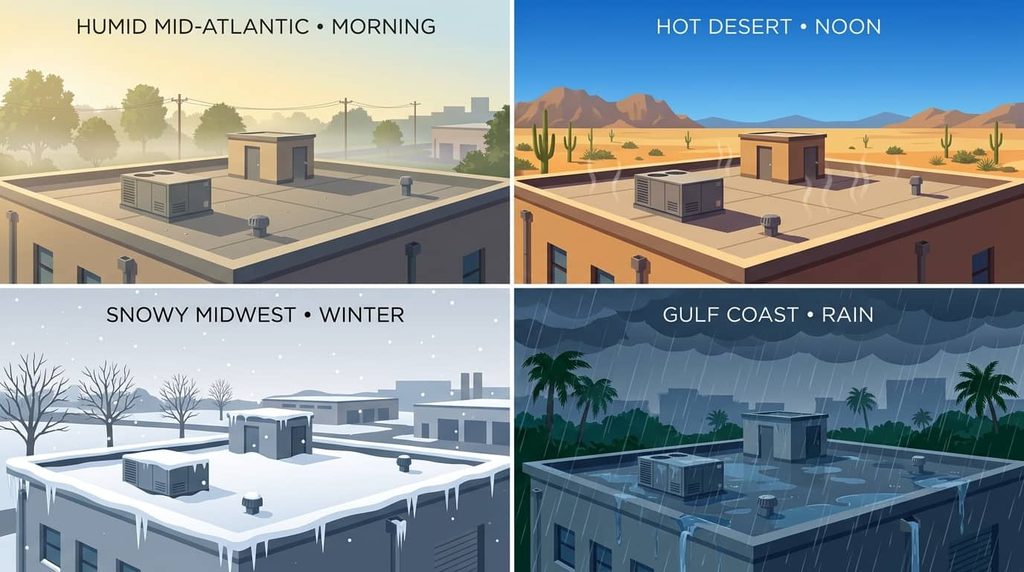
- Mid-Atlantic (like Maryland): Humid summers, morning dew, and sudden thunderstorms. Spring and early fall are often the best windows. Wait for dew to dry.
- Southwest (Arizona, Nevada): Intense sun and heat. Reflective coatings add value, but work early in the day so the surface is not too hot.
- Northeast and Midwest: Freeze-thaw cycles and snow. The working season is shorter, so plan ahead.
- Gulf Coast and Florida: Heavy afternoon rain and storms. Allow full curing time before wet weather.
Risks to remember: Wind can cause overspray, high humidity slows curing, and a coating does not improve wind-uplift resistance.
What Are the Most Common Coating Mistakes?
The most common mistakes are coating a wet roof, skipping cleaning, applying too thin, choosing the wrong type for ponding water, and ignoring manufacturer instructions. These errors cause peeling, blisters, and early failure. Most of them are avoidable with proper testing, planning, and a qualified installer.
- Coating over wet insulation: It traps moisture and the problem gets worse.
- Wrong product for ponding: Acrylic over standing water is a classic failure.
- Skipping the adhesion test: Surfaces vary, and compatibility is not guaranteed.
- Applying too thin: Thickness must match the data sheet.
- Mixing incompatible products: Most products will not stick to silicone.
- Choosing by price only: The lowest bid may skip prep.
How Often Should You Inspect a Coated Roof?
Inspect a coated roof at least twice a year, usually in spring and fall, and after major storms. Look for cracks, peeling, ponding, and clogged drains. Regular checks catch small problems early. Many manufacturers also require documented maintenance to keep the warranty valid.
Walk the roof after hail, high wind, or heavy snow. Check seams, flashings, and penetrations, and take dated photos for your records. Recoat timing depends on product, thickness, and exposure, so ask the manufacturer for guidance.
What Should You Ask a Roof Coating Contractor?
Ask about the coating brand, required thickness, preparation steps, moisture testing, warranty terms, and proof of insurance and licensing. A good contractor answers clearly, explains limits, and follows manufacturer specs. If someone promises a coating will fix every problem, treat that as a red flag.
Questions to ask:
- Are you an approved applicator for this manufacturer?
- Will you test for wet insulation before quoting?
- What thickness and how many coats will you apply?
- What prep and primer are included?
- Does the warranty cover materials only, or labor too?
- How do you handle weather delays?
- Can you show similar low-slope commercial projects?
At USA Builders and Developers, we answer these questions in writing before any job starts, so you know exactly what you are paying for.
Frequently Asked Questions
How Long Does Roof Coating Last?
Many manufacturers rate quality systems for about 10 to 20 years, but real results vary. Thickness, roof condition, climate, and maintenance all matter. Thin acrylic coats in harsh sun may need recoating sooner. Check the product warranty and expect to recoat or maintain it over time.
Can You Apply a New Coating Over an Old One?
Sometimes. The old coating must be clean, firmly bonded, and compatible with the new product. Peeling or chalky layers must be removed first. Most products will not stick well to silicone, so test adhesion on a small area and follow the manufacturer’s guidance before recoating.
Does a Coating Stop Roof Leaks?
It can stop small leaks from hairline cracks, pinholes, and open seams, especially when reinforced with fabric or mastic. It will not fix leaks caused by failed flashing, damaged decks, or saturated insulation. Locate and repair the leak source first, then coat.
Can Roof Coating Lower Energy Bills?
Reflective coatings can lower roof surface heat and reduce cooling demand, especially in hot, sunny regions with air-conditioned buildings. Savings depend on insulation, climate, roof color, and dirt buildup. In cold regions, benefits are smaller. Look for ENERGY STAR or Cool Roof Rating Council ratings.
Is Roof Coating Worth It for Commercial Buildings?
Often yes, when the roof is dry and structurally sound. It can delay a costly replacement and cause little disruption to tenants. It is not worth it on roofs with widespread damage. A moisture survey and a written quote help you compare coating against replacement fairly.
Is Roof Coating the Right Choice for Your Building?
Roof coating is a smart choice when your low-slope roof is dry, repairable, and still structurally sound. It is not a cure-all. Match the coating type to your roof and climate, prepare the surface well, and follow manufacturer guidance. An honest inspection is the best first step.
Get a Straight Answer About Your Roof
Not sure if coating, repair, or replacement fits your building? USA Builders and Developers will inspect your roof, test for moisture, and tell you honestly what makes sense, even if the answer is “don’t coat it yet.”
[Request Your Free Roof Inspection]
Have Questions? Call Us Now!
We’re here to help—quick answers, friendly service, anytime you need!