
Vinyl siding has become one of the most popular exterior cladding options for residential properties due to its durability, low maintenance, and attractive appearance. Homeowners looking to improve curb appeal while protecting their homes from weather damage often choose vinyl siding installation as a long-term exterior upgrade.
Properly installed vinyl siding not only enhances the look of a home but also protects the structure from moisture, wind, and temperature fluctuations. Understanding the installation process, benefits, and costs helps homeowners make informed decisions when planning exterior improvements.
This guide explains everything you need to know about vinyl siding installation, including how the process works, the advantages of vinyl siding, and the typical cost factors involved.
What Is Vinyl Siding?
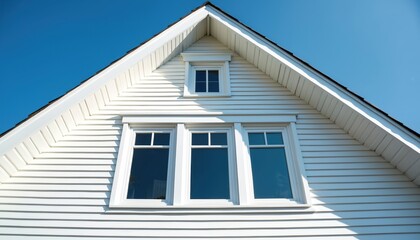
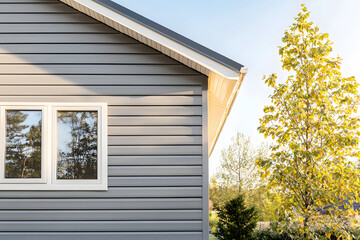
Vinyl siding is an exterior wall covering made from polyvinyl chloride (PVC) designed to protect homes from environmental elements while improving the appearance of the building. It is commonly used in residential construction because it is durable, lightweight, and resistant to moisture and pests.
Modern vinyl siding is available in many styles, textures, and colors, allowing homeowners to achieve the appearance of traditional wood siding without the maintenance requirements.
Common vinyl siding styles include:
- Horizontal lap siding
- Dutch lap siding
- Board and batten siding
- Shake or shingle siding
- Insulated vinyl siding
Each style offers different aesthetic and performance benefits depending on the architectural design of the home.
Why Vinyl Siding Installation Is Popular
Many homeowners prefer vinyl siding installation because it offers a balance between durability, affordability, and visual appeal. Compared to traditional wood siding or other exterior materials, vinyl siding provides reliable protection with minimal maintenance.
Key Reasons Homeowners Choose Vinyl Siding
Durability
Vinyl siding is designed to withstand harsh weather conditions such as rain, wind, and UV exposure.
Low Maintenance
Unlike wood siding, vinyl siding does not require painting or staining. Occasional cleaning is usually enough to maintain its appearance.
Cost-Effective Exterior Solution
Vinyl siding is generally more affordable than other exterior materials while still providing long-term protection.
Energy Efficiency
Insulated vinyl siding can help improve energy efficiency by reducing heat loss through exterior walls.
Wide Design Options
With many colors and styles available, homeowners can easily match the siding to their home’s architectural design.
Vinyl Siding Installation Process
Proper vinyl siding installation requires careful preparation and precise installation techniques. Professional contractors follow a step-by-step process to ensure the siding performs effectively and lasts for many years.
1. Preparing the Exterior Surface
Before installing vinyl siding, contractors inspect the exterior walls to ensure they are structurally sound. Any damaged materials, loose boards, or deteriorated surfaces must be repaired. A weather-resistant barrier or house wrap is typically installed to provide an additional layer of moisture protection.
Proper surface preparation ensures that the siding panels attach securely and remain aligned.
2. Installing the Starter Strip
The starter strip is installed at the bottom edge of the wall and serves as the foundation for the first row of siding panels. It must be installed perfectly level to ensure the rest of the siding remains straight.
Contractors use measuring tools and chalk lines to maintain accurate alignment throughout the installation process.
3. Installing Corner Posts
Corner posts are installed on the outside corners of the house to create a clean and finished appearance. These posts also provide space for siding panels to expand and contract as temperatures change.
Expansion allowance is important because vinyl siding naturally expands and contracts with temperature fluctuations.
4. Installing J-Channels Around Openings
J-channels are installed around windows, doors, and other openings to hold the edges of siding panels in place. These channels also help direct water away from the openings, preventing moisture infiltration.
Proper flashing is installed around these areas to improve waterproofing.
5. Installing the Vinyl Siding Panels
The siding panels are installed horizontally from the bottom of the wall upward. Each panel locks into the panel below it to create a secure connection.
Special care is taken during this step to ensure:
- Panels remain level
- Proper spacing allows expansion
- Nails are not driven too tightly
This helps prevent warping and ensures long-term durability.
6. Finishing the Top Sections
At the top of the wall, finishing trim pieces are installed to secure the final siding panels. These trims provide a clean appearance and complete the exterior siding system. After installation, contractors inspect the entire siding system to ensure proper alignment and movement.
Benefits of Vinyl Siding Installation
Installing vinyl siding offers several long-term advantages for homeowners. These benefits make it one of the most widely used siding materials in residential construction.
Improved Curb Appeal
Vinyl siding significantly improves the exterior appearance of a home. With many colors and textures available, homeowners can achieve a modern and well-maintained look.
Long-Lasting Exterior Protection
Properly installed vinyl siding can last 20 to 40 years depending on maintenance and environmental conditions. It protects the home from moisture infiltration and weather damage.
Reduced Maintenance Requirements
One of the biggest benefits of vinyl siding is its low maintenance. Unlike wood siding, vinyl siding does not require frequent painting or sealing. Cleaning the siding occasionally with water and mild detergent helps maintain its appearance.
Energy Efficiency Improvements
Insulated vinyl siding adds an extra layer of protection against heat loss. This can help reduce energy costs and improve indoor comfort during colder months.
Increased Property Value
Exterior upgrades such as vinyl siding installation can increase property value and improve resale potential. A well-maintained exterior makes a strong first impression on potential buyers.
Vinyl Siding Installation Cost
The cost of vinyl siding installation varies depending on several factors. Understanding these cost factors helps homeowners plan their renovation budget.
Key Factors That Affect Cost
- Size of the home
- Type and quality of siding materials
- Labor costs
- Insulation upgrades
- Removal of existing siding
- Additional trim or decorative features
On average, homeowners can expect vinyl siding installation to cost between $6,000 and $16,000 depending on the size of the project and material quality.
Insulated siding systems or premium designs may increase the overall cost.
Maintenance Tips for Vinyl Siding
Although vinyl siding requires minimal maintenance, proper care helps extend its lifespan and maintain its appearance.
Simple Maintenance Tips
- Clean siding annually to remove dirt and debris
- Inspect siding for cracks or loose panels
- Check around windows and doors for moisture issues
- Repair damaged sections promptly
Routine maintenance ensures the siding continues to protect the home effectively.
Professional Vinyl Siding Installation in Maryland
Choosing the right contractor is essential for ensuring successful vinyl siding installation. Improper installation can lead to issues such as loose panels, water infiltration, and poor insulation performance.
Homeowners looking for reliable siding services should work with experienced professionals who understand proper installation techniques and building standards.
USA Builders and Developers provides professional vinyl siding services in Maryland, helping homeowners improve the durability and appearance of their homes. With skilled contractors and quality materials, the company delivers siding solutions designed to protect homes from weather damage while enhancing curb appeal.
Final Thoughts
Vinyl siding installation is a practical and attractive solution for homeowners looking to improve their home’s exterior. It offers durability, low maintenance, and improved energy efficiency while enhancing curb appeal.
Understanding the installation process, benefits, and cost factors helps homeowners make confident decisions when planning exterior upgrades. With proper installation and maintenance, vinyl siding can protect a home and maintain its appearance for decades.
Choosing professional siding installation ensures the system is installed correctly and delivers long-term performance, making vinyl siding a smart investment for modern homes.
Have Questions? Call Us Now!
We’re here to help—quick answers, friendly service, anytime you need!

