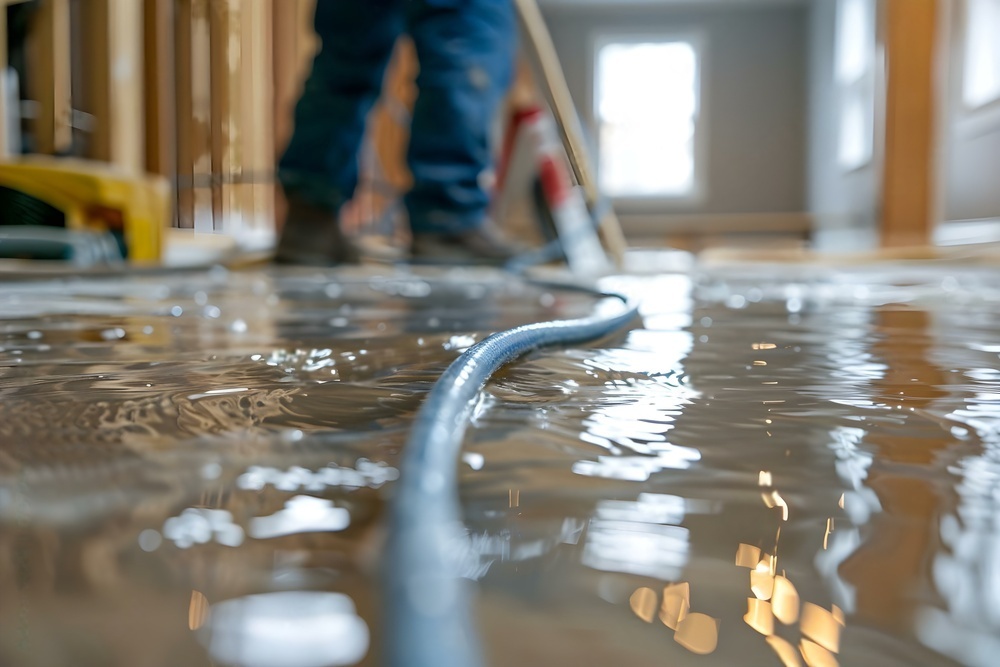
Water intrusion in basements is a common problem for homeowners, especially in areas that experience heavy rainfall and seasonal storms. In Maryland, fluctuating weather patterns and groundwater pressure can lead to basement flooding, structural damage, and mold growth if water is not properly managed. One of the most reliable solutions for protecting your home from water damage is sump pump installation.
A properly installed sump pump system helps remove excess water from around your foundation and redirects it away from the property. This prevents water from accumulating in the basement and protects the structural integrity of the home.
This guide explains everything homeowners need to know about sump pump installation, including how the system works, the installation process, costs, and the long-term benefits of installing a sump pump.
What Is Sump Pump Installation?
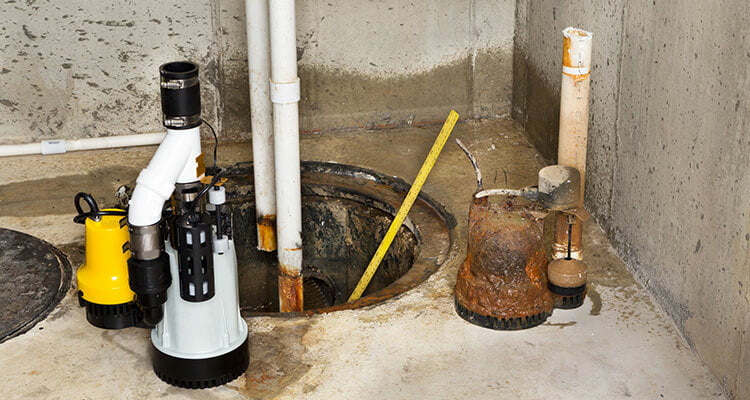
Sump pump installation involves placing a pump system inside a sump basin located in the lowest part of a basement or crawl space. The basin collects groundwater that accumulates around the foundation. When the water level rises, the sump pump automatically activates and pumps the water away from the house through a discharge pipe.
This system plays a critical role in basement waterproofing, helping prevent flooding, moisture buildup, and long-term foundation damage.
Sump pumps are commonly installed in homes that experience:
- Frequent basement moisture
- Poor drainage around the property
- High groundwater levels
- Heavy seasonal rainstorms
- Foundation water seepage
By removing excess water quickly, sump pumps help maintain a dry and safe basement environment.
Why Sump Pump Installation Is Important for Homes
Many homeowners underestimate the damage water can cause to a property. Even small amounts of standing water can lead to structural deterioration and health concerns over time.
Installing a sump pump provides several important protections.
Prevents Basement Flooding
A sump pump actively removes water that collects around your foundation before it can enter the basement. This is especially important during storms or periods of heavy rainfall.
Protects the Foundation
Excess groundwater pressure can weaken foundation walls. By removing water buildup, sump pumps help maintain structural stability.
Reduces Mold and Mildew Growth
Moist environments encourage mold growth. A dry basement significantly reduces the chances of mold development and improves indoor air quality.
Protects Finished Basements
For homeowners with finished basements, sump pumps help protect flooring, drywall, furniture, and electrical systems from water damage.
Increases Property Value
Homes with professional basement waterproofing systems and sump pumps are often more attractive to buyers because they offer protection against flooding.
How a Sump Pump System Works
Understanding how a sump pump works helps homeowners appreciate why professional installation is important.
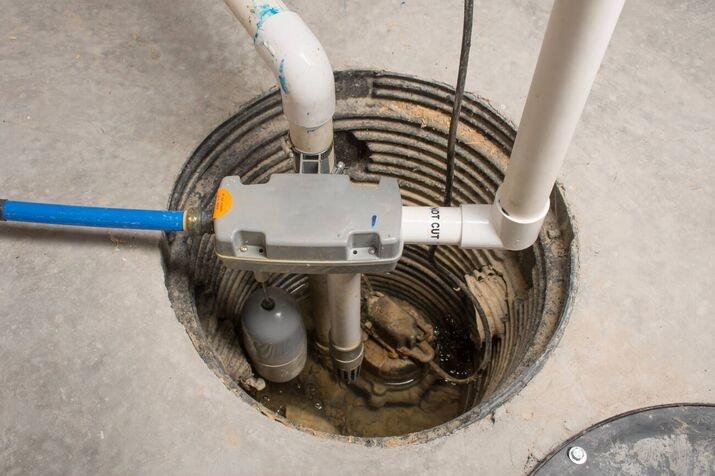
A sump pump system typically includes the following components:
- Sump Basin (Sump Pit); A pit installed in the basement floor that collects groundwater.
- Sump Pump Unit The pump that moves water out of the basin once it reaches a certain level.
- Float Switch; A mechanism that activates the pump automatically when water levels rise.
- Discharge Pipe: A pipe that carries water safely away from the foundation.
- Check Valve: Prevents water from flowing back into the sump pit after it has been pumped out.
When groundwater enters the sump basin, the float switch triggers the pump, which then pushes the water through the discharge pipe and away from the home.
Sump Pump Installation Process
Professional sump pump installation requires proper planning and precision to ensure the system works effectively for many years.
1. Selecting the Installation Location
Contractors determine the lowest point in the basement or crawl space where water naturally collects. This location is ideal for installing the sump basin.
2. Excavating the Sump Pit
A hole is cut into the basement floor and excavated to install the sump basin. The pit must be deep enough to collect water efficiently.
3. Installing the Sump Basin
The sump basin is placed into the excavated pit and surrounded with gravel to allow groundwater to flow easily into the basin.
4. Installing the Pump System
The sump pump is installed inside the basin and connected to the discharge pipe. Contractors also install a check valve to prevent water from flowing back into the pit.
5. Routing the Discharge Line
The discharge pipe is directed away from the foundation to ensure water drains safely away from the property.
6. Testing the System
Once installation is complete, the pump system is tested to ensure it activates properly and pumps water efficiently.
Proper installation ensures the sump pump system works reliably during heavy rainfall or groundwater buildup.
Sump Pump Installation Cost
The sump pump installation cost can vary depending on several factors, including the type of pump system, installation complexity, and basement conditions.
Typical cost factors include:
- Type of sump pump system
- Basement excavation requirements
- Electrical connections
- Discharge pipe installation
- Drainage improvements
On average, homeowners can expect sump pump installation costs to range between $1,000 and $3,000, depending on the system and labor required.
More advanced systems, such as battery backup sump pumps, may cost more but provide additional protection during power outages.
Types of Sump Pumps
Choosing the right sump pump system is important for long-term performance.
Submersible Sump Pumps
These pumps operate underwater inside the sump basin. They are quiet, efficient, and commonly used in residential basements.
Pedestal Sump Pumps
The motor sits above the sump basin while the pump extends into the water. These systems are easier to service but can be slightly louder.
Battery Backup Sump Pumps
These pumps provide protection during power outages when the primary pump cannot operate.
Combination Sump Pump Systems
A combination system includes both a primary pump and a battery backup pump to provide maximum protection.
Professional contractors can recommend the best system based on the property’s drainage conditions.
Signs You May Need Sump Pump Installation
Certain warning signs indicate that a home may benefit from a sump pump system.
- Water pooling in the basement
- Damp basement walls
- Frequent basement flooding
- Musty odors or mold growth
- Foundation cracks with water seepage
- High groundwater levels around the property
If these issues occur regularly, installing a sump pump system can significantly reduce the risk of water damage.
Professional Sump Pump Installation vs DIY
While some homeowners consider installing sump pumps themselves, professional installation offers several advantages.
Professional contractors ensure:
- Proper sump basin placement
- Correct pump sizing
- Effective drainage routing
- Safe electrical connections
- Long-term reliability
Improper installation can lead to drainage issues, pump failure, or ineffective water removal. Hiring experienced professionals ensures the system works efficiently and protects the home.
What are the steps to install a sump pump?
Sump pump installation begins with selecting the lowest point of the basement for the sump pit. Contractors then excavate the pit, install the sump basin, place the pump inside the basin, connect the discharge pipe, and add a check valve to prevent backflow. Finally, the system is tested to ensure it activates properly and drains water away from the foundation.
How long does it take to install a sump pump?
In most homes, professional sump pump installation takes 4 to 8 hours depending on basement conditions and drainage requirements. More complex installations that require additional drainage work or electrical connections may take a full day.
Where should a sump pump be located for installation?
A sump pump should be installed in the lowest point of the basement or crawl space, where water naturally collects. This allows groundwater to flow into the sump basin so the pump can efficiently remove excess water and prevent basement flooding.
What are the benefits of installing a sump pump?
Installing a sump pump helps prevent basement flooding, protects the foundation from water damage, reduces mold and mildew growth, and improves overall basement waterproofing. It also helps protect finished basements and valuable belongings from water-related damage.
What are the key components of a sump pump installation?
A complete sump pump system typically includes a sump basin (pit), sump pump unit, float switch, discharge pipe, and check valve. These components work together to collect groundwater and pump it safely away from the home’s foundation.
Professional Sump Pump Installation in Maryland
Homes in Maryland often experience heavy rainfall and groundwater pressure, making basement waterproofing systems an important investment. Professional sump pump installation helps protect homes from flooding, foundation damage, and moisture problems.
At USA Builders and Developers, experienced contractors provide reliable sump pump installation and basement waterproofing services designed to keep homes dry and protected. Proper installation ensures efficient water removal and long-term protection for your property.
Homeowners looking to improve basement drainage and prevent water damage can benefit from a professionally installed sump pump system that protects their home year-round.
Have Questions? Call Us Now!
We’re here to help—quick answers, friendly service, anytime you need!