

When severe weather damages your roof, acting quickly can protect both your home and your finances. Filing a Roof Insurance Claim the right way helps ensure you receive fair compensation without unnecessary delays or denials. Many homeowners make avoidable mistakes during the claims process, which results in reduced settlements or complete rejection of the claim.
In Maryland, where windstorms, heavy rain, and seasonal weather shifts are common, understanding how insurance companies evaluate roof damage is especially important. This guide explains the complete process in a clear, professional manner so you can move forward with confidence and improve your chances of fast approval.
Understanding a Roof Insurance Claim
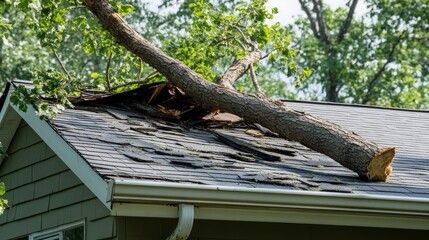
A Roof Insurance Claim is a formal request submitted to your homeowner’s insurance company after your roof is damaged by a covered event. Most policies cover sudden incidents such as wind, hail, fire, or fallen trees. However, insurance companies do not cover damage caused by aging, poor maintenance, or improper installation.
Before starting the claim process, it is essential to confirm that the damage resulted from a specific storm or event rather than long-term wear. Insurance providers carefully evaluate this distinction during inspections.
When Should You File a Roof Insurance Claim?
Not every roof issue requires insurance involvement.
File a claim if:
- Damage is widespread
- Repair costs significantly exceed your deductible
- Structural decking is compromised
- Interior water damage is present
Avoid filing if:
- Damage is minor
- Repair costs are close to your deductible
- Problem is maintenance-related
Multiple claims within a short time can impact future premiums.
Step-by-Step Roof Insurance Claim Process
Step 1: Inspect and Document the Damage Immediately
The first and most critical step in filing a Roof Insurance Claim is documenting the damage as soon as it is safe to do so. After a storm, conduct a visual inspection from the ground and look for missing shingles, lifted flashing, debris impact marks, or sagging sections. Inside your home, check ceilings and attic areas for water stains or moisture intrusion.
Take clear, time-stamped photos and videos from multiple angles. Documentation should capture both exterior and interior damage. The more detailed your records, the stronger your claim will be. Avoid climbing onto the roof unless you are properly trained and equipped. A professional inspection is often safer and more thorough.
Step 2: Review Your Insurance Policy Carefully
Before contacting your insurer, review your homeowner’s policy to understand:
- Coverage limits
- Deductible amount
- Replacement Cost Value (RCV) vs. Actual Cash Value (ACV)
- Exclusions
Replacement Cost vs. Actual Cash Value
| Coverage Type | What It Covers | Impact on Settlement |
|---|---|---|
| Replacement Cost (RCV) | Full replacement cost (minus deductible) | Higher payout |
| Actual Cash Value (ACV) | Depreciated roof value | Lower payout |
If your roof is older, ACV coverage may significantly reduce your payout.
Knowing your coverage type helps you prepare realistic expectations.
Step 3: File the Roof Insurance Claim Promptly
Once you confirm that the damage is covered under your policy, contact your insurance company to open your Roof Insurance Claim. Provide your policy number, the date of the storm, and a factual description of what occurred. Share initial photo documentation if requested.
Insurance companies often verify local storm data, especially in states like Maryland where weather events are closely tracked. Filing promptly shows responsibility and prevents insurers from questioning whether the damage was pre-existing.
After filing, you will receive a claim number and an appointment for an adjuster inspection.
Step 4: Schedule a Professional Roof Inspection
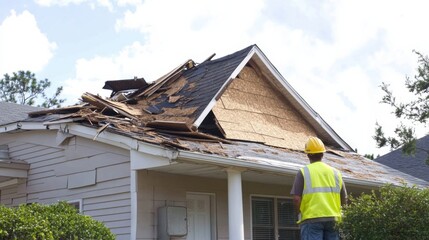
While the insurance company will send an adjuster to evaluate the damage, it is wise to have an experienced roofing contractor conduct a detailed inspection as well. Insurance adjusters assess damage based on policy guidelines, but a licensed contractor focuses on identifying all structural and surface issues that may require repair.
A professional contractor can provide a written estimate that reflects accurate repair costs and code requirements. Companies like USA Builders and Developers assist homeowners by documenting damage thoroughly and ensuring nothing is overlooked during the inspection process. Having expert documentation can prevent underpayment and strengthen your position if discrepancies arise.
Step 5: Meet the Insurance Adjuster Prepared
When the adjuster arrives, walk through the property together and present your documentation. Provide photos, contractor inspection reports, and any maintenance records you may have. Maintain a professional and cooperative tone while ensuring all visible damage is acknowledged.
Take notes during the inspection and request a written scope of loss once the assessment is complete. Being organized and informed can accelerate approval and reduce back-and-forth communication later.
Step 6: Review the Settlement Offer Carefully
After the inspection, the insurance company will issue a settlement estimate detailing the scope of work and projected repair costs. Carefully compare this document with your contractor’s estimate. If the figures differ significantly, you have the right to request clarification or submit additional documentation.
Many Roof Insurance Claims are initially undervalued due to missed damage or pricing discrepancies. Supplemental documentation can often result in adjustments to the settlement amount.
Step 7: Complete Repairs and Finalize Payment
Once the claim is approved, schedule repairs promptly. Insurance payments are frequently issued in two stages. The first payment may reflect the Actual Cash Value, while the remaining depreciation amount is released after proof of completed repairs is submitted.
Keep all invoices and documentation organized. Timely completion of repairs not only protects your home from further damage but also ensures the claim is finalized smoothly.
How to Get Your Roof Insurance Claim Approved Faster
Speed depends on preparation and documentation. Here are proven ways to avoid delays:
- Report Damage Immediately: Waiting weeks can raise red flags.
- Maintain Roof Records: Keep maintenance records and past repair invoices.
- Use Clear, Time-Stamped Photos: Blurry or unclear images delay processing.
- Be Available for Inspections: Missed appointments extend timelines.
- Work with an Experienced Contractor: Experienced contractors understand insurance documentation and local building codes.
Common Reasons Roof Insurance Claims Are Denied
Understanding denial reasons helps you avoid them.
- Filing too late
- Insufficient documentation
- Damage classified as wear and tear
- Pre-existing roof issues
- Lack of maintenance
- Policy exclusions
In Maryland, insurers frequently verify whether damage is storm-related or due to aging. Weather reports and neighborhood damage comparisons are often reviewed.
Proper documentation is your strongest protection.
Important Documents to Keep
Organize the following for your Roof Insurance Claim:
- Insurance policy copy
- Claim number
- Inspection reports
- Photos and videos
- Contractor estimates
- Repair invoices
- Written communications
Keeping everything organized reduces confusion and speeds up claim resolution.
Final Thoughts
Filing a Roof Insurance Claim requires careful documentation, timely action, and a clear understanding of your policy. By inspecting damage immediately, reviewing coverage details, filing promptly, and working with experienced professionals, homeowners can significantly improve their chances of fast approval.
For homeowners in Maryland, preparation is especially important due to frequent storm activity and strict insurance evaluations. A properly managed claim ensures your roof is restored safely, professionally, and without unnecessary financial burden.
If your roof has recently been damaged, taking strategic action today can protect your home and secure the settlement you deserve.
Have Questions? Call Us Now!
We’re here to help—quick answers, friendly service, anytime you need!

