
Metal roofing is one of the most durable and energy-efficient roofing options available today. When installed correctly, it can last 40–70 years, resist extreme weather, and reduce long-term maintenance costs. However, improper installation can lead to leaks, noise issues, and structural damage. This guide explains how to install metal roofing safely and efficiently, using proven industry methods followed by professional contractors.
Whether you are planning a project yourself or hiring qualified metal roofing installation contractors, understanding the correct process helps you avoid costly errors and ensures long-lasting results.
Why Proper Metal Roof Installation Matters
Metal roof systems behave differently than asphalt shingles. They expand and contract with temperature changes, require precise fastening, and depend heavily on correct underlayment and flashing.
A poorly installed metal roof may result in:
- Water penetration
- Panel warping
- Loose fasteners
- Reduced lifespan
- Voided manufacturer warranties
Following best practices ensures performance, safety, and long-term value.
Tools and Materials Needed for Metal Roof Installation
Before starting, gather all tools and materials to avoid delays and unsafe conditions.
Essential Tools
- Tape measure
- Chalk line
- Metal snips or shear
- Drill with screw bits
- Roofing hammer
- Safety harness
- Gloves and eye protection
Required Materials
- Metal roofing panels
- Roofing underlayment
- Ice and water shield
- Fasteners with neoprene washers
- Ridge caps
- Flashing components
Safety Guidelines Before Installation
Safety should never be overlooked when learning how to install metal roofing. Metal panels are sharp, and roofing work involves significant fall risks.
Key Safety Measures
- Always use fall protection systems
- Install roofing only in dry, calm weather
- Wear non-slip footwear
- Secure ladders and scaffolding
- Keep the work area clean and organized
Professional metal roofing installation contractors strictly follow OSHA safety standards to prevent injuries and job delays.
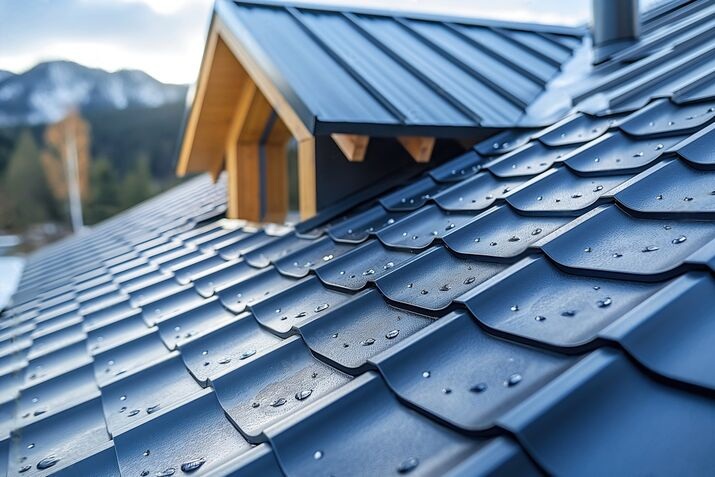
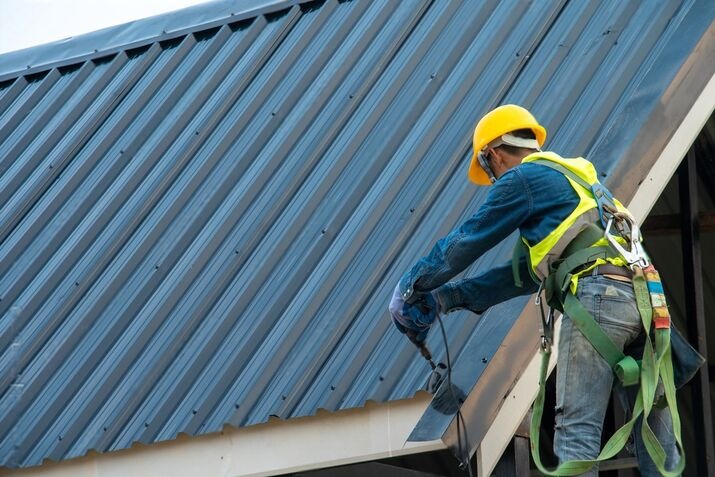
How to Install Metal Roofing: Step-by-Step Process
Step 1: Roof Inspection and Surface Preparation
Start by inspecting the roof deck. The surface must be solid, clean, and free from moisture. Replace any damaged plywood or soft sections.
Important checks include:
- Structural stability
- Mold or rot
- Proper roof slope
A well-prepared roof deck ensures proper fastening and long-term roof stability.
Step 2: Install Underlayment and Ice Protection
Underlayment acts as a moisture barrier between the metal panels and roof deck.
Installation tips
- Use high-quality synthetic underlayment
- Install ice and water shield along eaves and valleys
- Overlap seams according to specifications
This step is crucial for preventing leaks caused by condensation or wind-driven rain.
Step 3: Plan and Measure Panel Layout
Accurate measurements ensure clean lines and reduce material waste.
- Measure roof width and length
- Snap chalk lines for straight alignment
- Plan overlap direction and panel spacing
Planning ahead improves efficiency and ensures a professional finish.
Step 4: Install Metal Roofing Panels
This step defines the quality of the entire project.
Best practices
- Start installation at the roof edge
- Keep panels square with the eave
- Allow for thermal expansion
- Use recommended fastener spacing
Fasteners should be snug but not over-tightened. Over-driving screws damages washers and leads to leaks.
Step 5: Flashing Installation
Flashing protects areas where water intrusion is most likely.
Install flashing at:
- Roof valleys
- Chimneys
- Skylights
- Wall intersections
Correct flashing installation directs water away from seams and prevents structural damage.
Step 6: Ridge Caps and Ventilation
Ridge caps seal the roof peak while allowing proper airflow.
- Install foam closure strips
- Secure ridge caps evenly
- Maintain ventilation gaps
Proper ventilation helps regulate temperature and extends roof life.
Common Metal Roofing Installation Mistakes to Avoid
Many installation failures happen due to avoidable errors.
Frequent Mistakes
- Incorrect fastener placement
- Skipping underlayment
- Ignoring expansion gaps
- Poor flashing installation
- Using mismatched components
These issues often require costly repairs later.
Professional vs DIY Metal Roofing Installation
Metal roofing can be installed by experienced DIYers, but complexity increases with roof pitch, size, and design.
Comparison Table
| Factor | DIY Installation | Professional Contractors |
|---|---|---|
| Safety Risk | High | Low |
| Installation Speed | Slow | Fast |
| Warranty Protection | Limited | Full |
| Technical Accuracy | Moderate | Expert |
| Long-Term Performance | Uncertain | Reliable |
For complex projects, hiring qualified metal roofing installation contractors ensures compliance, safety, and warranty coverage.
Why Hiring Experienced Contractors Matters
Metal roofing systems vary widely in design and installation methods. Standing seam, corrugated, and architectural metal roofs all require specialized techniques.
Trusted companies like USA Builders and Developers follow industry standards and manufacturer guidelines. Their teams understand advanced fastening systems, thermal movement control, and flashing details that ensure superior performance.
Working with professionals reduces risks and increases long-term value.
Maintenance Tips After Installation
Even the best metal roof requires occasional inspection.
Recommended Maintenance
- Inspect fasteners annually
- Clear debris from valleys
- Check flashing after storms
- Wash panels to prevent buildup
Routine maintenance protects your investment and extends roof lifespan.
When to Hire Metal Roofing Installation Contractors
You should consider professionals if:
- Your roof has a steep slope
- Multiple penetrations exist
- Structural modifications are required
- Warranty protection matters
Trusted companies like USA Builders and Developers handle both residential and commercial roofing services projects with precision and safety.
Final Conclusion
Learning how to install metal roofing safely and efficiently is essential for achieving a durable, weather-resistant roofing system. Metal roofing offers unmatched longevity, but only when installed correctly using proper tools, materials, and techniques.
Whether you plan a DIY project or rely on qualified metal roofing installation contractors, following these professional guidelines ensures reliable performance, energy efficiency, and long-term protection. A well-installed metal roof is not just a structural upgrade, it is a lasting investment in your property’s future.
Need Help with Your Next Project? Call USA Builders Today!
We’re here to help—quick answers, friendly service, anytime you need!


