
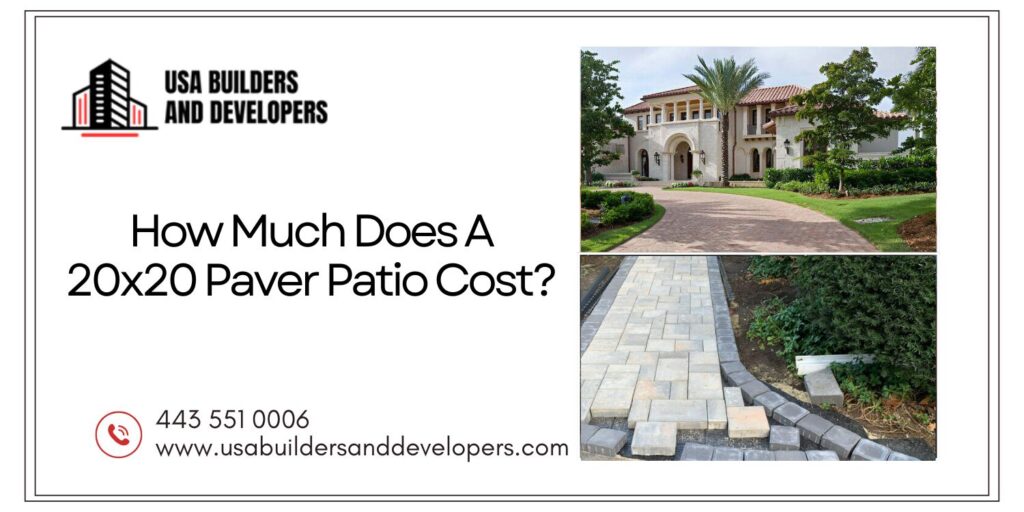
Creating a beautiful outdoor living space can transform your backyard into a relaxing retreat, a gathering spot for family and friends, or even a valuable extension of your home. Among the many options for patios, a paver patio stands out for its durability, style, and flexibility. However, before you dive into choosing patterns, colors, or materials, it’s essential to understand the paver patio cost, especially for a standard 20×20 size.
This comprehensive guide will break down everything you need to know from materials and labor costs to design choices and budgeting tips, so you can make informed decisions for your Maryland home.
Why a Paver Patio is a Smart Investment
Paver patios aren’t just about looks, they’re also about value and functionality. Unlike poured concrete or wooden decks, paver patios:
- Durability: Pavers are resistant to cracking, shifting, and weather damage.
- Design Flexibility: You can create intricate patterns, borders, and multi-level patios.
- Easy Maintenance: Individual pavers can be replaced if damaged, making repairs simple.
- Increased Home Value: A well-designed patio enhances curb appeal and resale value.
Given these advantages, it’s no wonder homeowners are willing to invest in a high-quality paver patio. But like any home improvement project, understanding the cost breakdown is crucial to avoid overspending.
Understanding Paver Patio Cost
For a 20×20 paver patio (roughly 400 square feet), the total cost depends on multiple factors, including materials, labor, site preparation, and optional extras. In Maryland, homeowners can expect prices to range from $3,500 to $7,500 or more, depending on the choices made.
Key Factors That Influence Paver Patio Cost
- Material Type
The type of paver material you select plays the largest role in overall costs:- Concrete Pavers: Affordable, durable, and available in many colors and shapes. Average cost: $8–$12 per square foot.
- Brick Pavers: Timeless and strong, but slightly higher maintenance is needed. Average cost: $10–$15 per square foot.
- Natural Stone (Granite, Bluestone, Travertine): Elegant and long-lasting but more expensive. Average cost: $15–$30 per square foot.
- Porcelain Pavers: Modern, low-maintenance, and slip-resistant, but cost $20–$25 per square foot.
- Labor Costs
Professional installation ensures your patio is level, stable, and visually appealing. For a 400 sq. ft. patio, labor typically ranges from $1,500 to $3,000, depending on the complexity of your design, site conditions, and your contractor’s rates. - Design Complexity
Simple patterns like herringbone or straight-lay are easier and faster to install. More intricate designs, borders, curves, or multi-level patios require additional labor and increase costs. - Site Preparation
The condition of your backyard significantly affects costs. Uneven terrain, sloped areas, or poor soil may require grading, excavation, drainage systems, or extra base material. These can add $500–$1,000 to the project. - Extras and Finishing Touches
Additional features such as patio edging, borders, steps, or sealant application increase the total cost but also enhance longevity and aesthetic appeal. Edging typically costs $100–$500, and sealants range from $200–$500 depending on the type and coverage area.
Paver Patio Materials: Choosing the Right One
Selecting the right material balances style, durability, and budget. Here’s a closer look at popular options for a 20×20 patio:
- Concrete Pavers: Cost-effective and versatile. They come in many shapes, colors, and finishes. Ideal for homeowners who want a modern look without breaking the bank.
- Brick Pavers: Perfect for a classic, traditional aesthetic. Bricks are durable and maintain their look over time, but can be prone to moss growth in humid climates like Maryland.
- Natural Stone Pavers: Bluestone, travertine, or granite provides a premium finish. Each stone is unique, creating a natural, elegant appearance. Stone is ideal for high-end patios but requires a larger budget.
- Porcelain Pavers: These offer a sleek, contemporary look. They are low-maintenance and resistant to stains, making them ideal for outdoor kitchens or entertainment areas.
When budgeting, consider mixing materials, for instance, using concrete for the main patio area and natural stone or brick for borders to achieve a high-end look affordably.
Labor Costs for a 20×20 paver Patio
Labor is often the largest single expense in patio construction. For a 20×20 patio in Maryland:
- Installation Time: Typically 2–4 days for a professional team, depending on site preparation and design complexity.
- Cost Factors: Labor charges depend on contractor experience, project difficulty, and local market rates.
- DIY Considerations: While some homeowners may attempt DIY installation, a professional ensures proper grading, base preparation, and paver alignment, which prevents future issues like settling or uneven surfaces.
Investing in professional installation may seem costly upfront, but it saves money in repairs and maintenance over time.
Additional Expenses to Consider
A realistic budget includes more than just materials and labor:
- Maintenance: Occasional cleaning and resealing every few years extend the life of your patio, but these are minor ongoing costs compared to initial installation.
- Excavation & Site Prep: If your yard is uneven, slopes toward the house, or has poor drainage, expect to pay $500–$1,000 for proper preparation.
- Edging & Borders: Not only decorative, but they keep pavers in place. Cost ranges $100–$500.
- Sealing & Finishing: Sealants protect against stains, water damage, and color fading. Cost ranges $200–$500.
Tips for Budgeting Your Paver Patio
- Hire Licensed Contractors
Experienced contractors in Maryland understand local climate challenges, drainage requirements, and permit needs, ensuring a patio that lasts for decades. - Plan Your Layout in Advance
Decide on the shape, pattern, and any extra features before getting quotes. Changes mid-project increase costs. - Compare Materials Wisely
Research cost-effective materials that mimic premium finishes. For example, concrete pavers can replicate natural stone at a fraction of the cost. - DIY Where Practical
Tasks like minor excavation or moving soil can reduce labor costs if you’re comfortable. But leave precision work like leveling, base prep, and installation to professionals. - Avoid Overcomplicating Patterns
Straight-lay or herringbone patterns are simpler and faster to install than intricate designs, saving labor costs.
How Long Does a 20×20 Paver Patio Last?
With proper installation and maintenance:
- Concrete pavers: 25–30 years
- Brick pavers: 30+ years
- Natural stone: 50+ years
This long lifespan makes paver patios a smart long-term investment.
Is a 20×20 Paver Patio Worth the Investment?
For most homeowners, yes.
A professionally installed paver patio:
- Expands usable outdoor living space
- Improves backyard functionality
- Enhances visual appeal
- Can increase property value by 8–12%
The key is designing the space around how you’ll actually use it, not just how it looks in photos.
How to Maintain Your Paver Patio
Maintaining your patio ensures it looks great for decades:
- Seal pavers every 2–3 years for protection and color enhancement.
- Sweep regularly to remove debris and prevent staining.
- Rinse with water or mild detergent to clean moss or dirt.
- Reapply joint sand every few years to maintain stability.
Frequently Asked Questions
How much should a 12×12 paver patio cost?
A 12×12 patio (144 sq. ft.) typically costs between $2,000 and $5,000, depending on the materials, base preparation, and installation quality. Concrete pavers are usually the most affordable, while natural stone or premium options cost more.
How much does a 400-square-foot patio cost?
A 400 sq. ft. patio, like a 20×20 paver patio, generally costs $6,000 to $14,000. The final price depends on the type of pavers, labor, site prep, and any additional features like borders, fire pits, or lighting.
Is a paver patio cheaper than a concrete patio?
It depends. Basic concrete is often slightly cheaper than decorative paver installation, but pavers last longer, resist cracking, and offer more design flexibility. Over time, pavers can be more cost-effective due to durability and lower maintenance.
How much does a brick paver patio cost?
Brick paver patios are mid-to-high-range options, costing about $18 to $30 per sq. ft. installed. Brick provides a classic, long-lasting look, is durable, and can increase property value.
Why Hire Professional Patio Installers?
Installing a paver patio may seem simple, but achieving a flawless, long-lasting result requires expertise, precision, and experience. Professional contractors manage every step of the process from design and site grading to base preparation, drainage, and paver installation ensuring your patio is both durable and visually stunning for years to come.
Choosing USA Builders and Developers gives you access to a team that understands every detail of outdoor construction. Their skilled craftsmanship, attention to detail, and use of high-quality materials guarantee a patio that not only enhances your backyard but also stands the test of time, delivering both beauty and lasting value.
Final Thoughts
A 20×20 paver patio is a worthwhile investment that can transform your backyard, boost home value, and create a beautiful outdoor living space. By understanding the paver patio cost, including materials, labor, and extras, you can plan your budget effectively and avoid surprises.
Remember: your patio is only as good as its preparation and installation. Choosing the right materials, hiring skilled professionals, and considering ongoing maintenance ensures your patio remains functional and attractive for years to come.
Whether you’re planning a simple, budget-friendly patio or a high-end, intricately designed outdoor space, careful planning and budgeting are key. Start with accurate estimates, understand the costs involved, and enjoy the satisfaction of a patio built to last.
Have Questions? Call Us Now!
We’re here to help—quick answers, friendly service, anytime you need!


