
When homeowners invest in new siding, they are not just changing the look of their house. They are protecting the structure, improving energy performance, and increasing property value. Engineered Wood Siding has become a preferred option because it combines the appearance of real wood with modern durability.
For homeowners in Maryland, where homes face humidity, heavy rain, snow, and temperature swings, siding must perform year after year. Engineered Wood Siding is designed for exactly that purpose. It delivers strength, stability, and long-term protection without the high maintenance of traditional wood.
What Is Engineered Wood Siding?
Engineered Wood Siding is a manufactured siding product made from wood fibers, strands, or flakes that are bonded together using advanced resins and waxes under high heat and pressure. The result is a dense, impact-resistant panel designed to replicate the look of natural wood while improving durability.
Unlike traditional wood siding, which relies on solid lumber, engineered products are built with structural consistency. Each panel is treated to resist:
- Moisture damage
- Fungal growth
- Termite infestation
- Warping and splitting
- Impact from debris or hail
Because of this controlled manufacturing process, Engineered Wood Siding provides predictable performance across all boards, reducing the weak spots often found in natural wood.
Why Homeowners Are Choosing Engineered Wood Siding
The demand for Engineered Wood Siding has grown rapidly in recent years. Homeowners are prioritizing durability, sustainability, and long-term value. This product checks all three boxes.
1. Superior Durability
Traditional wood can absorb moisture, expand, contract, and eventually crack. Engineered products are treated with zinc borate and other protective agents to resist decay and insect damage. This treatment significantly extends the life expectancy of the siding.
In climates like Maryland, where humidity and rain can challenge exterior materials, durability is not optional. It is essential.
2. Moisture Resistance
Moisture is the primary cause of siding failure. Engineered Wood Siding panels are designed with wax-treated fibers that reduce water absorption. Proper installation and sealing further enhance water resistance, preventing swelling and structural compromise.
3. Impact Resistance
Compared to vinyl siding, engineered wood panels are thicker and stronger. They withstand hail, wind-driven debris, and everyday wear more effectively. This makes them ideal for neighborhoods exposed to seasonal storms.
4. Long-Term Cost Efficiency
While the upfront cost may be slightly higher than vinyl, the long-term savings are substantial. Reduced maintenance, fewer repairs, and extended lifespan make Engineered Wood Siding a cost-effective exterior upgrade.
Engineered Wood Siding vs. Traditional Wood
Understanding the difference between natural wood siding and engineered alternatives helps homeowners make informed decisions.
| Feature | Traditional Wood | Engineered Wood Siding |
|---|---|---|
| Moisture Resistance | Moderate | High |
| Termite Resistance | Low | High |
| Warping Risk | High | Low |
| Maintenance | Frequent | Minimal |
| Structural Consistency | Variable | Uniform |
Natural wood offers beauty but demands constant upkeep. Engineered Wood Siding preserves that authentic wood grain look while reducing the maintenance burden.
Long-Term Performance and Lifespan
When installed correctly, Engineered Wood Siding can last 30 years or more. Many manufacturers offer extended warranties, reflecting confidence in the product’s durability.
Long-term performance depends on three factors:
- Proper installation
- Moisture management
- Routine maintenance
Professional siding contractor who understand local building codes and weather patterns ensure correct installation. Companies like USA Builders and Developers regularly recommend engineered siding solutions for homeowners seeking long-term durability in Maryland’s climate.
Aesthetic Flexibility and Design Options
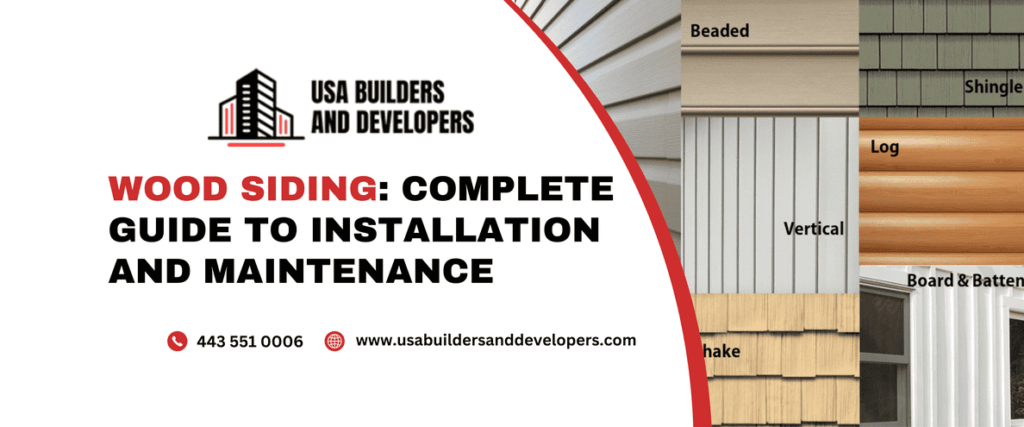
One major advantage of Engineered Wood Siding is its visual versatility. Manufacturers produce it in various:
- Lap siding profiles
- Board and batten styles
- Shake and shingle panels
- Smooth or textured finishes
It can be painted in virtually any exterior-grade color. Unlike vinyl siding, which comes in pre-set colors, engineered wood allows full customization.
This flexibility makes it suitable for:
- Modern homes
- Colonial architecture
- Farmhouse styles
- Contemporary designs
Because the surface mimics authentic wood grain, the finish looks natural rather than synthetic.
Sustainability and Environmental Benefits
Engineered Wood Siding supports sustainable construction practices. It uses wood fibers efficiently, reducing waste compared to solid lumber production. Many manufacturers source materials from sustainably managed forests. The production process also maximizes yield from harvested trees, making it an environmentally responsible alternative.
For homeowners prioritizing eco-friendly exterior solutions, engineered siding balances sustainability with performance.
Fire Resistance and Safety
Some engineered wood products are manufactured with fire-resistant treatments that improve flame spread ratings compared to traditional wood. While it is not fireproof, it can meet specific building code requirements when installed properly.
Always verify product ratings and consult local building regulations in Maryland to ensure compliance.
Warranty and Lifespan
High-quality Engineered Wood Siding often comes with extended warranties, sometimes ranging from 30 to 50 years depending on the manufacturer. Expected lifespan with proper installation and maintenance can exceed 30 years. This makes it a long-term investment rather than a short-term upgrade. When evaluating siding products, warranty coverage is a strong indicator of manufacturer confidence in durability.
Is Engineered Wood Siding Right for Your Home?
Engineered Wood Siding is ideal for homeowners who:
- Want real wood aesthetics
- Need enhanced durability
- Prefer lower maintenance
- Live in climates with seasonal moisture
- Seek long-term exterior performance
It may not be ideal for homeowners looking for zero maintenance or those in extremely high wildfire zones without fire-rated treatment.
Final Thoughts
Engineered Wood Siding is more than an exterior finish. It is a long-term protective system for your home. It combines the natural look of wood with enhanced structural strength, moisture resistance, and stability. For homeowners in Maryland, where weather conditions can challenge exterior materials, choosing a durable and well-engineered siding product is a practical decision. Engineered Wood Siding offers consistent performance, controlled expansion, and reduced maintenance compared to traditional wood.
When installed correctly and maintained properly, it protects the building envelope, preserves curb appeal, and supports long-term property value. For those seeking a reliable exterior upgrade that balances appearance and durability, Engineered Wood Siding is a strong and strategic investment.

