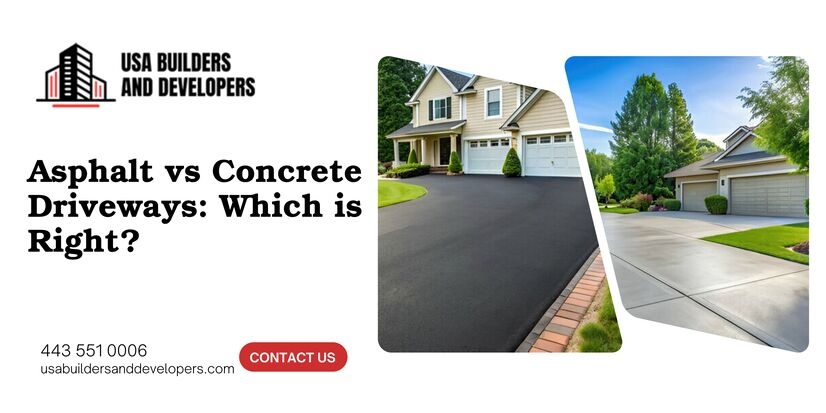
Choosing the right driveway material is one of the most important decisions for any homeowner or property manager. Your driveway isn’t just a path to your garage, it’s one of the first things visitors notice, a daily surface your vehicles rely on, and a long-term investment in your home’s value and curb appeal.
In this Asphalt vs Concrete Driveway guide, we’ll compare a concrete vs asphalt driveway in terms of cost, durability, maintenance, and design options. Whether you’re planning a new installation or replacing an existing driveway, this guide will help you make an informed choice that fits your budget and lifestyle, including considerations for homeowners in Maryland.
Understanding the Basics: Asphalt and Concrete
Before diving into comparisons, it’s important to know what these materials are and how they function.
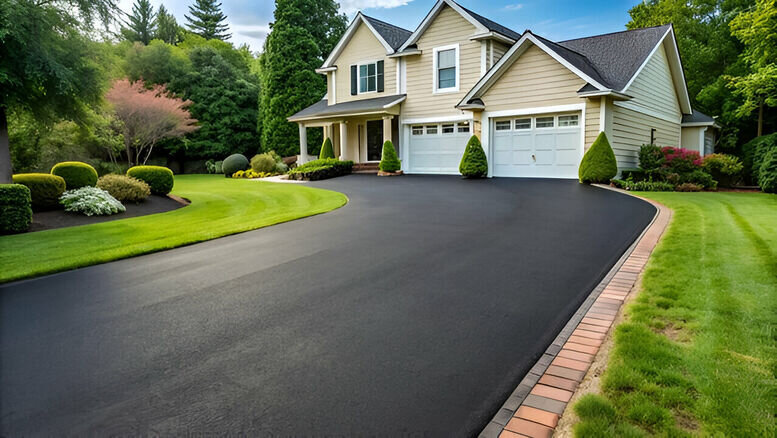
Asphalt driveways are made from aggregates (small stones and sand) bound together with asphalt cement. When heated and compacted, this mixture forms a smooth, black surface that’s flexible and durable. Asphalt is popular for its relatively low cost and fast installation process.
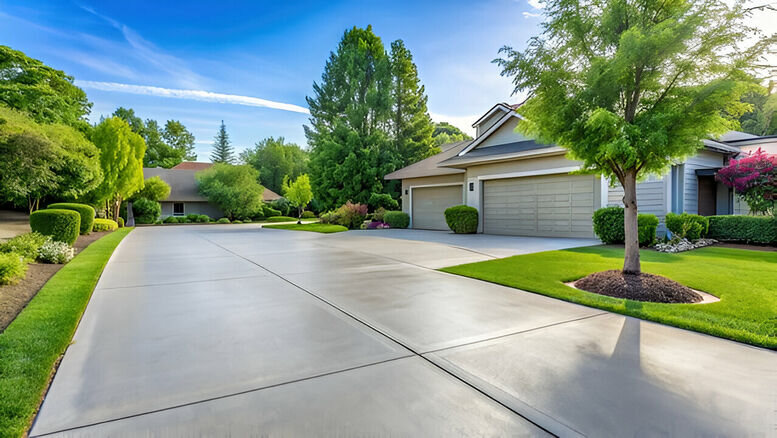
Concrete driveways consist of a mix of cement, water, and aggregates that harden into a rigid surface. Concrete can be poured into various thicknesses and finished in different textures and colors. It’s known for strength and longevity.
Cost Comparison: Asphalt vs Concrete Driveways
One of the first questions most homeowners ask is, “How much will this cost?”
Upfront Installation Costs
Asphalt typically costs less to install than concrete. According to recent industry data, an asphalt driveway can range from approximately $5 to $12 per square foot installed, depending on site conditions and thickness, while a concrete driveway averages between $6 and $15 per square foot for materials and labor.
On a typical 2‑car driveway, this translates to:
- Asphalt: Approx. $2,000 to $7,200
- Concrete: Approx. $2,400 to $8,600 or more when decorative options are included
Concrete’s higher upfront cost reflects more intensive labor, longer curing times, and the ability to add decorative finishes like staining or stamping.
Installation Time and Convenience
Asphalt driveways can often be ready for light use within just a few days, whereas concrete must cure fully before it can support vehicles often requiring up to a week or more.
If you need a quick turnaround or have limited access to alternative parking, this difference in installation speed can matter.
Durability and Lifespan
Long‑term performance is one of the most important factors in comparing driveway materials.
Asphalt Driveway Lifespan
Asphalt typically lasts 15–30 years with proper maintenance. It’s flexible, which allows it to withstand freeze‑thaw cycles better than rigid surfaces. That makes it a commonly recommended choice in colder regions where ground movement and freezing can crack harder materials.
However, asphalt can soften in prolonged high heat, and if not maintained, its lifespan may fall toward the lower end of this range.
Concrete Driveway Lifespan
Concrete often lasts 30–40+ years and sometimes much longer with good maintenance. Its rigid structure supports heavy loads well and doesn’t soften in heat. But concrete is more likely to crack under temperature changes or ground movement unless properly reinforced and installed with correctly spaced joints.
In some climates with frequent freezing and thawing, concrete can experience cracking if joints aren’t properly engineered.
Maintenance Requirements: Asphalt vs Concrete
Maintaining Asphalt Driveways
Asphalt needs more hands‑on care over time:
- Seal coating every 3–5 years protects against water damage and UV rays.
- Crack filling as soon as they appear prevents water from seeping in.
- Pothole repairs may be needed if water gets underneath the surface.
Without seal coating and repairs, asphalt can deteriorate faster, especially in wet climates.
Maintaining Concrete Driveways
Concrete maintenance tends to be less frequent:
- Sealing every 5–10 years keeps stains out and protects the surface.
- Repairing cracks promptly helps prevent them from spreading.
- Cleaning with water and mild detergents keeps the surface looking fresh.
Concrete doesn’t need seal coating as often as asphalt, and its harder surface resists wear from UV rays and weather.
Key Differences: Asphalt vs Concrete Driveway
Here’s a side-by-side comparison to help evaluate your options:
| Feature | Asphalt Driveway | Concrete Driveway |
|---|---|---|
| Appearance | Smooth, black finish | Light-colored, customizable finishes |
| Initial Cost | $3–$5 per square foot | $6–$10 per square foot |
| Lifespan | 20–25 years | 30–40 years |
| Installation Time | 1–3 days | 7 days or more |
| Maintenance | Needs resealing every 3–5 years | Minimal maintenance |
| Repair Cost | Lower; easier to patch | Higher; repairs are more visible |
| Heat Absorption | Absorbs more heat; can become very hot | Reflects heat better |
| Recyclability | Fully recyclable | Partially recyclable |
| Best for Climates | Cold or mixed climates | Warm or stable climates |
Climate and Weather Performance
Your local climate plays a big role in driveway performance.
Cold Weather and Freeze‑Thaw Cycles
If you live in a region with cold winters and frequent freeze‑thaw cycles, asphalt can hold up slightly better because it expands and contracts without cracking easily.
Warm Weather Considerations
Concrete reflects heat and stays cooler than asphalt, which absorbs sunlight and can soften in intense heat. This makes concrete a smart choice in areas with hot summers.
When choosing between a concrete vs asphalt driveway, consider how local temperatures, moisture, and weather patterns affect each material.
Final Thoughts
There’s no universally “best” choice in the Asphalt vs Concrete Driveway debate. Each material has advantages depending on your budget, climate, maintenance willingness, and design goals. Asphalt wins on initial cost and flexibility in cold climates, while concrete excels in longevity, customization, and low maintenance.
Before starting your project, it’s important to gather multiple quotes, consult with masonry contractors about local climate performance, and weigh long-term costs alongside initial investment. Partnering with experienced professionals, like USA Builders and Developers, ensures proper installation and a durable, attractive driveway that adds lasting value to your home.
Have Questions? Call Us Now!
We’re here to help—quick answers, friendly service, anytime you need!