
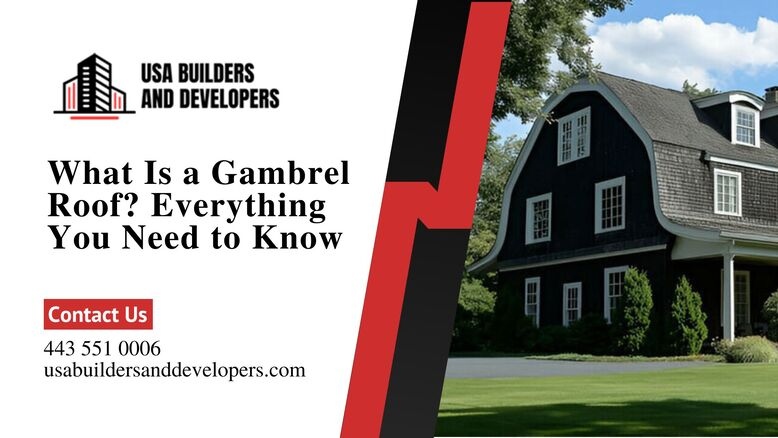
A gambrel roof isn’t just a classic barn-style design, it’s a smart choice for homeowners who want to maximize space, enhance curb appeal, and invest in a durable roof. Recognizable by its two slopes on each side, this roof style creates extra headroom, making attics and upper floors far more usable than standard roof designs.
For Maryland homeowners, a gambrel roof offers a unique combination of style and practicality, whether you’re building a new home, renovating, or adding a barn or outbuilding. In this guide, we’ll explore everything you need to know about gambrel roofs: how they work, the benefits, potential drawbacks, materials, costs, and maintenance tips, so you can make a confident decision for your property.
What Is a Gambrel Roof?
A gambrel roof, sometimes called a “barn roof” or “Dutch roof,” is a two-sided roof with dual slopes on each side. The upper slope is typically shallow, while the lower slope is much steeper. This unique design creates more headroom and interior space beneath the roof without increasing the building’s footprint.
Unlike traditional gable roofs, which have a single slope per side, gambrel roofs allow for larger attics, lofts, or additional living areas. This is why it is often used in barns and colonial-style homes where maximizing space is essential.
Key Features of a Gambrel Roof
Gambrel roofs have several defining features that distinguish them from other roof types:
- Dual Slopes on Each Side
The upper slope is gentle, while the lower slope is steep, creating a distinctive “barn-like” profile. - Extra Interior Space
The steep lower slopes make attics and lofts much more usable, allowing full-height rooms or storage areas. - Wide Roof Span
Gambrel roofs extend outward, providing efficient coverage while maintaining balance in the overall design. - Timeless Aesthetic
Their classic look complements both traditional and modern homes, adding visual interest and curb appeal. - Efficient Drainage
The steep angles allow water and snow to run off easily, reducing water damage and snow buildup risks.
Benefits of Choosing a Gambrel Roof
1. More Usable Interior Space
One of the biggest advantages of a gambrel roof is the amount of space it creates inside. The steep lower slope allows for higher ceilings and full-height walls, making the attic or upper floor far more usable than with standard roof designs.
This extra space can be turned into:
- Loft-style living spaces
- Bedrooms
- Home offices
- Storage areas
2. Enhanced Curb Appeal
This roof provide classic and visually striking architecture. They are especially popular in areas where homeowners want to maintain a colonial or farmhouse aesthetic.
A well-designed gambrel roof can increase property value and make your home stand out among standard gable-roofed houses.
3. Efficient Water and Snow Runoff
The steep lower slope helps water and snow slide off quickly. This reduces standing moisture on the roof surface and lowers the risk of leaks caused by buildup.
In regions with changing weather patterns, this natural drainage capability is a practical advantage.
4. Cost-Effective Use of Space
Instead of expanding outward, a gambrel roof allows you to build upward. This can reduce foundation costs while still increasing livable square footage. Over time, that added space can also improve resale value.
Popular Materials for Gambrel Roofs
Choosing the right material is essential for durability, cost, and aesthetics. Here’s a breakdown:
| Material | Benefits | Considerations |
|---|---|---|
| Asphalt Shingles | Affordable, widely available, easy to install | Shorter lifespan than metal |
| Metal Roofing | Durable, long-lasting, lightweight, sheds snow | Higher initial cost, may require specialized installation |
| Wood Shingles | Rustic appearance, natural look | Requires regular maintenance, vulnerable to rot |
| Slate or Clay Tiles | Long lifespan, premium look | Heavy, expensive, needs reinforced framing |
| Synthetic Roofing | Low maintenance, weather-resistant | Varies in durability depending on type |
Metal roofing is increasingly popular for gambrel roofs due to its lightweight, durability, and low maintenance, especially for barns or larger homes.
Potential Drawbacks to Consider
While gambrel roofs offer many benefits, they are not ideal for every situation.
Wind Resistance Considerations
Because of their shape, gambrel roofs can be more vulnerable to high winds if not properly reinforced. Strong framing and professional installation are essential to ensure long-term performance.
Maintenance at Slope Transitions
The joint where the upper and lower slopes meet requires careful flashing and regular inspection. Poor installation in this area can lead to leaks over time.
Routine maintenance helps prevent these issues and extends roof lifespan.
Common Uses of Gambrel Roofs
Gambrel roofs are versatile and work well across different structures:
- Residential homes looking for added space and style
- Barns and agricultural buildings requiring large open interiors
- Garages and workshops with loft storage
- Sheds and outbuildings where vertical space matters
Their flexibility is one reason they remain popular today
Gambrel Roof Installation Tips
Installing a gambrel roof is complex and requires professional expertise. Here are key considerations:
- Structural Support: Ensure your home can handle the unique load distribution.
- Proper Ventilation: Adequate airflow in the attic prevents moisture buildup and mold.
- High-Quality Materials: Choose materials that withstand local weather conditions.
- Professional Craftsmanship: Skilled contractors ensure proper slope transitions and flashing.
Tip: Working with a trusted roofing company like USA Builders and Developers ensures your gambrel roof is installed safely, efficiently, and built to last.
Maintenance Tips for Long-Term Performance
Regular upkeep will extend the lifespan of your gambrel roof:
- Schedule professional inspections for peace of mind
- Inspect for leaks and damaged shingles at least twice a year
- Clean gutters and downspouts regularly
- Trim overhanging tree branches
- Recoat or repaint metal and wood surfaces as needed
Gambrel Roof Costs
The cost of a gambrel roof depends on materials, labor, and the roof’s size. Here’s a general breakdown:
| Material | Approximate Cost per Square Foot | Notes |
|---|---|---|
| Asphalt Shingles | $3–$5 | Most cost-effective option for residential homes |
| Metal Roofing | $7–$12 | Long-term investment due to longevity |
| Wood Shingles | $6–$10 | Requires ongoing maintenance |
| Slate/Clay Tiles | $15–$25 | Premium choice for aesthetics and durability |
While initial costs may vary, the additional usable space can increase property value, often offsetting the upfront investment.
Final Thoughts
A gambrel roof is more than an architectural choice, it’s a functional investment that combines style, space, and practicality. Its unique design offers:
- Increased usable interior space
- Strong visual appeal
- Efficient water and snow drainage
- Long-term property value benefits
Whether you’re building a new home, upgrading your current roof, or adding an outbuilding, a gambrel roof offers timeless charm and practical benefits that few other roof styles can match.
Partner with USA Builders and Developers for expert advice, professional installation, and a roof that stands the test of time. Your home deserves the perfect combination of style, space, and durability, and a gambrel roof delivers all three.
Have Questions? Call Us Now!
We’re here to help—quick answers, friendly service, anytime you need!

