
A failing sewer line is not just a plumbing inconvenience. It is a serious structural and sanitation issue that can affect your entire property. When repairs are no longer effective, a full sewer line replacement becomes necessary. Before starting the process, understanding the real sewer line replacement cost helps homeowners prepare financially and avoid unexpected expenses.
In 2026, costs vary widely depending on pipe length, depth, soil conditions, and replacement method. This guide provides a detailed breakdown of pricing, methods, cost factors, and what homeowners should realistically expect when they need to replace sewer line systems.
Average Sewer Line Replacement Cost in 2026
The national average sewer line replacement cost ranges between:
$3,000 and $15,000
However, more complex projects can exceed $20,000, especially when excavation involves driveways, sidewalks, or deep underground lines.
Smaller replacement sections may cost around $2,000, while full-length replacements from the home to the municipal connection increase total investment significantly
Sewer Line Replacement Cost by Method
The method used to replace sewer line systems greatly impacts total pricing.
Cost Comparison by Replacement Method
| Replacement Method | Average Cost Range | Best For |
|---|---|---|
| Traditional Excavation | $4,000 – $15,000+ | Severely damaged or collapsed pipes |
| Trenchless Sewer Line Replacement | $5,000 – $20,000 | Minimal yard disruption |
| Partial Sewer Line Replacement | $2,000 – $7,000 | Localized damage |
| Pipe Lining (CIPP) | $3,000 – $12,000 | Cracked but structurally stable pipes |
Each approach has advantages depending on soil conditions, landscaping, and pipe accessibility.
What Impacts Sewer Line Replacement Cost?
Every property is different. Several critical factors determine final pricing.
1. Length of the Sewer Line
Most residential sewer laterals range between 30 and 100 feet. The longer the line, the more materials and labor required.
Average cost per linear foot:
$50 to $250 per foot
Longer distances increase both excavation time and material expenses.
2. Depth of the Pipe
Sewer lines can be buried anywhere from 2 feet to over 10 feet underground. Deeper installations require more labor, heavier equipment, and additional safety measures. Greater depth directly increases sewer line replacement cost.
3. Soil Type and Property Conditions
Rocky soil, clay-heavy terrain, and root intrusion complicate excavation. Properties with extensive landscaping, patios, or concrete driveways require demolition and restoration, which adds to overall expenses.
In areas like Maryland, where soil composition and seasonal moisture changes vary, excavation conditions can influence total project cost.
4. Replacement Method
The method chosen to replace sewer line systems significantly affects pricing. Traditional trench excavation and modern trenchless solutions differ in both cost structure and surface disruption.
Traditional Sewer Line Replacement
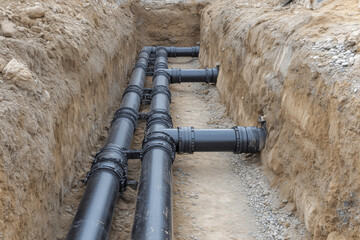
Traditional excavation involves digging a trench along the entire damaged pipe length. Contractors remove the old pipe and install a new PVC or HDPE pipe system.
Advantages
- Ideal for completely collapsed or severely damaged pipes
- Allows full visual inspection of underground conditions
Disadvantages
- Significant yard disruption
- Landscaping and driveway restoration required
- Longer project timeline
Typical cost:
$4,000 to $15,000 or more
If heavy concrete removal or structural obstacles are involved, total costs may exceed this range.
Trenchless Sewer Line Replacement Cost
Modern plumbing technology now allows homeowners to complete trenchless sewer line replacement with minimal excavation.
Two primary trenchless techniques are used:
Pipe Bursting
A new pipe is pulled through the old damaged pipe while simultaneously breaking it apart.
Cured-In-Place Pipe (CIPP) Lining
A resin-coated liner is inserted into the existing pipe and hardened, creating a new pipe within the old one.
Cost Range
$5,000 to $20,000
Although the upfront price can be slightly higher, trenchless methods often reduce landscaping restoration costs and shorten project timelines.
For properties with extensive hardscaping or limited access, trenchless sewer line replacement may offer better long-term value.
Sewer Line Replacement Cost Per Foot
Contractors often estimate pricing based on linear footage.
| Pipe Length | Estimated Total Cost Range |
|---|---|
| 30 feet | $1,500 – $6,000 |
| 50 feet | $2,500 – $10,000 |
| 75 feet | $4,000 – $15,000 |
| 100 feet | $5,000 – $20,000+ |
Final pricing depends on method, soil conditions, and property layout.
Signs You Need to Replace Sewer Line
Recognizing early warning signs can reduce total sewer line replacement cost.
Common indicators include:
- Frequent drain backups
- Slow drainage throughout the home
- Gurgling sounds from toilets
- Sewage odors indoors or in yard
- Soggy patches in lawn
- Foundation settling caused by leaks
Ignoring these signs can lead to structural damage and increased repair expenses.
Additional Costs to Consider
When budgeting for sewer line replacement, homeowners should prepare for related expenses.
Camera Inspection
Professional sewer camera inspections typically cost:
$250 – $800
This diagnostic step confirms pipe damage and helps determine whether full sewer line replacement is required.
Permit Fees
Most municipalities require permits for major sewer work. Fees generally range from:
$100 – $500+
Permit requirements vary depending on local building codes.
Landscaping and Hardscape Restoration
Excavation may require repairing:
- Driveways
- Walkways
- Patios
- Lawn areas
Restoration costs vary depending on materials and project scope.
Is Sewer Line Replacement Worth the Cost?
While the upfront investment may seem high, replacing a failing sewer system prevents serious property damage. Leaking sewer lines can undermine foundations, cause mold growth, and contaminate soil. Upgrading old clay or cast-iron pipes to modern PVC materials improves durability and reduces future repair needs.
Homes with documented sewer line replacement often experience improved resale value and fewer inspection issues during sale.
How to Reduce Sewer Line Replacement Cost
Homeowners can minimize expenses by:
- Scheduling regular sewer inspections
- Addressing minor cracks early
- Avoiding flushing non-degradable materials
- Removing invasive tree roots
- Comparing multiple contractor estimates
Early intervention reduces the likelihood of emergency replacement, which typically costs more.
Insurance Coverage and Sewer Line Replacement
Most homeowners insurance policies do not cover normal wear and tear. However, damage caused by sudden events such as accidental pipe collapse may be partially covered. Some insurance providers offer sewer line protection add-ons for an additional premium.
Final Thoughts
Understanding sewer line replacement cost allows homeowners to plan strategically before plumbing issues escalate into emergencies. Pricing varies based on pipe length, depth, soil composition, and chosen replacement method.
Traditional excavation remains effective for severe damage, while trenchless sewer line replacement offers a less invasive alternative with reduced surface disruption.
When you need to replace sewer line systems, early intervention is key. Addressing warning signs promptly prevents further structural damage and limits overall project cost.
Investing in professional sewer line replacement ensures long-term plumbing performance, property protection, and peace of mind.
Have Questions? Call Us Now!
We’re here to help—quick answers, friendly service, anytime you need!


