
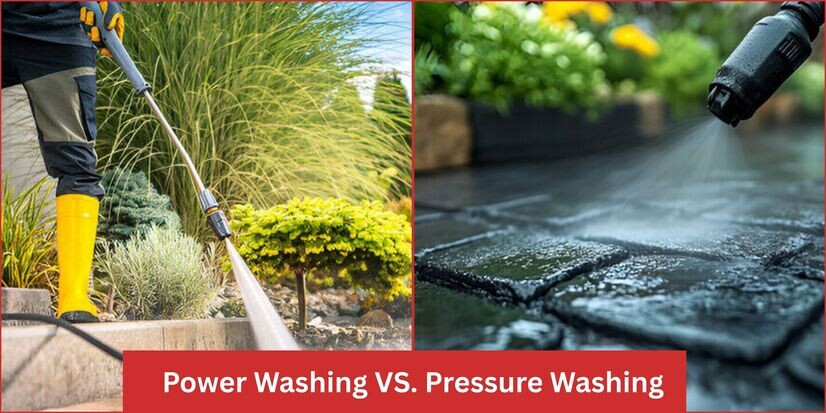
When it comes to cleaning the exterior of your home or commercial property, you’ve probably come across the terms power washing and pressure washing. At first glance, they may seem interchangeable, but they have distinct differences that affect how they clean surfaces, which types of surfaces they are best for, and the results you can expect.
In this guide, we’ll explore Power Washing vs Pressure Washing, their unique benefits, and which method is best for different cleaning needs.
What is Power Washing?
Power washing, sometimes called hot water pressure washing, is similar to pressure washing but adds heated water to the cleaning process. The combination of hot water and pressure is more effective at breaking down grease, oil, grime, and tougher stains that cold water alone may not remove.
Key Features of Power Washing:
- Uses heated water (usually 140°F–200°F) along with high pressure
- Ideal for stubborn stains, mold, and mildew
- Can be combined with environmentally safe detergents for enhanced cleaning
- Provides a deeper clean for heavy-duty tasks
Power washing is often used for:
- Cleaning commercial building exteriors
- Decks and patios with stubborn mold or mildew
- Oil stains on driveways and parking lots
- Roof cleaning (for certain materials)
By using heat, power washing not only removes dirt but also kills bacteria, mold, and mildew, providing a more sanitary cleaning solution.
What Is Pressure Washing?
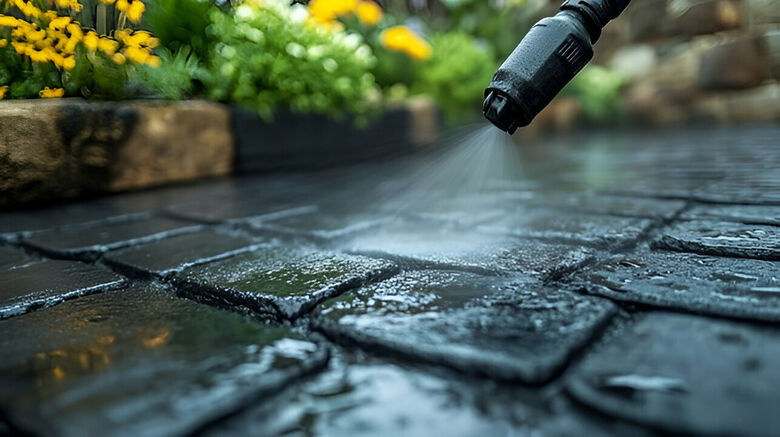
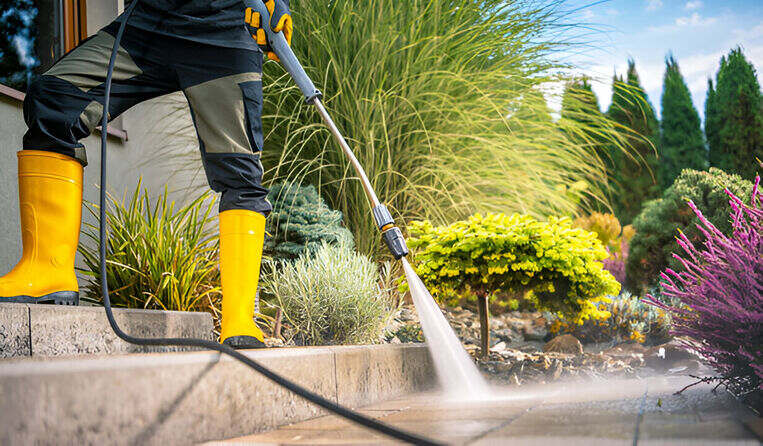
Pressure washing is a cleaning method that uses a high-pressure water stream to remove dirt, grime, mold, algae, and other debris from surfaces. The water is forced through a specialized nozzle at a high speed, which provides mechanical force to clean effectively.
Key Features of Pressure Washing:
- Uses high-pressure water without necessarily heating it
- Effective for cleaning dirt, mud, mildew, and loose paint
- Safe for most hard surfaces when used correctly, including concrete, brick, and vinyl siding
- Requires careful handling to avoid surface damage
Pressure washing is ideal for routine cleaning tasks, such as:
- Driveways and walkways
- Patios and decks
- Garage floors
- Fences and walls
It is highly efficient, environmentally friendly, and doesn’t require harsh chemicals for most cleaning jobs.
Key Differences Between Power Washing vs Pressure Washing
Although both methods use high-pressure water to clean, there are several distinctions to keep in mind:
| Feature | Pressure Washing | Power Washing |
|---|---|---|
| Water Temperature | Cold water | Heated water (hot water) |
| Cleaning Power | Strong mechanical force | Stronger due to combination of heat and pressure |
| Best For | Routine cleaning of dirt, dust, and mildew | Stubborn stains, oil, grease, mold, and mildew |
| Surface Safety | Safe on most surfaces with proper technique | Hot water can damage delicate surfaces if not careful |
| Time Efficiency | Fast for general cleaning | May take slightly longer due to setup, but cleans deeper |
| Cost | Usually less expensive | Slightly higher cost due to heating equipment |
Which Method Should You Choose?
The choice between pressure washing and power washing depends on the type of surface, level of dirt or stains, and desired results:
Cleaning commercial properties or heavily soiled surfaces
Use Pressure Washing When:
- You need to remove dirt, dust, or light mildew
- Cleaning delicate surfaces like vinyl siding or painted wood
- You want a faster, cost-effective cleaning solution
Use Power Washing When:
- You are dealing with oil, grease, or stubborn stains
- There is mold or mildew that requires sanitizing
- Cleaning commercial properties or heavily soiled surfaces
Safety Tips for Effective Cleaning
Both pressure washing and power washing are powerful cleaning tools, and improper use can damage surfaces or cause injury. Keep these tips in mind:
- Test on a Small Area First – Check the pressure and temperature to avoid damage.
- Maintain Proper Distance – Keep the nozzle at least 12–18 inches from delicate surfaces.
- Wear Safety Gear – Gloves, goggles, and closed shoes are essential.
- Avoid Electrical Hazards – Keep water away from outlets, wires, and electrical panels.
- Use the Right Nozzle – Wide spray tips prevent etching or surface damage.
- Follow Manufacturer Guidelines – Ensure equipment is used according to safety instructions.
Signs Your Home Needs Washing
Not sure if it’s time to clean your exterior?
Look for these signs:
- Green or black stains on walls or decks
- Slippery walkways or driveways
- Faded paint due to grime buildup
- Greasy garage floors
- Dull, stained siding
Whether you choose power washing or pressure washing, regular maintenance keeps your home in top shape.
Final Thoughts
Understanding the difference between Power Washing vs Pressure Washing is key to achieving the best results for your property. While pressure washing is ideal for general cleaning, power washing is more effective for deep stains, grease, and mold. Choosing the right method not only protects your surfaces but also improves the longevity and appearance of your property.
For homeowners and property managers, hiring professionals ensures a safe, thorough, and efficient cleaning process. Whether you need a light clean for your driveway or a deep clean for a heavily soiled exterior, knowing the difference between these two methods helps you make the best choice for your property.
Need Help with Your Next Project? Call USA Builders Today!
We’re here to help—quick answers, friendly service, anytime you need!


