
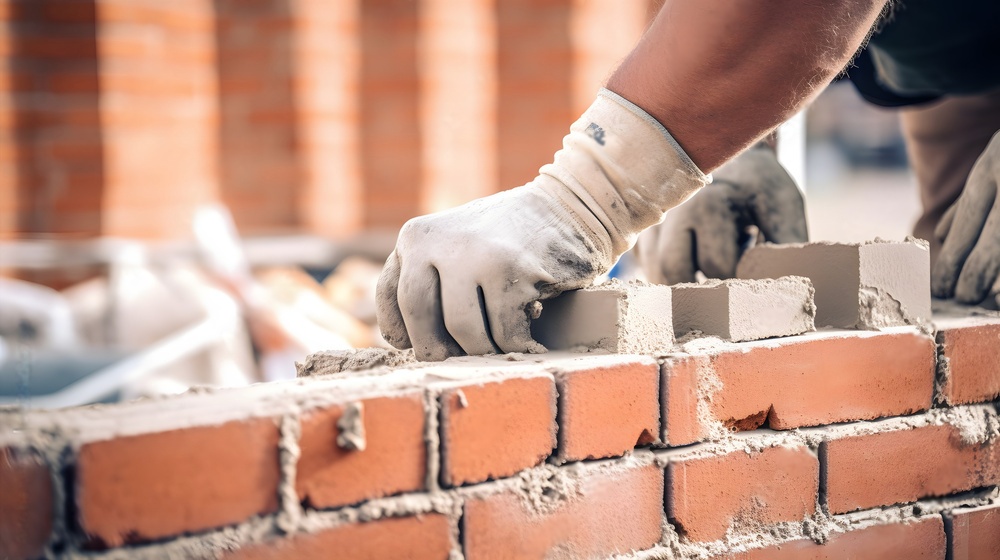
Masonry Materials play a major role in shaping the strength, durability, and appearance of residential and commercial structures across the USA. Whether you are building a home, repairing a wall, improving your property’s exterior, or planning a large commercial project, understanding the types of masonry materials and how each one is used helps you make smarter decisions.
In this detailed guide, we’ll break down the most common masonry materials, their key features, benefits, and best applications. By the end, you’ll know exactly which material is ideal for your next construction or renovation project.
Why Masonry Materials Matter in Construction
Masonry has been used for thousands of years because it offers:
- Exceptional strength and durability
- Fire and weather resistance
- Long lifespan with minimal maintenance
- Energy efficiency due to thermal mass
- Timeless visual appeal
However, not all masonry materials are created equal. Each type brings its own characteristics, costs, and ideal uses. Choosing the right material impacts everything from structural performance to long-term maintenance costs.
1. Brick Masonry
Brick is one of the oldest and most trusted masonry materials. Made from clay and fired at high temperatures, bricks are known for their strength and charm.
Benefits of Brick Masonry
- Classic and timeless look
- Excellent fire resistance
- High durability and low maintenance
- Energy-efficient due to strong thermal mass
- Wide range of colors and textures
Common Uses
- Exterior walls
- Fireplaces and chimneys
- Walkways and patios
- Garden walls
- Load-bearing structures
Brick masonry works well in almost any design from vintage homes to modern commercial buildings it a top choice for long-term value.
2. Concrete Masonry Units (CMU Blocks)
Concrete blocks or CMUs are extremely popular in modern construction. They are larger than bricks, making construction faster and more cost-effective.
Benefits of Concrete Blocks
- High structural strength
- Excellent for large-scale construction
- Good fire and sound resistance
- Cost-effective
- Can be reinforced with steel
Common Uses
- Basement walls
- Commercial buildings
- Load-bearing walls
- Retaining walls
- Foundations
Because CMU blocks offer strength and versatility, they are frequently used in schools, warehouses, and multi-story buildings.
3. Stone Masonry
Stone masonry is one of the most durable and visually appealing masonry materials. Natural stone offers unique patterns, colors, and textures that manufactured materials cannot replicate.
Types of Stone Used
- Granite – extremely strong and weather-resistant
- Limestone – soft, elegant, and easy to shape
- Sandstone – warm tones and smooth texture
- Marble – luxurious but costlier
- Slate – durable and great for flooring
Benefits of Stone Masonry
- High durability and longevity
- Natural weather resistance
- Adds unmatched beauty and value
- Suitable for both interiors and exteriors
Common Uses
- Exterior facades
- Retaining walls
- Decorative landscaping
- Fireplaces
- Columns and arches
Stone masonry is ideal for homeowners who want a premium, long-lasting finish.
4. Veneer Masonry (Brick or Stone Veneer)
Veneer masonry is a popular choice for modern homes. Instead of building full-thickness masonry walls, a thin layer of brick or stone is applied over a wood or metal frame.
Benefits of Veneer Masonry
- Lightweight and easier to install
- More affordable than full masonry
- Offers the look of real brick or stone
- Energy-efficient when paired with insulation
Common Uses
- Exterior siding
- Indoor accent walls
- Fireplaces
- Columns
- Commercial storefronts
If you want the look of high-end masonry without the cost or weight, veneer masonry is a great option.
5. Glass Block Masonry
Glass blocks are commonly used where privacy and natural light are both required. They add a modern and stylish appearance to contemporary structures.
Benefits of Glass Block Masonry
- Allows natural light while maintaining privacy
- Excellent security
- Fire-resistant
- Sound-insulating
- Decorative and modern
Common Uses
- Bathroom windows
- Basement windows
- Interior partitions
- Entrance designs
- Commercial features
Glass blocks are perfect for areas where you want a clean, bright, and modern look.
6. Adobe Masonry
Adobe masonry is one of the oldest forms of construction, traditionally made with natural materials such as clay, sand, water, and straw. It is widely used in dry and warm climates.
Benefits of Adobe Masonry
- Eco-friendly
- Excellent temperature regulation
- Affordable and natural
- Thick walls provide great soundproofing
Common Uses
- Southwestern-style homes
- Garden walls
- Courtyard structures
While adobe is not ideal for wet or humid climates, it performs beautifully in desert and warm regions.
Final Thoughts
Masonry Materials are essential to building durable, beautiful, and efficient structures. From brick and stone to concrete blocks and modern engineered products, each type offers unique advantages and ideal uses.
Whether you’re constructing a new home, upgrading your building, or planning repairs, choosing the right masonry materials will ensure long-lasting strength and aesthetics. For professional guidance, experts like USA Builders and Developers can help you select the best materials based on your project’s needs, budget, and design goals.

